

Structural Glass Walls: A UK Homeowner's Comprehensive Guide
Explore the world of structural glass walls for UK homes. Understand design, regulations, benefits, and considerations for these stunning architectural features.

Shard Architectural Glazing
20 February 2026
Explore the world of structural glass walls for UK homes. Understand design, regulations, benefits, and considerations for these stunning architectural features.
📋In This Article
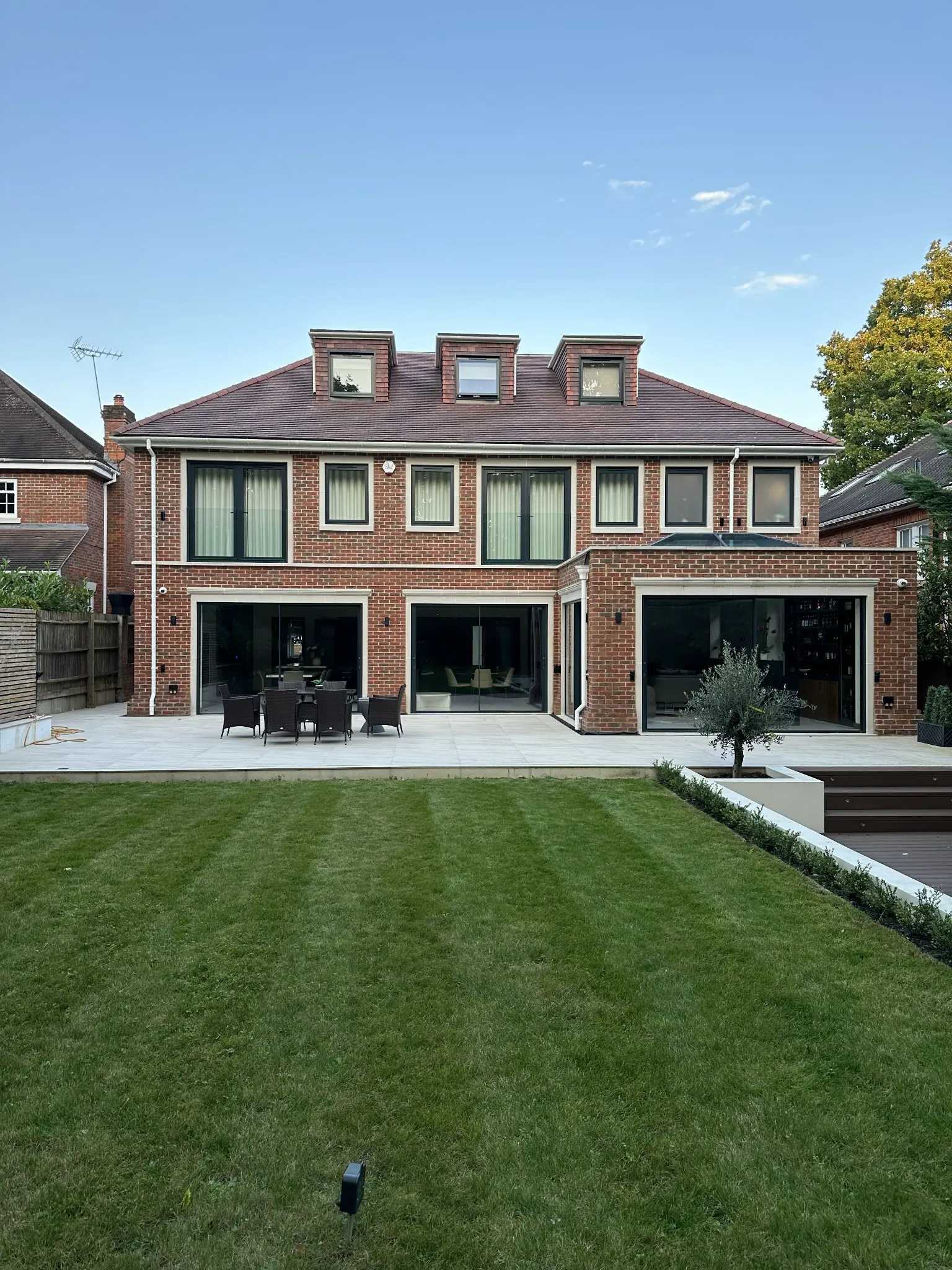
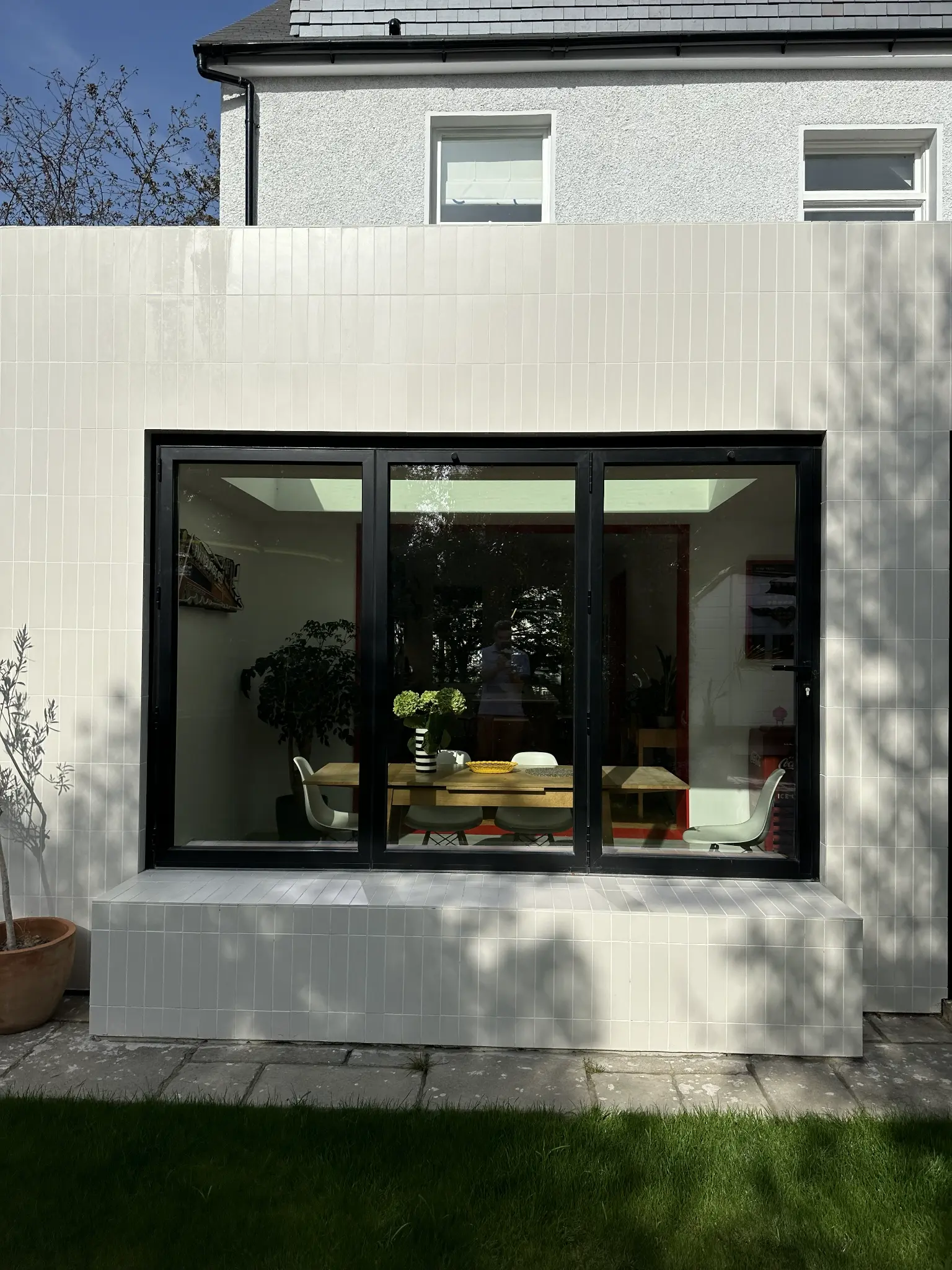
Structural glass walls represent the pinnacle of modern architectural design, offering an unparalleled connection between indoor and outdoor spaces. Moving beyond traditional window frames, these systems create expansive, uninterrupted views, flooding interiors with natural light and transforming the aesthetic of any property. For UK homeowners considering this sophisticated addition, understanding the technical aspects, design considerations, and regulatory requirements is crucial.
What Are Structural Glass Walls?
Unlike conventional windows or curtain walling, structural glass walls are designed to bear loads, forming an integral part of a building's structure. This means the glass itself, often supported by minimal discreet fixings or fins, contributes to the structural integrity of the building, rather than merely being an infill panel within a pre-existing frame. The result is a sleek, frameless, and often breathtaking aesthetic that maximises transparency and light.
Key Characteristics:
- Minimal Framing: The defining feature is the absence of bulky frames. Connections are typically made with discreet silicone joints, bolted fixings (often referred to as 'spider fittings'), or glass fins.
- Load-Bearing Capability: The glass panels are engineered to withstand wind loads, snow loads, and sometimes even vertical loads, depending on the design.
- Large Panels: Structural glass often involves much larger individual panes than standard glazing, creating seamless visual expanses.
- High Performance: Despite their minimalist appearance, these systems are designed to offer excellent thermal and acoustic performance.
Design and Engineering Considerations
The design and installation of structural glass walls are highly specialised and require meticulous planning and engineering expertise. It's not simply a matter of installing large panes of glass; every element must be carefully calculated.
Glass Specification:
- Type of Glass: Typically, toughened laminated glass is used for structural applications. This combines the strength of toughened glass with the safety benefits of lamination. If one pane breaks, the interlayer holds the fragments together, preventing immediate collapse and maintaining a weather seal.
- Thickness: Glass thickness is paramount and determined by factors such as panel size, wind loads, building height, and specific structural requirements. It can range from 10mm to over 25mm for individual panes in a double or triple glazed unit.
- Coatings: Low-emissivity (low-e) coatings are essential for thermal performance, reflecting heat back into the room in winter and reducing solar gain in summer.
- Interlayers: High-performance interlayers (e.g., SentryGlas®) offer enhanced strength and rigidity compared to standard PVB (Polyvinyl Butyral) interlayers, allowing for thinner glass or larger unsupported spans.
Support Systems:
- Glass Fins: Vertical glass fins, perpendicular to the main glass panels, provide lateral support against wind loads. These are often made from thick, toughened glass themselves.
- Bolted Fixings (Spider Fittings): Stainless steel 'spider' fixings are bolted through the glass panels, connecting them to the main building structure or to supporting fins.
- Silicone Joints: High-performance structural silicone is used to bond glass panels together, providing a weather-tight and structurally sound connection.
- Steelwork: In some designs, minimal steelwork or tension rods may be incorporated to provide additional support, often concealed within the building's fabric.
Pro Tip
Always engage with a specialist structural engineer experienced in glass structures. They will perform detailed calculations, considering factors like wind pressure, building movement, and deflection limits, to ensure the safety and longevity of your structural glass wall.
UK Building Regulations and Compliance
For any significant alteration or new build involving structural elements, compliance with UK Building Regulations is mandatory. Structural glass walls are no exception and typically fall under several parts of the regulations.
Key Regulations to Consider:
- Part A (Structure): This is fundamental. The structural glass system must be proven to safely support all imposed loads (wind, snow, self-weight, etc.) without excessive deflection or failure. Detailed structural calculations by a qualified engineer are essential.
- Part B (Fire Safety): Depending on the location and proximity to boundaries, fire resistance might be required. This could involve specialist fire-rated glass or careful design to prevent fire spread.
- Part K (Protection from Falling, Collision and Impact): Glazing must be safe. This typically mandates the use of toughened or laminated glass in critical locations where impact is likely, and ensures that if glass breaks, it does so safely.
- Part L (Conservation of Fuel and Power): This is crucial for thermal performance. Structural glass walls must meet stringent U-value requirements to prevent excessive heat loss.
Current UK Building Regulations Part L (2022 England) U-Value Requirements:
| Element | New Build & Extensions | Replacement |
|---|---|---|
| Walls | 0.18 W/m²K | N/A |
| Floors | 0.18 W/m²K | N/A |
| Roofs | 0.15 W/m²K | N/A |
| Windows/Doors | 1.2 W/m²K | 1.4 W/m²K |
| Party Walls | 0.0 W/m²K | N/A |
For structural glass walls, the U-value for the entire system (glass and any minimal framing/fixings) must typically meet the 1.2 W/m²K requirement for new builds and extensions, or 1.4 W/m²K for replacements. Achieving these values often necessitates high-performance double or even triple glazing with low-e coatings and warm edge spacer bars.
It is always advisable to consult with your local Building Control body or a qualified professional early in the design process to ensure your proposed structural glass wall will comply with all relevant regulations.
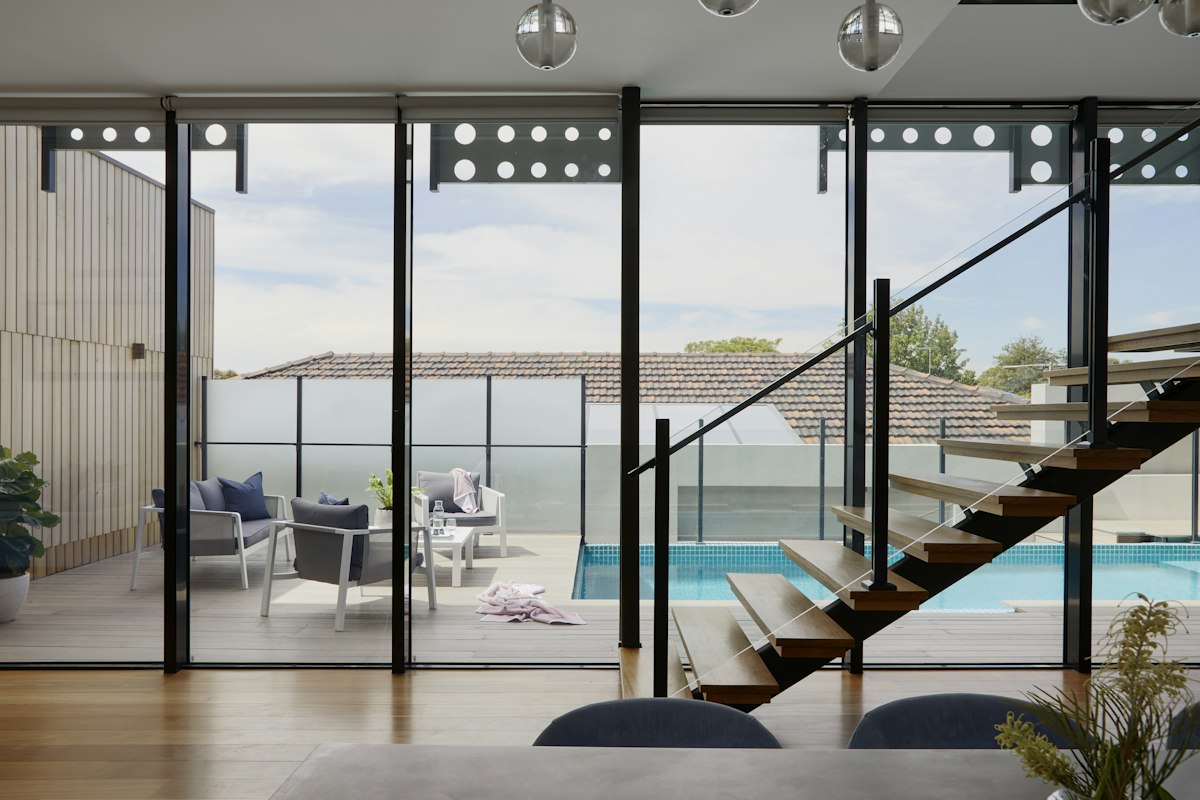
Benefits and Drawbacks of Structural Glass Walls
Like any architectural feature, structural glass walls offer distinct advantages and potential considerations.
Unrivalled Aesthetics
Create a stunning, contemporary look with seamless views and an abundance of natural light, blurring the lines between inside and out.
Maximised Natural Light
Significantly increase daylight penetration, reducing the need for artificial lighting and enhancing mood and wellbeing.
Enhanced Property Value
A well-designed and installed structural glass wall can be a significant selling point, adding considerable value and appeal to a property.
Thermal Performance
Modern structural glass systems, with advanced glazing technology, can achieve excellent thermal insulation, contributing to energy efficiency.
Potential Drawbacks and Considerations:
- Cost: Structural glass walls are a premium product. The specialised engineering, high-performance materials, and expert installation make them significantly more expensive than standard glazing systems.
- Solar Gain: While beneficial in winter, extensive glazing can lead to overheating in summer, especially on south-facing elevations. Careful design, including solar control coatings, external shading (e.g., brise soleil), or internal blinds, is crucial.
- Privacy: Large expanses of glass can compromise privacy. Solutions might include strategically placed landscaping, switchable privacy glass, or integrated blinds.
- Cleaning and Maintenance: Large, often high-level glass panels can be challenging to clean, potentially requiring professional services.
- Acoustics: While modern units offer good sound insulation, very large glass surfaces can sometimes lead to increased reverberation within a room.
- Condensation: In certain conditions, condensation can occur on glass surfaces, particularly with large temperature differentials. Proper ventilation and high-performance glazing help mitigate this.
Installation and Project Management
The installation of structural glass walls is a complex process that demands precision and experience. It is not a DIY project and requires specialist contractors.
Key Stages:
- Design & Engineering: Initial concept, detailed architectural drawings, and structural engineering calculations.
- Fabrication: Custom manufacturing of glass panels, fixings, and any supporting elements.
- Site Preparation: Ensuring the building's primary structure is ready to receive the glass system, with accurate opening dimensions and load-bearing points.
- Installation: This often involves specialist lifting equipment (cranes, vacuum lifters) and a highly skilled installation team to precisely position and secure the large, heavy glass panels.
- Sealing & Finishing: Application of structural silicone, weather seals, and final aesthetic touches.
Effective project management is vital. Coordination between the architect, structural engineer, main contractor, and glass specialist ensures a smooth process and a successful outcome.
Conclusion
Structural glass walls offer an extraordinary opportunity to transform a home, bringing light, space, and a contemporary elegance that is truly captivating. While they represent a significant investment and require careful planning and expert execution, the rewards in terms of aesthetic appeal, natural light, and property value can be substantial. For UK homeowners embarking on such a project, a thorough understanding of the design principles, regulatory compliance, and the importance of engaging specialist professionals is the foundation for success.
If you're considering a structural glass wall for your UK property, Shard AG specialises in the design, engineering, and installation of bespoke structural glazing systems. Our team of experts works closely with architects, builders, and homeowners to deliver innovative, high-performance solutions that meet the highest standards of safety, thermal efficiency, and aesthetic excellence, ensuring full compliance with UK Building Regulations.
Explore Our Products
Discover how Shard Architectural Glazing can transform your home with our premium glazing solutions:
Ready to Transform Your Home?
Get in touch with our expert team for a free consultation and personalised quote. We'll help you choose the perfect glazing solution for your property.