Structural Glass Walls: Design, Benefits & UK Regulations
Explore structural glass walls for UK homes. Understand design, benefits, technical aspects, and how to comply with UK Building Regulations Part L (2022).

Shard Architectural Glazing
2 February 2026
Explore structural glass walls for UK homes. Understand design, benefits, technical aspects, and how to comply with UK Building Regulations Part L (2022).
📋In This Article
Structural glass walls represent the pinnacle of modern architectural design, offering an unparalleled connection between indoor and outdoor spaces. Moving beyond traditional window frames, these systems use glass as a primary structural element, creating expansive, virtually uninterrupted views. For UK homeowners considering a contemporary extension, a dramatic renovation, or a new build, understanding the intricacies of structural glass walls is crucial. This guide will delve into their design, benefits, technical considerations, and how they integrate with UK Building Regulations.
What Are Structural Glass Walls?
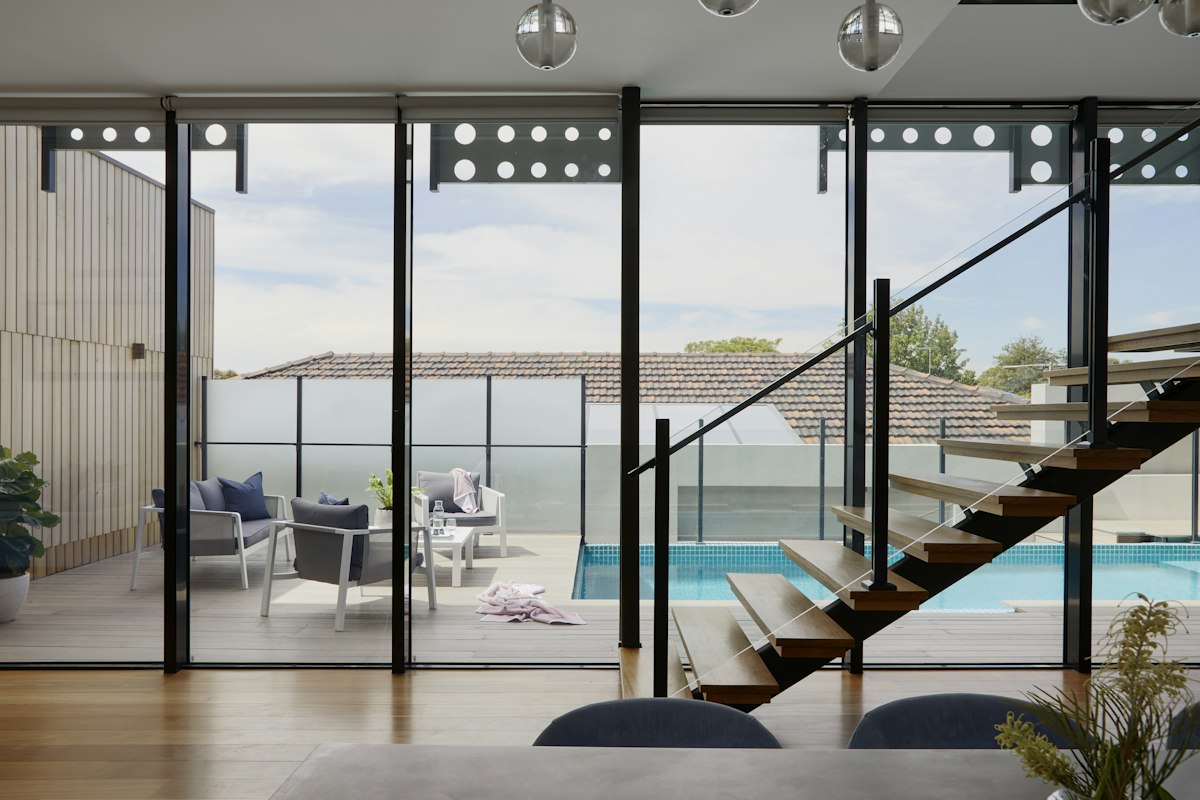
Unlike conventional glazing, where glass panes are supported by a visible frame (e.g., uPVC, aluminium, timber), structural glass walls utilise the glass itself as a load-bearing or primary support element. This is achieved through various sophisticated techniques, often involving minimal, discreet fixings, silicone joints, or structural fins made of glass or steel. The goal is to minimise obstructions and maximise transparency, creating a seamless aesthetic.
Key Characteristics:
- Minimal Framing: The defining feature is the absence of bulky frames. Edges are often butt-jointed with silicone or supported by slender, almost invisible structural elements.
- Large Panes: Structural glass systems typically employ significantly larger glass panels than standard windows, often spanning floor-to-ceiling or wall-to-wall.
- Engineered Solutions: Each structural glass installation is a bespoke engineering project, designed to withstand wind loads, snow loads, and the self-weight of the glass, while integrating with the building's overall structure.
- High Performance: Despite their minimalist appearance, these systems are designed for excellent thermal and acoustic performance.
Design and Technical Considerations
Implementing structural glass walls requires meticulous planning and a deep understanding of engineering principles. It's not simply about installing large panes of glass; it's about integrating glass as a fundamental part of the building's envelope.
Glass Specification:
- Laminated Glass: Often a requirement for safety, especially for overhead glazing or areas where impact is a risk. Laminated glass consists of two or more panes bonded together with a plastic interlayer (e.g., PVB). If broken, the fragments remain adhered to the interlayer, reducing the risk of injury.
- Toughened (Tempered) Glass: Heat-treated for increased strength (typically 4-5 times stronger than annealed glass). When it breaks, it shatters into small, relatively harmless pieces. Often used as the outer pane in double or triple glazing.
- Insulated Glass Units (IGUs): Structural glass walls almost exclusively use double or triple glazing to meet thermal performance requirements. The space between panes is filled with inert gases like argon or krypton to improve insulation.
- Coatings: Low-emissivity (low-e) coatings are essential for thermal efficiency, reflecting heat back into the room in winter and reducing heat gain in summer. Solar control coatings can further mitigate overheating.
Fixing Methods:
The method of fixing structural glass is critical to its integrity and aesthetic. Common approaches include:
- Silicone Butt Joints: Large panels are joined edge-to-edge with structural silicone sealant, creating an almost invisible seam.
- Point Fixed Glazing (Spider Fittings): Stainless steel 'spider' fittings are bolted through holes in the glass, connecting it to a sub-structure (e.g., steel frame, glass fins).
- Glass Fins: Vertical or horizontal glass panels (fins) are used as structural elements, supporting the main glazing panels and creating a truly all-glass aesthetic.
- Concealed Channels: Glass panels are often set into discreet channels in the floor, ceiling, or adjacent walls, providing support while remaining hidden.
Pro Tip
Always engage an experienced structural engineer and a specialist glazing contractor early in the design process. They will assess loads, advise on glass thickness, type, and fixing methods, and ensure compliance with all relevant standards, including wind loading calculations specific to your property's location and height.
UK Building Regulations and Compliance
For any significant alteration or new build involving structural glass, compliance with UK Building Regulations is mandatory. The key areas of focus will be Part L (Conservation of Fuel and Power), Part K (Protection from Falling, Collision and Impact), and Part B (Fire Safety).
Part L (Conservation of Fuel and Power - England 2022):
This is arguably the most challenging aspect for large areas of glazing. The regulations aim to limit heat loss and gain, requiring high levels of thermal insulation. For domestic properties:
- New Build Homes & Extensions: The maximum U-value for windows and doors (including structural glass) is 1.2 W/m²K.
- Replacement Windows & Doors: The maximum U-value for replacement glazing is 1.4 W/m²K.
Achieving these U-values with large, minimalist structural glass units requires high-performance double or often triple glazing, with low-e coatings and inert gas fills. The overall thermal performance of the entire building envelope (walls, floor, roof, and glazing) is assessed, so excellent performance in other areas can sometimes offset slightly higher U-values for very large glazed sections, but this requires careful calculation by an energy assessor.
Part K (Protection from Falling, Collision and Impact):
This part addresses safety. Glass must be specified to prevent injury from breakage or impact. Toughened or laminated glass is typically required in critical locations:
- Within 800mm of floor level.
- In or adjacent to doors.
- In overhead glazing.
- In balustrades or guarding.
The specific type and thickness will depend on the panel size, location, and potential for impact.
Part B (Fire Safety):
While glass is non-combustible, its behaviour in a fire (e.g., shattering, allowing fire spread) is a consideration. For structural glass, particularly in multi-storey buildings or near escape routes, fire-rated glass or specific fire compartmentation strategies may be necessary. This is a complex area and requires specialist advice.
Other Regulations:
- Part A (Structure): The structural integrity of the glass and its fixings, and how it integrates with the building's main structure, must be proven.
- Part F (Ventilation): Adequate ventilation must be provided, which can be challenging with fixed structural glass. Solutions might include integrated vents or adjacent openable sections.
- Part C (Site Preparation and Resistance to Contaminants and Moisture): Ensuring the system is watertight and prevents dampness.
It is always advisable to consult with your local Building Control Body or an Approved Inspector early in your project to confirm specific requirements and gain approval.
Benefits and Drawbacks of Structural Glass Walls
Unrivalled Aesthetics
Creates a sleek, modern, and minimalist look, blurring the lines between indoor and outdoor spaces. Maximises natural light and offers expansive, uninterrupted views.
Increased Natural Light
Floods interiors with daylight, reducing the need for artificial lighting and enhancing mood and well-being. Can make smaller spaces feel larger and more open.
Enhanced Property Value
A well-designed and executed structural glass installation can significantly increase the appeal and market value of a property, appealing to buyers seeking contemporary design.
Thermal Performance
With modern high-performance glazing (double or triple glazed, low-e coatings, gas-filled), structural glass can offer excellent thermal insulation, contributing to energy efficiency.
Potential Drawbacks and Considerations:
- Cost: Structural glass systems are bespoke and technically complex, making them significantly more expensive than standard framed glazing.
- Privacy: Large expanses of glass can compromise privacy, requiring careful consideration of orientation, landscaping, or integrated shading solutions.
- Overheating: While solar control coatings help, large south or west-facing glass walls can still lead to solar gain and overheating in summer. External shading (e.g., overhangs, brise soleil) might be necessary.
- Cleaning and Maintenance: Large, fixed glass panels can be challenging to clean, especially at height. Access solutions should be considered during design.
- Condensation: While modern IGUs minimise internal condensation, external condensation can occur on highly insulated glass surfaces under certain atmospheric conditions. This is a sign of good thermal performance but can temporarily obscure views.
- Acoustics: Glass can reflect sound, potentially leading to reverberation in large, open-plan spaces. Acoustic considerations may be needed.
Comparison of Glazing Types (U-values)
Understanding U-values is critical for thermal performance. Here's a brief comparison:
| Component | Typical U-value (W/m²K) | UK Building Regs Part L (2022) Target (W/m²K) |
|---|---|---|
| Single Glazing | ~5.0-6.0 | N/A (Not compliant) |
| Standard Double Glazing (Air-filled) | ~2.8-3.2 | N/A (Not compliant for new build/replacement) |
| High-Performance Double Glazing (Argon, Low-E) | ~1.0-1.4 | 1.2 (New Build), 1.4 (Replacement) |
| High-Performance Triple Glazing (Argon/Krypton, Low-E) | ~0.6-0.9 | 1.2 (New Build), 1.4 (Replacement) |
| Structural Glass Wall (High-Performance IGU) | ~0.8-1.2 | 1.2 (New Build), 1.4 (Replacement) |
| Insulated Wall (New Build/Extension) | ~0.15-0.20 | 0.18 |
Note: U-values are indicative and can vary based on specific product specifications. Structural glass systems must meet the same U-value targets as framed windows and doors.
Choosing the Right Specialist
Given the complexity and bespoke nature of structural glass walls, selecting the right design and installation partner is paramount. Look for companies with:
- Proven Experience: A strong portfolio of similar projects and a track record in structural glazing.
- In-house Expertise: Access to structural engineers, CAD designers, and specialist installers.
- Comprehensive Service: From initial concept and design to fabrication, installation, and aftercare.
- Compliance Knowledge: A thorough understanding of UK Building Regulations and relevant British Standards (e.g., BS 6262 for glazing, BS EN 1279 for IGUs).
- Accreditations: Membership of industry bodies like the Glass and Glazing Federation (GGF) or relevant quality management certifications.
Structural glass walls offer an extraordinary opportunity to transform a property, bringing light, space, and a contemporary edge. While the investment is significant, the aesthetic impact and lifestyle benefits can be profound. By understanding the technical requirements, regulatory landscape, and engaging the right specialists, UK homeowners can achieve stunning, high-performance results that stand the test of time.
If you're considering structural glass walls for your next project, Shard AG specialises in bespoke architectural glazing solutions. Our team of experts can guide you through every stage, from initial design concepts and structural calculations to precision manufacturing and flawless installation, ensuring your project meets both your vision and all UK Building Regulations.
Explore Our Products
Discover how Shard Architectural Glazing can transform your home with our premium glazing solutions:
Ready to Transform Your Home?
Get in touch with our expert team for a free consultation and personalised quote. We'll help you choose the perfect glazing solution for your property.