

.jpg)

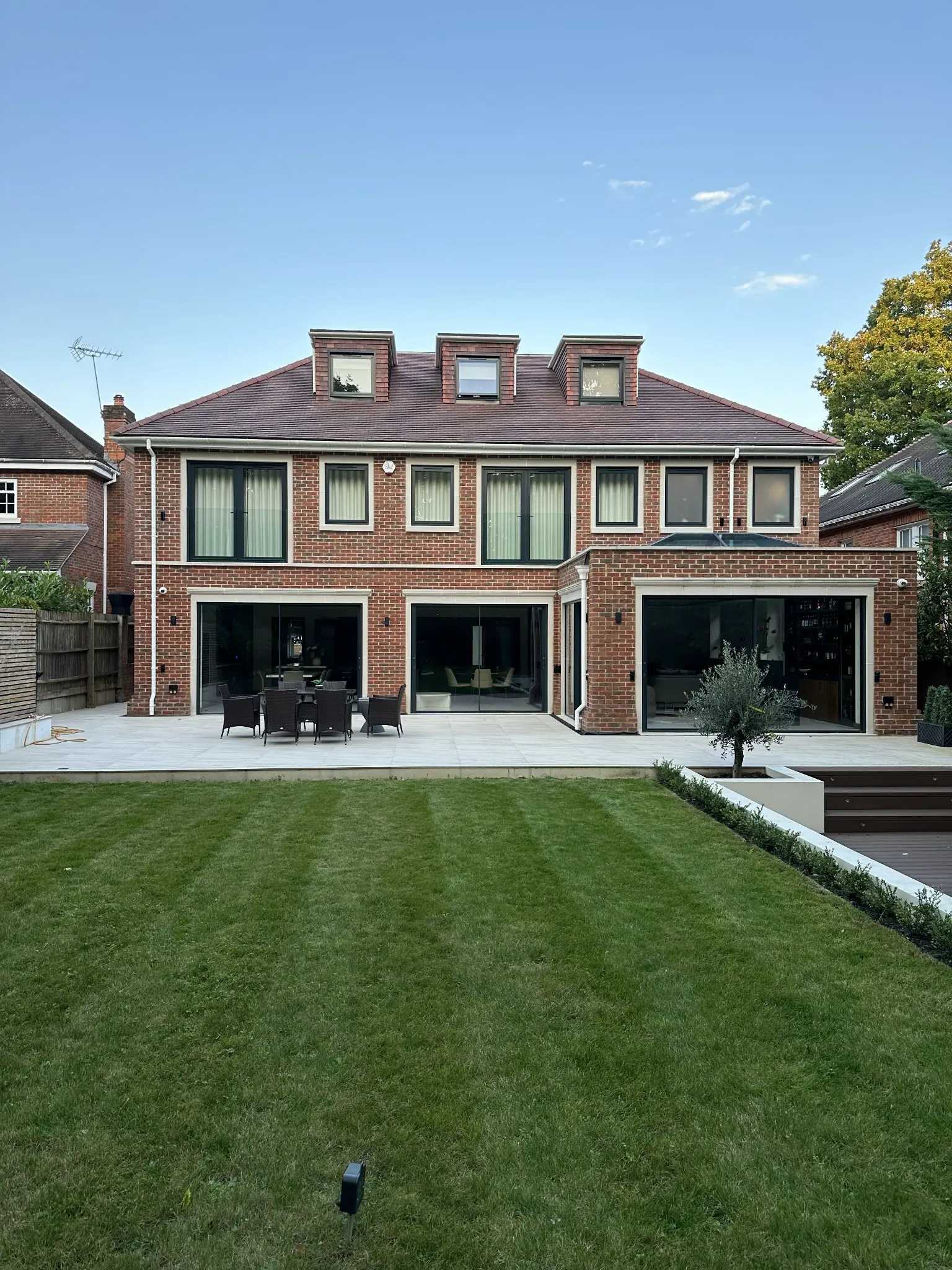
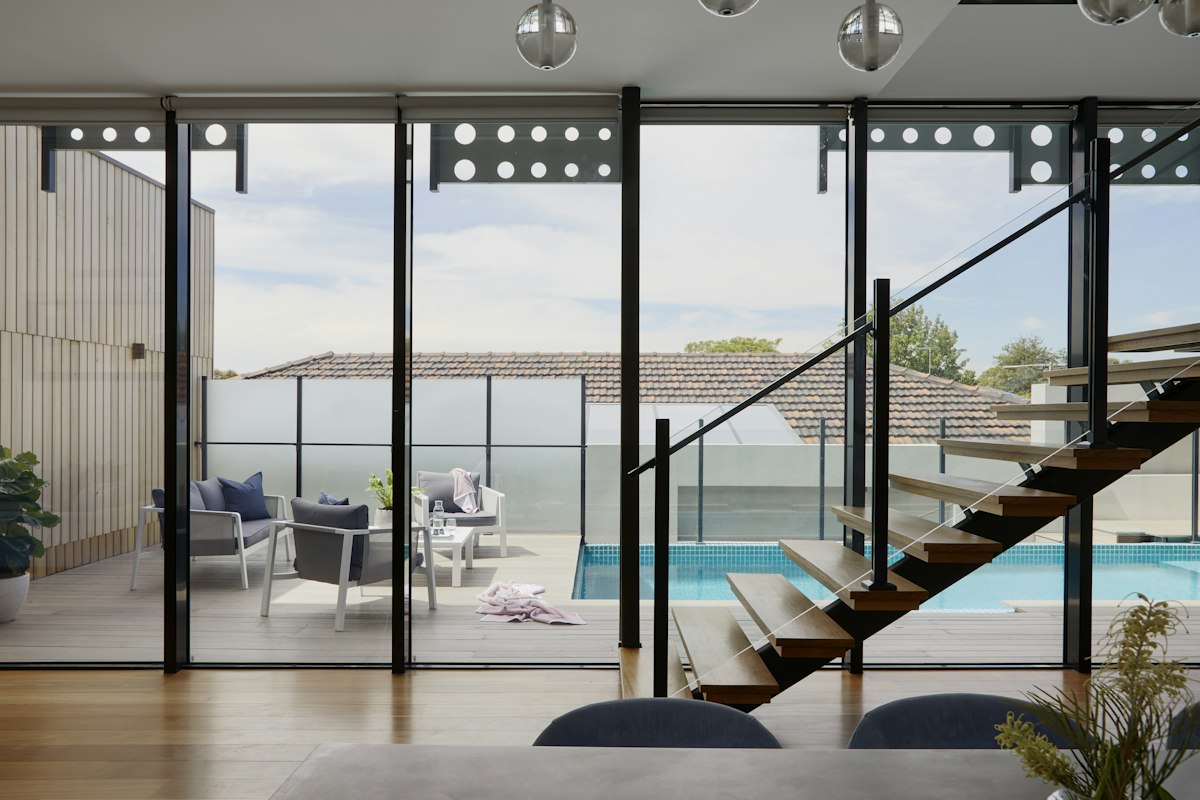
Structural glass walls represent the pinnacle of modern architectural design, offering unparalleled light transmission and seamless integration between indoor and outdoor spaces. Moving beyond traditional framed systems, these installations rely on the glass itself—often supported by minimal fixings, discreet steelwork, or specialist glass fins—to bear loads and provide stability. However, achieving this minimalist aesthetic requires meticulous planning, detailed engineering, and strict adherence to UK Building Regulations.
What is Structural Glazing? Defining the System
Structural glazing differs fundamentally from conventional window or curtain wall systems. In traditional glazing, the glass panels are held within a robust frame (aluminium, timber, or uPVC) which handles the structural loads (wind, snow, dead weight). In a structural glass wall, the glass panels are engineered to act as a load-bearing element, often eliminating the need for visible frames entirely.
These systems are typically used for large façades, glass extensions, walk-on rooflights, and minimalist corner windows where maximum transparency is desired. The connections between panels are often sealed using high-performance silicone joints, providing weatherproofing while maintaining the frameless look.
The Role of Glass Specification
Due to the load-bearing requirements, structural glass is almost always specified as toughened laminated glass. Toughened glass provides superior strength against impact and thermal stress. Lamination involves bonding two or more panes of glass together with an interlayer (usually PVB or SentryGlas Plus). This ensures that if the glass were to break, the fragments remain adhered to the interlayer, preventing collapse and maintaining weather integrity—a critical safety requirement.
- Thickness: Thicknesses vary significantly based on span, wind load, and engineering requirements, often ranging from 17.5mm up to 33mm or more for large spans or overhead glazing.
- Load Calculation: Every structural glass installation must be accompanied by detailed structural calculations performed by a qualified structural engineer, ensuring compliance with Eurocodes (BS EN 1990 to 1999).
- Support Methods: Common support methods include bolted connections (spider fittings), glass fins (vertical internal glass beams), or concealed steelwork within surrounding construction.
Building Regulations and Thermal Performance (Part L)
For any new extension or significant alteration involving structural glass walls, compliance with the current UK Building Regulations, particularly Part L (Conservation of Fuel and Power), is mandatory in England. Since large expanses of glass inherently transmit heat more readily than insulated walls, achieving compliance requires careful specification of the glazing units.
Understanding U-Values
The U-value measures how effectively a building element prevents heat transfer (W/m²K). A lower U-value indicates better insulation and thermal performance. Structural glass walls must meet specific U-value targets, which are significantly stricter following the 2022 updates to Part L.
| Building Element | Target U-Value (W/m²K) - England 2022 | Relevance to Structural Glass |
|---|---|---|
| New Walls (Fabric) | 0.18 | Sets the benchmark for opaque elements. |
| New Windows/Glazed Doors (New Build) | 1.2 | Structural glass must meet this stringent target for the overall element. |
| Replacement Windows/Glazed Doors | 1.4 | Applies to existing homes undergoing renovation. |
| Roofs | 0.15 | Relevant if the structural glass forms part of a roof structure (e.g., glass box extension). |
Achieving a U-value of 1.2 W/m²K or better for a structural glass wall typically necessitates high-specification double glazing or triple glazing, incorporating features such as:
- Low-Emissivity (Low-E) Coatings: Microscopic coatings on the glass surface reflect heat back into the building.
- Warm Edge Spacers: Replacing standard aluminium spacers with composite materials reduces thermal bridging at the edges of the sealed unit.
- Inert Gas Filling: Filling the cavity between panes with Argon or Krypton gas, which are denser than air, slows down heat transfer.
Pro Tip
When using structural glass in an extension, compliance is usually assessed via the Limiting Fabric U-value Method or the Target Emission Rate (TER) calculation. If the total area of glazing exceeds 25% of the floor area of the new extension, you will almost certainly need to use high-performance triple glazing or demonstrate compliance through a more complex SAP calculation, offsetting the heat loss with superior insulation elsewhere in the design (e.g., walls or roof exceeding the minimum requirements).
Design and Installation Considerations
While the aesthetic appeal of structural glass is undeniable, several practical and technical challenges must be addressed during the design and installation phases.
Moisture Management and Condensation
Condensation is a significant concern, especially in highly insulated, airtight buildings. Structural glass, being a large, cold surface (relative to surrounding walls), is susceptible to condensation forming on the internal face if humidity levels are high. Proper ventilation (Part F) and effective heating design are crucial. Furthermore, the silicone joints must be perfectly executed to ensure 100% weather tightness, preventing water ingress which can lead to structural damage over time.
Solar Gain and Overheating
In the UK, while thermal retention is key in winter, managing solar gain in summer is equally important, particularly for south or west-facing structural glass walls. Excessive solar heat gain can lead to uncomfortable internal temperatures and high cooling costs (if air conditioning is used).
Mitigation strategies include:
- Solar Control Coatings: Applying specialised coatings that reduce the transmission of solar energy (G-value).
- External Shading: Incorporating external louvres, brise soleils, or retractable awnings.
- Strategic Ventilation: Designing openings (e.g., concealed vents or operable panels) to allow for cross-ventilation and rapid heat purging.
Acoustic Performance (Part E)
If the structural glass wall faces a busy road or noisy area, acoustic performance (Part E) must be considered. Laminated glass inherently offers better sound dampening than monolithic glass. Increasing the thickness of the glass panes and using acoustic interlayers (e.g., specialist PVB) can significantly improve sound reduction.
Advantages and Disadvantages of Structural Glass
Choosing structural glass involves balancing aesthetic desires with practical and financial realities.
Maximum Light Penetration
The frameless design maximises the glazed area, flooding interiors with natural daylight, reducing reliance on artificial lighting, and enhancing well-being.
Seamless Views
Eliminating bulky frames creates uninterrupted, panoramic views, blurring the boundary between the interior living space and the landscape.
Architectural Statement
Structural glass provides a contemporary, high-end finish that is difficult to achieve with standard framed systems, significantly boosting the perceived value and design quality of a property.
Design Flexibility
It allows for complex geometries, including glass corners, curved walls, and integrated walk-on floors or rooflights, offering creative freedom to architects.
Potential Drawbacks and Considerations
- Cost: Structural glass is significantly more expensive than standard framed glazing due to the high-specification glass, specialised engineering, and complex installation process requiring expert lifting equipment.
- Cleaning and Maintenance: Large, fixed panels, especially those reaching high elevations, require professional access and cleaning solutions.
- Thermal Bridging: While the glass unit itself can be highly efficient, careful design is needed where the glass meets the building structure (the perimeter detail) to prevent thermal bridging through fixings or surrounding materials.
- Installation Complexity: Installation requires highly skilled, specialist teams. Errors in structural silicone application or fixing tolerances can compromise both weatherproofing and structural integrity.
Fire Safety and Access (Part B and M)
While often overlooked, structural glass walls must comply with other key sections of the Building Regulations.
Fire Safety (Part B)
Depending on the location of the wall relative to the boundary of the property, fire resistance may be required. If the wall is close to a boundary, non-fire-rated glass may be restricted to a certain percentage of the façade area. If fire integrity is mandatory, specialist fire-rated laminated glass (which includes intumescent interlayers) must be used. This significantly increases complexity and cost.
Access and Safety Glazing (Part M and N)
Part N mandates the use of safety glazing in critical locations (like doors or low-level windows). Since structural glass walls often extend to floor level, they automatically fall under this requirement, reinforcing the need for toughened laminated glass.
Part M (Access to and use of buildings) requires that all accessible glazing is clearly defined to prevent accidental collision. This may necessitate the use of manifestation (e.g., opaque strips or decals) at specific heights, even on frameless systems, to ensure the wall is visible to users.
Conclusion and Supplier Selection
Structural glass walls offer a transformative element to contemporary UK architecture, delivering light, space, and a striking visual impact. Success hinges on precise engineering, rigorous adherence to current Part L U-value requirements (targeting 1.2 W/m²K for new builds), and careful management of solar gain and condensation risks.
Given the complexity and safety critical nature of these installations, selecting a supplier with proven expertise in structural calculations, high-performance glazing specifications, and specialist installation is paramount. They should be able to provide comprehensive U-value calculations, structural engineering sign-off, and demonstrate a track record of achieving Building Control approval for complex, frameless designs.
If you are planning a project involving large-scale structural glazing in the UK, Shard AG specialises in the design, engineering, and installation of bespoke high-performance structural glass systems. We work closely with architects and homeowners to ensure every installation meets the highest standards of safety, thermal efficiency, and aesthetic excellence, ensuring full compliance with current UK Building Regulations.