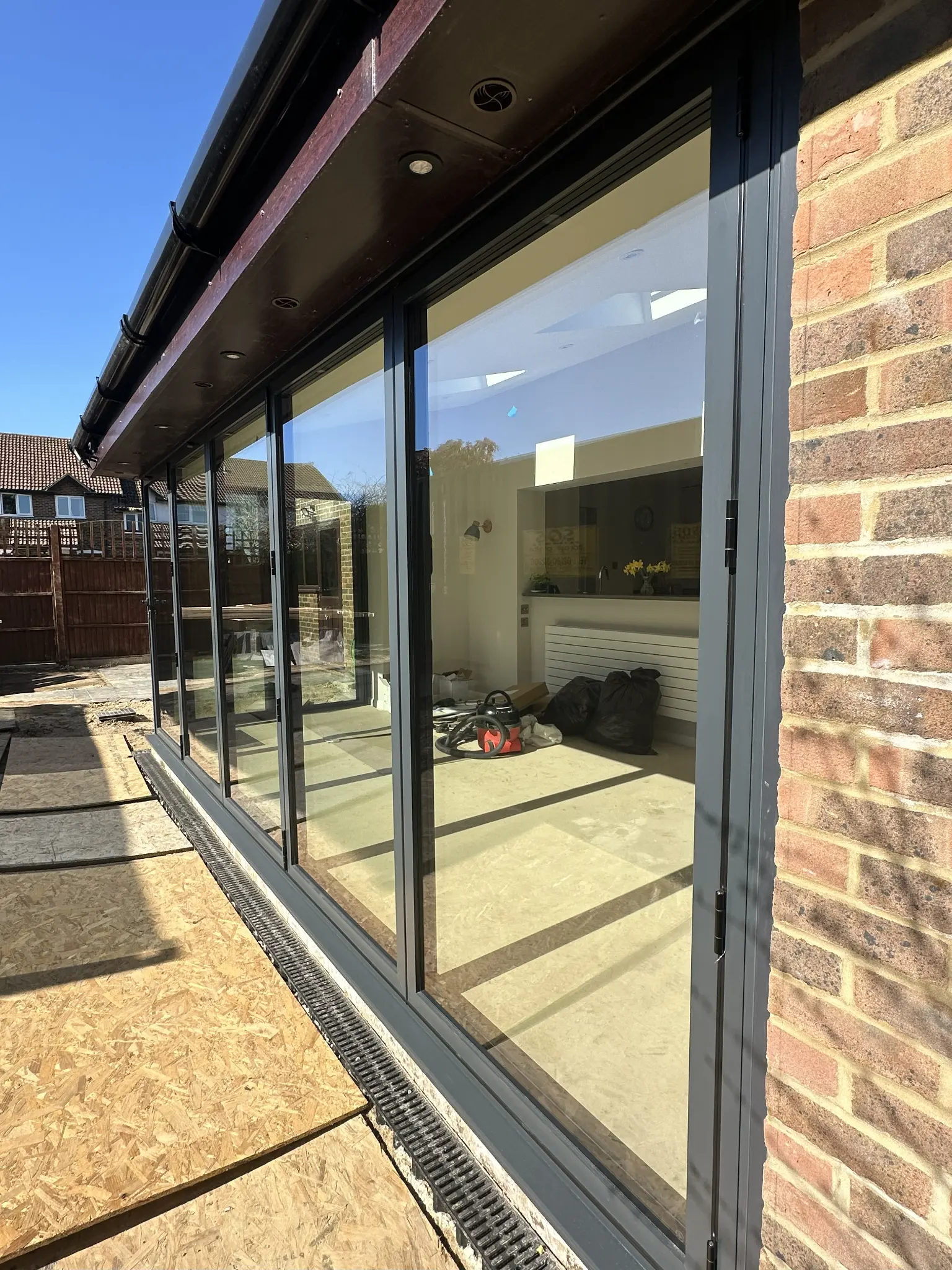




For UK homeowners undertaking renovation, extension, or new build projects, the performance of the building envelope is paramount. While insulation and high-performance glazing often take centre stage, the often-overlooked element of weather sealing technology is arguably the most critical factor in preventing moisture ingress, air leakage, and subsequent heat loss.
Effective weather sealing ensures the longevity of the structure, maintains indoor air quality, and, crucially, helps meet stringent UK Building Regulation requirements for energy efficiency (Part L).
Understanding the Role of Weather Sealing in Building Performance
Weather sealing refers to the materials and techniques used to create a continuous barrier between the interior and exterior environments. This barrier must manage three primary challenges: water ingress, air permeability, and thermal bridging.
Water Ingress Prevention
Water damage is one of the most destructive forces affecting buildings. Weather sealing systems must prevent rainwater penetration, especially around vulnerable junctions like window and door frames, rooflines, and foundation interfaces. Modern systems utilise a combination of primary seals (gaskets) and secondary barriers (mastics/sealants) to manage hydrostatic pressure and capillary action.
Air Permeability and Thermal Performance
Uncontrolled air leakage (draughts) accounts for a significant portion of heat loss in older or poorly constructed homes. This is measured by air permeability (m³/(h.m²) @ 50 Pa). Building Regulations Part L (2022) places a strong emphasis on reducing this leakage. Effective weather sealing, particularly the use of continuous air barrier membranes and high-quality perimeter seals, is essential for achieving the required air tightness targets.
If a new extension or dwelling fails its mandatory air tightness test, the cause is often poor detailing around windows, doors, or service penetrations – areas entirely reliant on robust weather sealing.

Key Components of Modern Glazing Sealing Systems
In architectural glazing, weather sealing is rarely a single component but rather an integrated system designed to work cohesively with the frame material and the surrounding structure.
- Gaskets and Compression Seals: These are flexible components, typically made from EPDM (Ethylene Propylene Diene Monomer) rubber or silicone, installed within the frame profile. They rely on mechanical compression to create a watertight and airtight seal between the fixed frame and the opening sash, or between the glass unit and the frame itself.
- Mastics and Sealants: Applied externally and internally to the perimeter joint (where the frame meets the wall), these materials fill gaps and accommodate movement. High-performance silicone sealants are preferred due to their excellent UV resistance, flexibility, and longevity.
- Expanding Foam Tape (BG1/BG2): Used primarily for sealing the perimeter gap during installation. These tapes expand slowly to fill irregular voids, providing excellent thermal and acoustic insulation while acting as a weather seal. They are rated based on their performance against driving rain (e.g., BG1 is highly resistant).
- Vapour Control Layers (VCLs) and Membranes: Crucial for managing moisture migration within the wall structure. Internal seals must be more airtight than external seals (the 'in-to-out' principle) to prevent warm, moist air from penetrating the wall cavity and condensing, which can lead to mould and structural damage.
Pro Tip
When installing new windows or large glazed doors, always ensure the perimeter seal uses a 'three-zone' approach: an external weather seal (to shed water), a central thermal/acoustic barrier (often expanding foam tape), and an internal air seal (VCL or tape) to prevent warm, moist air from entering the wall cavity. This detailing is vital for Part L compliance.
Materials and Specifications for UK Weather
The UK climate, characterised by high rainfall, strong winds, and significant temperature fluctuations, demands materials that offer exceptional durability and flexibility. Choosing the right material for the application is paramount.
Silicone vs. Acrylic vs. Polyurethane
For external perimeter sealing around glazing, neutral cure silicone is generally the industry standard. Unlike cheaper acrylic sealants, silicone remains highly flexible across a wide temperature range, offers superior UV resistance (preventing cracking), and maintains its elasticity for decades. Polyurethane sealants are often used in heavy-duty construction joints but are less common for domestic glazing perimeters.
EPDM Gaskets
EPDM is the dominant material for internal gaskets in window and door frames due to its excellent resistance to ozone, UV exposure, and temperature extremes. High-quality frames will feature multi-chambered profiles and continuous, welded EPDM gaskets to eliminate weak points at corners.
Comparing Sealing Material Performance
| Material | Primary Use | UV Resistance | Flexibility/Movement | Typical Lifespan (Years) |
|---|---|---|---|---|
| Neutral Cure Silicone | External perimeter joints, glazing beads | Excellent | High (±25% movement) | 20+ |
| EPDM Rubber | Internal frame gaskets, compression seals | Excellent | Very High | 30+ |
| Expanding Foam Tape (BG1) | Perimeter gap filling, thermal bridge break | N/A (covered) | Moderate | 25+ |
| Acrylic Sealant (Caulk) | Internal decorative sealing (non-structural) | Poor (cracks easily) | Low (±10% movement) | 5-10 |

Meeting Building Regulations and Thermal Targets
In England, compliance with Approved Document L (Conservation of Fuel and Power) is mandatory for new work, including replacement windows, doors, and extensions. While the U-value of the glass and frame is critical, the quality of the weather seal directly impacts the overall performance and compliance.
U-Values and Air Tightness
The current minimum standards (2022 edition) require:
- Replacement Windows/Doors: Maximum U-value of 1.4 W/m²K.
- New Build/Extension Windows/Doors: Maximum U-value of 1.2 W/m²K.
A poorly sealed installation, even with a high-performance window, will fail to meet the air tightness requirements. Air leakage around the frame perimeter introduces cold air, negating the thermal benefits of the low U-value glazing and potentially leading to cold spots and condensation.
The Importance of Installation Detailing
The best weather sealing materials are useless if installed incorrectly. Critical detailing includes:
- Substrate Preparation: Surfaces must be clean, dry, and free of dust or oil before applying sealants or tapes. Primers may be required for certain porous substrates.
- Correct Joint Dimensions: Sealants perform optimally when the joint width-to-depth ratio is correct (often 2:1). Applying a thin bead of sealant over a large gap will lead to premature failure.
- Backer Rods: Using a closed-cell foam backer rod in deep joints ensures the sealant is applied at the correct depth and prevents three-sided adhesion, which restricts movement and causes cracking.
- Drainage: Glazing systems must incorporate effective drainage channels (weep holes) to manage any water that inevitably bypasses the external seals. These must be kept clear and functional.
Longevity, Maintenance, and Troubleshooting
Even high-quality weather seals require periodic inspection and maintenance to ensure long-term performance.
Signs of Seal Failure
Homeowners should look out for:
- Cracking or Shrinkage: External silicone or mastic sealants pulling away from the frame or wall, indicating UV degradation or excessive movement.
- Draughts: Noticeable cold air movement around the perimeter of the frame, suggesting gasket failure or a break in the internal air barrier.
- Water Staining: Evidence of water tracking down the internal wall or pooling on the windowsill, indicating a failure in the external primary seal or blocked weep holes.
- Hardening Gaskets: EPDM gaskets that have become stiff and brittle, losing their compression capability.
Maintenance Tips
Generally, modern EPDM gaskets are maintenance-free, but they should be kept clean. External perimeter sealants should be inspected every 5 to 10 years. If cracking or failure is evident, the old sealant must be fully removed, the joint cleaned, and new, high-quality neutral cure silicone applied using the correct backer rod technique.
Benefits of Superior Weather Sealing
Enhanced Energy Efficiency
Minimising air leakage drastically reduces heat loss, lowering heating bills and improving the home's overall SAP rating (Standard Assessment Procedure).
Moisture and Mould Prevention
By controlling air and vapour movement, effective sealing prevents interstitial condensation within the wall structure, protecting against timber rot and mould growth.
Improved Acoustic Performance
A continuous, airtight seal is essential for noise reduction. Gaps allow sound waves to pass easily, negating the benefits of acoustic glazing.
Structural Longevity
Preventing water ingress protects the surrounding masonry, timber frame, and internal finishes from degradation, ensuring the building fabric remains sound for decades.
Achieving a high-performance, airtight home relies heavily on expert application of weather sealing technology. It is a detail that cannot be compromised, especially when aiming for compliance with the demanding standards set out in the latest UK Building Regulations Part L.