

.jpg)

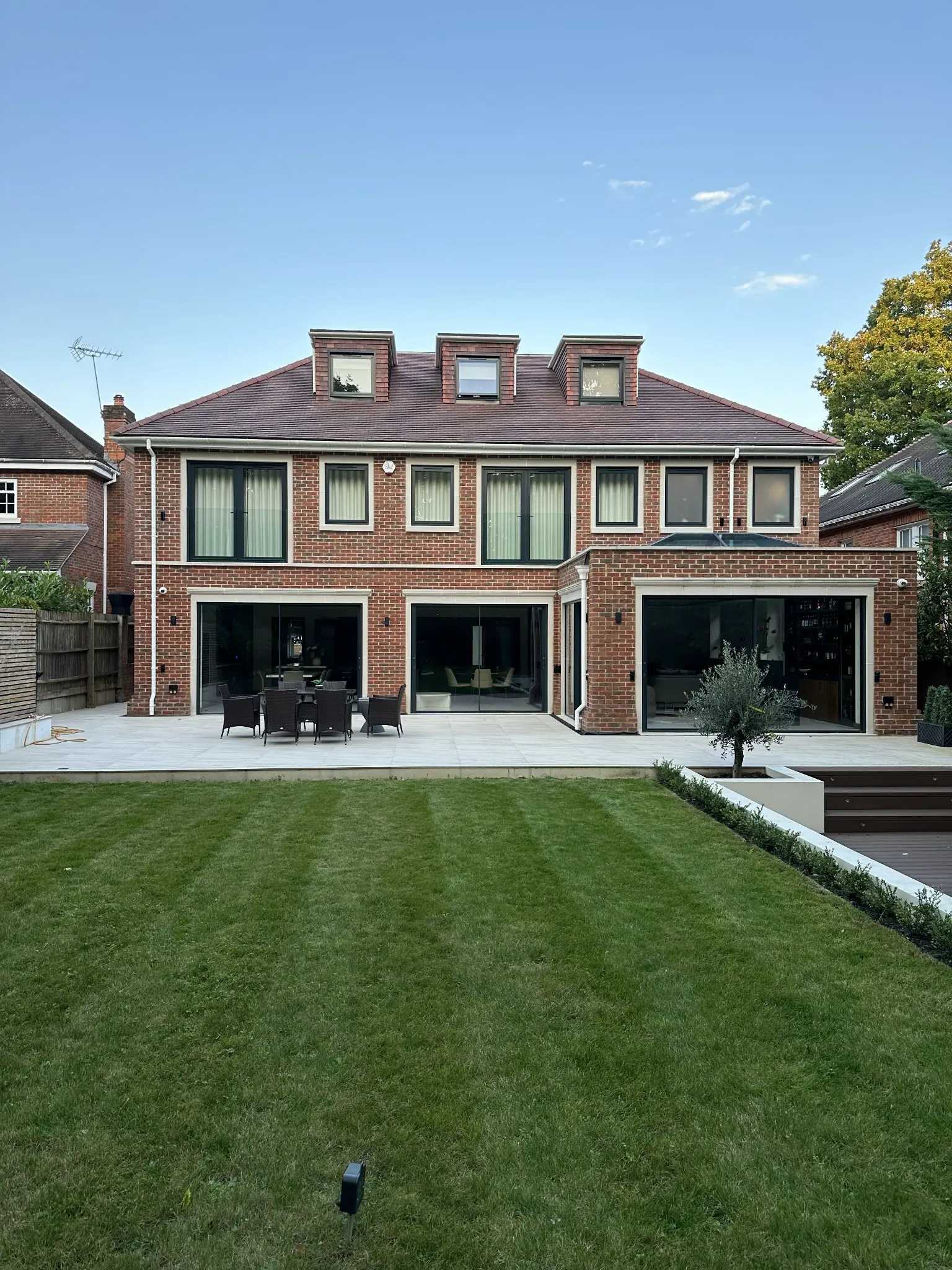
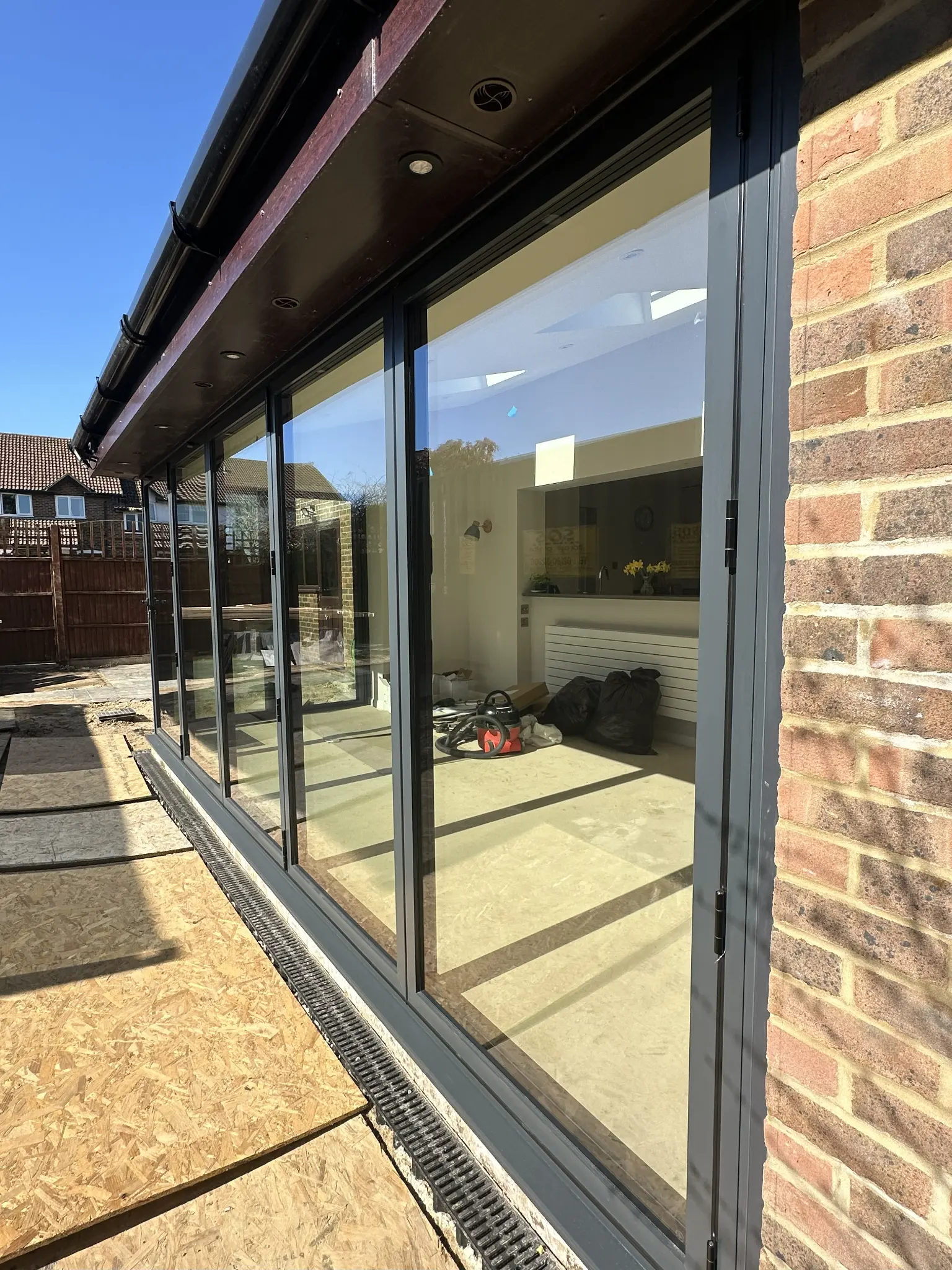
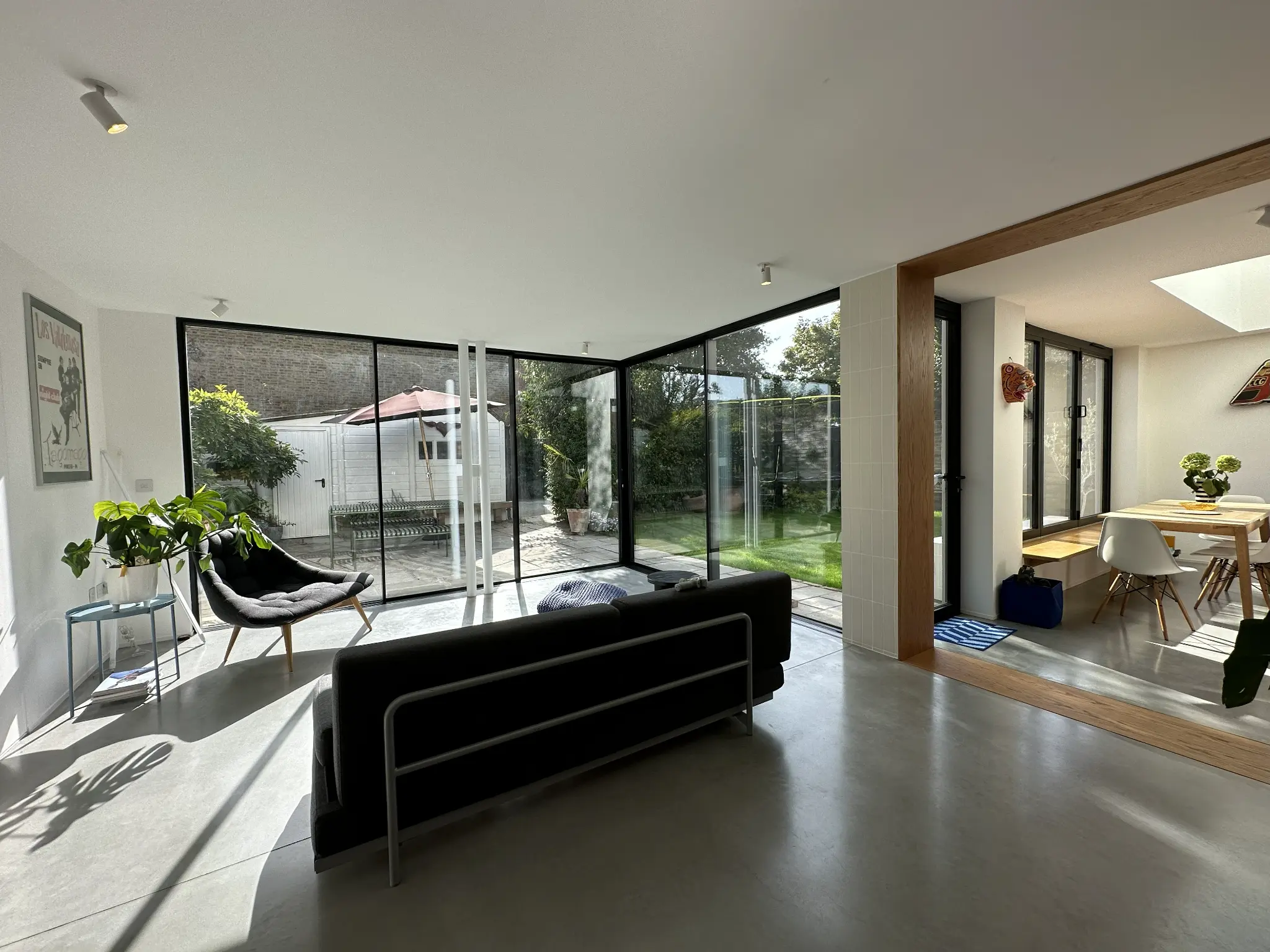
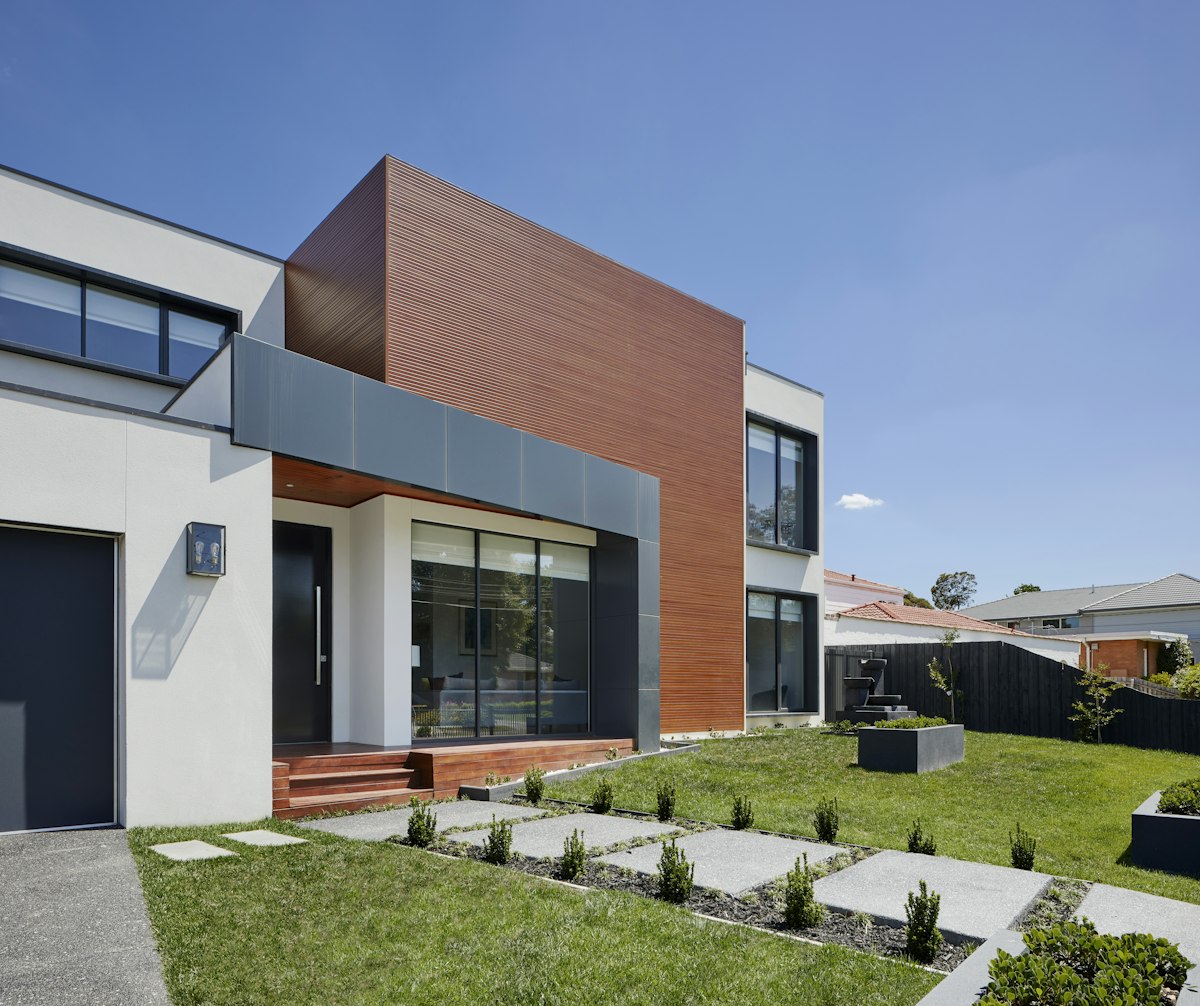
Floor-to-ceiling windows, often referred to as full-height glazing, are a defining feature of modern architecture, offering unparalleled natural light and seamless connections between indoor and outdoor spaces. However, integrating such large elements into a UK home requires careful consideration of structural integrity, thermal performance, and compliance with stringent Building Regulations.
This comprehensive guide provides UK homeowners with the essential technical knowledge needed to plan, specify, and install floor-to-ceiling windows successfully.
Design and Structural Considerations
The transition from standard window openings to full-height glazing fundamentally changes the demands on the building envelope. Unlike conventional windows that sit within pre-existing wall structures, floor-to-ceiling installations often replace significant portions of the load-bearing wall.
Framing Systems and Aesthetics
The choice of framing material significantly impacts both the thermal performance and the aesthetic outcome. For large spans, strength and minimal sightlines are key.
- Aluminium: Highly favoured for floor-to-ceiling applications due to its strength-to-weight ratio. It allows for extremely thin frames (minimal sightlines), maximising the glass area. Modern aluminium systems incorporate sophisticated thermal breaks to mitigate conductivity.
- Timber/Composite: Offers excellent natural insulation properties but frames tend to be thicker than aluminium. Composites (aluminium clad timber) offer the best of both worlds: durable, low-maintenance exterior and warm interior finish.
- uPVC: Generally not suitable for the largest spans required for true floor-to-ceiling installations due to inherent structural limitations and bulkier frames.
Load Bearing and Lintels
Removing a large section of wall requires installing a suitable structural support (a lintel or steel beam) above the opening to carry the load of the structure above (roof, upper floors, etc.).
Crucial Step: Always engage a qualified Structural Engineer early in the design process. They will calculate the necessary size and specification of the steelwork (often a steel I-beam or similar) to ensure the stability of the building. The deflection (movement) of the lintel under load must be minimal to prevent stress on the large glass units, which could lead to cracking or seal failure.
Access and Installation
Handling and installing large glass units requires specialist equipment. Full-height panels are extremely heavy and fragile. Installation often necessitates the use of cranes or specialist glass vacuum lifters, which must be factored into the project logistics and budget, especially if access to the site is restricted.
Thermal Performance and UK Building Regulations
In the UK, large areas of glazing pose a significant challenge to maintaining thermal efficiency. Compliance with Part L (Conservation of Fuel and Power) of the Building Regulations is mandatory for new builds and extensions.
Understanding U-Values
The U-value measures how effectively a component (like a window) prevents heat loss. The lower the U-value, the better the insulation. For glazing, the U-value applies to the entire unit (glass and frame).
Under the current 2022 Building Regulations (England):
- New Dwellings/Extensions: The limiting U-value for windows and doors is 1.2 W/m²K.
- Replacement Windows: The limiting U-value is 1.4 W/m²K.
For floor-to-ceiling windows, achieving 1.2 W/m²K often requires high-specification glazing.
The Role of Glazing Specification
To meet these demanding U-values, standard double glazing is often insufficient, particularly when the overall area of glazing is vast. Options include:
- High-Performance Double Glazing: Utilising low-emissivity (Low-E) coatings and argon gas filling.
- Triple Glazing: Incorporating three panes of glass and two gas-filled cavities. This significantly improves thermal performance but adds weight and cost.
- Warm Edge Spacers: Replacing standard aluminium spacers within the sealed unit with composite materials reduces heat transfer at the edges of the glass.
Pro Tip
When designing an extension with extensive glazing, you must consider the Area Weighted Average U-Value. If your glazing area exceeds 25% of the total floor area of the extension, you must prove compliance through the Target Fabric Energy Efficiency (TFEE) calculation, ensuring the overall heat loss of the extension remains compliant. This often means compensating for the large windows by insulating the walls, floor, and roof to U-values significantly better than the minimum requirement (e.g., walls at 0.18 W/m²K).
Safety, Security, and Maintenance
Large format glazing requires specific safety measures, particularly concerning human impact and security.
Impact Safety (Part K)
Building Regulations Part K (Protection from falling, collision and impact) mandates that glazing in critical locations must be robust enough to withstand impact without creating dangerous shards.
- Critical Locations: Any glazing within 800mm of floor level (which floor-to-ceiling windows inherently are) and glazing near doors.
- Requirement: All floor-to-ceiling glass must be toughened or laminated safety glass. Toughened glass shatters into small, blunt fragments, while laminated glass remains intact upon impact due to a plastic interlayer.
Security
Large glass panels can be perceived as a security risk. Modern systems mitigate this through:
- Laminated Glass: Provides a higher level of resistance to forced entry than standard toughened glass.
- Multi-Point Locking Systems: Essential for opening sections (sliding or pivot doors).
- Secured Frames: Ensuring the frames are mechanically fixed and cannot be easily prised open.
Maintenance and Cleaning
Cleaning very tall windows requires planning. For external cleaning, especially on upper floors, professional window cleaning services or integrated cleaning systems may be necessary. Consider specifying glass with self-cleaning coatings (hydrophilic and photocatalytic) to reduce maintenance frequency.
Glazing Specification Comparison Table
Selecting the right glazing is crucial for balancing cost, performance, and weight.
| Specification | Typical U-Value (W/m²K) | Primary Benefit | Drawback | Suitability for UK Floor-to-Ceiling |
|---|---|---|---|---|
| Standard Double Glazing (Air filled) | 2.5 - 2.8 | Low Cost | Poor thermal performance | Not compliant with Part L 2022 |
| High-Performance Double Glazing (Low-E, Argon) | 1.2 - 1.4 | Meets replacement standards | May struggle to meet new build standards (1.2) over large areas | Suitable for replacements/smaller areas |
| Triple Glazing (Low-E, Argon/Krypton) | 0.8 - 1.0 | Excellent thermal insulation | High cost, significant weight, thicker frames | Ideal for maximising thermal efficiency |
| Vacuum Insulated Glazing (VIG) | 0.4 - 0.7 | Ultra-slim, exceptional performance | Very high cost, limited availability/size | Niche high-end projects |
Practical Considerations and Mitigations
While aesthetically pleasing, floor-to-ceiling windows introduce practical challenges that must be addressed during the design phase.
Solar Gain and Overheating
In the UK, while heat loss is the primary concern, excessive solar gain (overheating) during summer months can be a serious issue, especially for south-facing elevations.
- Mitigation: Specify solar control coatings on the glass. These coatings reflect a portion of the sun's energy while still allowing visible light through. External shading (e.g., overhangs, brise soleil, or external blinds) is the most effective way to manage solar gain.
Condensation
Large glass surfaces are prone to condensation, particularly in highly insulated homes where humidity levels are higher. Condensation occurs when warm, moist air meets a cold surface.
- Mitigation: Ensure adequate ventilation (mechanical ventilation with heat recovery – MVHR – is highly recommended). Using high-performance frames with excellent thermal breaks and low U-value glass keeps the internal surface temperature higher, reducing the likelihood of condensation.
Privacy and Light Control
Full-height glazing sacrifices privacy. Solutions include:
- Integrated Blinds: Blinds sealed within the double or triple glazed unit, offering dust-free, maintenance-free privacy control.
- Automated Curtains/Blinds: Essential for very tall windows, allowing easy control of light and privacy.
- Electrochromic Glass: Glass that can change opacity electronically, offering instant privacy control (high cost).
Maximized Natural Light
Dramatically increases daylight penetration, reducing the need for artificial lighting and improving well-being.
Enhanced Views
Creates an uninterrupted connection to the outside environment, blurring the lines between the interior and the garden or landscape.
Increased Property Value
A highly desirable architectural feature that significantly elevates the perceived quality and modernity of a property.
Architectural Statement
Allows for sophisticated, contemporary design that showcases structural elements and clean lines.
The Planning and Regulatory Process
Before committing to floor-to-ceiling glazing, homeowners must understand the regulatory hurdles.
Planning Permission
If you are installing floor-to-ceiling windows as part of a new extension or new build, Planning Permission will almost certainly be required. Even if you are replacing existing windows, if the change significantly alters the external appearance of the property (e.g., changing a small window to a full-height one), you may need permission, especially in Conservation Areas or for Listed Buildings.
Building Control Approval
Regardless of Planning Permission, Building Control approval is mandatory for any structural alterations or changes to the thermal envelope of the dwelling. This ensures compliance with:
- Part A (Structure): Ensuring the new lintel/steelwork is adequate.
- Part L (Thermal Efficiency): Ensuring the U-values meet the required standards.
- Part K (Safety Glazing): Ensuring the glass is toughened or laminated in critical zones.
It is highly recommended to appoint an Approved Inspector or consult your Local Authority Building Control department before work commences.
Expert Glazing Solutions
Integrating large-scale architectural glazing successfully requires specialist expertise that understands the unique pressures of the UK climate and regulatory environment.
At Shard AG, we specialise in designing, engineering, and installing high-performance floor-to-ceiling window systems. Our solutions utilise thermally broken aluminium and advanced triple glazing specifications to ensure compliance with the latest 2022 Part L regulations while delivering stunning, minimalist aesthetics. We work closely with structural engineers and architects from the initial concept stage to guarantee seamless integration and optimal performance for your project.