


For UK homeowners, improving the energy efficiency of a property is crucial not only for reducing utility bills but also for enhancing comfort and meeting modern environmental standards. While insulation in walls and roofs often receives attention, the performance of your windows and doors – collectively known as architectural glazing – plays a monumental role in heat retention and thermal performance.
This guide delves into the technical aspects of energy-efficient glazing, focusing specifically on the metrics and regulations relevant to properties in England and Wales, ensuring you make informed decisions about your home improvements.
Understanding U-Values: The Measure of Efficiency
The primary metric used to assess the thermal performance of any building component, including glazing, is the U-value (or thermal transmittance). Simply put, the U-value measures how quickly heat transfers through a structure. It is expressed in Watts per square metre Kelvin (W/m²K).
- Lower is Better: A lower U-value indicates better insulation and less heat loss.
- Context Matters: A solid, well-insulated wall might achieve a U-value of 0.18 W/m²K, while older single-pane glass might have a U-value exceeding 5.0 W/m²K.
When evaluating a window or door, the U-value quoted should ideally be the overall system U-value (Uw), which accounts for the performance of the glass unit (Ug), the frame material, and the thermal spacer bars used.
How Modern Glazing Achieves Low U-Values
Achieving the stringent U-values required by current regulations involves combining several technologies:
- Low-Emissivity (Low-E) Coatings: A microscopically thin, virtually invisible metallic coating is applied to one of the inner glass surfaces (typically surface 3 in a double-glazed unit). This coating reflects internal long-wave heat energy (radiant heat) back into the room while allowing short-wave light energy (sunlight) to pass through.
- Insulating Gas Fill: Instead of filling the gap between the panes with standard air, inert gases like Argon or Krypton are used. These gases are denser than air and significantly reduce heat transfer via convection within the cavity. Argon is standard for most high-performance units, while Krypton is used for very narrow gaps or extremely low U-values (e.g., in some triple glazing).
- Warm Edge Spacer Bars: Traditional aluminium spacer bars (the component separating the glass panes) are highly conductive and create a thermal bridge at the edge of the unit. Modern warm edge spacers are made from composite materials or structural foam, drastically reducing heat loss at the perimeter and improving the overall Uw.
Pro Tip
When comparing glazing quotes, always ensure the U-value provided is the overall window Uw value, not just the centre-pane Ug value. The frame and spacer bars are crucial factors that can significantly raise the overall U-value if they are poor quality.
UK Building Regulations Part L (2022): Compliance for Glazing
In England, the minimum performance standards for energy efficiency are governed by Part L (Conservation of Fuel and Power) of the Building Regulations. The 2022 update introduced significantly stricter requirements, reflecting the UK's commitment to reducing carbon emissions.
Required U-Values for Glazing (England, 2022 Standards)
Meeting these standards is mandatory for all new builds, extensions, and replacement installations, unless the work falls under specific exemptions.
| Application | Maximum U-Value (W/m²K) | Notes |
|---|---|---|
| New Dwellings (Windows/Doors) | 1.2 | Applies to all windows, rooflights, and glazed doors in new homes. |
| Replacement Windows/Doors | 1.4 | Applies when replacing existing windows or doors in an existing dwelling. |
| New Extensions (Glazing) | 1.4 | Applies to glazing installed as part of a new extension. |
| New Extensions (Opaque Walls) | 0.18 | For reference: the required standard for the main wall structure. |
It is important to note that if you are installing a large amount of glazing in an extension (exceeding 25% of the floor area), you may need to demonstrate compliance using the Target Fabric Energy Efficiency (TFEE) method, which requires balancing the heat loss through glazing with higher insulation elsewhere in the structure.
Double vs. Triple Glazing: A Practical Comparison
While double glazing is the standard minimum required to meet the 1.4 W/m²K replacement standard, triple glazing offers superior performance, particularly in very exposed locations or where extremely low U-values are desired.
Double Glazing (High Performance)
Modern double-glazed units typically use two panes of glass, Low-E coating, Argon gas, and warm edge spacers. They can comfortably achieve U-values between 1.0 and 1.4 W/m²K, making them compliant with current regulations and highly effective for most UK homes.
Triple Glazing
Triple glazing uses three panes of glass, two separate cavities (both filled with inert gas), and usually two Low-E coatings. This configuration dramatically reduces heat transfer, often achieving U-values as low as 0.6 to 0.8 W/m²K.
- Pros of Triple Glazing: Superior thermal insulation, excellent sound reduction (acoustic performance), and reduced condensation risk.
- Cons of Triple Glazing: Higher initial cost, increased weight (requiring stronger frames and fittings), and slightly reduced solar gain and light transmission compared to standard double glazing.
For most standard replacement projects, high-performance double glazing offers the best balance of cost, weight, and thermal efficiency. Triple glazing is often specified for Passivhaus standards, new builds aiming for exceptional performance, or homes in extremely cold or noisy environments.
Frame Materials and Thermal Bridging
The best glass unit in the world will perform poorly if housed in an inefficient frame. The frame material and its design are critical components of the overall Uw value.
- uPVC (Unplasticised Polyvinyl Chloride): Highly popular due to its cost-effectiveness and low maintenance. Modern uPVC frames incorporate multiple internal chambers and often steel reinforcement, but crucially, they must include thermal breaks or chambers to prevent heat loss through the material itself.
- Timber: Naturally insulating, timber frames offer excellent thermal performance and aesthetic appeal. They require regular maintenance (painting/staining) but are highly durable.
- Aluminium: Aluminium is inherently conductive, meaning it requires sophisticated engineering to achieve low U-values. High-performance aluminium frames incorporate a substantial polyamide thermal break (a non-metallic barrier) inserted between the internal and external sections of the frame. Without a quality thermal break, aluminium frames cannot meet current Part L standards.
- Composite (Timber/Aluminium): Combining the low maintenance and durability of external aluminium cladding with the natural insulation and warmth of an internal timber structure, these offer excellent thermal performance but come at a premium cost.
Thermal bridging occurs wherever there is a continuous path for heat to escape, often around the edges of the frame or where the frame meets the wall structure. Proper installation, including the use of expanding foam or insulation tapes, is essential to seal these gaps and ensure the installed U-value matches the product U-value.
Solar Gain and Overheating Considerations
While maximising heat retention is key in the UK climate, excessive solar gain (heat entering the property through the glass from the sun) can lead to uncomfortable overheating, particularly in modern, highly insulated homes or large south-facing glazed areas.
The measure for this is the G-value (Solar Heat Gain Coefficient). A G-value of 1.0 means 100% of solar energy passes through; a G-value of 0.3 means only 30% passes through.
- Standard Glazing: Typically has a G-value around 0.7 to 0.75.
- Solar Control Glazing: Uses specific coatings designed to reflect a greater proportion of solar radiation, resulting in G-values often between 0.3 and 0.5.
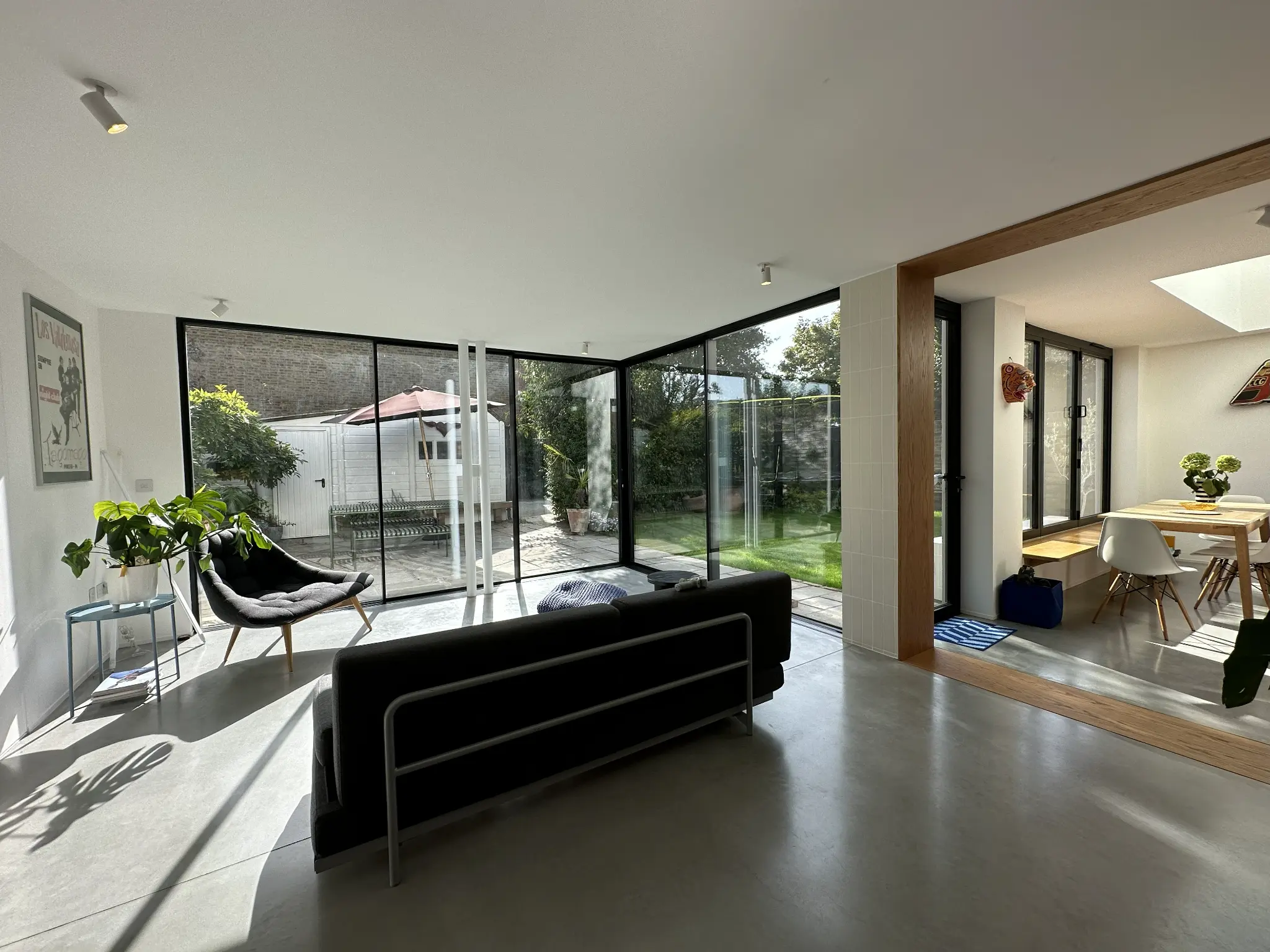
If you are planning large expanses of glass, especially bi-folding doors or large picture windows on the south or west elevation, consulting a professional about solar control glass is highly advisable to mitigate the risk of overheating during summer months.
Reduced Energy Bills
High-performance glazing minimises heat loss, reducing the need for continuous heating and lowering annual gas or electricity consumption.
Enhanced Comfort
By keeping the internal surface temperature of the glass higher, cold spots and draughts are eliminated, creating a more stable and comfortable internal environment.
Lower Condensation Risk
Warmer internal glass surfaces prevent moisture in the air from condensing, reducing the risk of damp and mould around window frames.
Improved Property Value
Energy-efficient installations are highly valued by prospective buyers and contribute positively to the property's Energy Performance Certificate (EPC) rating.
Ensuring Compliance and Quality Installation
When undertaking replacement glazing work, compliance with Part L is typically demonstrated in one of two ways:
- Competent Person Schemes (e.g., FENSA or CERTASS): If the installer is registered with a government-authorised scheme, they can self-certify that the work meets Building Regulations. They will issue a certificate of compliance directly to the homeowner.
- Local Authority Building Control: If the installer is not registered, or if the work is part of a larger extension or new build, you must notify your local authority Building Control before work commences. They will inspect the work and issue the final compliance certificate.
Failure to obtain the correct compliance certificate can cause significant issues when selling the property later on. Always confirm the compliance route with your chosen installer before signing a contract.
***
A Note from Shard AG:
Achieving optimal energy efficiency requires precision engineering and expert installation. At Shard AG, we specialise in supplying and installing high-performance architectural glazing solutions across the UK, ensuring every project meets or exceeds the stringent requirements of UK Building Regulations Part L (2022). Our focus is on delivering bespoke glazing systems, including advanced thermal break aluminium and high-specification double and triple glazing, tailored to your property's specific thermal and aesthetic needs.