


Adding natural light from above can be transformative, dramatically altering the atmosphere and perceived size of a room. For UK homeowners undertaking extensions, loft conversions, or renovations, rooflights and skylights offer an elegant solution to maximise daylight penetration.
While often used interchangeably, the term 'skylight' typically refers to a pre-fabricated unit installed on a pitched roof, whereas 'rooflight' is a broader term encompassing flat roof solutions, bespoke glazing structures, and sometimes the entire category. Regardless of the terminology, understanding the technical specifications, installation requirements, and compliance with UK Building Regulations is crucial for a successful project.
Understanding Rooflight Types and Terminology
Choosing the right type of overhead glazing depends heavily on the roof structure, pitch, and aesthetic goals.
Flat Roof Solutions
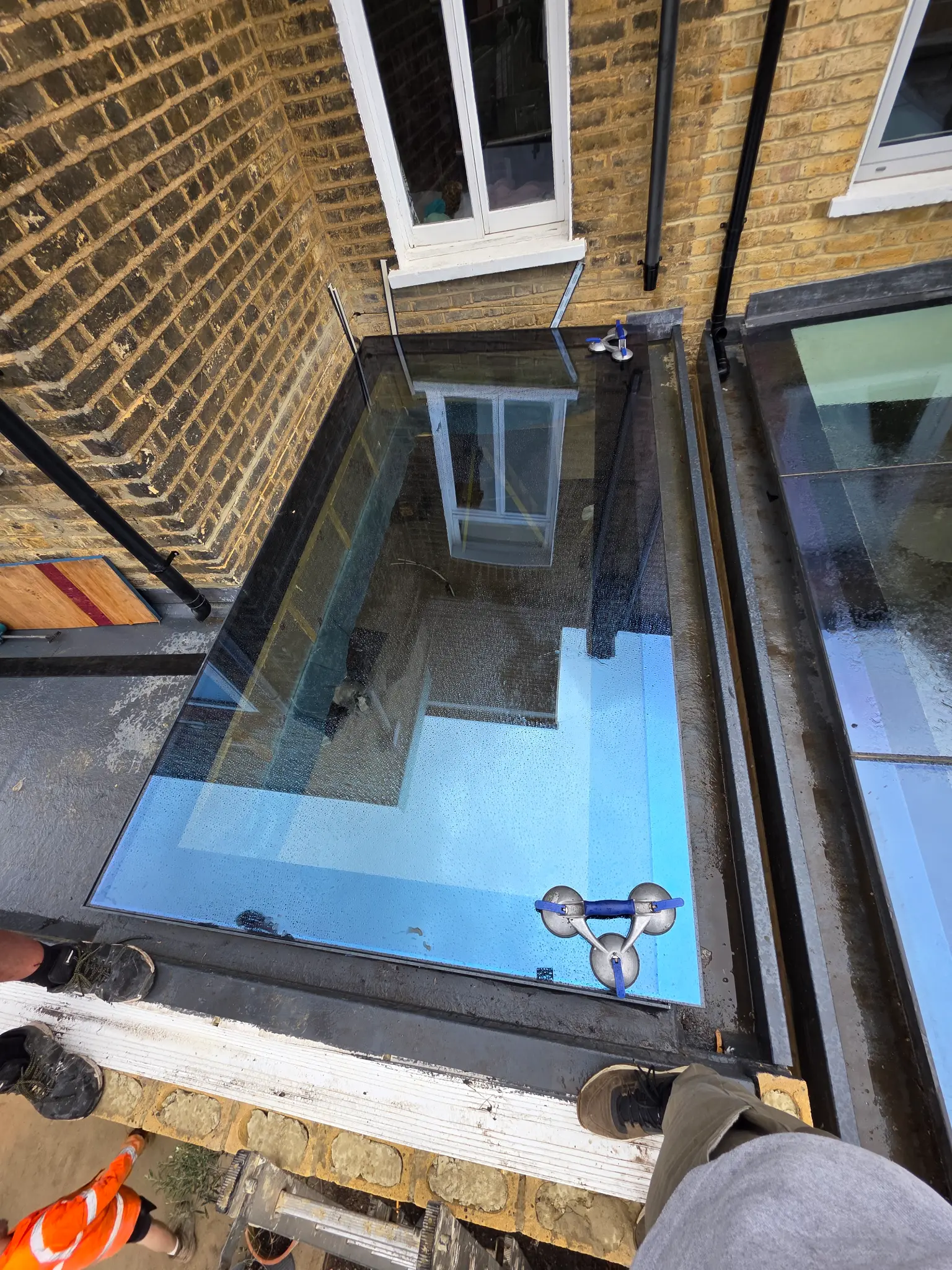
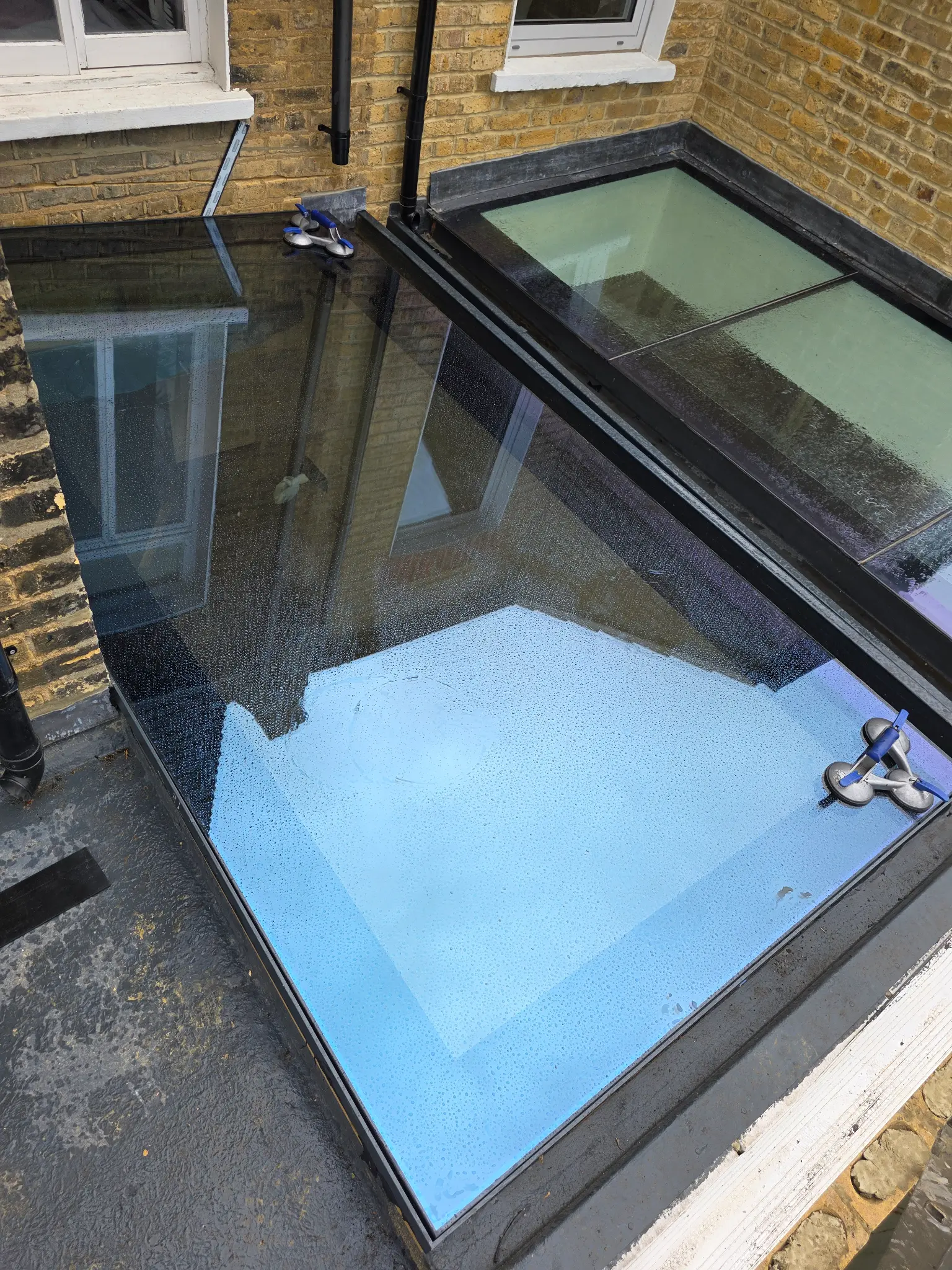
- Flat Rooflights (Fixed or Opening): Designed for roofs with a pitch of 0-15 degrees. These often feature a slightly raised kerb to ensure water run-off and are crucial for bringing light into single-storey extensions or basements with light wells.
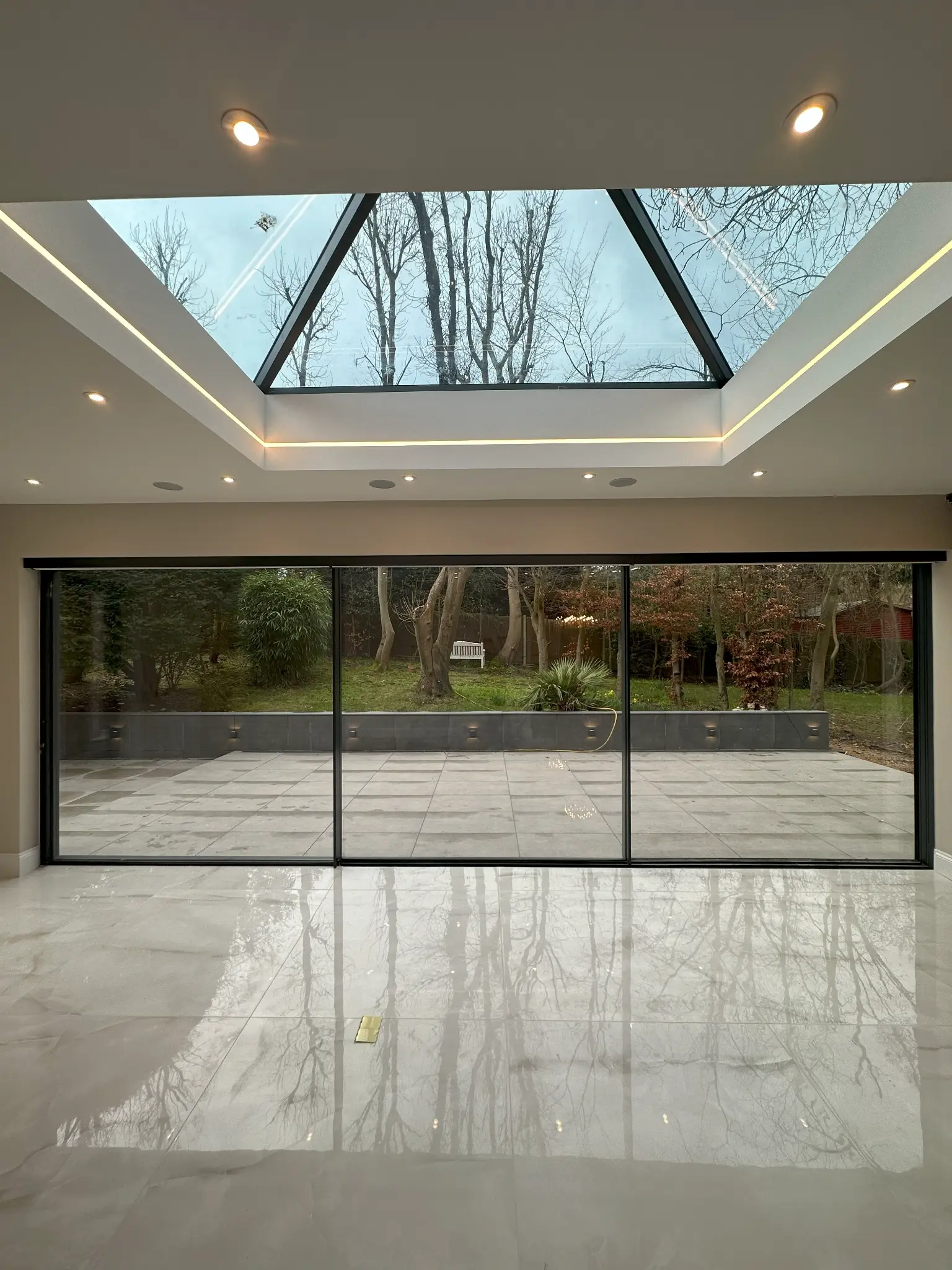
- Lantern Rooflights: Pyramid or rectangular structures that sit above the roofline. They provide a dramatic architectural feature, often used over kitchens or dining areas, offering excellent multi-directional light.
- Walk-on Rooflights: Highly specialised, reinforced units designed to be flush with a terrace or balcony surface, allowing them to be walked upon safely. They typically require laminated and toughened glass for maximum safety and load bearing.
Pitched Roof Solutions (Skylights)
- Conservation Rooflights: Designed to mimic traditional cast-iron windows, often required in conservation areas or on listed buildings. They usually sit flush with the roofline and have a central glazing bar.
- Pivoting/Centre-Hung Skylights: The most common type, where the window rotates around a central pivot point, ideal for ventilation and easy cleaning.
- Top-Hung Skylights: Open outwards from the top hinge, offering unobstructed views when open.
Building Regulations Compliance and Thermal Performance (Part L)
Any structural alteration or installation of new glazing in a dwelling must comply with the relevant sections of the UK Building Regulations, particularly Part L (Conservation of Fuel and Power).
Thermal Performance (U-Values)
The U-value measures how effectively a building element (like a window or rooflight) prevents heat from escaping. The lower the U-value, the better the thermal insulation. Following the 2022 revisions to Part L (England), the required standards for glazing are stringent:
- New Dwellings/Extensions: The U-value for windows and doors (including rooflights) should not exceed 1.2 W/m²K.
- Replacement Glazing (Existing Dwellings): The U-value for replacement windows and doors must not exceed 1.4 W/m²K.
It is essential that the rooflight unit's declared U-value (measured as the whole product, including the frame) meets or exceeds these standards. High-performance rooflights achieve this through features like triple glazing, warm edge spacers, and thermally broken frames.
Ventilation and Safety
Part F (Ventilation) and Part K (Protection from Falling, Collision and Impact) are also relevant. If the rooflight is the sole source of ventilation, it must be adequate. Furthermore, if the rooflight is installed in a location where it poses a risk of falling (e.g., above 5m or near a walking surface), the glass must be laminated internally for safety.
Pro Tip
When comparing rooflight specifications, always check if the stated U-value is the Ug (glazing only) or the Uw (whole window/rooflight). Only the Uw value is used for Building Control compliance, as it accounts for the less insulating frame material.
Glazing Specification and Materials
The performance and longevity of a rooflight are heavily dependent on the glass specification and the frame material.
Glass Types
- Toughened Glass: Standard safety glass. If broken, it shatters into small, relatively harmless pieces. Required for the outer pane of most rooflights.
- Laminated Glass: Features a plastic interlayer (PVB) between two panes of glass. If broken, the fragments adhere to the interlayer, preventing the glass from falling. Required for the inner pane of overhead glazing for safety.
- Low-E Coatings: Microscopic metallic layers applied to the glass surface to reflect heat back into the room during winter while allowing light in.
- Solar Control Glass: Designed to limit solar gain (overheating) during summer months, crucial for south-facing installations or large glazed areas.
Frame Materials
The frame must be robust and thermally efficient:
- Aluminium: Highly durable, lightweight, and allows for slim sightlines. Must incorporate a thermal break (a non-conductive barrier) to prevent heat transfer and condensation.
- uPVC: Cost-effective and offers good thermal performance, but sightlines may be thicker than aluminium.
- Timber: Excellent natural insulator, often used in conservation areas, but requires regular maintenance.
Installation and Design Considerations
Proper installation is paramount to prevent leaks, thermal bridging, and structural issues.
The Importance of the Upstand (Kerb)
For flat roof installations, the rooflight must sit on an upstand or kerb. This serves several critical functions:
- It raises the unit above the finished roof level, preventing standing water from pooling against the seals.
- It allows for the proper termination and waterproofing of the roofing membrane (e.g., felt, EPDM) beneath the frame.
- It provides the necessary structural support and thermal break between the roof structure and the rooflight frame.
The height of the upstand should typically be a minimum of 150mm above the finished roof surface, though specific manufacturer guidelines should always be followed.
Preventing Condensation
Condensation occurs when warm, moist internal air meets a cold surface. While high-performance glazing and thermally broken frames significantly reduce this risk, managing internal humidity is also vital. Ensure the room has adequate ventilation, especially in kitchens and bathrooms.
Access and Maintenance
Consider how the rooflight will be cleaned. If it is inaccessible from inside, choosing an opening unit or one with self-cleaning glass may be beneficial. For large, fixed units on flat roofs, external access via a ladder or balcony may be necessary for periodic cleaning.
Technical Comparison: Common Rooflight Specifications
This table outlines typical specifications for different types of high-performance rooflights suitable for modern UK extensions.
| Feature | Flat Rooflight (Fixed) | Lantern Rooflight | Pitched Skylight (Centre-Pivot) |
|---|---|---|---|
| Typical Application | Extensions, light wells, single-storey rooms | Kitchens, dining areas, architectural features | Loft conversions, pitched extensions |
| Minimum Pitch | 0° (Must be installed on 3-5° kerb) | 5° - 45° (Varies by design) | 15° (Minimum for weather tightness) |
| Frame Material | Thermally broken Aluminium or uPVC | Thermally broken Aluminium | Timber core with external cladding (e.g., aluminium) |
| Required Uw Value (New Build) | < 1.2 W/m²K | < 1.2 W/m²K | < 1.2 W/m²K |
| Internal Safety Glazing | Laminated (Mandatory) | Laminated (Mandatory) | Laminated (Mandatory) |
| Solar Control Options | High (Recommended for large areas) | High (Essential due to volume) | Medium |
Maximised Daylight
Rooflights deliver up to three times more light than vertical windows of the same size, dramatically reducing the need for artificial lighting during the day.
Improved Ventilation
Opening rooflights allow warm air to escape efficiently via the 'stack effect,' providing excellent passive cooling and improving air quality.
Architectural Impact
They transform dark spaces into bright, modern areas, adding significant visual appeal and perceived value to the property.
Energy Efficiency
Modern, high-specification rooflights meet stringent Part L requirements, ensuring minimal heat loss and contributing positively to the dwelling's energy performance.
Cost, Planning Permission, and Professional Advice
The total cost of installing a rooflight is highly variable, depending on size, glazing specification (double vs. triple, solar control), frame material, and complexity of installation (flat roof vs. existing pitched roof structure).
Planning Permission
In most cases, installing rooflights or skylights under Permitted Development Rights does not require a full planning application, provided the following criteria are met:
- They do not project more than 150mm above the plane of the roof slope.
- They are not higher than the highest part of the existing roof.
- In designated areas (e.g., Conservation Areas, National Parks), side-facing rooflights must be obscured or non-opening unless the opening is more than 1.7m above the floor.
However, if you are undertaking a major extension or conversion, or if your property is listed, you must consult your Local Planning Authority (LPA).
Structural Considerations
Installing a rooflight involves cutting into the roof structure, which requires careful consideration of the existing rafters and structural integrity. For larger installations, particularly flat rooflights or lanterns, structural calculations may be necessary to ensure the remaining structure can support the loads. Always use an experienced installer or structural engineer.
Conclusion and Expert Glazing Services
Rooflights and skylights are an investment that pays dividends in light, space, and atmosphere. By focusing on thermal performance (U-values below 1.2 W/m²K for new work), safety glass specifications (laminated inner pane), and professional installation onto correctly constructed upstands, UK homeowners can ensure their overhead glazing is compliant, durable, and aesthetically pleasing.
If you are planning an extension or renovation project and require expert advice on specifying high-performance, compliant architectural glazing, including bespoke flat rooflights, large-format skylights, or dramatic lantern rooflights, consulting with specialists is highly recommended. Choosing a supplier with deep knowledge of UK Building Regulations and thermal performance requirements ensures peace of mind and a superior finished result.