


Achieving Peace: Your Guide to Acoustic Glazing for UK Homes
Discover how acoustic glazing can transform your home into a tranquil sanctuary. Learn about sound insulation, U-values, UK Building Regulations, and choosing the right windows.

Shard Architectural Glazing
13 February 2026
Discover how acoustic glazing can transform your home into a tranquil sanctuary. Learn about sound insulation, U-values, UK Building Regulations, and choosing the right windows.
📋In This Article
In our increasingly busy world, the sanctity of a quiet home has become more valuable than ever. Whether you live near a bustling road, a railway line, an airport, or simply have noisy neighbours, unwanted external sounds can significantly impact your comfort, concentration, and overall well-being. This is where acoustic glazing for windows comes into its own, offering a sophisticated solution to mitigate noise pollution.
This comprehensive guide will delve into the science behind sound insulation, explore the various types of acoustic glazing available, discuss relevant UK Building Regulations, and provide practical advice for selecting the best options for your home.
Understanding Sound and Its Transmission
Before we explore solutions, it's crucial to understand how sound travels and penetrates our homes. Sound is essentially a vibration that travels through a medium – air, solid materials, or liquids. When it encounters a window, some of the sound energy is reflected, some is absorbed, and some is transmitted through the material. The goal of acoustic glazing is to minimise the transmitted portion.
The effectiveness of a material in reducing sound transmission is measured by its Sound Reduction Index (SRI), often expressed as Rw (Weighted Sound Reduction Index) in decibels (dB). A higher Rw value indicates better sound insulation. For context, a typical single-glazed window might offer an Rw of around 20-25 dB, while a good acoustic double-glazed unit can achieve 35-40 dB, and specialist units even higher.
Key factors influencing sound transmission through windows include:
- Mass: Heavier, denser materials generally block sound more effectively.
- Stiffness: Stiffer materials can transmit vibrations more readily.
- Damping: Materials that dissipate vibrational energy (e.g., laminated glass interlayers) are excellent for sound reduction.
- Air Gaps: The width and configuration of air (or gas) gaps in double or triple glazing play a critical role.
- Seals: Gaps around the window frame are significant sound leaks. High-quality seals are paramount.
Types of Acoustic Glazing Solutions
Several types of glazing are designed to enhance sound insulation, each with its own benefits and considerations.
1. Laminated Glass
Laminated glass is a highly effective acoustic solution. It consists of two or more panes of glass bonded together with one or more layers of a polyvinyl butyral (PVB) interlayer. This interlayer acts as a damping material, absorbing sound vibrations and preventing them from passing through the glass. The thickness and type of PVB can be varied to target specific noise frequencies.
- Pros: Excellent sound reduction, enhanced security (as it holds together when broken), UV protection.
- Cons: Can be heavier and more expensive than standard glass.
2. Asymmetric Double Glazing
Standard double glazing uses two panes of glass of the same thickness (e.g., 4mm/16mm cavity/4mm). Asymmetric double glazing uses panes of different thicknesses (e.g., 6mm/16mm cavity/4mm or 8mm/16mm cavity/4mm). This variation helps to disrupt the sound waves, preventing them from resonating at the same frequency and thereby reducing sound transmission.
- Pros: Improved sound insulation over standard double glazing, often a good balance of cost and performance.
- Cons: Still limited by the overall unit thickness and frame compatibility.
3. Wider Cavities and Gas Fills
Increasing the air gap between panes in a double-glazed unit can improve sound insulation, up to a point. However, too wide a gap can lead to convection currents and reduce thermal performance. Filling the cavity with a heavier inert gas like Argon or Krypton (primarily for thermal insulation) can also offer a marginal improvement in acoustic performance, though its primary benefit is U-value.
- Pros: Can be combined with other acoustic measures.
- Cons: Very wide cavities can impact thermal performance without careful design.
4. Secondary Glazing
Secondary glazing involves adding a discreet, independent window frame to the inside of your existing window. This creates a large air gap between the original window and the new secondary pane, which is highly effective for sound reduction. It's particularly popular in conservation areas where original windows cannot be replaced.
- Pros: Exceptional sound insulation (often 45dB+), preserves original windows, good thermal benefits.
- Cons: Can alter the aesthetic of the original window, requires additional space, may reduce ease of cleaning.
Pro Tip
For optimal acoustic performance, consider combining laminated glass with an asymmetric double-glazed unit. For example, an 8.8mm acoustic laminate / 16mm cavity / 4mm standard glass unit can offer a very high level of sound reduction, often exceeding 40 Rw dB.
Thermal Performance and UK Building Regulations
While acoustic performance is your primary concern, it's vital not to overlook thermal efficiency. In the UK, new and replacement windows must comply with Part L (Conservation of Fuel and Power) of the Building Regulations. These regulations specify maximum U-values – a measure of how effectively a material insulates – for different building elements.
The lower the U-value, the better the thermal insulation. Current (2022 England) Building Regulation requirements for windows are:
- New Build Windows/Doors: Maximum U-value of 1.2 W/m²K
- Replacement Windows/Doors: Maximum U-value of 1.4 W/m²K
Most modern acoustic glazing solutions are designed to meet or exceed these thermal requirements. For example, a high-performance acoustic double-glazed unit with a warm edge spacer and an inert gas fill can easily achieve U-values below 1.4 W/m²K, often closer to 1.2 W/m²K or even lower.
It's important to ensure that any proposed acoustic glazing solution not only addresses noise but also contributes to the overall energy efficiency of your home. Always check with your supplier that the U-values of the proposed windows comply with the relevant Building Regulations for your project type (new build or replacement).
Enhanced Comfort
Reduce intrusive noise from traffic, neighbours, or other external sources, creating a more peaceful and relaxing home environment.
Improved Sleep Quality
Minimising noise disturbances can lead to better, uninterrupted sleep, contributing to overall health and well-being.
Increased Property Value
A quieter home is often a more desirable home, potentially increasing its market appeal and value, especially in noisy urban areas.
Better Thermal Efficiency
Many acoustic glazing options also offer excellent thermal insulation, helping to reduce energy bills and improve your home's U-value compliance.
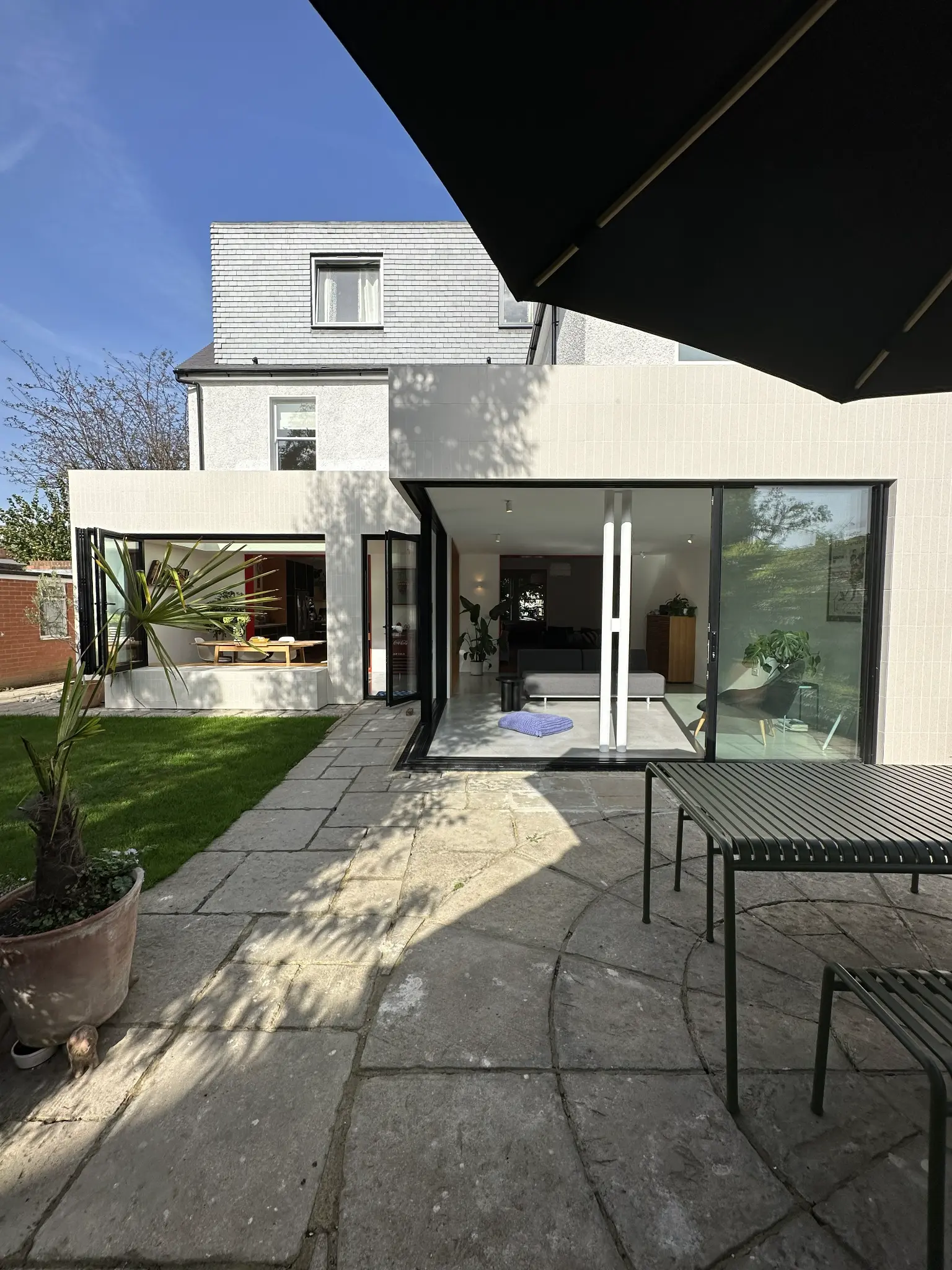
Choosing the Right Acoustic Windows for Your Home
Selecting the ideal acoustic glazing involves several considerations:
1. Identify the Noise Source and Frequency
Different types of noise have different frequencies. Traffic noise (rumble) is typically low-frequency, while human speech or sirens are mid-to-high frequency. Some acoustic glass types are more effective at blocking specific frequency ranges. Understanding your primary noise issue can help tailor the solution.
2. Frame Material and Installation
Even the best acoustic glass will be ineffective if the window frame is poorly designed or installed. Consider:
- Frame Material: UPVC, timber, and aluminium frames all have different acoustic properties. Multi-chambered UPVC frames or solid timber frames can offer good inherent sound damping.
- Seals: High-quality, continuous, and flexible seals (gaskets) are crucial to prevent sound leakage around the opening sashes and fixed lights.
- Installation: Proper installation by experienced professionals is paramount. Gaps between the frame and the wall must be adequately sealed with acoustic sealant and appropriate insulation.
3. Budget Considerations
Acoustic glazing can be a significant investment. Laminated glass, wider cavities, and specialist systems will incur higher costs than standard double glazing. Balance your budget with your desired level of noise reduction.
4. Aesthetics and Functionality
Ensure the chosen windows complement your home's architectural style and meet your functional needs (e.g., ventilation, ease of cleaning). Secondary glazing, for instance, can sometimes impact the aesthetic of period properties.
5. Consult with Experts
An experienced glazing specialist can assess your specific noise problem, recommend appropriate solutions, and provide detailed specifications, including Rw values and U-values, to ensure compliance and satisfaction.
| Glazing Type | Typical Rw (dB) | Typical U-value (W/m²K) | Key Advantages | Key Disadvantages |
|---|---|---|---|---|
| Single Glazing (4mm) | 20-25 | 5.0-5.5 | Low cost, traditional aesthetic | Poor acoustic & thermal performance |
| Standard Double Glazing (4/16/4 air) | 26-30 | 2.7-3.0 | Basic thermal improvement | Limited acoustic performance |
| Standard Double Glazing (4/16/4 Argon) | 28-32 | 1.4-1.6 | Good thermal performance | Moderate acoustic performance |
| Asymmetric Double Glazing (6/16/4 Argon) | 32-35 | 1.2-1.4 | Improved acoustics, good thermal | Heavier than standard DG |
| Laminated Double Glazing (6.8mm lam/16/4 Argon) | 35-38 | 1.2-1.4 | Excellent acoustics, security, good thermal | Higher cost, heavier |
| High-Performance Acoustic DG (8.8mm lam/16/4 Argon) | 38-40+ | 1.2-1.3 | Superior acoustics, security, thermal | Highest cost, heaviest |
| Secondary Glazing (e.g., 6mm glass with 100mm gap) | 40-45+ | ~1.8 (combined) | Exceptional acoustics, preserves original windows | Alters aesthetic, additional frame |
Note: Rw and U-values are indicative and can vary based on specific glass types, coatings, spacer bars, and frame materials.
Beyond the Glass: Other Considerations
While the glass unit is paramount, a holistic approach to sound insulation considers other elements of your home:
- Walls and Roof: Ensure walls and roofs are adequately insulated. Sound can flanking through these elements. UK Building Regulations (2022) specify U-values for new builds and extensions: Walls 0.18 W/m²K, Floors 0.18 W/m²K, Roofs 0.15 W/m²K.
- Ventilation: If you're sealing your home tightly for acoustic reasons, consider controlled ventilation systems (e.g., trickle vents designed for acoustic performance, or mechanical ventilation with heat recovery - MVHR) to maintain good indoor air quality without compromising sound insulation.
- Doors: External doors also need to be robust, well-sealed, and potentially solid core to prevent sound leakage.
Investing in acoustic glazing is an investment in your home's comfort, peace, and potentially its value. By understanding the principles, options, and regulatory requirements, you can make an informed decision that transforms your living space into a tranquil haven.
At Shard AG, we specialise in high-performance architectural glazing solutions tailored for UK homes. Our expert team can guide you through the complexities of acoustic glazing, offering bespoke advice and a range of products designed to meet your specific noise reduction and thermal efficiency needs. We ensure all our installations comply with the latest UK Building Regulations, providing you with a quieter, more comfortable, and energy-efficient home. Contact us today to discuss how we can help you achieve peace and quiet.
Explore Our Products
Discover how Shard Architectural Glazing can transform your home with our premium glazing solutions:
Ready to Transform Your Home?
Get in touch with our expert team for a free consultation and personalised quote. We'll help you choose the perfect glazing solution for your property.