

Garden Room Glazing: Maximising Light, Comfort & Efficiency
Explore garden room glazing options in the UK. Understand glass types, frame materials, and Building Regulations to create a comfortable, energy-efficient space.

Shard Architectural Glazing
14 April 2026
Explore garden room glazing options in the UK. Understand glass types, frame materials, and Building Regulations to create a comfortable, energy-efficient space.
📋In This Article
- Understanding the Role of Glazing in Garden Rooms
- Types of Glazing Units: Double vs. Triple Glazing
- Frame Materials for Garden Room Glazing
- Specialist Glass Options for Enhanced Performance
- UK Building Regulations and Garden Rooms
- Comparison Table: Glazing Options at a Glance
- Conclusion: Making the Right Choice
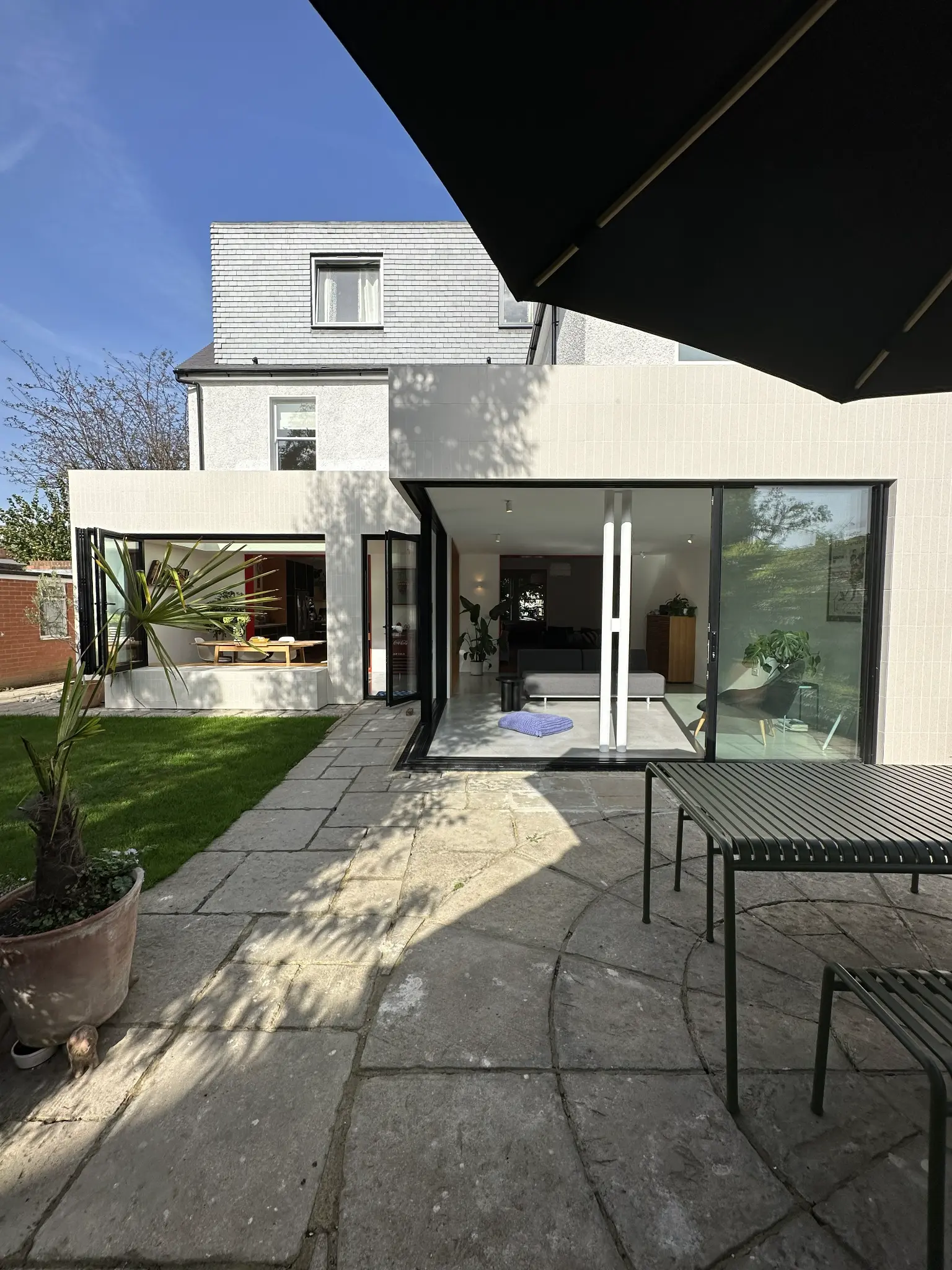
Garden rooms have become an increasingly popular addition to UK homes, offering versatile spaces for home offices, gyms, art studios, or simply a tranquil retreat. While the overall design and construction are crucial, the choice of glazing is perhaps the most impactful decision you'll make. It directly influences natural light, thermal performance, security, acoustics, and the aesthetic appeal of your new garden room. Understanding the various options available, alongside relevant UK Building Regulations, is key to creating a comfortable, energy-efficient, and compliant space.
Understanding the Role of Glazing in Garden Rooms
Glazing is more than just a transparent barrier; it's a critical component that dictates how your garden room interacts with its environment. The right glazing can transform a cold, underutilised space into a warm, inviting haven, even during the colder months. Conversely, poor choices can lead to excessive heat loss, uncomfortable glare, and security vulnerabilities.
Key Considerations for Glazing Choices:
- Thermal Performance: How well the glazing insulates, measured by its U-value. Lower U-values mean better insulation.
- Natural Light: Maximising daylight ingress while controlling glare and UV exposure.
- Security: Protecting your garden room and its contents from intruders.
- Acoustics: Reducing external noise, especially important if your garden room is near a busy road or noisy neighbours.
- Ventilation: Ensuring adequate airflow to prevent condensation and maintain comfort.
- Aesthetics: The visual impact of the glazing on the garden room's design and your property's overall look.
Types of Glazing Units: Double vs. Triple Glazing
The fundamental choice for modern garden room glazing in the UK typically comes down to double or triple glazing. Both consist of multiple panes of glass separated by a sealed cavity, usually filled with an inert gas like argon, to improve thermal insulation.
Double Glazing
Double glazing comprises two panes of glass separated by a spacer bar, creating an airtight cavity. This cavity, often filled with argon gas, significantly reduces heat transfer compared to single glazing. It's the standard for most new builds and extensions in the UK due to its balance of cost and performance.
- Pros: Cost-effective, good thermal performance, widely available, suitable for most garden room applications.
- Cons: Not as thermally efficient as triple glazing, can still experience some heat loss in very cold conditions.
Triple Glazing
Triple glazing features three panes of glass and two sealed cavities, offering superior thermal insulation. Each cavity is typically filled with an inert gas. This option is becoming more popular for those seeking to achieve Passivhaus standards or simply maximise energy efficiency.
- Pros: Excellent thermal performance (very low U-values), superior acoustic insulation, reduced condensation risk.
- Cons: Higher cost, heavier (may require stronger frames and foundations), can slightly reduce natural light transmission due to the extra pane.
Pro Tip
When comparing glazing options, always look at the overall U-value of the complete window or door unit (frame + glass), not just the glass U-value (Ug). The frame can significantly impact the total thermal performance (Uw).
Frame Materials for Garden Room Glazing
The frame material plays a crucial role in the overall performance, durability, and aesthetics of your garden room's glazing. Each material has distinct characteristics.
uPVC (Unplasticised Polyvinyl Chloride)
uPVC remains the most popular choice for windows and doors in the UK due to its affordability and low maintenance.
- Pros: Cost-effective, excellent thermal insulation (multi-chambered profiles), low maintenance (no painting required), available in various colours and finishes.
- Cons: Less rigid than aluminium or timber, can sometimes have a bulkier appearance, not as eco-friendly as timber if not recycled.
Aluminium
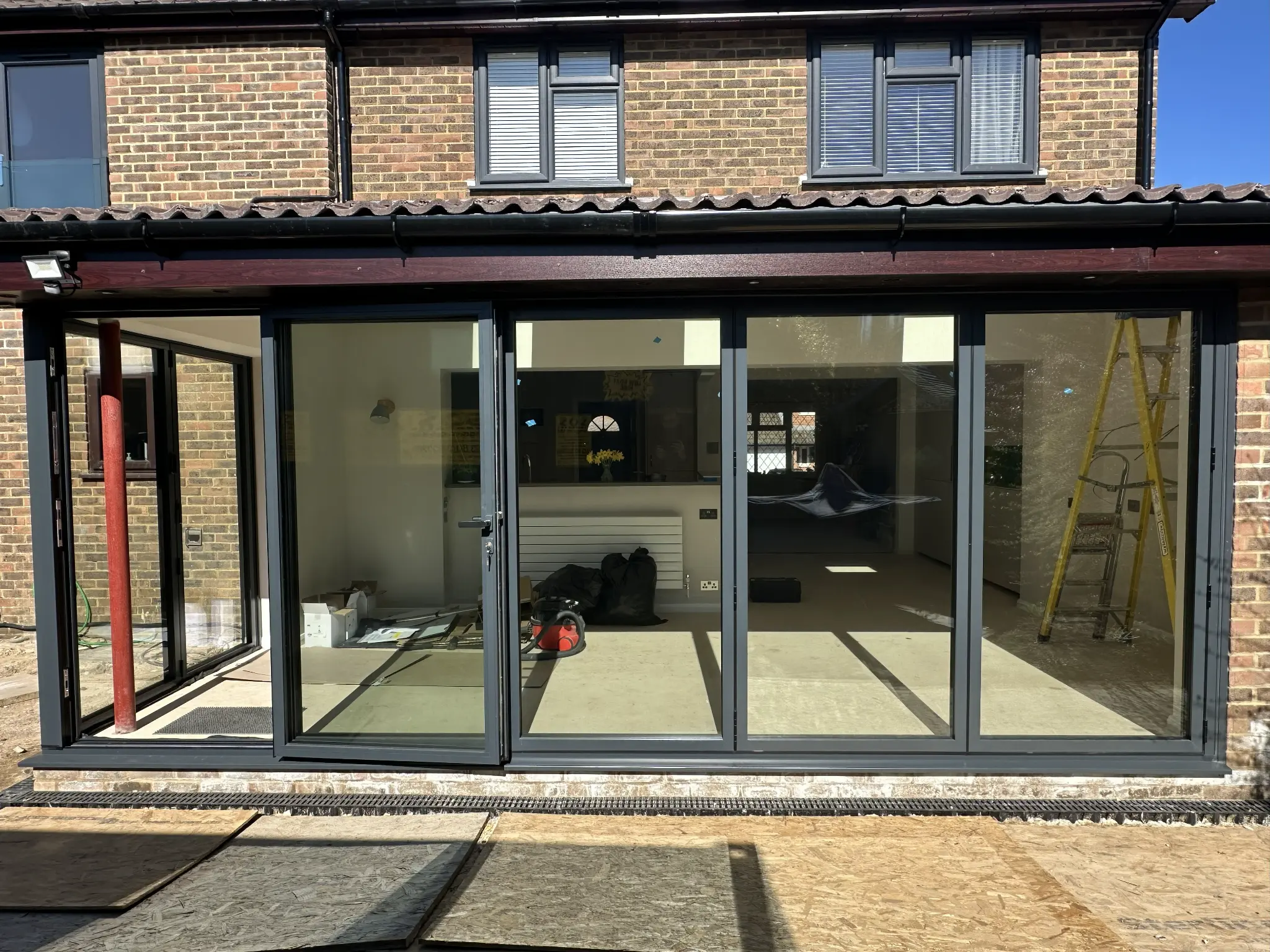
Aluminium frames are known for their strength, durability, and slim sightlines, allowing for larger glass areas and a more contemporary aesthetic.
- Pros: Extremely strong and durable, allows for very slim frames and large expanses of glass, low maintenance, resistant to corrosion, modern aesthetic.
- Cons: Traditionally less thermally efficient than uPVC (though modern thermal break technology has largely mitigated this), higher cost than uPVC.
Timber
Timber offers a classic, natural look and excellent thermal properties. It's a popular choice for garden rooms aiming for a traditional or natural aesthetic.
- Pros: Excellent natural insulator, aesthetically pleasing, sustainable and renewable resource, can be repaired, high-end finish.
- Cons: Requires regular maintenance (painting/staining) to prevent rot and decay, higher initial cost, can be susceptible to warping if not properly treated.
Composite (Alu-Clad Timber)
Composite frames combine the best of both worlds: timber internally for warmth and aesthetics, and aluminium externally for durability and low maintenance.
- Pros: Combines the natural beauty and insulation of timber with the low maintenance and durability of aluminium, excellent thermal performance.
- Cons: Highest cost option, can be heavier.
Specialist Glass Options for Enhanced Performance
Beyond the basic double or triple glazing, several specialist glass types can further enhance your garden room's functionality and comfort.
- Low-E (Low Emissivity) Glass: This is standard in most modern double and triple glazing. It has a microscopically thin, transparent coating that reflects heat back into the room, reducing heat loss while allowing sunlight in.
- Solar Control Glass: Designed to reduce the amount of solar heat gain entering the room, preventing overheating in summer. Ideal for south-facing garden rooms with large glazed areas.
- Self-Cleaning Glass: Features a special coating that reacts with UV light to break down organic dirt, which is then washed away by rain. Reduces maintenance.
- Laminated Glass: Consists of two or more panes of glass bonded together with a plastic interlayer. Provides enhanced security (holds together when shattered) and improved acoustic performance.
- Toughened (Tempered) Glass: Heat-treated for increased strength. If it breaks, it shatters into small, relatively harmless pieces, making it a safety requirement in specific areas (e.g., low-level glazing, doors).
- Acoustic Glass: Specifically designed with varying glass thicknesses or special interlayers to reduce noise transmission.
UK Building Regulations and Garden Rooms
Understanding UK Building Regulations is paramount, even for garden rooms. While some small garden rooms may be exempt, many will need to comply, especially regarding thermal performance.
When Building Regulations Apply:
Generally, a garden room is exempt from Building Regulations if it:
- Has an internal floor area of less than 15m² and contains no sleeping accommodation.
- Has an internal floor area between 15m² and 30m² and contains no sleeping accommodation, AND is at least 1m from any boundary, OR is constructed substantially of non-combustible materials.
However, if your garden room is larger, contains sleeping accommodation, or is attached to your main dwelling, it will almost certainly require Building Regulations approval. Even if exempt, it's highly advisable to build to a good standard for comfort and energy efficiency.
Key Building Regulations (Part L - Conservation of Fuel and Power, England 2022):
For garden rooms requiring Building Regulations approval, the thermal performance of the glazing is critical. The following U-values (a measure of heat loss, where lower is better) typically apply:
- Walls: 0.18 W/m²K
- Floors: 0.18 W/m²K
- Roofs: 0.15 W/m²K
- Windows/Doors (New Build): 1.2 W/m²K
- Windows/Doors (Replacement): 1.4 W/m²K
These values are for the entire element (e.g., the whole window unit, including frame and glass). Meeting these standards ensures your garden room is energy-efficient and comfortable year-round. Always consult your local Building Control body or a qualified professional for specific requirements.
Comparison Table: Glazing Options at a Glance
This table provides a simplified overview to help you compare common glazing choices.
| Feature | Double Glazing (Standard) | Triple Glazing | Aluminium Frames | uPVC Frames | Timber Frames |
|---|---|---|---|---|---|
| Thermal Performance (U-value) | Good (1.2-1.4 W/m²K) | Excellent (0.8-1.0 W/m²K) | Very Good (with thermal breaks) | Excellent | Excellent (natural insulator) |
| Cost | ££ | £££ | £££ | ££ | £££ |
| Maintenance | Low | Low | Very Low | Very Low | Medium (requires treatment) |
| Durability | High | High | Very High | High | High (if maintained) |
| Aesthetics | Standard | Modern/Contemporary | Slim, Modern | Versatile, Standard | Natural, Classic |
| Weight | Standard | Heavy | Light/Standard | Standard | Standard |
Enhanced Comfort
Proper glazing ensures your garden room remains a comfortable temperature year-round, reducing draughts and cold spots.
Lower Energy Bills
High-performance glazing significantly reduces heat loss, leading to lower heating costs for your garden room.
Increased Property Value
A well-designed, energy-efficient garden room with quality glazing can add significant value and appeal to your home.
Optimal Natural Light
Maximise daylight while controlling glare, creating a bright, inviting space that feels connected to your garden.
Conclusion: Making the Right Choice
Choosing the right glazing for your garden room is a multifaceted decision that balances budget, aesthetics, performance, and regulatory compliance. By carefully considering the type of glazing unit, frame material, specialist glass options, and the implications of UK Building Regulations, you can create a garden room that is not only beautiful but also highly functional, energy-efficient, and a true asset to your home.
Always seek advice from reputable glazing specialists and, where applicable, your local Building Control department to ensure your choices are appropriate for your specific project and meet all necessary standards. Investing in quality glazing from the outset will pay dividends in comfort, energy savings, and enjoyment for years to come.
At Shard AG, we specialise in providing high-performance glazing solutions tailored to your unique garden room project. Our expert team can guide you through the options, ensuring your glazing meets both your aesthetic desires and the stringent requirements of UK Building Regulations, delivering a comfortable and energy-efficient space.
Explore Our Products
Discover how Shard Architectural Glazing can transform your home with our premium glazing solutions:
Ready to Transform Your Home?
Get in touch with our expert team for a free consultation and personalised quote. We'll help you choose the perfect glazing solution for your property.