


Achieving Peace: Your Guide to Acoustic Window Insulation
Discover how acoustic window insulation can transform your home into a tranquil haven. Learn about glass types, frame materials, and UK Building Regulations.

Shard Architectural Glazing
16 February 2026
Discover how acoustic window insulation can transform your home into a tranquil haven. Learn about glass types, frame materials, and UK Building Regulations.
📋In This Article
In our increasingly busy world, a peaceful home environment is more valuable than ever. For many UK homeowners, external noise – whether from traffic, neighbours, or commercial activity – can significantly impact comfort and quality of life. While walls and roofs offer substantial soundproofing, windows often remain the weakest link in a building's acoustic defence. This comprehensive guide explores the principles, technologies, and practical considerations behind achieving effective acoustic insulation through your windows, helping you reclaim your home's serenity.
Understanding Sound and Its Transmission
Before delving into solutions, it's crucial to understand how sound travels and how windows interact with it. Sound is essentially a vibration that travels through a medium, such as air, water, or solid materials. When sound waves hit a window, they can be:
- Reflected: Bouncing off the surface.
- Absorbed: Converted into heat energy within the material.
- Transmitted: Passing through the material, causing it to vibrate and re-emit sound on the other side.
The effectiveness of a material in reducing sound transmission is measured by its Sound Reduction Index (SRI), often expressed in decibels (dB). A higher dB rating indicates better sound insulation. A 10 dB reduction is perceived as roughly halving the loudness of a sound. Typical external noise levels can range from 50-60 dB (general traffic) to 80-90 dB (heavy traffic, aircraft).
Windows, by their very nature, are designed to let light in, but this often means they are less dense than solid walls, making them more susceptible to sound transmission. The key to acoustic window insulation lies in increasing their mass, damping vibrations, and creating air gaps.
.jpg)
Key Components of Acoustic Windows
Effective acoustic windows typically combine several specialist elements to achieve superior sound reduction. It's not just about the glass; the entire window system plays a role.
1. Specialist Glazing Options
The type of glass is perhaps the most critical factor. Standard double glazing offers some acoustic improvement over single glazing, but specialist options provide significantly better performance.
- Asymmetric Double Glazing: This involves using two panes of glass of different thicknesses (e.g., 4mm and 6mm, or 6mm and 8mm) within the same sealed unit. Different thicknesses resonate at different frequencies, helping to block a wider range of sound waves.
- Laminated Acoustic Glass: This is arguably the most effective solution. It consists of two or more panes of glass bonded together with a special acoustic interlayer, typically made of Polyvinyl Butyral (PVB). This interlayer acts as a damping layer, absorbing sound vibrations and preventing them from passing through. The thickness and composition of the interlayer are crucial. Laminated glass also offers enhanced security benefits.
- Triple Glazing: While primarily designed for thermal performance, triple glazing can offer some acoustic benefits due to the increased mass and additional air gap. However, its acoustic performance may not always surpass well-designed asymmetric double glazing or laminated units, especially if all three panes are of the same thickness.
2. Gas-Filled Cavities
The gap between glass panes in double or triple glazing is usually filled with an inert gas, such as Argon or Krypton. While primarily for thermal insulation, these gases are denser than air and can also contribute marginally to acoustic performance by reducing sound transmission across the cavity. However, the width of the cavity and the use of asymmetric glass are generally more impactful for sound insulation.
3. Frame Materials and Design
The window frame itself is vital. A poorly designed or installed frame can negate the benefits of high-performance glazing. Materials and design considerations include:
- uPVC: Modern uPVC frames are often multi-chambered, providing internal air pockets that can help with both thermal and acoustic insulation. They are also generally good at forming a tight seal.
- Timber: Solid timber frames offer good natural density and can be very effective, especially when combined with high-performance glazing.
- Aluminium: While strong and durable, aluminium is a good conductor of sound. Acoustic aluminium frames will incorporate thermal breaks and often have internal chambers designed to improve sound reduction.
- Seals and Gaskets: High-quality, continuous seals and gaskets around the opening sashes are critical to prevent sound leakage (flanking transmission). Acoustic windows often feature multiple layers of seals.
4. Installation Quality
Even the best acoustic window will fail to perform if not installed correctly. Gaps around the frame, inadequate sealing, or poor fixing to the building structure can create pathways for sound. Professional installation, including the use of acoustic sealants and proper insulation around the window reveal, is paramount.
Pro Tip
When comparing acoustic windows, always ask for the complete window system's weighted sound reduction index (Rw or Rw+Ctr), not just the glass unit's performance. The Rw+Ctr value is particularly useful as it accounts for low-frequency sounds like traffic noise, which are often the most problematic.
UK Building Regulations and Acoustic Performance
While there isn't a specific Building Regulation that dictates minimum acoustic performance for all windows in existing homes, acoustic considerations are crucial in certain scenarios, particularly for new builds and extensions, and where properties are exposed to high levels of external noise.
- Part E (Resistance to the Passage of Sound): This part of the Building Regulations (England and Wales) primarily deals with sound insulation between dwellings and within dwellings (e.g., separating walls and floors). While it doesn't set specific window dB ratings for external noise, it implies that the overall building envelope should provide reasonable acoustic amenity.
- Planning Conditions: For new developments or significant alterations in noisy areas (e.g., near main roads, railways, airports), local planning authorities often impose conditions requiring specific acoustic performance for the building's façade, including windows. This might involve achieving a certain internal noise level, typically around 35-40 dB LAeq,T (average noise level over a period).
- Thermal Performance (Part L): While not directly acoustic, Part L (Conservation of Fuel and Power) sets U-value requirements for windows. High-performance acoustic glazing often also has excellent thermal properties. For replacement windows, a U-value of 1.4 W/m²K or better is typically required. For new builds, this drops to 1.2 W/m²K.
It is always advisable to consult your local Building Control body or a qualified acoustic consultant if you are undertaking a new build or extension in a noisy area to ensure compliance with any specific planning or Building Regulation requirements.
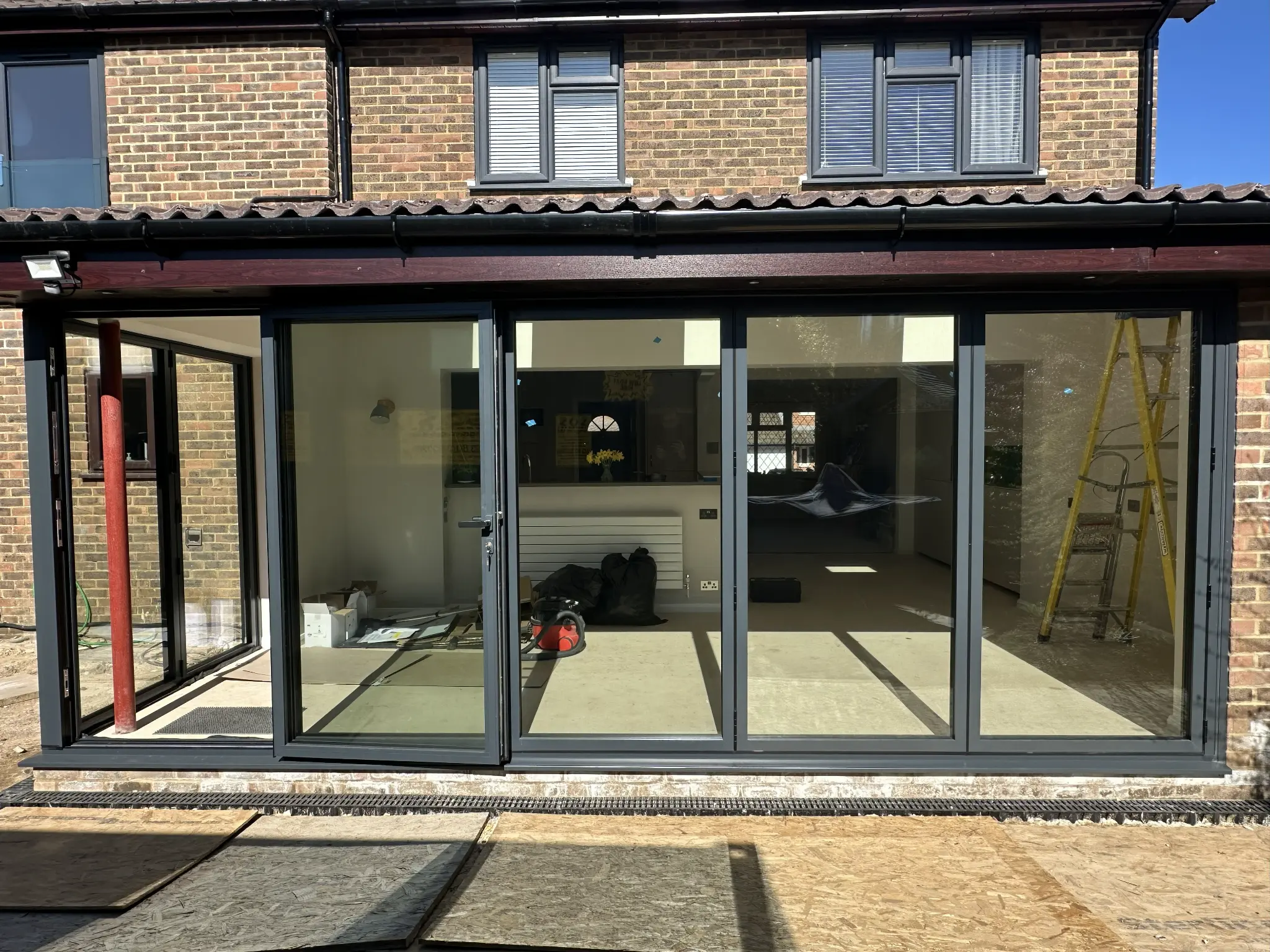
Comparing Acoustic Glazing Options
Here's a comparison of common glazing types and their typical acoustic performance and other characteristics:
| Glazing Type | Typical Composition | Approx. Rw (dB) | Primary Benefit | Considerations |
|---|---|---|---|---|
| Single Glazing | 4mm Glass | 20-25 | Low cost | Poor thermal & acoustic performance |
| Standard Double Glazing | 4mm/16mm air/4mm | 28-32 | Improved thermal & basic acoustic | Limited acoustic performance against traffic noise |
| Asymmetric Double Glazing | 6mm/16mm air/4mm | 33-36 | Better broadband noise reduction | Good balance of cost & performance |
| Laminated Acoustic Double Glazing | 6.8mm acoustic lam/16mm air/4mm | 38-42 | Excellent noise reduction, security | Higher cost, heavier |
| High-Performance Laminated Acoustic Double Glazing | 8.8mm acoustic lam/16mm air/6.8mm acoustic lam | 42-48+ | Superior noise reduction, security | Significantly higher cost, very heavy, requires robust frames |
Benefits of Investing in Acoustic Windows
The advantages of upgrading to high-performance acoustic windows extend far beyond simply reducing noise.
Enhanced Comfort & Well-being
A quieter home environment significantly reduces stress, improves sleep quality, and creates a more relaxing atmosphere for daily living and working from home.
Improved Concentration
Reduced external distractions can lead to better focus for studying, working, or simply enjoying hobbies without interruption.
Increased Property Value
Homes with effective sound insulation are often more desirable, especially in urban or noisy locations, potentially increasing their market value and appeal to buyers.
Better Thermal Performance
Many acoustic glazing solutions, particularly those with thicker glass and gas-filled cavities, also offer superior thermal insulation, leading to lower energy bills and a more consistent indoor temperature.
Practical Considerations and Limitations
While acoustic windows offer significant benefits, there are practical aspects to consider:
- Cost: High-performance acoustic glazing and frames are more expensive than standard options. The investment should be weighed against the level of noise reduction required and the long-term benefits.
- Weight: Thicker and laminated glass units are significantly heavier. This requires robust window frames and potentially stronger building structures, which should be assessed by a professional.
- Ventilation: While acoustic windows are designed to be sealed when closed, good ventilation is still essential for indoor air quality. Consider trickle vents (which can be acoustically attenuated) or mechanical ventilation systems.
- Flanking Transmission: Sound can bypass windows through other elements of the building envelope, such as walls, roofs, or even air bricks. For truly comprehensive soundproofing, a holistic approach to the entire building's insulation may be necessary.
- Acoustic Surveys: For properties in very noisy areas, an acoustic survey by a specialist can accurately measure existing noise levels and recommend the precise level of sound reduction required.
Conclusion
Investing in acoustic window insulation is a highly effective way for UK homeowners to combat external noise and significantly enhance their living environment. By understanding the principles of sound transmission, selecting the right combination of specialist glazing, robust frames, and ensuring professional installation, you can transform your home into a quieter, more comfortable, and energy-efficient space. Always seek expert advice to tailor the best solution for your specific noise challenges and to ensure compliance with relevant Building Regulations.
At Shard AG, we specialise in high-performance architectural glazing solutions, including bespoke acoustic windows designed to meet the unique challenges of UK homes. Our expert team can guide you through the options, from advanced laminated acoustic glass to robust frame systems, ensuring your installation delivers optimal sound reduction and thermal efficiency. Contact us today to discuss how we can help you achieve a more peaceful home.
Explore Our Products
Discover how Shard Architectural Glazing can transform your home with our premium glazing solutions:
Ready to Transform Your Home?
Get in touch with our expert team for a free consultation and personalised quote. We'll help you choose the perfect glazing solution for your property.