
.jpg)
Aluminium vs uPVC Windows: A UK Homeowner's Guide
Choosing between aluminium and uPVC window frames for your UK home? This in-depth guide covers performance, aesthetics, cost, and regulations.

Shard Architectural Glazing
12 February 2026
Choosing between aluminium and uPVC window frames for your UK home? This in-depth guide covers performance, aesthetics, cost, and regulations.
📋In This Article
- Understanding the Materials: Aluminium vs. uPVC
- Performance and Efficiency: Thermal, Acoustic, and Durability
- Aesthetics and Design Flexibility
- Cost and Maintenance Considerations
- Environmental Impact and Sustainability
- UK Building Regulations Part L (2022 England)
- Comparison Table: Aluminium vs. uPVC
- Making Your Decision
When embarking on a home improvement project, particularly one involving new or replacement windows, one of the most significant decisions you'll face is the choice of frame material. In the UK, the two most popular options are undoubtedly aluminium and unplasticised polyvinyl chloride (uPVC). Both offer distinct advantages and considerations, and understanding these differences is crucial for making an informed decision that suits your home's style, your budget, and your performance expectations.
This comprehensive guide will delve into the technical specifications, aesthetic qualities, cost implications, and regulatory compliance of both aluminium and uPVC frames, helping you weigh up the pros and cons to select the best option for your property.
Understanding the Materials: Aluminium vs. uPVC
Before we dive into a direct comparison, let's briefly introduce each material.
What is uPVC?
uPVC is a rigid, durable plastic material widely used in construction, particularly for window and door frames. It's known for its excellent thermal insulation properties, low maintenance, and affordability. Modern uPVC frames are often reinforced with steel for added strength and security, and they come in a variety of finishes, including woodgrain effects.
What is Aluminium?
Aluminium is a lightweight, strong, and highly durable metal. In window frame applications, it's typically extruded into profiles that are then thermally broken to improve insulation. Aluminium frames are prized for their sleek, contemporary appearance, strength, and ability to support larger expanses of glass, making them ideal for modern architectural designs and large glazing installations.
Performance and Efficiency: Thermal, Acoustic, and Durability
Performance is often a top priority for homeowners. Let's examine how these materials stack up in key areas.
Thermal Performance (U-Values)
Thermal performance is measured by the U-value, which indicates how effectively a window prevents heat from escaping. A lower U-value signifies better insulation. Both aluminium and uPVC frames, when properly designed and installed, can achieve excellent U-values.
-
uPVC: Inherently, uPVC is a good insulator due to its cellular structure. Modern uPVC frames often feature multiple internal chambers and can be filled with insulating foam to further enhance thermal performance. It's common for uPVC windows to achieve U-values of 1.4 W/m²K or lower, easily meeting current UK Building Regulations for replacement windows.
-
Aluminium: Aluminium is a highly conductive material, meaning heat can pass through it easily. However, modern aluminium frames incorporate a thermal break – a non-conductive barrier (often polyamide) inserted into the frame profile. This break effectively separates the inner and outer parts of the frame, significantly reducing heat transfer. High-quality thermally broken aluminium frames can achieve U-values comparable to, or even better than, uPVC, often reaching 1.2 W/m²K or less, making them suitable for new builds and extensions under the latest Building Regulations Part L (2022 England).
Pro Tip
Always request the full window U-value (Uw) from your supplier, not just the frame U-value (Uf) or glass U-value (Ug). The Uw accounts for the performance of the entire window unit, including the frame, glass, and spacer bar, giving you a true picture of its thermal efficiency.
Acoustic Performance
Noise reduction is another important factor, especially for homes in urban areas or near busy roads.
-
uPVC: uPVC frames, combined with double or triple glazing, offer good acoustic insulation. The multi-chambered profiles can help dampen sound vibrations.
-
Aluminium: Aluminium frames, particularly those with robust thermal breaks, can also provide excellent acoustic performance when paired with appropriate glazing. The strength of aluminium allows for heavier, thicker glass units, which are highly effective at blocking sound.
For both materials, the choice of glass (e.g., laminated glass, acoustic glass, or different glass thicknesses) will have the most significant impact on sound reduction.
Durability and Lifespan
-
uPVC: uPVC is highly durable and resistant to rot, rust, and corrosion. It doesn't require painting and is generally expected to last 20-35 years, sometimes longer, with minimal maintenance.
-
Aluminium: Aluminium is exceptionally strong and naturally resistant to corrosion. It won't warp, crack, or rot, and its inherent strength means it can maintain its structural integrity for a very long time. Aluminium frames are often quoted with a lifespan of 30-45 years or more, making them a very long-term investment.
Aesthetics and Design Flexibility
The visual impact of your windows can dramatically alter the appearance of your home.
Frame Profiles and Sightlines
-
uPVC: uPVC frames tend to have thicker, bulkier profiles due to the material's structural requirements. While modern uPVC designs have become slimmer, they generally still have wider sightlines compared to aluminium.
-
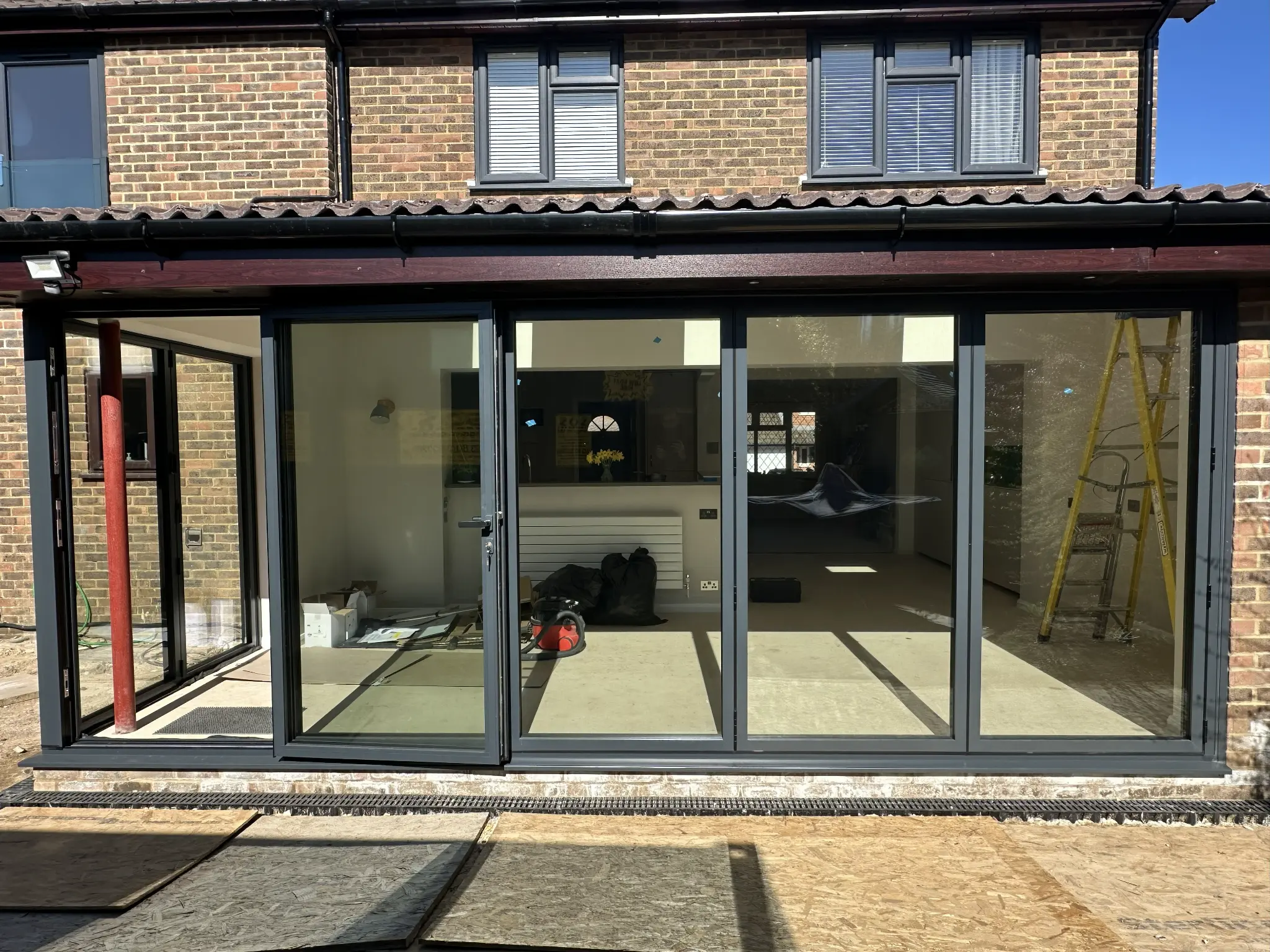
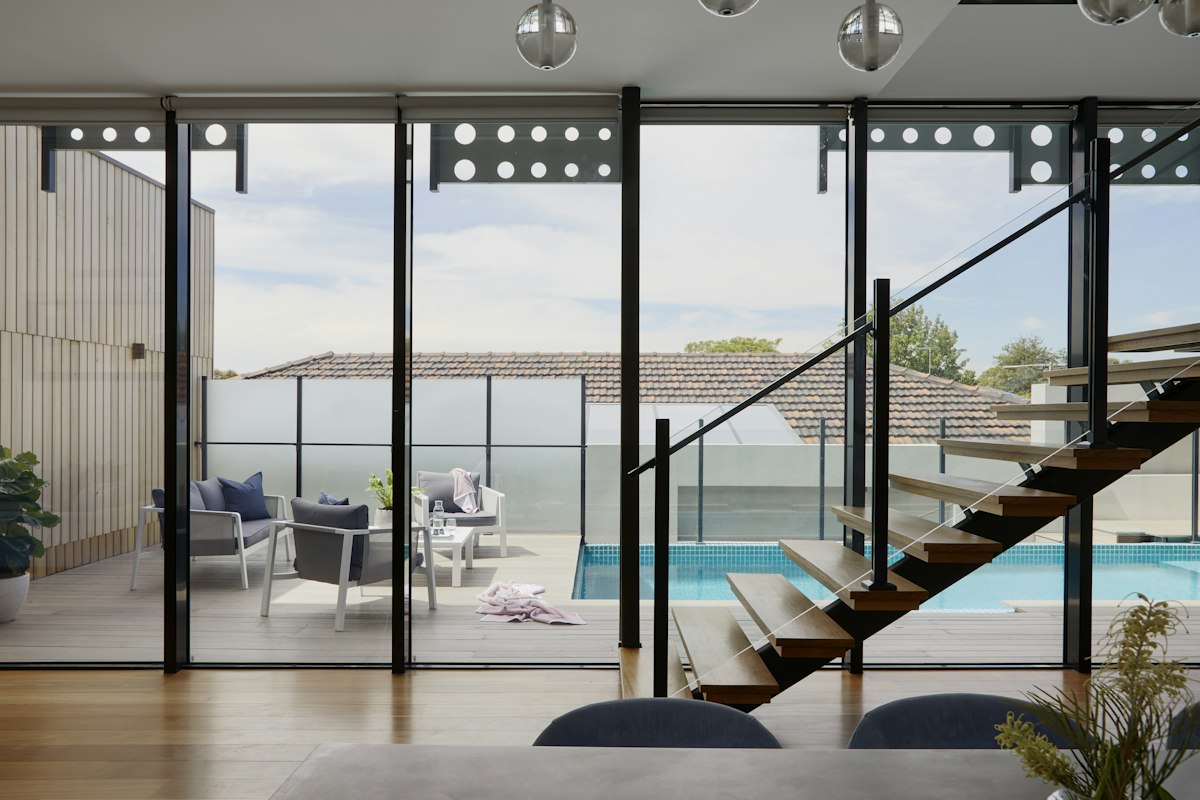
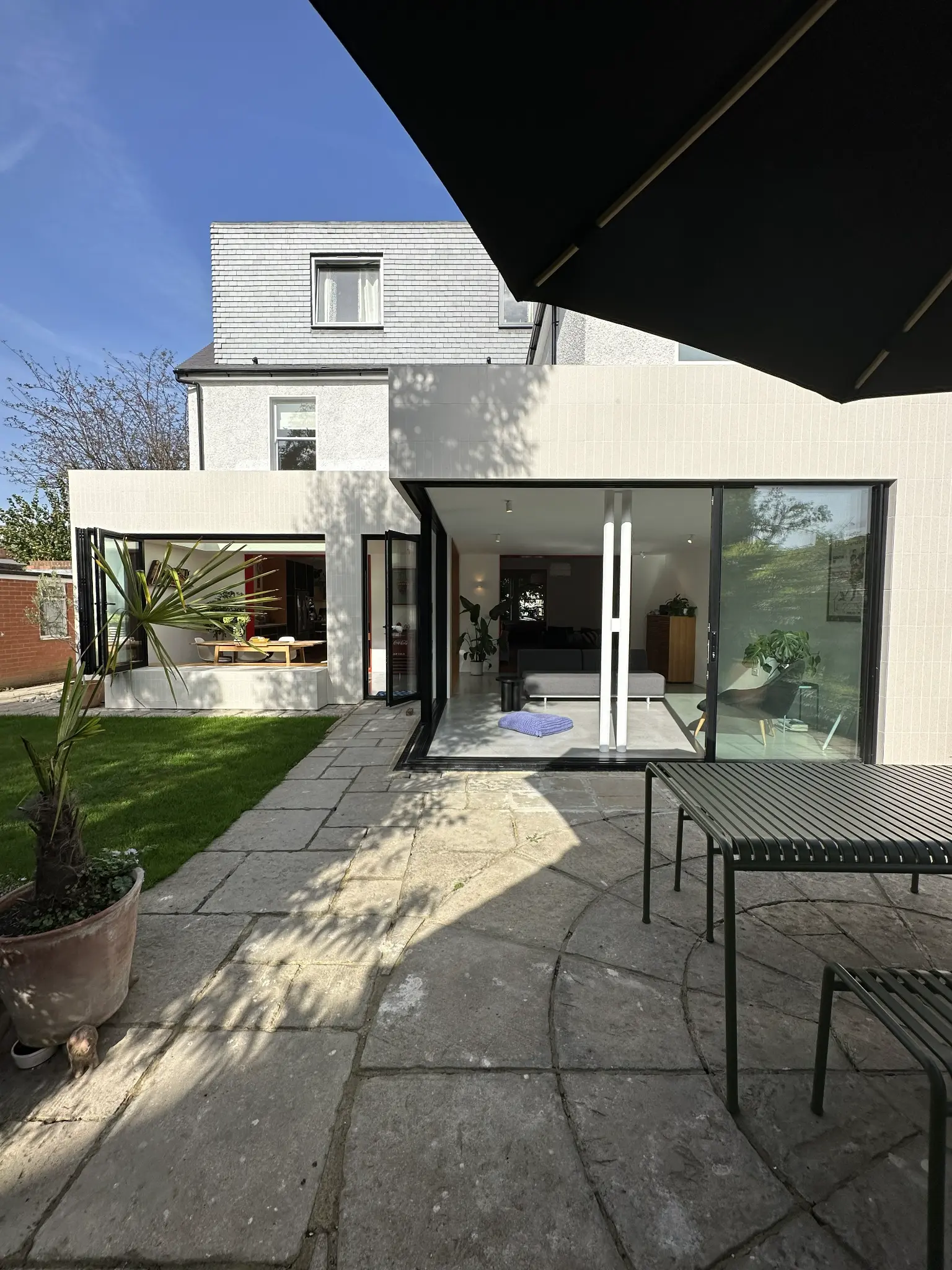
Aluminium: One of aluminium's greatest strengths is its inherent rigidity, which allows for much slimmer frame profiles. This results in larger glass areas and narrower sightlines, maximising natural light and offering a sleek, contemporary aesthetic. This is particularly advantageous for large bifold doors, sliding doors, and expansive window installations.
Colour and Finish Options
-
uPVC: Traditionally available in white, uPVC now comes in a wide array of colours, often applied as a foil wrap or spray paint. Woodgrain effects are also popular, mimicking timber. However, the colour choice might be more limited compared to aluminium, and some foil finishes can be prone to fading or damage over time if not of high quality.
-
Aluminium: Aluminium frames are typically powder-coated, offering an incredibly durable and extensive range of RAL colours. This finish is highly resistant to fading, scratching, and chipping, maintaining its appearance for decades. Dual-colour options (different colours inside and out) are also readily available, providing great design flexibility.
Cost and Maintenance Considerations
Budget and ongoing upkeep are practical considerations for any homeowner.
Initial Cost
-
uPVC: Generally, uPVC windows are the more cost-effective option upfront. Their manufacturing process is less energy-intensive, and the material itself is cheaper than aluminium. This makes them a popular choice for budget-conscious projects.
-
Aluminium: Aluminium windows typically have a higher initial purchase price. The extrusion process, the inclusion of thermal breaks, and the powder-coating finish contribute to a greater manufacturing cost. However, it's important to consider the long-term value and lifespan.
Maintenance
-
uPVC: Both materials are considered low maintenance. uPVC frames require little more than occasional cleaning with soapy water to remove dirt and grime. They don't need painting or varnishing.
-
Aluminium: Similarly, aluminium frames are very low maintenance. The powder-coated finish is extremely durable and only requires periodic cleaning to keep it looking its best. They will not rust, rot, or require repainting.
Environmental Impact and Sustainability
As environmental concerns grow, the sustainability of building materials is increasingly important.
-
uPVC: uPVC is a petroleum-based product, and its production involves chemical processes. However, modern uPVC is largely recyclable, and many manufacturers now incorporate recycled content into new frames. The long lifespan also reduces the need for frequent replacement.
-
Aluminium: Aluminium is one of the most abundant metals on Earth and is 100% recyclable without any loss of quality. Recycling aluminium requires significantly less energy (up to 95% less) than producing primary aluminium. This makes it a highly sustainable choice over its long lifecycle.
UK Building Regulations Part L (2022 England)
Any new or replacement windows installed in a UK property must comply with current Building Regulations, specifically Part L (Conservation of Fuel and Power). For England, the 2022 updates introduced more stringent requirements.
Key U-Value Requirements:
-
Replacement Windows: The maximum U-value for replacement windows is 1.4 W/m²K.
-
New Builds & Extensions: For windows in new dwellings or new extensions, the maximum U-value is 1.2 W/m²K.
Both high-quality uPVC and thermally broken aluminium windows can comfortably meet these requirements. When selecting your windows, always ensure your chosen product's U-value meets or exceeds the relevant standard for your project. Your installer should provide documentation confirming compliance.
Comparison Table: Aluminium vs. uPVC
Here's a summary of the key differences to help you quickly compare:
| Feature | uPVC Frames | Aluminium Frames |
|---|---|---|
| Thermal Performance (U-Value) | Good (typically 1.4 W/m²K or lower) | Excellent with thermal break (typically 1.2 W/m²K or lower) |
| Aesthetic / Sightlines | Thicker frames, wider sightlines | Slimmer frames, narrower sightlines, contemporary |
| Durability / Lifespan | Very good (20-35+ years), resistant to rot/rust | Excellent (30-45+ years), highly robust, won't warp/crack |
| Maintenance | Very low (clean with soapy water) | Very low (clean with soapy water) |
| Cost (Initial) | Generally more affordable | Generally higher initial investment |
| Colour Options | Good range (foil wraps, spray paint), woodgrain effects | Extensive RAL colour range (powder-coated), dual-colour options |
| Environmental Impact | Recyclable, some recycled content used | 100% recyclable, highly sustainable |
| Strength / Max. Glass Area | Good, but limited for very large spans | Superior, ideal for large glazing, bifolds, sliding doors |
Cost-Effectiveness
uPVC offers a lower initial outlay, making it an attractive option for budget-conscious homeowners or larger projects where cost per unit is critical.
Modern Aesthetics
Aluminium's slim profiles and extensive colour range provide a sleek, contemporary look, perfect for modern homes or achieving large, uninterrupted glazed areas.
Long-Term Value
Both materials offer excellent durability and low maintenance, but aluminium's extended lifespan and superior recyclability can offer greater long-term value and sustainability.
Thermal Efficiency
Both materials, when specified correctly with modern thermal breaks and glazing, can achieve excellent U-values, ensuring compliance with UK Building Regulations and helping to reduce energy bills.
Making Your Decision
The choice between aluminium and uPVC ultimately depends on your specific priorities, budget, and the architectural style of your home.
-
Choose uPVC if:
- Your budget is a primary concern.
- You're looking for excellent thermal performance at a lower price point.
- You prefer a more traditional aesthetic or a classic white finish.
- You need a robust, low-maintenance solution for standard window sizes.
-
Choose Aluminium if:
- You desire a modern, minimalist aesthetic with slim sightlines.
- You're planning large glazed areas, such as bifold doors or expansive windows.
- Durability, strength, and a very long lifespan are top priorities.
- You want a wide range of durable colour options, including dual colours.
- Your budget allows for a higher initial investment for premium performance and aesthetics.
It's always advisable to consult with a reputable glazing professional. They can assess your specific requirements, provide detailed U-value calculations, and offer expert advice tailored to your property and preferences. They should also ensure that any chosen products comply fully with the latest UK Building Regulations.
At Shard AG, we specialise in providing high-performance glazing solutions for UK homeowners. Whether you're considering the robust and cost-effective benefits of uPVC or the sleek, contemporary appeal of thermally broken aluminium, our team can guide you through the options. We offer a comprehensive range of both uPVC and aluminium windows and doors, all designed to meet stringent UK Building Regulations and enhance the comfort, security, and aesthetic appeal of your home. Contact us today to discuss your project and discover how we can help you make the right choice for your property.
Explore Our Products
Discover how Shard Architectural Glazing can transform your home with our premium glazing solutions:
Ready to Transform Your Home?
Get in touch with our expert team for a free consultation and personalised quote. We'll help you choose the perfect glazing solution for your property.