
Choosing Glass Door Hardware: A UK Homeowner's Guide
Explore essential glass door hardware options for UK homes. Learn about hinges, handles, locks, and closers, ensuring safety, style, and Building Regs compliance.

Shard Architectural Glazing
13 February 2026
Explore essential glass door hardware options for UK homes. Learn about hinges, handles, locks, and closers, ensuring safety, style, and Building Regs compliance.
📋In This Article
Glass doors, whether internal or external, bifold or sliding, offer a sophisticated aesthetic that can transform any space. They allow natural light to flood into rooms, create a sense of openness, and provide a seamless transition between areas. However, the functionality, safety, and longevity of any glass door system hinge critically on its hardware. Far from being mere accessories, the right hinges, handles, locks, and other components are integral to performance, security, and compliance with UK Building Regulations.
This comprehensive guide will delve into the various types of glass door hardware available to UK homeowners, offering insights into their applications, technical specifications, and crucial considerations for selection. We'll explore how to balance aesthetics with practicality, ensuring your glass doors are not only beautiful but also robust, secure, and compliant.
Understanding Glass Door Types and Their Hardware Needs
Before diving into specific hardware components, it's essential to recognise that different types of glass doors demand distinct hardware solutions. Understanding your door type is the first step to making informed hardware choices.
Hinged Glass Doors (Swing Doors)
Typically used for internal partitions or external entrances, hinged glass doors pivot on a vertical axis. They require robust hinges, often specifically designed for glass, and suitable handles and locking mechanisms. The weight and thickness of the glass are paramount in determining hinge strength and quantity.
Sliding Glass Doors
Popular for patios, balconies, and internal room dividers, sliding glass doors operate on a track system. Their hardware primarily consists of rollers, tracks, and specific handles/locking mechanisms that allow for smooth horizontal movement. The weight capacity of the rollers and the durability of the track system are key considerations.
Bifold Glass Doors
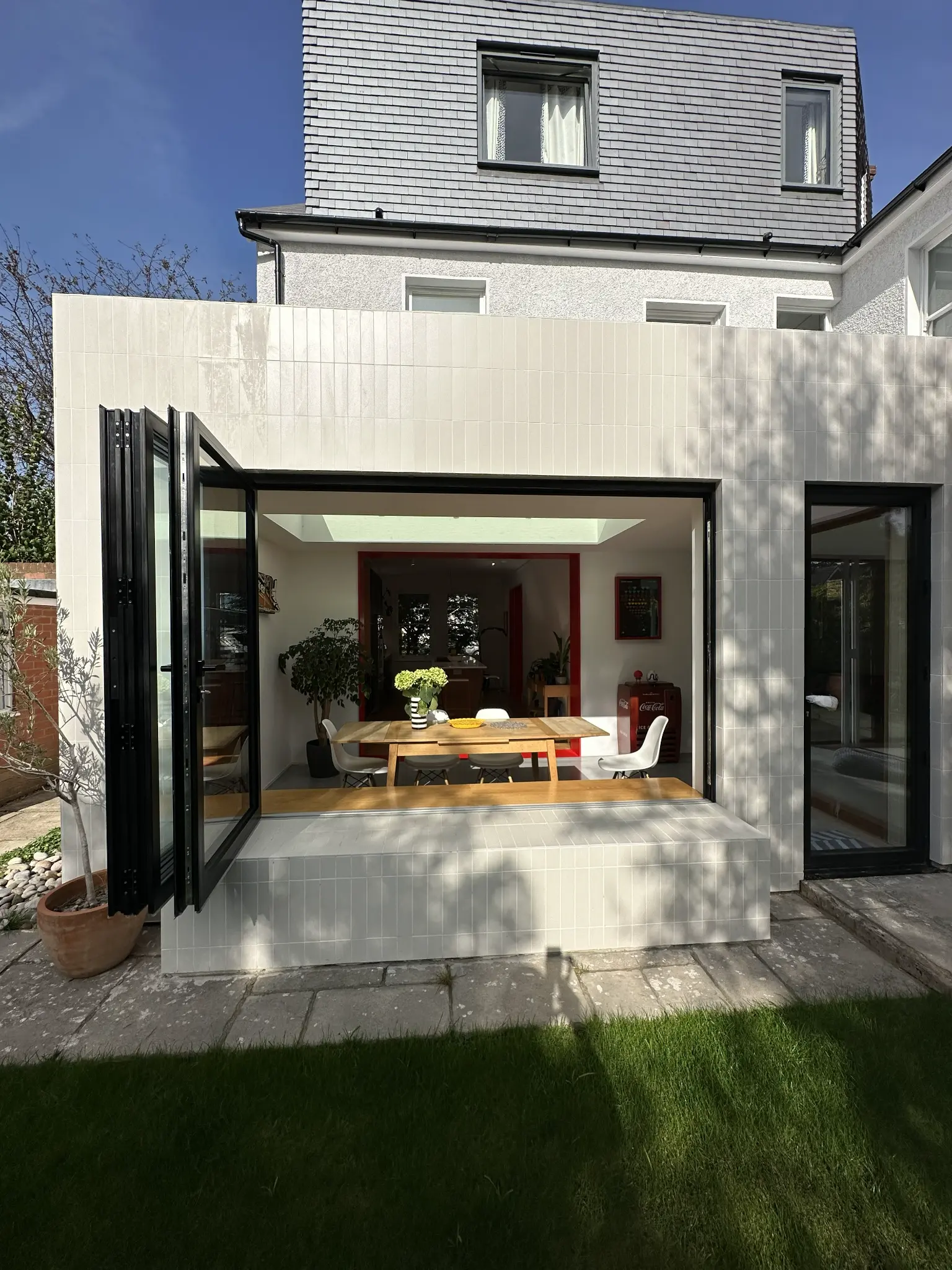
Bifold doors fold back in panels, creating a wide opening. They combine elements of both hinged and sliding doors, requiring a complex system of hinges, pivots, rollers, and tracks. The hardware must be capable of supporting multiple panels and ensuring smooth, synchronised operation.
Pivot Glass Doors
These doors rotate on a pivot point, often offset from the door frame, creating a dramatic opening. They require specialised top and bottom pivot hardware, often integrated with floor springs or overhead closers to control movement. Handles and locking mechanisms are also unique to this style.
Essential Glass Door Hardware Components
Let's break down the key hardware elements you'll encounter when specifying glass doors.
1. Hinges and Pivots
For hinged and bifold doors, hinges are fundamental. For pivot doors, specialised pivot sets are used.
- Glass-to-Wall Hinges: Used when a glass door is attached directly to a solid wall or frame. They are typically surface-mounted or recessed, providing a clean aesthetic.
- Glass-to-Glass Hinges: Ideal for shower enclosures or glass partitions where one glass panel acts as a fixed frame for another.
- Floor Springs / Overhead Closers: Often integrated with pivot hinges or standard hinges, these devices control the closing speed and action of the door, preventing slamming and ensuring the door returns to a closed position. They can also hold the door open at specific angles. For external doors, controlled closing is often a Building Regulation requirement for accessibility and fire safety.
- Pivot Sets: For pivot doors, these consist of top and bottom pivot mechanisms. The bottom pivot often incorporates a floor spring for controlled operation.
Pro Tip
When selecting hinges, always check the maximum weight capacity and glass thickness compatibility specified by the manufacturer. Underspecified hinges can lead to door sag, misalignment, and premature failure. For external doors, consider hinges made from corrosion-resistant materials like stainless steel (Grade 304 or 316).
2. Handles and Pulls
Glass door handles come in a vast array of styles, materials, and finishes to complement any design aesthetic.
- D-Handles / Pull Handles: Common for both internal and external glass doors, these are typically bolt-through designs, meaning they pass through holes drilled in the glass. They can be single-sided or back-to-back.
- Lever Handles: More traditional, these are often used with patch fittings for hinged doors that require a latching mechanism.
- Knob Handles: Similar to lever handles, but less common for glass doors due to the need for a grip.
- Recessed Pulls: Ideal for sliding doors where a flush finish is desired, preventing snagging.
Material Considerations: Stainless steel (brushed or polished), brass, chrome, and even powder-coated finishes are popular. Stainless steel is highly durable and corrosion-resistant, making it suitable for external applications.
3. Locking Mechanisms
Security is paramount, especially for external glass doors. Internal doors may require privacy locks or simple latches.
- Patch Locks: These are discrete locking mechanisms that clamp onto the glass, often incorporating a cylinder lock or a simple turn-snib for privacy. They can be used with lever or pull handles.
- Deadbolts: For higher security, specific deadbolts designed for glass doors can be integrated, often requiring precise glass preparation.
- Sliding Door Locks: These typically involve hook bolts or shoot bolts that engage with the frame or another door panel. Multi-point locking systems are recommended for external sliding doors for enhanced security.
- Electromagnetic Locks: For commercial or high-security residential applications, these provide robust locking controlled by access control systems.
4. Sliding Door Hardware (Tracks and Rollers)
For sliding and bifold doors, the quality of the track and roller system dictates the door's smooth operation and longevity.
- Tracks: Available in top-hung (where the door weight is supported from above) or bottom-rolling (where the weight rests on the bottom track). Top-hung systems offer a cleaner look as the bottom track can be minimal or recessed, but require a very strong lintel. Bottom-rolling systems are generally easier to install and don't demand as much structural support above.
- Rollers/Carriers: These components bear the door's weight and allow it to glide along the track. High-quality rollers feature durable bearings (e.g., stainless steel ball bearings) and robust wheels (e.g., nylon or Delrin) for quiet and smooth operation. The weight rating of the rollers must exceed the door panel's weight.
- Guides: Bottom guides prevent the door from swinging outwards, ensuring it stays aligned within the track.
UK Building Regulations and Safety Considerations
When installing or replacing glass doors, especially external ones, adherence to UK Building Regulations is crucial. This ensures safety, energy efficiency, and accessibility.
Part L (Conservation of Fuel and Power)
For external glass doors and windows, Part L of the Building Regulations (2022 edition for England) sets stringent requirements for thermal performance. The U-value (a measure of heat loss) of new or replacement external glass doors must meet specific standards:
- New Build: Maximum U-value of 1.2 W/m²K
- Replacement: Maximum U-value of 1.4 W/m²K
This means the glass itself (typically double or triple glazing with low-emissivity coatings and warm edge spacers) and the door frame/hardware must work together to achieve these values. Poorly sealed hardware or gaps can compromise thermal performance.
Part K (Protection from Falling, Collision and Impact)
This part addresses safety glazing. All glass in doors, and in side panels adjacent to doors, must be safety glass (toughened or laminated) that meets British Standard BS EN 12150 (toughened) or BS EN ISO 12543 (laminated). This is particularly important for preventing serious injury from breakage.
Part M (Access to and Use of Buildings)
For accessible entrances, Part M requires specific clear opening widths and threshold heights. Hardware such as handles must be easily operable by people with limited dexterity (e.g., lever handles rather than small knobs) and positioned at an accessible height (typically between 900mm and 1100mm from the finished floor level).
Security (Part Q - for new builds, or general good practice for replacements)
While Part Q primarily applies to new dwellings, the principles of security apply to all external doors. External glass doors should incorporate features that resist forced entry, such as multi-point locking systems, anti-snap cylinders, and robust hardware. The hardware itself should be strong enough to withstand attempts at manipulation or removal.
Enhanced Security
Robust locking mechanisms and high-quality hardware deter intruders, protecting your home and valuables.
Smooth Operation
Precision-engineered hinges, rollers, and tracks ensure your glass doors open and close effortlessly for years.
Aesthetic Appeal
A wide range of finishes and styles allows you to perfectly match your hardware to your home's interior design.
Durability & Longevity
Investing in quality, corrosion-resistant materials means your hardware will withstand daily use and the UK climate.

Material, Finishes, and Aesthetics
Beyond functionality, the visual appeal of your hardware significantly impacts the overall look of your glass doors and your home. Consider the following:
- Stainless Steel: Highly durable, corrosion-resistant, and available in brushed or polished finishes. A popular choice for modern aesthetics and external applications.
- Chrome: Offers a bright, reflective finish, often associated with contemporary and minimalist designs. Can be polished or satin.
- Brass: Provides a classic, warm aesthetic. Available in polished, satin, or antique finishes. Requires more maintenance than stainless steel to prevent tarnishing.
- Bronze: Offers a rich, dark, and often aged appearance, suitable for traditional or industrial-chic designs.
- Powder-Coated Finishes: Allows for a wide range of colours to match or contrast with your door frames or interior decor. Provides good durability.
When selecting finishes, aim for consistency across all hardware in a given area, or intentionally choose contrasting elements for a specific design statement. Consider how the finish will age and whether it will complement your existing fixtures and fittings.
Installation and Maintenance Considerations
Even the highest quality hardware can fail if not installed correctly. Professional installation is highly recommended for glass doors due to the precision required for glass drilling, alignment, and the weight of the panels. Incorrect installation can lead to:
- Door sag or misalignment
- Excessive wear on hinges/rollers
- Compromised security
- Failure to meet Building Regulations
Maintenance: Regular cleaning with appropriate, non-abrasive cleaners is usually sufficient. For moving parts like hinges, rollers, and tracks, occasional lubrication with a silicone-based spray can ensure smooth operation and extend their lifespan. Always refer to the manufacturer's guidelines for specific maintenance recommendations.
Choosing the Right Hardware: A Checklist
To summarise, here's a checklist to guide your hardware selection process:
- Door Type: Hinged, sliding, bifold, or pivot?
- Location: Internal or external? External doors require higher security, weather resistance, and thermal performance.
- Glass Specification: Thickness, weight, and type (toughened, laminated). This dictates hinge/roller capacity.
- Functionality: Do you need a simple pull, a latch, or a secure lock? Do you need controlled closing (e.g., for fire doors or accessibility)?
- Aesthetics: What material and finish will complement your home's style?
- Security Requirements: For external doors, consider multi-point locking and anti-snap cylinders.
- Building Regulations: Ensure all components, especially for external doors, contribute to compliance with Part L, K, and M.
- Budget: Quality hardware is an investment. Balance cost with durability, security, and aesthetics.
- Manufacturer Reputation: Choose reputable brands known for quality and reliability.
Here's a comparison of common hardware types:
| Hardware Type | Primary Function | Common Materials | Typical Application | Key Consideration |
|---|---|---|---|---|
| Glass-to-Wall Hinges | Allow door to swing from a fixed wall/frame | Stainless Steel, Brass | Hinged glass doors (internal/external) | Weight capacity, glass thickness |
| Floor Spring / Closer | Control door closing speed and hold-open | Steel, Cast Iron (internal mechanism) | Hinged/Pivot doors (especially heavy or public access) | Door weight, closing force, hold-open angle |
| Pull Handles (D-handles) | For opening/closing, often bolt-through | Stainless Steel, Brass, Aluminium | All glass door types | Length, diameter, finish, glass drilling requirements |
| Patch Locks | Secure glass doors (latching/locking) | Stainless Steel, Zinc Alloy | Hinged glass doors (internal/external) | Security level (privacy vs. security), cylinder type |
| Sliding Door Tracks & Rollers | Enable smooth horizontal door movement | Aluminium, Stainless Steel (track); Nylon, Delrin (rollers) | Sliding/Bifold glass doors | Weight capacity, roller bearing quality, track profile |
Selecting the right hardware for your glass doors is a critical decision that impacts not only the aesthetics but also the safety, security, and long-term performance of your installation. By carefully considering the type of door, its intended use, relevant Building Regulations, and your design preferences, you can ensure your glass doors are a beautiful and functional asset to your UK home.
Should you require expert advice on selecting or installing glass door hardware, or if you're planning a glass door project, consider consulting with specialists like Shard AG. We offer a wide range of high-quality, compliant glass door hardware solutions tailored to the unique demands of UK homes, ensuring both elegance and enduring functionality.
Explore Our Products
Discover how Shard Architectural Glazing can transform your home with our premium glazing solutions:
Ready to Transform Your Home?
Get in touch with our expert team for a free consultation and personalised quote. We'll help you choose the perfect glazing solution for your property.