

Choosing Glass Door Hardware: A UK Homeowner's Guide
Explore essential glass door hardware options for UK homes. Learn about hinges, handles, locks, and closers, including UK Building Regulations and expert tips.

Shard Architectural Glazing
13 May 2026
Explore essential glass door hardware options for UK homes. Learn about hinges, handles, locks, and closers, including UK Building Regulations and expert tips.
📋In This Article
Glass doors, whether internal or external, bifold, sliding, or pivot, offer a sophisticated aesthetic and allow natural light to flood into your home. However, the functionality and longevity of any glass door system hinge significantly on the quality and suitability of its hardware. For UK homeowners, understanding the various options available, alongside relevant Building Regulations, is crucial for making informed decisions. This guide will delve into the world of glass door hardware, providing practical insights and technical knowledge.
Understanding Glass Door Types and Their Hardware Implications
Before selecting hardware, it's essential to consider the type of glass door you are installing, as this dictates the compatible hardware systems. Each door type presents unique challenges and opportunities for hardware integration.
- Hinged Glass Doors: These are common for internal and external applications. They require robust hinges, often patch fittings or pivot hinges, and a suitable handle and locking mechanism.
- Sliding Glass Doors (e.g., Patio, Pocket, Barn Style): Rely on tracks, rollers, and specialised handles. The weight of the glass is a primary consideration for roller and track strength.
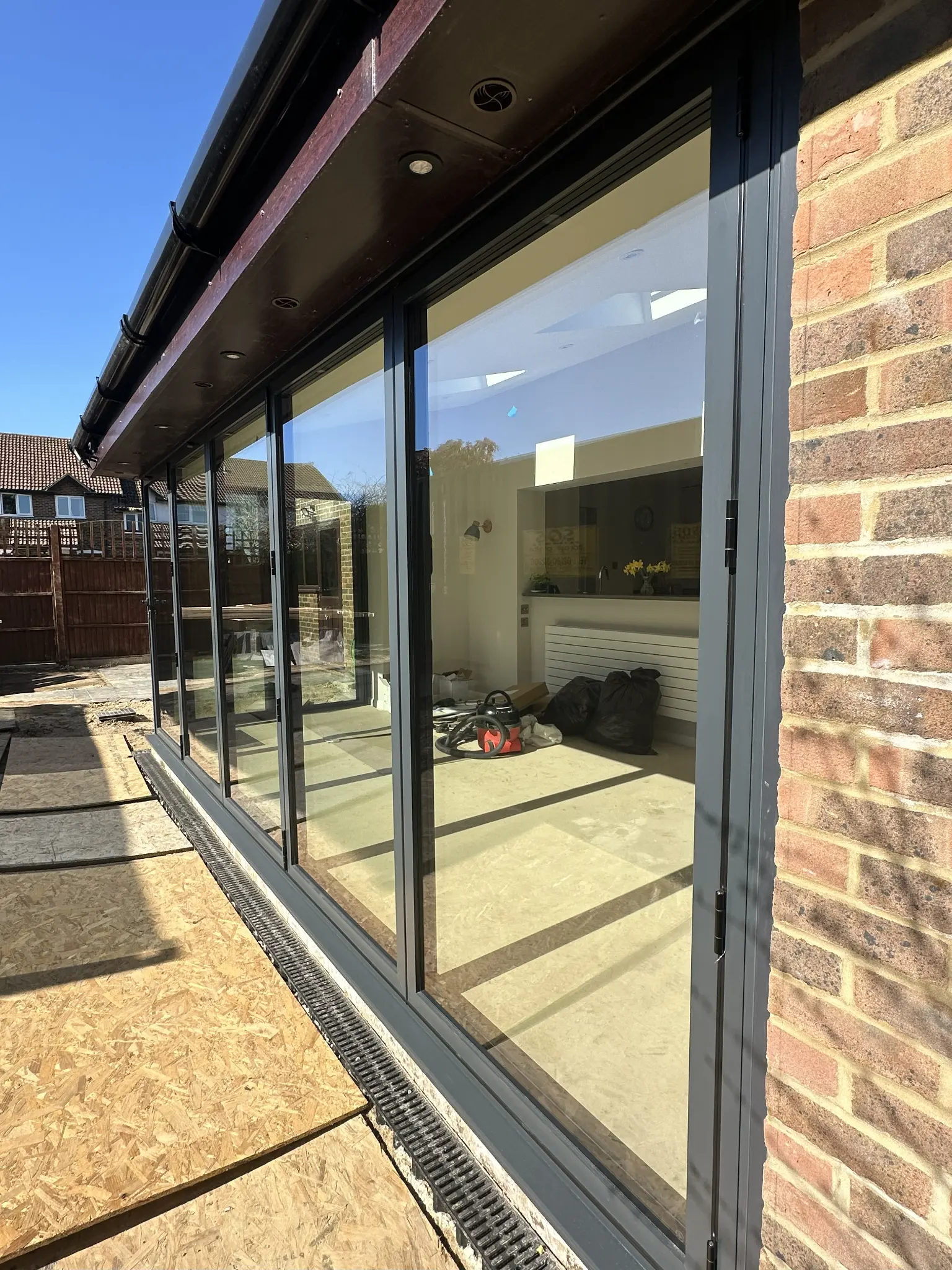
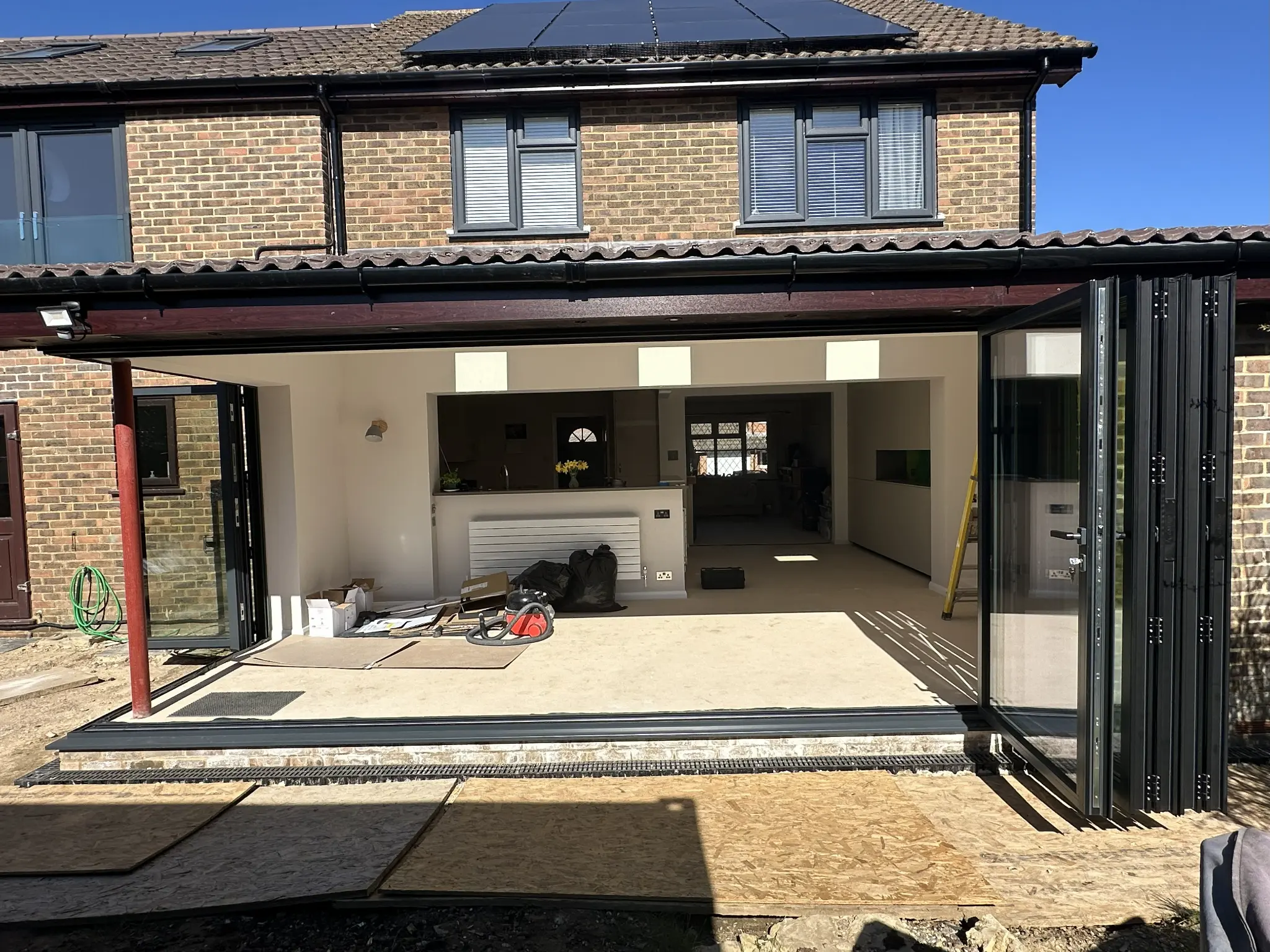
- Bifold Glass Doors: Popular for opening up large spaces to gardens, these doors use a complex system of top and bottom tracks, hinges, and multipoint locking mechanisms.
- Pivot Glass Doors: Offer a grand entrance, pivoting on a vertical axis. They require specialised pivot hinges (top and bottom) and often discreet floor springs or overhead closers.
- Frameless Glass Doors: These doors, often used internally, rely heavily on patch fittings for hinges and locks, demanding precise installation and high-quality hardware to maintain structural integrity.
The choice of glass itself also impacts hardware. Toughened safety glass is mandatory for most door applications in the UK, especially where there's a risk of human impact (e.g., within 1500mm of floor level for doors, or 800mm for side panels, as per Approved Document K of the Building Regulations). Laminated glass may also be used for enhanced security or acoustic performance.
Essential Hardware Components for Glass Doors
Every glass door system comprises several key hardware elements, each playing a vital role in its functionality, security, and aesthetic appeal.
Hinges and Pivots
For hinged and pivot doors, these are paramount. Unlike traditional wooden doors, glass doors require hardware that can securely grip the glass without drilling, or through pre-drilled holes in toughened glass.
- Patch Fittings: These are metal plates that clamp onto the corners or edges of frameless glass doors. They contain the hinge mechanism and are available in various finishes. They are discreet and maintain the minimalist look of frameless glass.
- Floor Springs / Overhead Closers: Often used with pivot or heavy hinged doors, these devices control the door's opening and closing speed, preventing slamming and ensuring smooth operation. Floor springs are concealed within the floor, while overhead closers are mounted above the door frame.
- Pivot Hinges: For pivot doors, these allow the door to rotate on a vertical axis. They are typically top and bottom mounted, often integrated with floor springs for controlled movement.
- Continuous Hinges (Piano Hinges): Sometimes used for bifold systems, providing strength along the entire length of the door.
Handles and Pulls
Handles for glass doors come in a vast array of designs and materials, from sleek pull handles to integrated lever handles with locking mechanisms.
- Pull Handles: Simple, elegant handles that are fixed through the glass. They can be back-to-back (on both sides) or single-sided. Popular materials include stainless steel, brass, and aluminium.
- Lever Handles: Often used with patch locks or mortice locks, these provide a more traditional opening mechanism.
- Flush Handles: Recessed into the glass or frame, ideal for sliding or pocket doors where a protruding handle would obstruct movement.
Locking Mechanisms
Security is a primary concern, especially for external glass doors or internal doors requiring privacy.
- Patch Locks: Designed for frameless glass doors, these clamp onto the glass and incorporate a cylinder lock. They can be key-operated from one or both sides, or a thumb-turn for internal privacy.
- Deadbolts: For framed glass doors, standard deadbolts can be integrated into the frame.
- Multipoint Locking Systems: Essential for bifold and sliding patio doors, these engage at multiple points along the door frame, offering superior security and weather sealing. They are typically operated by a single handle.
- Magnetic Locks: Often used in commercial settings or for internal doors where access control is paramount, these use an electromagnet to secure the door.
Tracks and Rollers (for Sliding/Bifold Doors)
These components are critical for the smooth and reliable operation of sliding and bifold systems.
- Top and Bottom Tracks: Guide the door panels. Top-hung systems (where the weight is primarily supported by the top track) are generally preferred as they keep the bottom track less obtrusive and free from debris.
- Rollers/Carriers: High-quality, durable rollers are essential to support the weight of the glass and ensure effortless movement. Stainless steel or nylon rollers with sealed bearings are recommended for longevity.
Pro Tip
When selecting hardware for external glass doors, always prioritise materials that offer excellent corrosion resistance, such as marine-grade stainless steel (316L). This is especially important in coastal areas or environments with high humidity, to prevent rust and maintain aesthetic appeal and functionality over time.
Materials, Finishes, and Durability
The material and finish of your glass door hardware not only impact its appearance but also its durability and suitability for different environments.
| Material/Finish | Characteristics | Pros | Cons | Typical Use |
|---|---|---|---|---|
| Stainless Steel (304/316L) | Highly durable, corrosion-resistant alloy. 316L is marine-grade. | Excellent strength, weather resistance, modern aesthetic, low maintenance. | Higher cost than some alternatives. | External doors, high-traffic areas, bathrooms, kitchens. |
| Brass (Polished/Satin) | Copper-zinc alloy, can be polished to a high shine or brushed. | Classic, luxurious look, good antimicrobial properties, durable. | Can tarnish over time (requires polishing if unlacquered), higher cost. | Internal doors, traditional or luxury settings. |
| Aluminium | Lightweight, strong, often anodised or powder-coated. | Corrosion-resistant, versatile finishes, cost-effective. | Can dent more easily than steel, less robust for heavy-duty applications. | Framed doors, internal applications, sliding systems. |
| Chrome (Polished/Satin) | Plated finish over brass or steel. | Bright, reflective finish (polished), modern look (satin), easy to clean. | Can show fingerprints easily (polished), plating can chip if abused. | Internal doors, bathrooms, contemporary interiors. |
| Powder-Coated | Durable paint finish applied electrostatically and baked on. | Wide range of colours, good chip resistance, weather-resistant. | Can be scratched, difficult to repair chips. | External doors, bifold systems, custom aesthetics. |

UK Building Regulations and Safety Considerations
Adhering to UK Building Regulations is not just a legal requirement but also ensures the safety and energy efficiency of your home. While specific hardware components aren't individually regulated, the overall performance of the door system must comply.
Part L (Conservation of Fuel and Power)
For external glass doors, compliance with Approved Document L is critical. This mandates minimum thermal performance standards (U-values) to prevent heat loss.
- New Build Doors: Typically require a U-value of 1.2 W/m²K or better.
- Replacement Doors: Typically require a U-value of 1.4 W/m²K or better.
The frame material, glass specification (e.g., double or triple glazing, low-emissivity coatings, argon gas fill), and the quality of seals and gaskets all contribute to achieving these U-values. Hardware, particularly its impact on sealing and frame integrity, plays an indirect but important role.
Part K (Protection from Falling, Collision and Impact)
Approved Document K specifies requirements for safety glazing. All glass in doors and side panels (within 300mm of the door edge and up to 1500mm from floor level) must be safety glass (toughened or laminated) to prevent serious injury in case of breakage. Ensure your chosen hardware is compatible with the thickness and type of safety glass used.
Security (Part Q - Optional but Recommended)
While not universally mandatory for all residential doors, Approved Document Q sets standards for security for new dwellings. For external doors, this typically means resistance to opportunistic burglars. Look for hardware (locks, hinges, handles) that meets PAS 24:2016 (or equivalent) standards. Multipoint locking systems are often key to achieving this.
Fire Safety (Part B - Specific Applications)
In certain scenarios, such as doors leading to an integral garage or in multi-occupancy buildings, fire-rated glass doors and hardware may be required. This is a highly specialised area, and professional advice from Building Control or a fire safety expert is essential.
Always consult with your local Building Control body or a qualified installer to ensure your chosen glass door system, including its hardware, fully complies with all relevant regulations for your specific project.
Installation and Maintenance Considerations
The performance and longevity of your glass door hardware are heavily dependent on correct installation and regular maintenance.
Professional Installation
Glass doors, especially frameless or large sliding/bifold systems, are heavy and require precise installation. Attempting DIY installation without the necessary expertise can lead to:
- Safety Hazards: Improperly installed glass can be dangerous.
- Poor Performance: Doors may not open/close smoothly, leading to frustration and premature wear.
- Voided Warranties: Most manufacturers' warranties are contingent on professional installation.
- Non-Compliance: Incorrect installation may mean the door system fails to meet Building Regulations.
Always engage experienced professionals who specialise in architectural glazing.
Maintenance Tips
- Regular Cleaning: Clean hardware with a soft cloth and mild, non-abrasive cleaner. Avoid harsh chemicals that can damage finishes.
- Lubrication: Moving parts like hinges, rollers, and lock mechanisms benefit from occasional lubrication with a silicone-based spray or light oil (check manufacturer guidelines). This prevents squeaking and ensures smooth operation.
- Tightening Screws: Over time, screws can loosen. Periodically check and gently tighten any visible screws on hinges, handles, and tracks. Do not overtighten, especially on glass patch fittings.
- Seal Inspection: For external doors, regularly inspect seals and gaskets around the glass and frame. Damaged seals can lead to drafts and reduced thermal performance.
- Track Cleaning: For sliding and bifold doors, keep tracks free of dirt, dust, and debris, which can impede movement and damage rollers.
Choosing the Right Supplier and Hardware
Selecting the right hardware is a critical step. Here's what to look for:
Quality & Durability
Opt for hardware from reputable manufacturers known for high-quality materials and robust construction. Inferior hardware can lead to premature failure and safety issues.
Compatibility
Ensure the hardware is specifically designed for glass doors and is compatible with your chosen glass thickness and door type (e.g., frameless, framed, sliding).
Aesthetics & Finish
The hardware should complement the overall design of your home and the door itself. Consider finishes that match other fixtures and fittings.
Warranty & Support
Check the warranty offered on the hardware. A good warranty reflects the manufacturer's confidence in their product. Also, consider the availability of spare parts and technical support.
When making decisions about glass door hardware, it's always beneficial to consult with experts. Shard Architectural Glazing specialises in high-quality glass door systems and can provide guidance on selecting the most appropriate and compliant hardware for your specific project. Our team understands the nuances of UK Building Regulations and can help you achieve both stunning aesthetics and reliable performance.
Explore Our Products
Discover how Shard Architectural Glazing can transform your home with our premium glazing solutions:
Ready to Transform Your Home?
Get in touch with our expert team for a free consultation and personalised quote. We'll help you choose the perfect glazing solution for your property.