

Modern Architectural Trends for UK Homes: A Comprehensive Guide
Explore contemporary architectural trends transforming UK homes. Understand design principles, material choices, and Building Regulations for your next renovation or build.

Shard Architectural Glazing
13 May 2026
Explore contemporary architectural trends transforming UK homes. Understand design principles, material choices, and Building Regulations for your next renovation or build.
📋In This Article
Modern architecture is continually evolving, shaping the way we live, work, and interact with our surroundings. For UK homeowners considering a new build, extension, or significant renovation, understanding these contemporary architectural trends is crucial. It's not just about aesthetics; it's about creating spaces that are functional, sustainable, and enhance well-being. This guide delves into the key characteristics, popular trends, material considerations, and regulatory aspects of modern architectural design in the UK.
Defining Modern Architecture in the UK Context
Modern architecture, particularly in a residential context, often refers to a departure from traditional styles, embracing clean lines, open spaces, and a strong connection to nature. It's less about a single aesthetic and more about a philosophy that prioritises functionality, efficiency, and a minimalist approach. While 'modern' can sometimes be confused with 'contemporary' (which refers to current trends), in this context, we'll explore the overarching principles that define today's cutting-edge home design.
Core Principles of Modern Architectural Design
- Simplicity and Clean Lines: A rejection of ornate detailing in favour of uncluttered forms and smooth surfaces.
- Open-Plan Living: Maximising space and light by minimising internal walls, creating fluid transitions between living, dining, and kitchen areas.
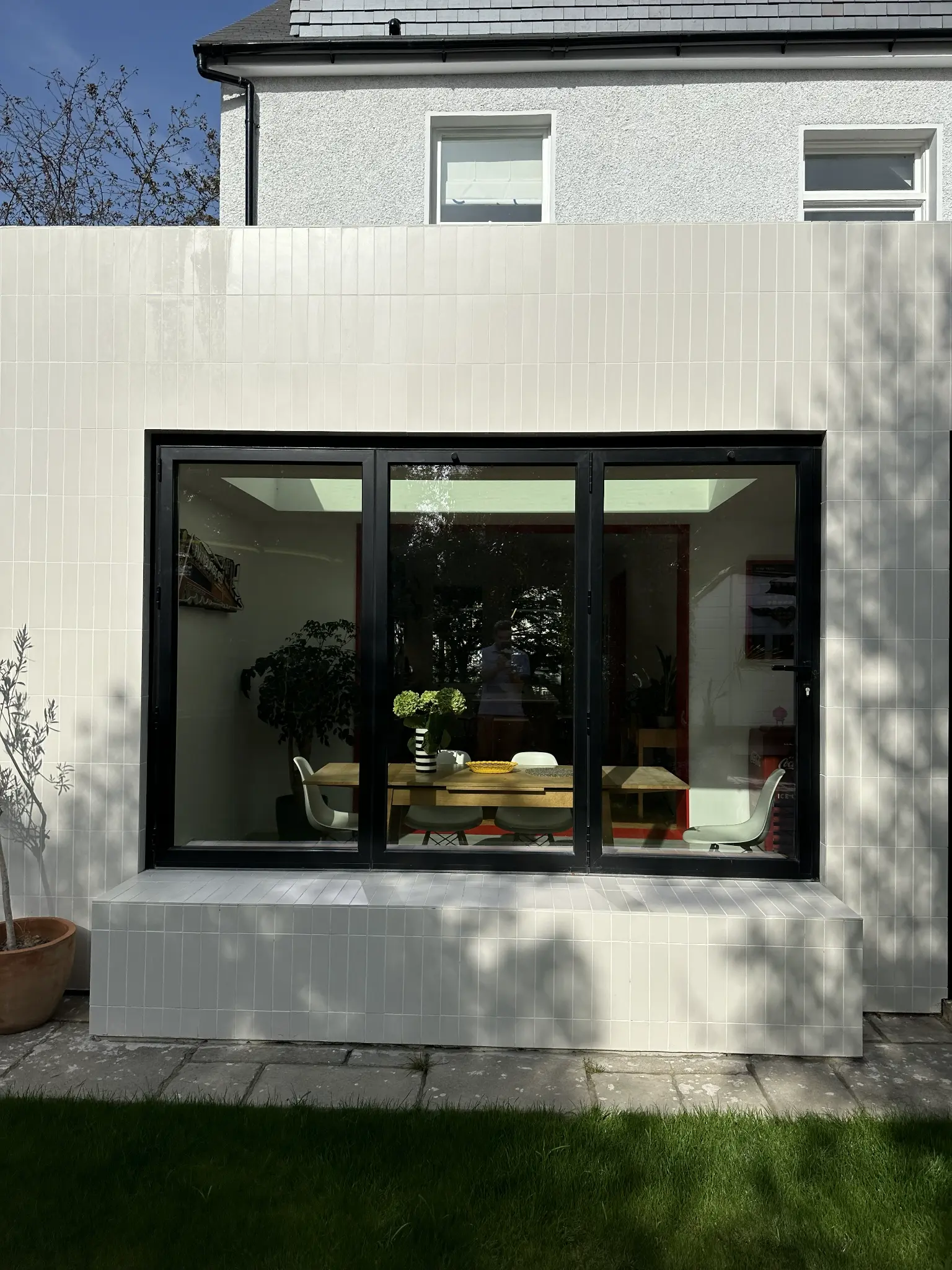
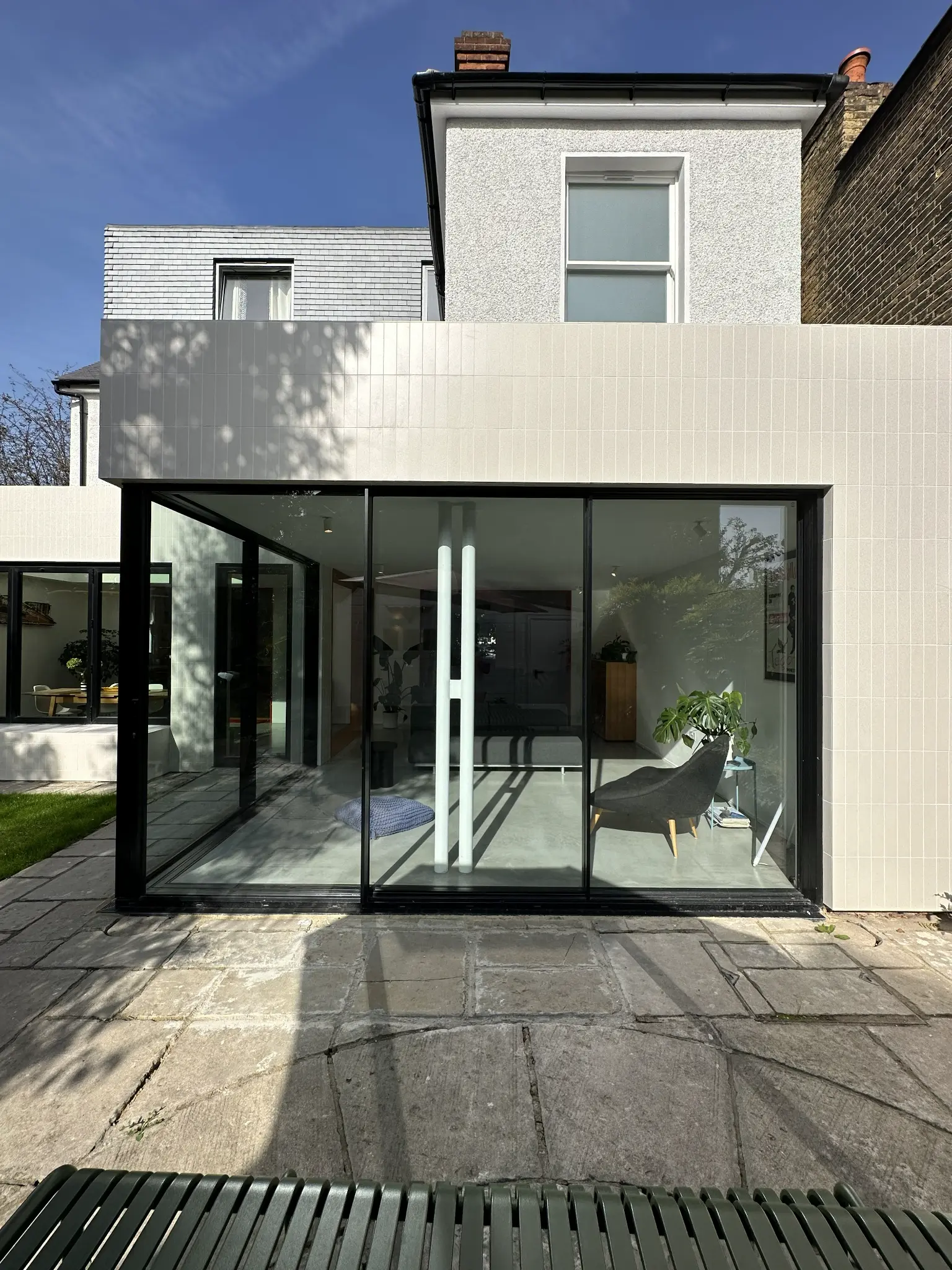
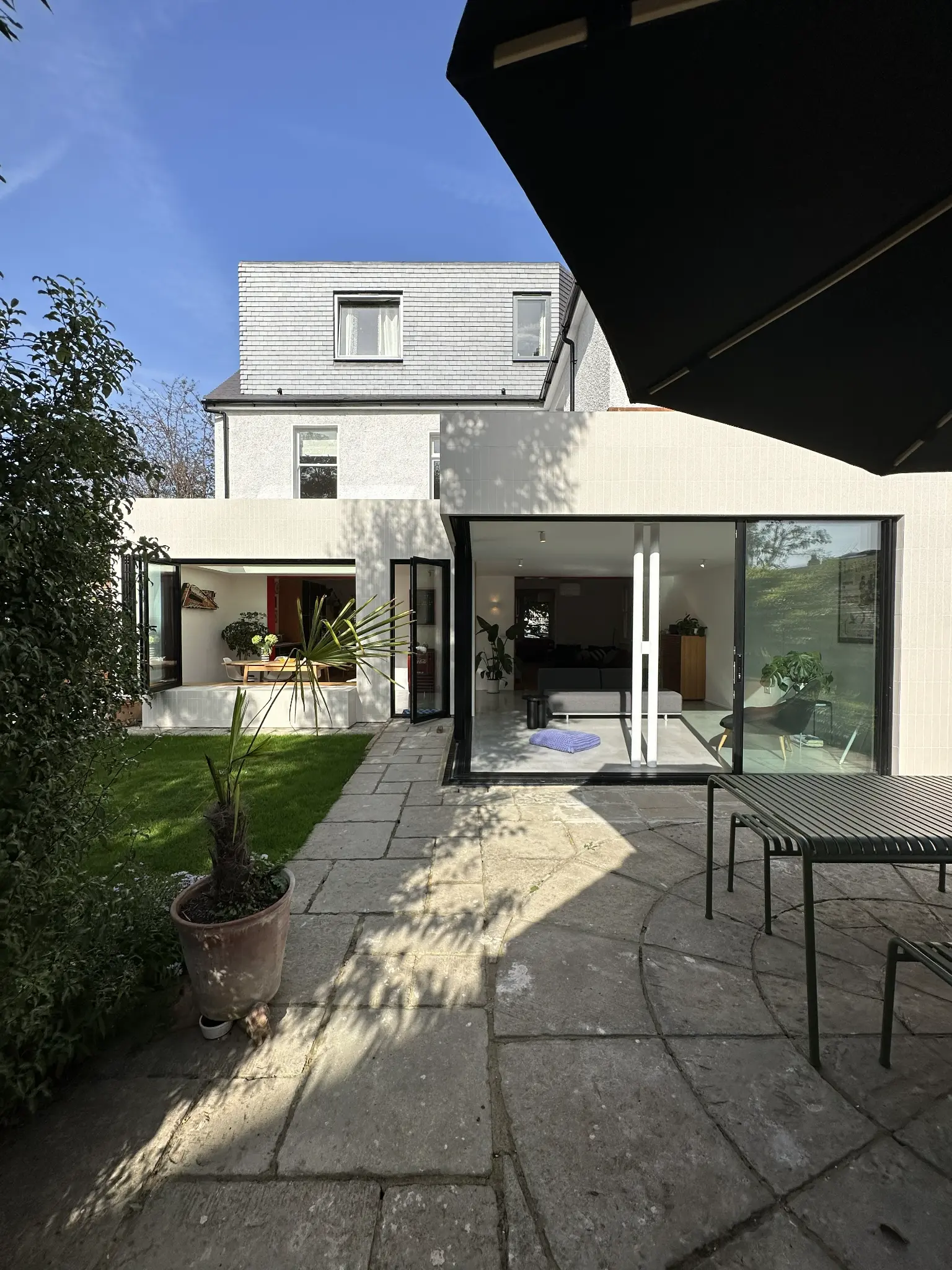
- Large Glazing and Natural Light: Extensive use of glass to bring natural light deep into the home and offer expansive views, blurring the lines between indoor and outdoor.
- Connection to Nature: Integrating outdoor spaces, gardens, and natural elements into the design, often through large openings, patios, and green roofs.
- Sustainable Design: Emphasis on energy efficiency, renewable materials, and reduced environmental impact.
- Honesty of Materials: Celebrating the natural beauty and texture of materials like timber, concrete, brick, and steel, often leaving them exposed.
Pro Tip
When planning a modern extension or new build, consider the orientation of your property. Strategic placement of large glazing can maximise natural light and passive solar gain in winter, while appropriate shading (e.g., overhangs, brise soleil) can prevent overheating in summer. This thoughtful design significantly contributes to energy efficiency.
Key Modern Architectural Trends in UK Homes
Several distinct trends are shaping the modern UK home, each offering unique benefits and design possibilities.
1. Biophilic Design
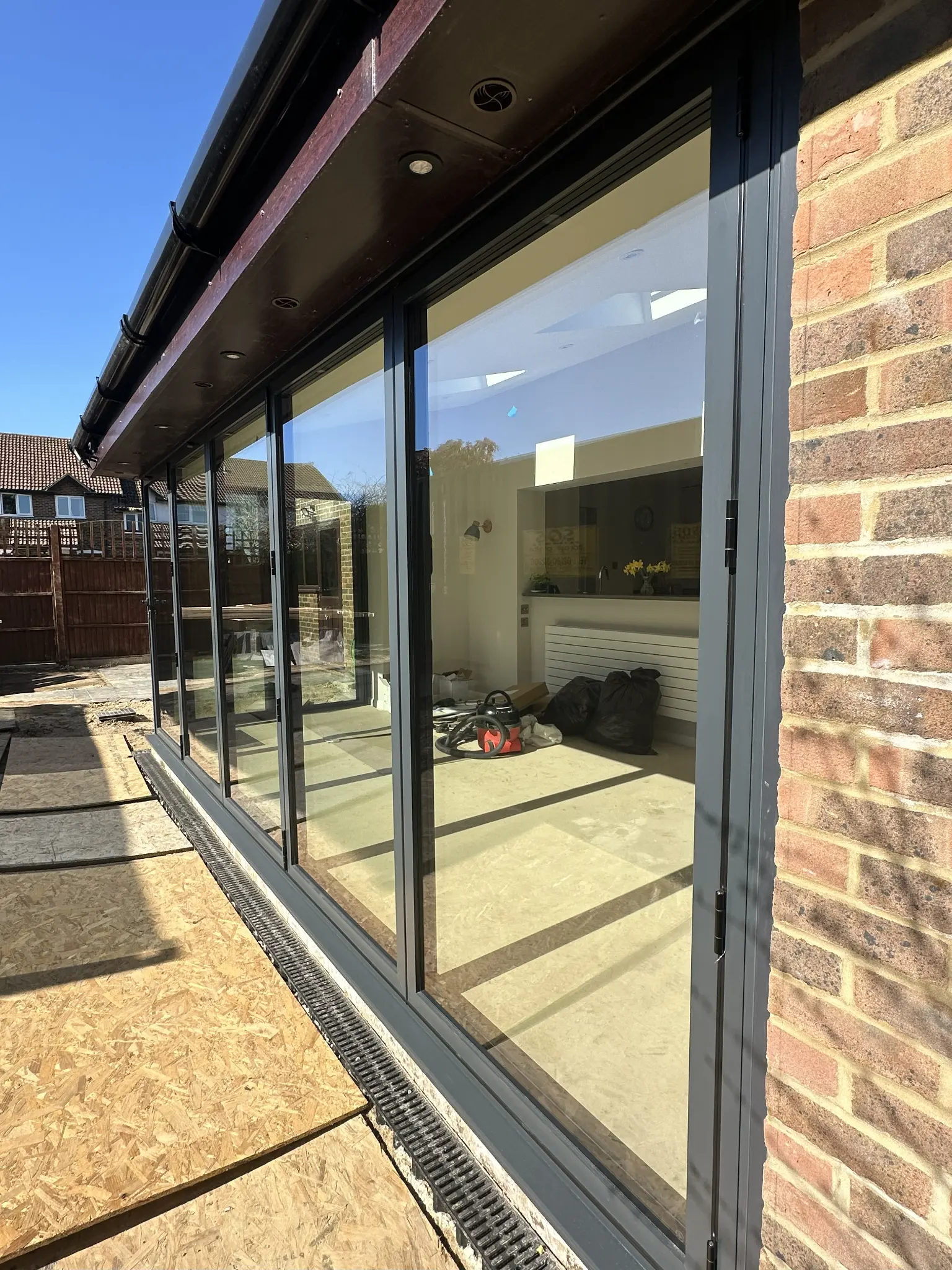
Biophilic design integrates natural elements into the built environment to enhance human connection to nature. This goes beyond just having plants; it involves natural light, natural ventilation, views of nature, and the use of natural materials and patterns. Examples include internal courtyards, living walls, large sliding or bifold doors that open fully to gardens, and the use of natural timber or stone finishes indoors.
2. Sustainable and Eco-Friendly Architecture
With increasing environmental awareness and stringent Building Regulations, sustainable design is paramount. This trend focuses on:
- High Thermal Performance: Excellent insulation in walls, floors, and roofs, coupled with high-performance glazing.
- Renewable Energy Systems: Integration of solar panels (PV or thermal), air source heat pumps, or ground source heat pumps.
- Sustainable Materials: Sourcing local, recycled, or low-impact materials (e.g., reclaimed timber, recycled steel, natural insulation like sheep's wool).
- Water Harvesting: Rainwater harvesting systems for garden irrigation or toilet flushing.
- Minimising Waste: Designing for deconstruction and using modular construction techniques to reduce site waste.
3. Industrial Chic and Exposed Materials
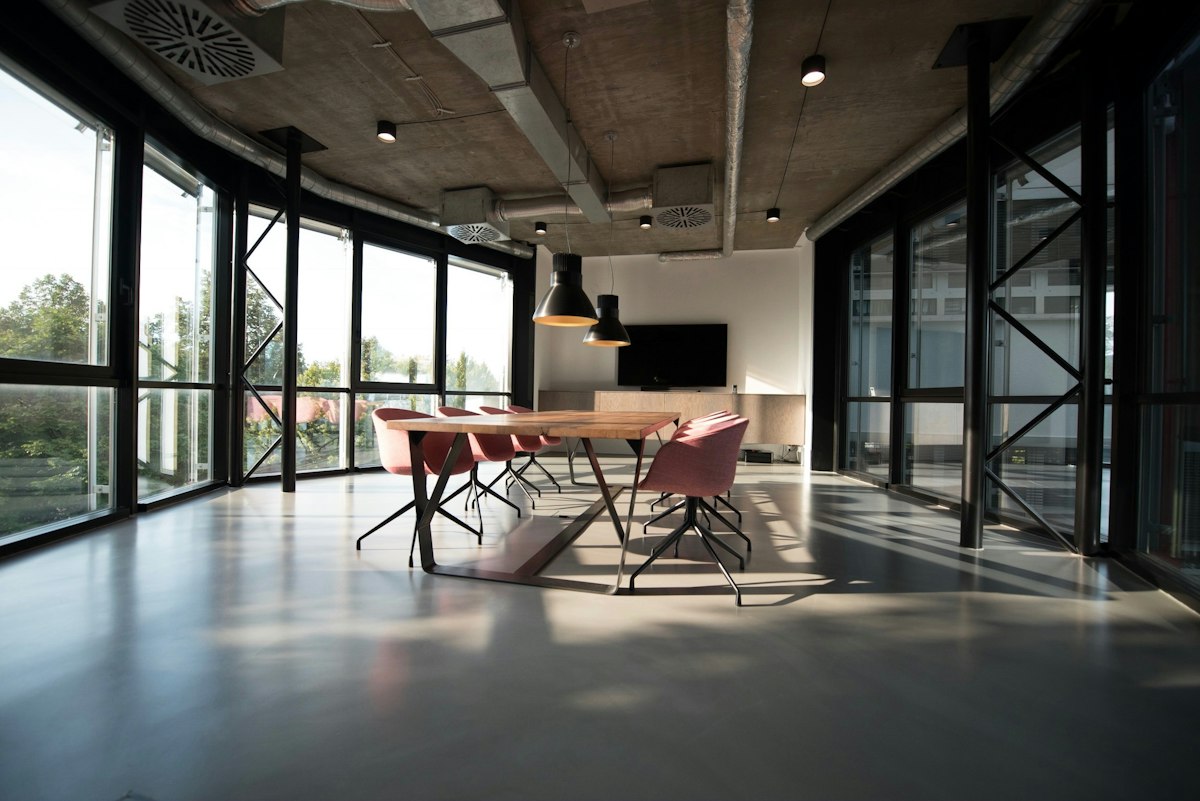
Drawing inspiration from industrial buildings, this trend celebrates raw, honest materials. Exposed brickwork, polished concrete floors, visible steel beams, and ductwork are common features. This aesthetic often pairs well with large, minimalist glazing and open-plan layouts, creating a sense of spaciousness and urban sophistication.
4. Smart Home Integration
Technology is seamlessly integrated into modern homes, offering enhanced comfort, security, and efficiency. This includes automated lighting, climate control, smart security systems, integrated entertainment, and even smart appliances, all controllable via central hubs or mobile devices. Planning for this integration early in the design phase is crucial to avoid retrofitting challenges.
5. Maximising Natural Light and Views
This is perhaps the most defining characteristic of modern architectural glazing. Floor-to-ceiling windows, expansive sliding or bifold doors, rooflights, and glass extensions are used to flood interiors with light and connect occupants with their surroundings. The aim is to create a bright, airy, and uplifting atmosphere, often making smaller spaces feel larger.
Material Choices and Performance in Modern Design
The selection of materials is critical in achieving both the aesthetic and performance goals of modern architecture. Here’s a look at common choices:
Glazing: The Heart of Modern Aesthetics
Large format glazing is central to modern design. Options include:
- Aluminium Frames: Popular for their strength, slim sightlines, durability, and low maintenance. Available in a wide range of colours.
- Timber Frames: Offer natural warmth and excellent thermal properties, but require more maintenance. Often used in Scandinavian-inspired designs.
- Composite Frames: Combine the best of both worlds, e.g., timber internally for aesthetics and aluminium externally for weather resistance.
- Glass Types: Double glazing is standard, but triple glazing offers superior thermal performance. Low-emissivity (low-e) coatings, argon gas fills, and warm edge spacers are essential for meeting energy efficiency targets. Solar control glass can mitigate overheating in large south-facing elevations.
Comparison of Glazing Frame Materials
| Feature | Aluminium | Timber | Composite (Alu-Clad Timber) |
|---|---|---|---|
| Aesthetics | Slim, modern, industrial | Natural, warm, traditional/contemporary | Modern exterior, natural interior |
| Durability | Excellent, resistant to corrosion | Good, if well-maintained | Excellent (external), Good (internal) |
| Maintenance | Very Low | High (repainting/staining) | Low (external), Moderate (internal) |
| Thermal Performance | Good (with thermal breaks) | Excellent (natural insulator) | Excellent |
| Cost | Moderate to High | Moderate to High | High |
| Sustainability | Recyclable, high embodied energy | Renewable, low embodied energy | Combines benefits |
Other Key Materials
- Render: Monocouche or silicone renders offer a sleek, contemporary finish in various colours.
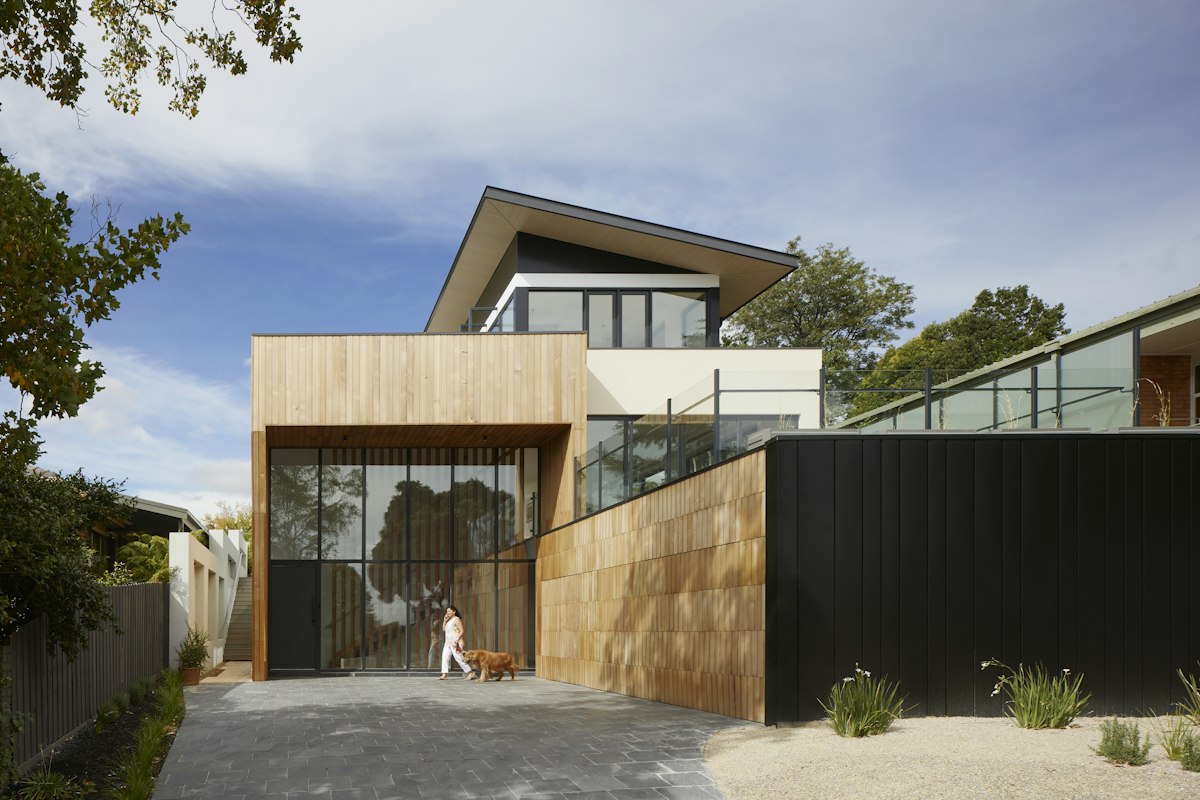
- Timber Cladding: Natural, sustainable, and adds warmth. Popular choices include cedar, larch, and accoya.
- Brickwork: Modern brickwork often features clean lines, flush pointing, or unusual bonds for a contemporary twist.
- Concrete: Polished concrete floors, exposed concrete walls, or pre-cast concrete elements provide an industrial, minimalist aesthetic.
- Steel: Used for structural elements (often exposed) and for slim-framed glazing systems.
UK Building Regulations and Modern Design
Adhering to UK Building Regulations is paramount for any new build or significant renovation. Modern designs, especially those with large glazed areas, require careful planning to ensure compliance, particularly concerning energy efficiency (Part L) and structural integrity (Part A).
Part L (Conservation of Fuel and Power) – England 2022
This section dictates the thermal performance requirements for building elements. For modern designs, achieving these values with extensive glazing can be a challenge but is entirely achievable with high-performance products and careful design.
- Walls (new build & extensions): U-value of 0.18 W/m²K
- Floors: U-value of 0.18 W/m²K
- Roofs: U-value of 0.15 W/m²K
- Windows/Doors (new build): U-value of 1.2 W/m²K
- Windows/Doors (replacement): U-value of 1.4 W/m²K
To meet these stringent U-values, especially for large glazed areas, specifying high-performance double or triple glazing with low-e coatings, warm edge spacers, and inert gas fills is essential. The overall design must demonstrate that the dwelling as a whole meets the required energy performance targets, often calculated using software like SAP (Standard Assessment Procedure).
Other Relevant Parts of Building Regulations
- Part A (Structure): Ensures the structural stability of the building. Large openings and cantilevers common in modern designs require careful structural engineering.
- Part B (Fire Safety): Addresses fire escape routes, fire resistance of materials, and smoke detection. Open-plan layouts need careful consideration to ensure adequate fire safety provisions.
- Part F (Ventilation): Ensures adequate fresh air supply. Modern, airtight homes require controlled ventilation systems, such as mechanical ventilation with heat recovery (MVHR).
- Part K (Protection from falling, collision and impact): Relates to safety glazing, balustrades, and guarding, particularly important around large glazed areas or elevated spaces.
It is always advisable to consult with a qualified architect or Building Control officer early in the design process to ensure your modern architectural plans comply with all relevant regulations.
Benefits of Embracing Modern Architectural Trends
Adopting modern architectural principles offers numerous advantages for homeowners:
Enhanced Living Experience
Open-plan layouts, abundant natural light, and a strong connection to the outdoors create bright, airy, and flexible spaces that promote well-being and a sense of spaciousness, enhancing daily living.
Superior Energy Efficiency
Modern designs inherently focus on high thermal performance, incorporating advanced insulation, high-performance glazing, and often renewable energy systems, leading to lower energy bills and a reduced carbon footprint.
Increased Property Value
A well-executed modern design, especially one that is sustainable and compliant with current regulations, can significantly increase the market appeal and value of a property, attracting discerning buyers.
Future-Proofing Your Home
By integrating smart home technology and designing for adaptability, modern architecture ensures your home remains functional, comfortable, and relevant for years to come, accommodating evolving lifestyles and technological advancements.
Potential Drawbacks and Considerations
While modern architecture offers many benefits, it's important to be aware of potential challenges:
- Cost: High-performance materials, bespoke glazing, and advanced building techniques can sometimes incur higher initial costs compared to conventional construction.
- Overheating: Large south or west-facing glazed areas can lead to overheating in summer if not properly designed with shading solutions (e.g., overhangs, external blinds, solar control glass).
- Privacy: Extensive glazing can compromise privacy, necessitating careful consideration of site orientation, landscaping, and window treatments.
- Acoustics: Open-plan spaces can sometimes suffer from poor acoustics, leading to echo and noise transmission. Careful material selection (e.g., soft furnishings, acoustic panels) can mitigate this.
- Maintenance: While many modern materials are low maintenance, large expanses of glass will require regular cleaning to maintain their aesthetic appeal.
- Planning Permission: Modern designs, especially those that significantly alter the character of an area, may face challenges in obtaining planning permission, particularly in conservation areas or for listed buildings. Early engagement with local planning authorities is crucial.
Conclusion
Modern architectural trends offer exciting possibilities for creating beautiful, functional, and sustainable homes in the UK. By embracing principles of simplicity, natural light, connection to nature, and high performance, homeowners can create spaces that are not only aesthetically pleasing but also a joy to live in and contribute positively to the environment. Careful consideration of material choices, adherence to Building Regulations, and working with experienced professionals are key to successfully realising your modern architectural vision.
At Shard AG, we specialise in providing high-performance architectural glazing solutions that are perfectly suited to modern home designs. From ultra-slim framed sliding doors and bifold doors to bespoke windows and rooflights, our products are engineered to meet the stringent demands of contemporary architecture and UK Building Regulations. We work closely with architects, builders, and homeowners to ensure our glazing integrates seamlessly into your project, delivering exceptional aesthetics, thermal performance, and durability.
Explore Our Products
Discover how Shard Architectural Glazing can transform your home with our premium glazing solutions:
Ready to Transform Your Home?
Get in touch with our expert team for a free consultation and personalised quote. We'll help you choose the perfect glazing solution for your property.