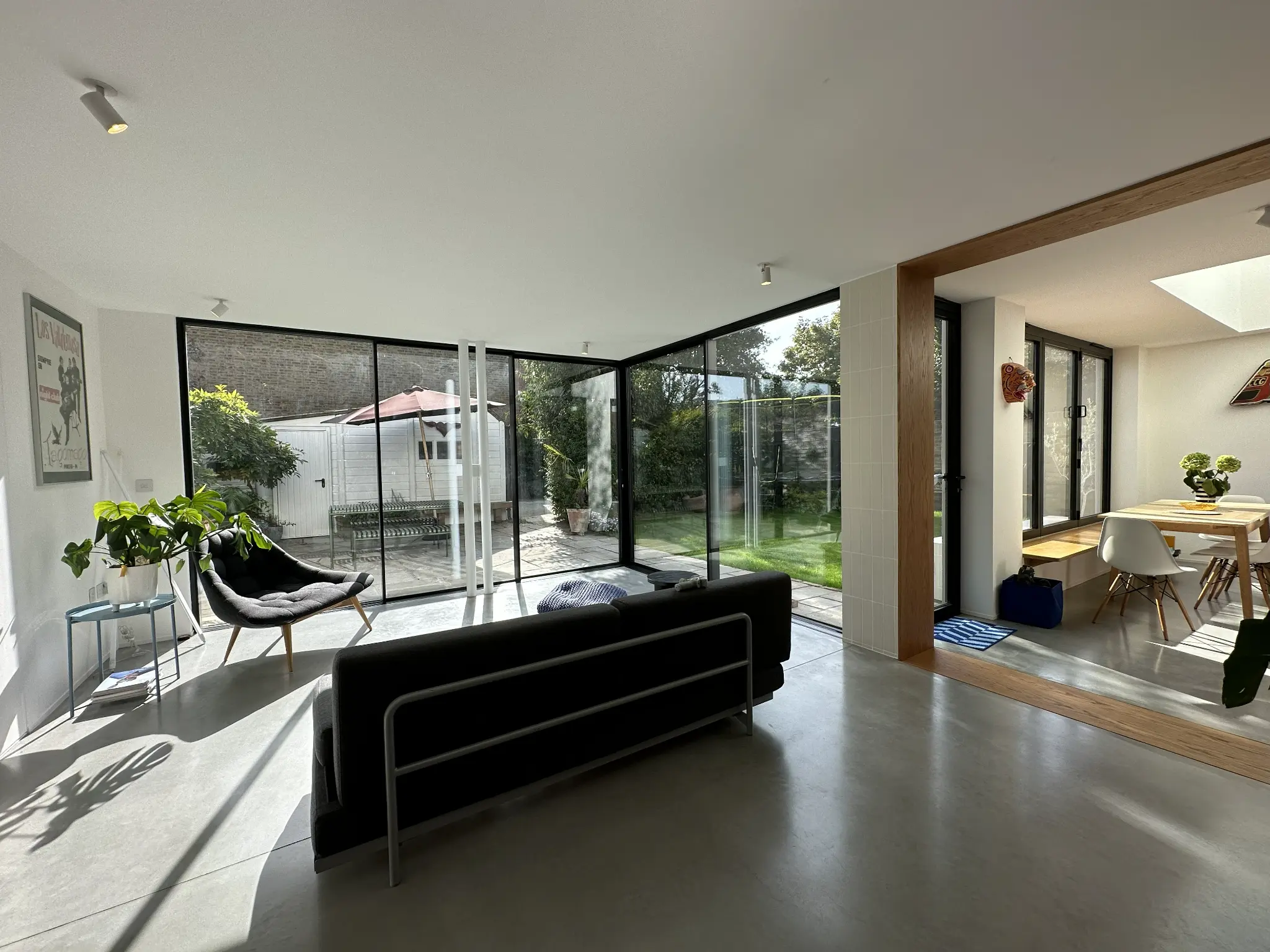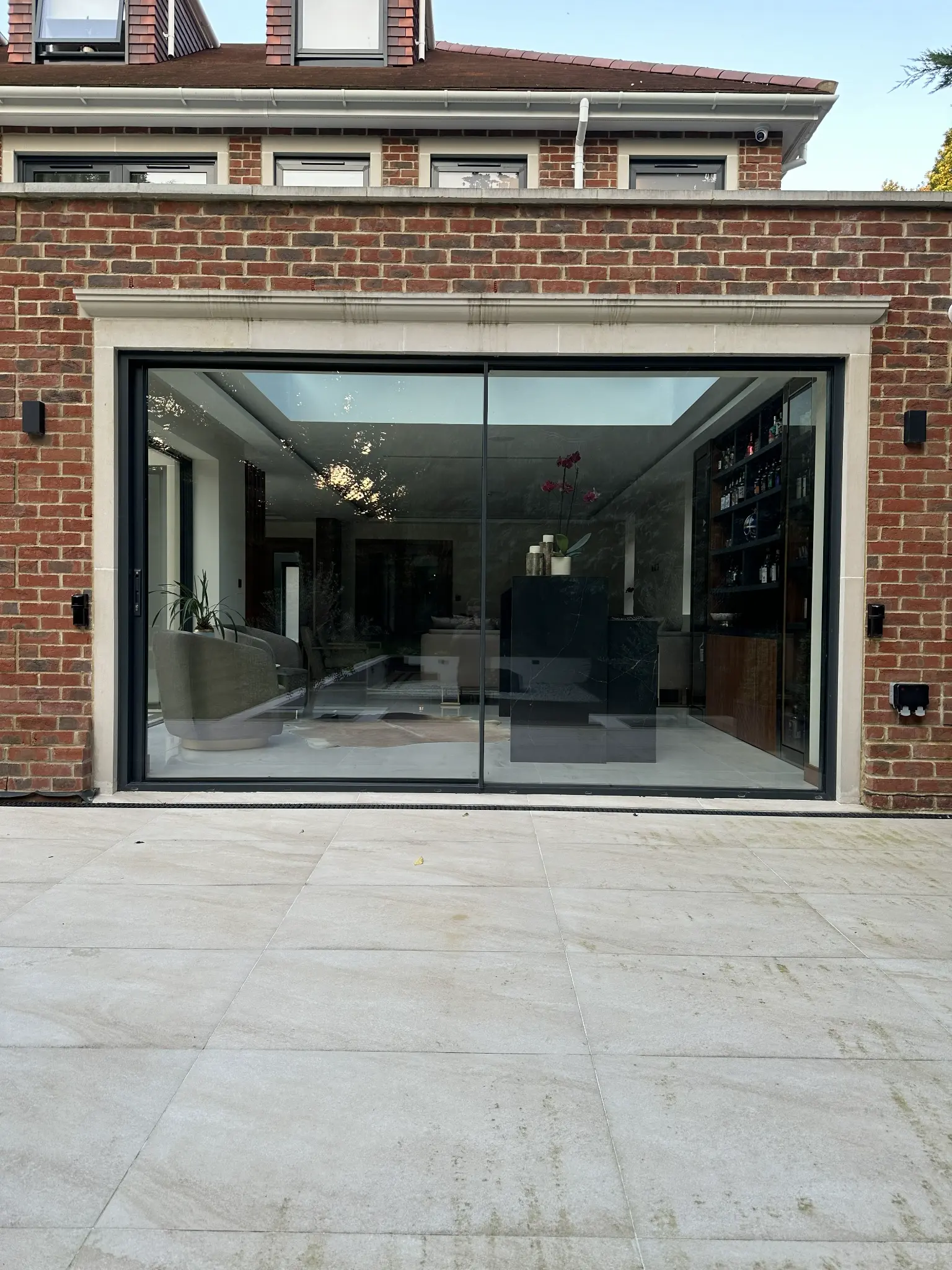


Sliding doors are a fantastic architectural element, offering expansive views, maximising natural light, and creating a seamless transition between indoor and outdoor spaces. However, choosing the right system involves navigating various material options, glazing specifications, and crucial compliance requirements under UK Building Regulations. This comprehensive guide provides the technical knowledge necessary for making an informed decision for your home improvement project.
1. Understanding the Types and Materials
The term 'sliding door' encompasses several distinct mechanisms, each offering different aesthetic and functional benefits. The choice of material significantly impacts performance, maintenance, and cost.
Lift-and-Slide Doors vs. Inline Sliding Doors
- Inline Sliding Doors: These are the most common type. The door panels slide parallel to each other on a track. They are generally simpler, more cost-effective, and require less maintenance. However, they rely on brush seals for weatherproofing, which can sometimes be less effective than compression seals.
- Lift-and-Slide Doors: These doors feature an advanced mechanism where, when the handle is turned, the panel is slightly lifted off its seals and rollers, allowing it to glide smoothly. When closed, the weight of the panel drops back down, creating a tight, compression seal. This offers superior thermal performance, weather resistance, and allows for much heavier, larger glass panels.
Material Options for Frames
The frame material dictates the door's structural integrity, thermal performance, and required maintenance.
- Aluminium: Highly popular due to its strength, durability, and ability to support very large panes of glass with slim sightlines. Modern aluminium systems use advanced polyamide thermal breaks to prevent heat transfer, ensuring excellent U-values. Aluminium is low maintenance and available in almost any RAL colour.
- uPVC (Unplasticised Polyvinyl Chloride): The most budget-friendly option. uPVC offers good thermal efficiency but typically results in thicker frames (larger sightlines) compared to aluminium. It is durable but less suitable for very large, heavy door sets.
- Timber (Wood): Offers a classic, natural aesthetic. Timber provides excellent natural insulation but requires regular maintenance (painting/staining) to protect it from the UK weather. Engineered timber is often used for stability.
2. Thermal Performance and UK Building Regulations (Part L)
In the UK, any new or replacement glazing installation must comply with Part L (Conservation of Fuel and Power) of the Building Regulations. This is critical for ensuring energy efficiency and avoiding excessive heat loss.
Understanding U-Values
The U-value measures how effectively a building element (like a window or door) prevents heat from escaping. The lower the U-value, the better the insulation.
Pro Tip
When comparing quotes, always request the Whole Product U-value (Uw), not just the centre pane U-value (Ug). The Uw accounts for the thermal performance of the frame, glass, and spacer bar combined, giving you the true measure of efficiency.
For installations in England (following the 2022 uplift to Part L), the following standards typically apply:
- Replacement Doors/Windows (Existing Dwellings): The door set must achieve a U-value no worse than 1.4 W/m²K.
- New Builds or Extensions: The door set must achieve a U-value no worse than 1.2 W/m²K.
Achieving these low U-values often necessitates high-specification glazing, thermal breaks in the frame, and warm edge spacer bars.
Glazing Specification
To meet modern thermal requirements, double glazing is the minimum standard. However, for very large sliding doors or to achieve the 1.2 W/m²K standard, triple glazing may be required, especially if the frame material is less thermally efficient.
- Low-E Coatings: Essential for reflecting internal heat back into the room while allowing solar gain (heat from the sun) into the property.
- Inert Gas Filling: The space between the glass panes (cavity) should be filled with an inert gas, usually Argon, which is denser than air and significantly reduces heat transfer.
- Warm Edge Spacer Bars: These replace traditional aluminium spacers (which conduct heat) with composite materials, reducing thermal bridging around the edge of the glass unit.
3. Security, Weatherproofing, and Operation
Large sliding doors can present security challenges if not specified correctly. Furthermore, given the UK's unpredictable climate, robust weatherproofing is non-negotiable.
Security Standards
UK homeowners should look for doors certified to PAS 24: 2016. This is the enhanced security standard that demonstrates the door has been rigorously tested against common attack methods. Key security features include:
- Multi-point locking systems: Engaging locking points along the entire height of the door panel.
- Anti-lift mechanisms: Preventing the sliding panel from being lifted off its track when closed.
- Laminated or Toughened Glass: Toughened glass is standard for safety (breaking into small, blunt pieces), but laminated glass offers superior security as the inner layer holds the glass together even when shattered.
Weatherproofing
The door must be rated to withstand wind load, air permeability, and water tightness according to European standards (BS EN 14351-1). Look for doors with high ratings, particularly for water tightness, measured in Pascals (Pa). Lift-and-slide systems generally offer superior weather performance due to their compression seals.
Thresholds and Accessibility
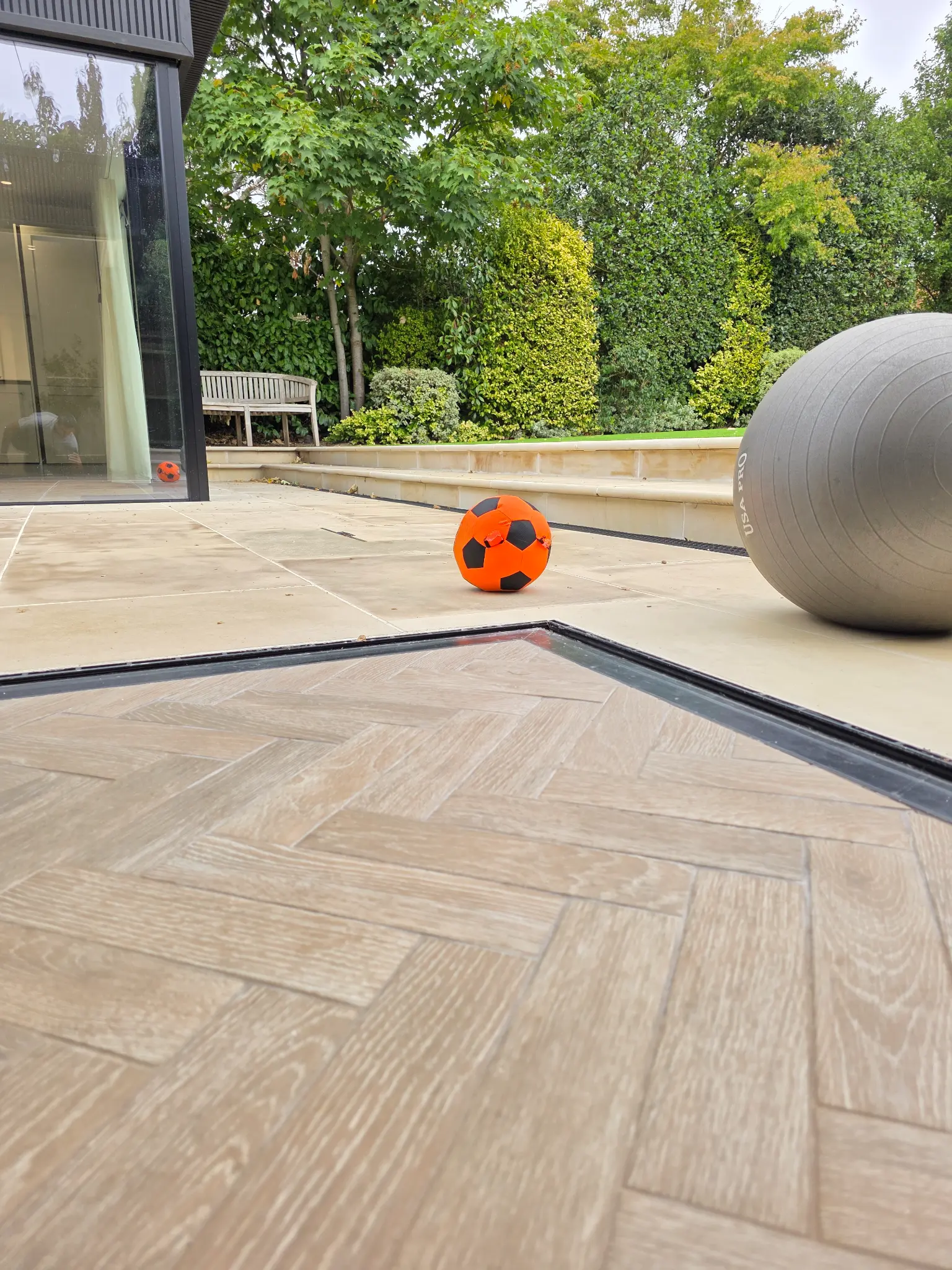
Consider the threshold design, especially if accessibility is important. A standard threshold provides maximum weather protection but creates a step. A low-profile or flush threshold creates a near-seamless transition, which is ideal for wheelchair users or prams, but may require careful drainage planning to manage rainwater ingress.
4. Design, Configuration, and Practical Considerations
The configuration of your sliding doors impacts usability, aesthetics, and the amount of open space achievable.
Configuration Options
- Two-Panel (Standard): One fixed panel and one sliding panel. Offers 50% clear opening.
- Three-Panel: Often two panels slide over one fixed panel, or a central panel slides to one side. Offers 33% or 66% clear opening depending on the mechanism.
- Four-Panel (Double Slider): Two central panels slide outwards to meet two fixed outer panels, offering a large central opening (50% clear opening).
- Pocket Doors: The panels slide entirely into a cavity within the wall structure. This achieves a 100% clear opening, completely blurring the line between inside and out. This requires significant structural work and space within the wall cavity.
Sightlines and Aesthetics
Sightlines refer to the width of the frame where the panels meet. Slimmer sightlines maximise the glass area and the view. Aluminium systems typically offer the slimmest sightlines, some modern systems achieving sightlines as narrow as 20-30mm.
Weight and Operation
Large, triple-glazed panels can be extremely heavy. Ensure the system uses high-quality, robust rollers and tracks. A good system, particularly a lift-and-slide mechanism, should allow even the heaviest door to be opened and closed with minimal effort.
Maximal Natural Light
Sliding doors offer significantly larger glass areas than traditional French doors, flooding interiors with daylight and reducing reliance on artificial lighting.
Space Saving
Unlike bi-fold or hinged doors, sliding panels do not project into the room or outdoor space, making them ideal for smaller patios or confined areas.
Uninterrupted Views
With fewer vertical mullions and often narrower sightlines, sliding doors provide a panoramic, picture-frame view of the garden or landscape.
Enhanced Property Value
Modern, thermally efficient, and aesthetically pleasing glazing systems are highly sought after, significantly enhancing the desirability and market value of a property.
5. Specification and Cost Comparison Table
The following table provides a general comparison of key specifications across different sliding door types. Note that costs are highly variable based on size, specification (U-value), and installation complexity.
| Feature | Inline Aluminium | Lift-and-Slide Aluminium | uPVC Sliding Door |
|---|---|---|---|
| Typical U-value (W/m²K) | 1.4 – 1.6 | 1.0 – 1.2 | 1.4 – 1.8 |
| Sightlines (Mullion Width) | Slim (30mm – 80mm) | Very Slim (20mm – 50mm) | Medium (80mm – 120mm) |
| Maximum Panel Size | Medium/Large | Very Large/Heavy | Small/Medium |
| Weather Resistance | Good (Brush Seals) | Excellent (Compression Seals) | Fair/Good |
| Security Standard | PAS 24 achievable | PAS 24 achievable | PAS 24 achievable |
| Cost Range (Relative) | Medium | High | Low |
6. Installation and Planning Considerations
Proper installation is just as crucial as the quality of the door itself. A poorly installed door will fail to meet its thermal and weatherproofing specifications.
Structural Opening and Lintels
If you are creating a new opening or significantly widening an existing one, structural alterations will be necessary. A structural engineer must calculate the required size and specification of the new lintel or steel beam (RSJ) to support the load above the opening. This work requires Building Control approval.
Drainage and Damp Proofing
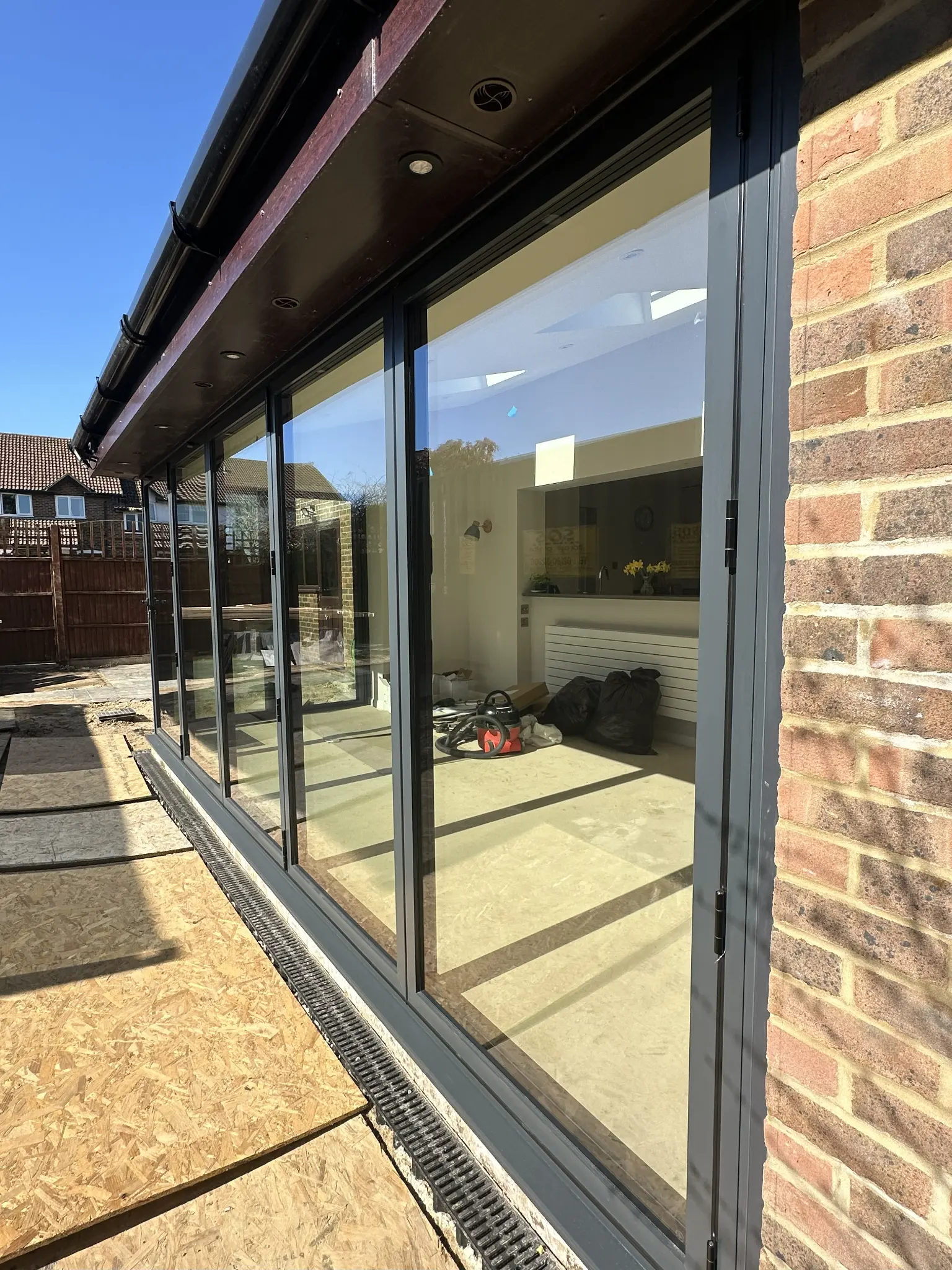
When installing flush thresholds, meticulous attention must be paid to external drainage. Water must not be allowed to pool against the frame, which could lead to damp ingress. A perimeter drainage channel (accompanying the damp-proof course) is often essential to manage surface water effectively.
Choosing an Installer
Ensure your chosen installer is FENSA or CERTASS registered. These competent person schemes certify that the installer is qualified to carry out the work and that the installation automatically complies with Part L of the Building Regulations, negating the need for a separate Building Control application (for replacement doors). If the work is part of a new extension or involves structural alteration, Building Control sign-off will still be required.
By focusing on the technical specifications—particularly U-values, security ratings (PAS 24), and material thermal breaks—UK homeowners can ensure their new sliding doors are not only beautiful but also high-performing, secure, and fully compliant with current regulations.
***
Why Choose Shard AG?
At Shard AG, we specialise in high-performance architectural glazing solutions tailored for the UK market. We focus exclusively on systems that meet or exceed the rigorous thermal requirements of Part L (2022), offering premium aluminium lift-and-slide doors with exceptionally slim sightlines and market-leading U-values. Our expertise ensures seamless integration into both new build projects and existing home renovations, providing durable, secure, and energy-efficient installations.