

Coastal Glazing: Protecting Your Home from the UK Elements
Discover essential glazing considerations for UK coastal properties. Learn about durability, insulation, safety, and Building Regulations to protect your home.

Shard Architectural Glazing
14 February 2026
Discover essential glazing considerations for UK coastal properties. Learn about durability, insulation, safety, and Building Regulations to protect your home.
📋In This Article
Living by the sea offers breathtaking views and a unique lifestyle, but it also presents specific challenges for property maintenance, particularly concerning glazing. Coastal environments in the UK are characterised by harsh weather conditions, including high winds, driving rain, salt spray, and increased UV exposure. These factors can significantly impact the longevity, performance, and appearance of windows and doors if not adequately addressed during specification and installation. This guide will delve into the critical aspects of choosing and maintaining glazing for coastal properties, ensuring your home remains beautiful, secure, and energy-efficient for years to come.
Understanding the Coastal Environment
The unique challenges posed by a coastal location demand a different approach to glazing compared to inland properties. Ignoring these factors can lead to premature degradation, reduced thermal performance, and increased maintenance costs.
Key Environmental Factors:
- Salt Spray: Airborne salt particles are highly corrosive. They can pit glass surfaces, degrade window frames (especially metal components), and accelerate the breakdown of seals and coatings.
- High Winds: Coastal areas often experience stronger and more frequent winds, requiring glazing systems with superior structural integrity and robust fixings to prevent damage and air leakage.
- Driving Rain: Intense rainfall, often combined with high winds, tests the weatherproofing capabilities of windows and doors. Effective drainage and sealing are paramount.
- Increased UV Exposure: Unfiltered sunlight can be more intense near the coast, leading to fading of internal furnishings and accelerated degradation of frame materials and sealants.
- Humidity and Condensation: Higher humidity levels can contribute to condensation issues if glazing is not thermally efficient, potentially leading to mould growth and structural damage.
Frame Materials for Coastal Glazing: Pros and Cons
The choice of frame material is crucial for durability and performance in a coastal setting. Each material has distinct advantages and disadvantages.
| Material | Pros for Coastal Use | Cons for Coastal Use | Maintenance Level |
|---|---|---|---|
| uPVC (Unplasticised Polyvinyl Chloride) | Excellent resistance to salt corrosion; generally low maintenance; good thermal performance; cost-effective. | Can become brittle or discolour over time due to intense UV exposure if not UV-stabilised; limited colour options compared to other materials. | Low (regular cleaning) |
| Aluminium | Very strong and durable; highly resistant to corrosion if properly pre-treated and powder-coated; slim sightlines; wide range of colours. | Can be more expensive; requires a high-quality marine-grade powder coating for optimal salt resistance; can be less thermally efficient than uPVC/timber if not thermally broken. | Medium (regular cleaning, occasional inspection of coating) |
| Timber (Hardwood) | Natural aesthetic; excellent thermal insulator; can be repaired and repainted; good structural strength. | Requires significant regular maintenance (painting/varnishing) to protect against moisture and salt; susceptible to rot and insect attack if not properly treated and maintained. | High (annual inspection, regular re-treatment) |
| Composite (e.g., Timber-Aluminium) | Combines durability and low maintenance of aluminium externally with the warmth and insulation of timber internally; excellent thermal performance. | Higher initial cost; external aluminium still requires marine-grade coating; complex construction. | Low (external), Medium (internal timber) |
Pro Tip
When specifying aluminium or composite frames for a coastal property, always insist on a marine-grade powder coating. This specialised finish provides enhanced protection against salt corrosion, significantly extending the lifespan and appearance of the frames. Look for coatings that meet or exceed industry standards for coastal environments, such as Qualicoat Class 2 or equivalent.
Glazing Specifications for Coastal Performance
Beyond the frame, the glass itself plays a vital role in coastal performance. Several factors need careful consideration.
Glass Type and Thickness:
- Toughened Glass: For safety and resistance to impact (e.g., from wind-blown debris), toughened glass is highly recommended, especially for larger panes or low-level glazing. It is up to five times stronger than annealed glass.
- Laminated Glass: Offers enhanced security and acoustic insulation. The interlayer helps hold glass fragments together if shattered, reducing the risk of injury and preventing immediate breaches.
- Glass Thickness: Thicker glass panes (e.g., 6mm or more) can offer better acoustic insulation against wind noise and improved structural integrity against high wind loads.
Thermal Performance (U-Values):
Maintaining a comfortable indoor temperature and reducing energy bills is crucial. Coastal properties can be exposed to colder winds, making thermal efficiency paramount. The U-value measures how effectively a window prevents heat from escaping. Lower U-values indicate better insulation.
- Double Glazing: Standard for modern homes, typically using a 20mm or wider gap filled with an inert gas like Argon.
- Triple Glazing: Offers superior thermal performance, significantly reducing heat loss and external noise. While a higher initial investment, it can lead to greater long-term energy savings and comfort.
UK Building Regulations Part L (2022 England) sets minimum U-value requirements:
- New Build Windows/Doors: 1.2 W/m²K
- Replacement Windows/Doors: 1.4 W/m²K
For coastal properties, aiming for U-values significantly lower than these minimums is advisable to maximise comfort and energy efficiency.
Coatings and Treatments:
- Low-Emissivity (Low-E) Coatings: Applied to one surface of the glass, these microscopic metallic coatings reflect heat back into the room, improving thermal performance without significantly affecting light transmission. Essential for coastal properties to combat heat loss.
- Self-Cleaning Glass: Features a special coating that uses sunlight to break down organic dirt and rain to wash it away. While not entirely maintenance-free, it can reduce the frequency of cleaning, which is beneficial in areas prone to salt and dirt build-up.
- Anti-Corrosion Hardware: All hinges, handles, and locking mechanisms should be made from or coated with corrosion-resistant materials (e.g., stainless steel, marine-grade alloys).
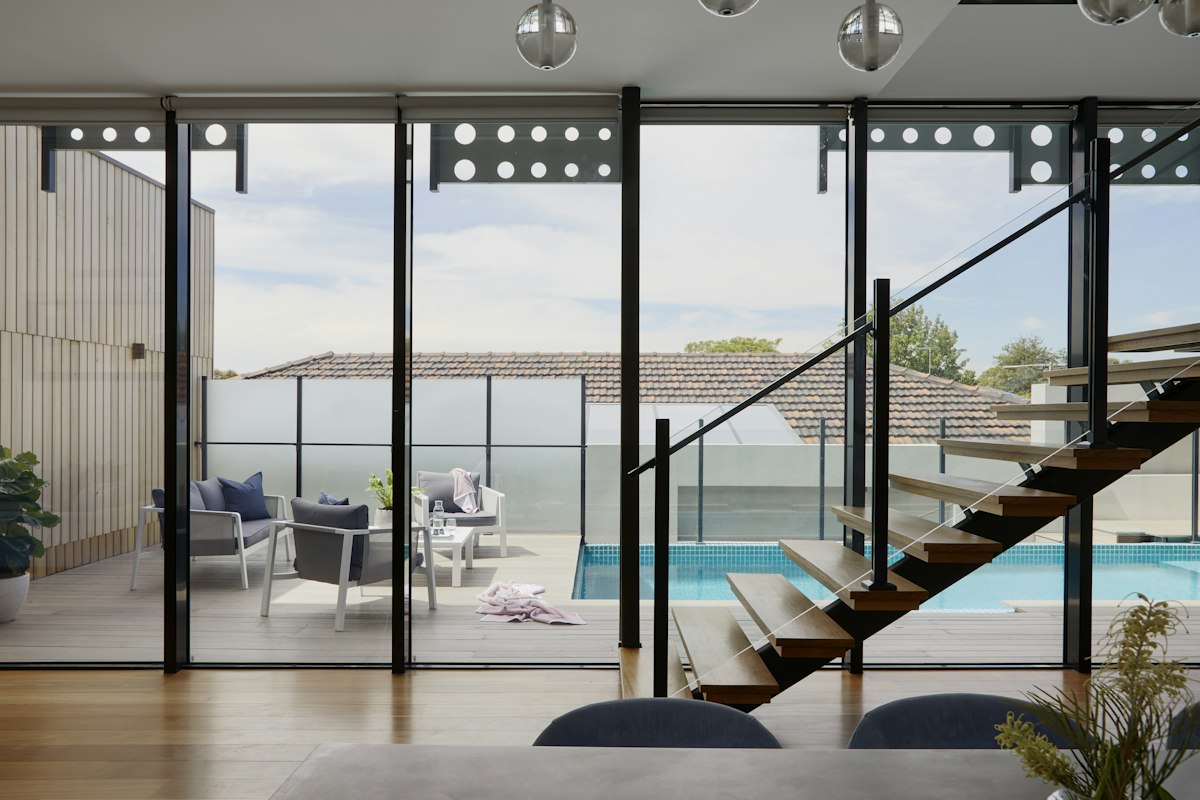
Installation and Weatherproofing: The Unsung Heroes
Even the best windows will fail if not installed correctly. Proper installation is critical for weatherproofing and structural integrity.
- Robust Fixings: Windows in coastal areas require stronger, more numerous fixings to withstand high wind loads. These fixings should also be corrosion-resistant.
- Effective Sealing: High-performance sealants (e.g., silicone-based, UV-stable) are essential around the frame perimeter to prevent water and air ingress. Regular inspection and re-sealing may be necessary over time.
- Drainage Systems: Ensure frames have effective drainage channels to allow any water that penetrates the outer seal to escape without entering the property.
- Wind and Water Tightness: Look for windows and doors that have been tested to high standards for wind resistance and water penetration, often indicated by European CE marking standards (e.g., BS EN 14351-1).
UK Building Regulations and Planning Considerations
Any significant alteration to your property, including replacing windows and doors, must comply with UK Building Regulations. For coastal properties, specific considerations may apply.
Building Regulations Part L (Conservation of Fuel and Power):
As mentioned, new and replacement windows and doors must meet specific U-value requirements. It is always recommended to exceed these minimums for coastal homes.
Building Regulations Part F (Ventilation):
Adequate ventilation is necessary to prevent condensation and maintain good indoor air quality. Trickle vents or other controlled ventilation methods are often required, even in coastal areas where opening windows might be less frequent due to weather.
Building Regulations Part K (Protection from Falling, Collision and Impact):
This part dictates safety glazing requirements, particularly for low-level glazing or glazing adjacent to doors. Toughened or laminated glass is typically required in these areas.
Planning Permission:
While replacing windows with similar ones usually falls under Permitted Development, properties in Conservation Areas, Areas of Outstanding Natural Beauty (AONBs), or those that are Listed Buildings may have stricter planning controls. Always check with your local planning authority before undertaking any work, as specific materials, colours, or styles might be mandated to preserve the character of the area.
Maintenance Tips for Coastal Glazing
Even with the most robust specifications, regular maintenance is key to prolonging the life and performance of your coastal glazing.
- Regular Cleaning: Frequent cleaning (weekly or fortnightly) with fresh water and a mild detergent is essential to remove salt deposits from glass and frames. Salt accumulation can lead to etching on glass and corrosion on frames.
- Inspect Seals and Gaskets: Periodically check rubber seals and gaskets for signs of perishing, cracking, or shrinkage. Damaged seals can lead to drafts and water ingress.
- Lubricate Hardware: Hinges, locks, and handles should be lubricated annually with a silicone-based spray or non-acidic grease to ensure smooth operation and prevent corrosion.
- Frame Inspection: For timber frames, check for any signs of peeling paint, rot, or insect damage. Re-treat as necessary. For aluminium, inspect the powder coating for any chips or scratches that could expose the metal to corrosion.
- Drainage Holes: Ensure all drainage holes at the bottom of window frames are clear of debris to allow water to escape effectively.
Enhanced Durability
Specialised materials and coatings resist corrosion, UV degradation, and high winds, ensuring a longer lifespan for your windows and doors.
Superior Thermal Performance
Low U-value glazing, often triple-glazed, keeps your home warmer in winter and cooler in summer, reducing energy bills and improving comfort.
Increased Security & Safety
Toughened or laminated glass and robust locking mechanisms provide better protection against impacts and intruders, offering peace of mind.
Reduced Maintenance
While some maintenance is always required, choosing appropriate materials and self-cleaning glass can significantly lessen the burden of upkeep in a harsh coastal environment.
Choosing the right glazing for a coastal property is a significant investment that pays dividends in comfort, energy efficiency, and peace of mind. By understanding the unique challenges of the coastal environment and specifying appropriate materials, glass types, and installation methods, you can ensure your home is well-protected against the elements for many years. Always consult with experienced professionals who understand the specific demands of coastal construction and can guide you through the best options for your property.
At Shard AG, we specialise in high-performance architectural glazing solutions tailored for challenging environments, including coastal properties across the UK. Our expert team can provide bespoke advice and products designed to withstand the harshest conditions, ensuring durability, aesthetic appeal, and compliance with all relevant Building Regulations. Contact us today to discuss your project and discover how our advanced glazing systems can enhance your coastal home.
Explore Our Products
Discover how Shard Architectural Glazing can transform your home with our premium glazing solutions:
Ready to Transform Your Home?
Get in touch with our expert team for a free consultation and personalised quote. We'll help you choose the perfect glazing solution for your property.