
Contemporary vs. Traditional Extensions: A UK Homeowner's Guide
Explore the nuances of contemporary and traditional home extensions in the UK. Understand design principles, material choices, Building Regulations, and practical considerations for your project.

Shard Architectural Glazing
19 February 2026
Explore the nuances of contemporary and traditional home extensions in the UK. Understand design principles, material choices, Building Regulations, and practical considerations for your project.
📋In This Article
When considering a home extension in the UK, one of the most fundamental decisions you'll face is the architectural style. Should you opt for a sleek, modern, contemporary extension that contrasts with your existing property, or a sympathetic, traditional design that blends seamlessly? This choice significantly impacts not only the aesthetics but also the materials, construction methods, and even the planning and regulatory processes involved.
This guide will delve into the characteristics, advantages, and considerations for both contemporary and traditional extension styles, helping you make an informed decision that aligns with your vision, budget, and the unique character of your home.
Understanding the Styles: Contemporary vs. Traditional
While the terms 'contemporary' and 'traditional' might seem straightforward, their application in architectural design encompasses a broad spectrum of aesthetics and approaches.
Contemporary Extension Characteristics
- Clean Lines and Minimalism: Contemporary designs typically feature sharp, uncluttered lines, geometric shapes, and a minimalist aesthetic. Ornamentation is often eschewed in favour of functional beauty.
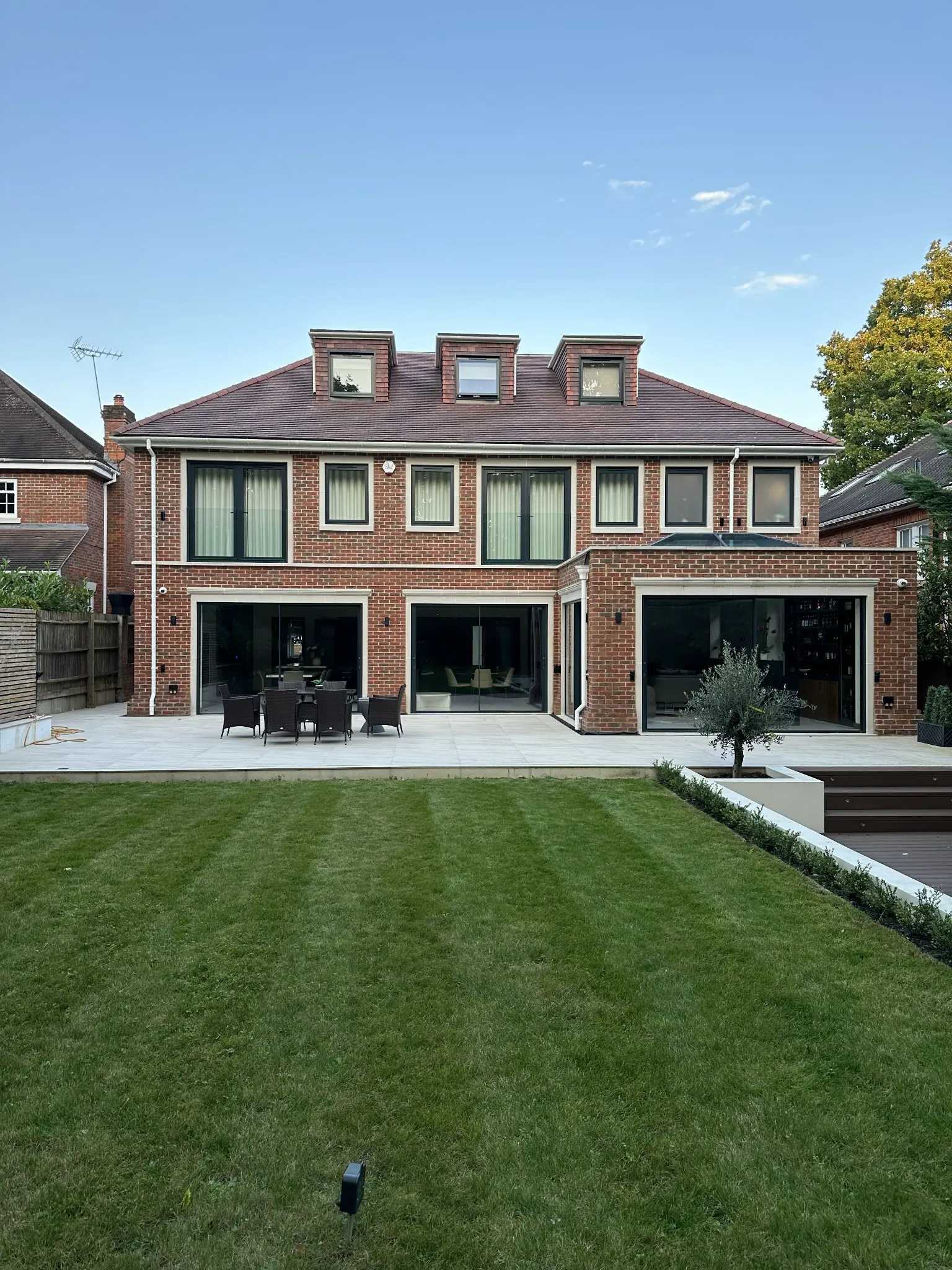
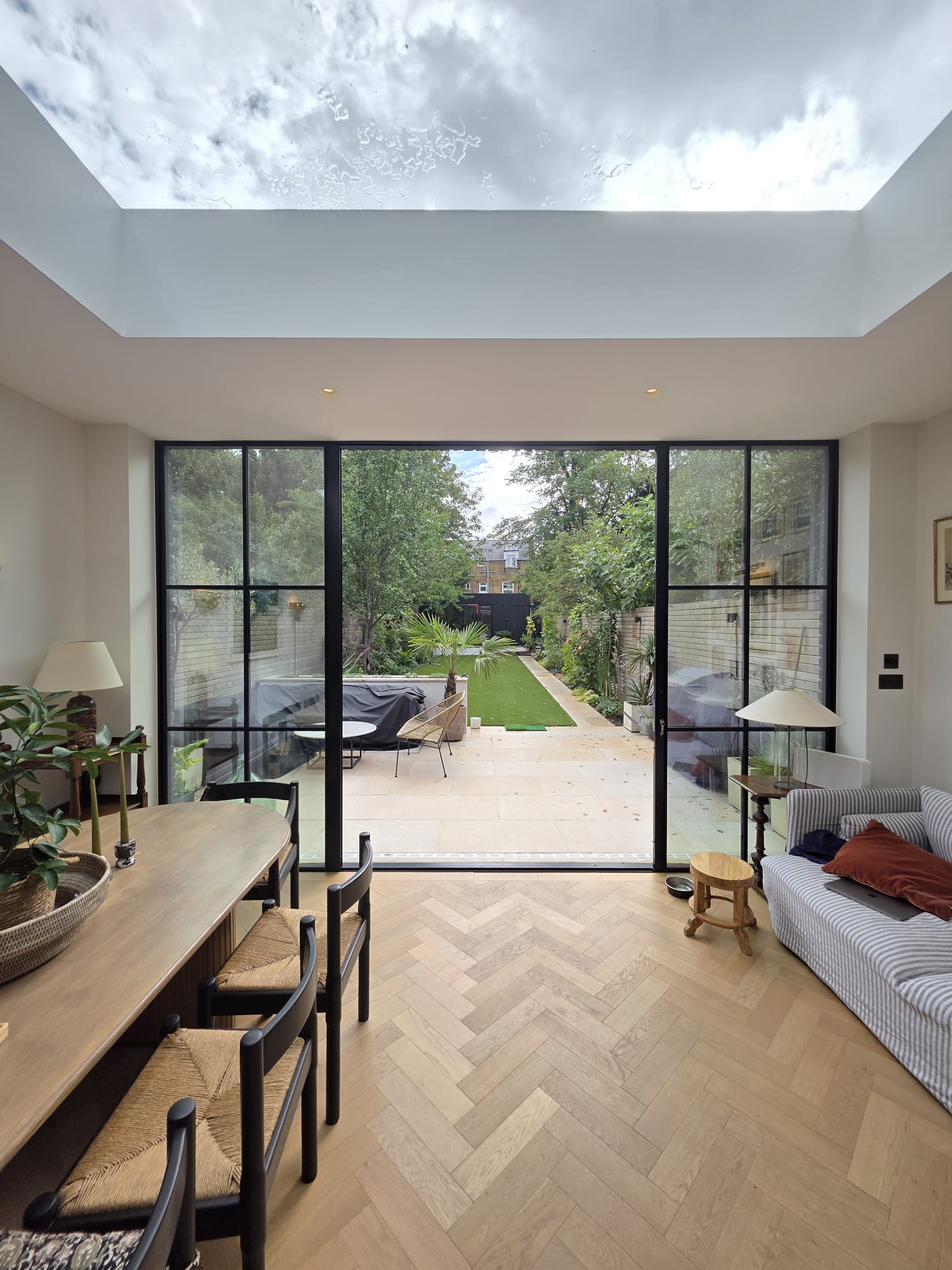
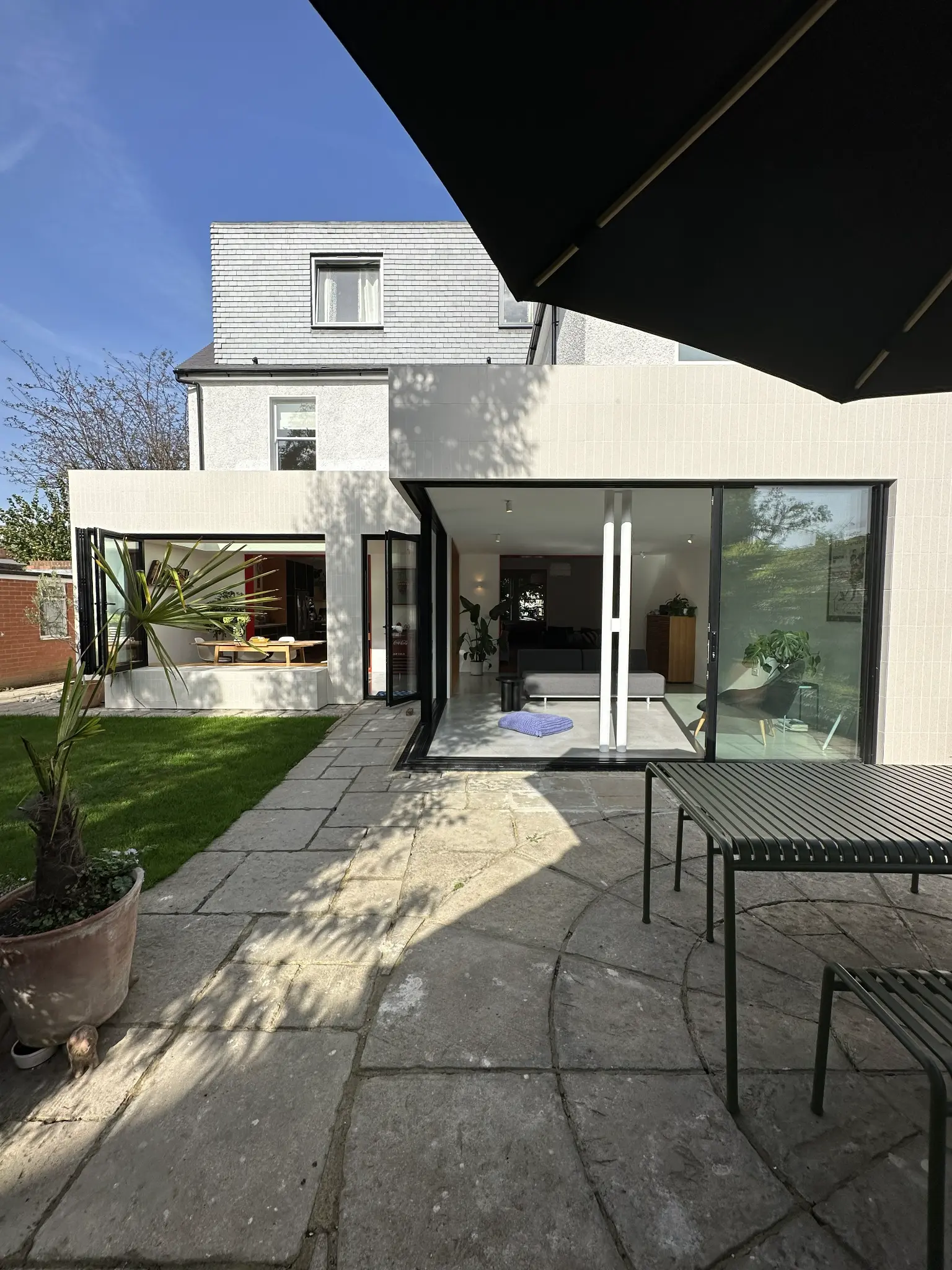
- Large Expanses of Glazing: A hallmark of modern extensions is the extensive use of glass, often in the form of large sliding doors, bifold doors, frameless glass boxes, or expansive picture windows. This maximises natural light and creates a strong connection with the outdoors.
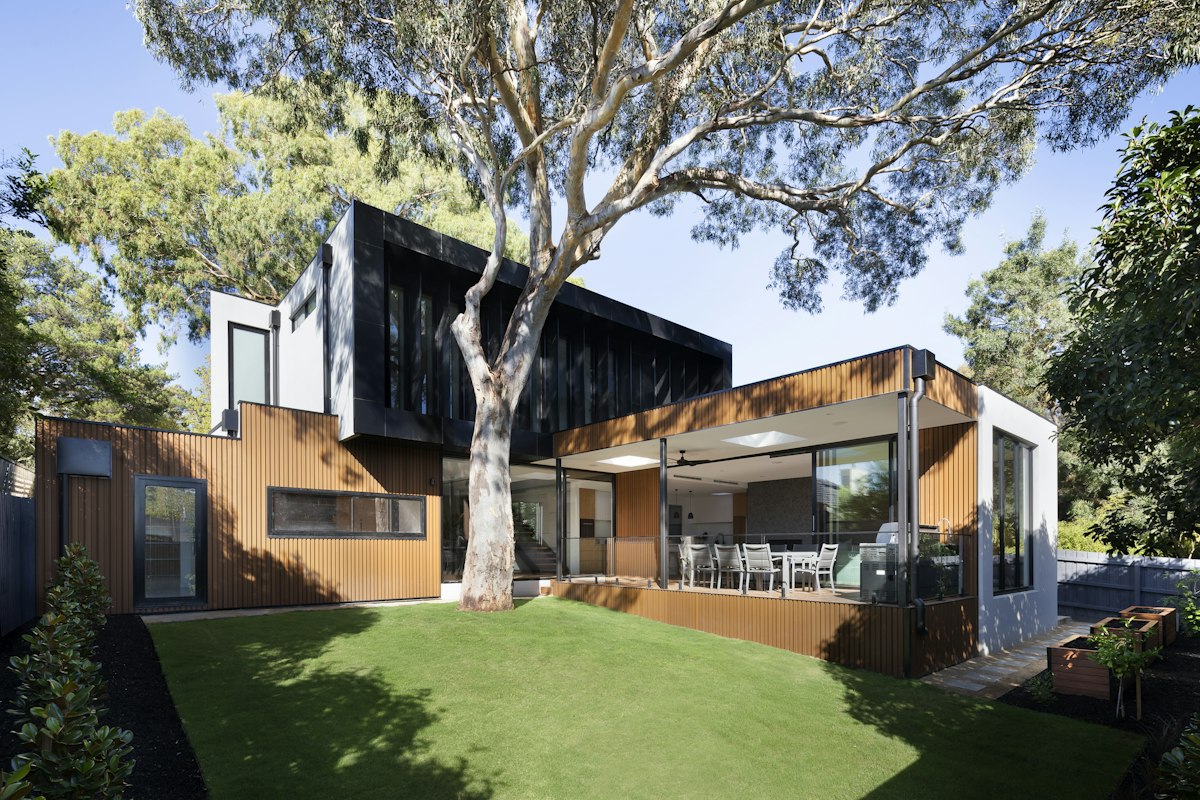
- Material Palette: Common materials include render (often in neutral tones), timber cladding (e.g., cedar, larch), steel, aluminium, and sometimes exposed brickwork or concrete. The emphasis is on texture and natural finishes.
- Open-Plan Layouts: Interiors are typically open-plan, promoting a sense of space and fluidity between rooms and with the garden.
- Flat or Low-Pitch Roofs: Often featuring flat roofs with parapet walls or very low-pitch mono-pitch roofs, contributing to the clean, box-like appearance.
Traditional Extension Characteristics
- Sympathetic Design: The primary aim of a traditional extension is to harmonise with the existing property's architectural style, whether it's Victorian, Edwardian, Georgian, or a more vernacular style.
- Matching Materials: This often involves sourcing materials that match or complement the original house, such as specific brick types, roof tiles (e.g., slate, clay tiles), stone, or render.
- Proportion and Scale: Traditional extensions respect the proportions and scale of the existing dwelling, often replicating window styles, eave lines, and roof pitches.
- Defined Spaces: While open-plan can be incorporated, traditional layouts often feature more defined rooms, reflecting the original house's structure.
- Pitched Roofs: Typically feature pitched roofs that match or complement the main house, often with dormer windows or gables.
Glazing Choices and Performance
Glazing is a critical component in both styles, but its application and aesthetic differ significantly.
Contemporary Glazing
- Minimal Frames: Focus on slimline aluminium frames, often powder-coated in dark, neutral colours (e.g., anthracite grey, black).
- Large Panels: Bifold doors, sliding patio doors (especially lift-and-slide or slimline options), and fixed frameless glass panels are popular.
- Corner Glazing: Often features structural glass corners or 'glass box' extensions to maximise light and views.
- Thermal Performance: Modern glazing typically incorporates double or triple glazing with low-emissivity (low-e) coatings and argon gas fill to achieve excellent U-values. For new build and extension glazing, UK Building Regulations Part L (2022 England) require a maximum U-value of 1.2 W/m²K. For replacement windows and doors, this is 1.4 W/m²K.
Traditional Glazing
- Matching Styles: Sash windows, casement windows with astragal bars (Georgian or Victorian style), or leaded lights are common.
- Material Choice: Timber frames are often preferred for their authentic appearance, though uPVC and aluminium are available in traditional styles.
- Proportion: Window openings are typically smaller and more numerous, reflecting the original house's design.
- Thermal Performance: While maintaining traditional aesthetics, modern traditional windows still need to meet current Building Regulations. This means using double glazing with low-e glass, even if the external appearance mimics single-glazed sash windows. Achieving the 1.2 W/m²K (new build/extension) or 1.4 W/m²K (replacement) U-value is crucial.
Pro Tip
When selecting glazing, always request the U-value for the specific product. A lower U-value indicates better insulation. Ensure your chosen glazing supplier can provide products that meet or exceed the current UK Building Regulations Part L (2022 England) requirements for thermal performance.
UK Building Regulations and Planning Permission
Regardless of style, all extensions in the UK must comply with Building Regulations and may require Planning Permission.
Building Regulations (Part L - Conservation of Fuel and Power)
This is where technical performance is paramount. All new extensions must meet stringent thermal efficiency standards to minimise heat loss and carbon emissions. The U-values for new extensions (2022 England standards) are:
- Walls: 0.18 W/m²K
- Floors: 0.18 W/m²K
- Roofs: 0.15 W/m²K
- Windows/Doors: 1.2 W/m²K
Achieving these values requires careful specification of insulation materials, window and door performance, and construction techniques. Your architect or builder should be well-versed in these requirements.
Planning Permission
Many extensions can be built under Permitted Development Rights, meaning you don't need full planning permission. However, there are strict limits on size, height, and proximity to boundaries. Crucially, if your property is in a Conservation Area, is a Listed Building, or has an Article 4 Direction, Permitted Development Rights may be restricted or removed entirely.
- Contemporary Extensions: In some Conservation Areas or with Listed Buildings, a highly contrasting contemporary extension might be viewed favourably by planning officers as it clearly distinguishes new from old. However, in other areas, local planning policies might favour a more sympathetic approach. It's essential to check with your local planning authority.
- Traditional Extensions: These are often seen as less contentious in planning terms, especially if they closely match the existing property. However, even traditional designs can be rejected if they are deemed to be out of scale or character with the area.
It is always advisable to consult with your local planning department or an experienced architect before committing to a design, especially if your property has specific designations.
Cost and Construction Considerations
The choice of style can influence both the initial build cost and long-term maintenance.
Contemporary Extension Costs
- Materials: High-performance glazing, specialist renders, and certain timber claddings can be more expensive.
- Construction Complexity: Large structural openings for expansive glazing, cantilevered elements, or complex flat roof drainage systems can require specialist contractors and engineering.
- Detailing: Achieving the minimalist aesthetic often demands meticulous detailing and high-quality finishes, which can add to labour costs.
Traditional Extension Costs
- Material Matching: Sourcing specific bricks, roof tiles, or stone to match an existing property can be costly and time-consuming, especially for reclaimed materials.
- Craftsmanship: Replicating intricate detailing, such as ornate cornices or specific window mouldings, requires skilled craftsmanship.
- Foundations: Depending on ground conditions and existing structures, traditional foundations might be more straightforward.
| Feature | Contemporary Extension | Traditional Extension |
|---|---|---|
| Aesthetic | Sleek, minimalist, geometric, contrasting | Sympathetic, classic, ornate (optional), blending |
| Glazing | Large panels, slim frames, bifold/sliders, glass boxes | Smaller openings, matching window styles (sash, casement), thicker frames |
| Materials | Render, timber cladding, aluminium, steel, large glass | Matching brick, stone, render, slate/clay tiles, timber |
| Roof Type | Flat, low-pitch mono-pitch | Pitched, matching existing roofline |
| Planning View | Can be approved if well-designed contrast, or rejected if inappropriate | Often less contentious if sympathetic, but scale/massing still key |
| Typical Cost Driver | Large glazing, structural complexity, high-spec finishes | Material matching, specialist craftsmanship, bespoke detailing |
| U-value (Glazing) | Min. 1.2 W/m²K (new build/ext.) | Min. 1.2 W/m²K (new build/ext.) |
Benefits of Each Approach
Contemporary Benefits: Light & Space
Maximises natural light and creates a strong visual connection with the garden, enhancing the sense of space and openness within the home.
Contemporary Benefits: Modern Living
Offers flexible, open-plan layouts ideal for modern family living, entertaining, and integrating smart home technologies.
Traditional Benefits: Seamless Integration
Blends seamlessly with the existing property, preserving its original character and often enhancing its perceived value.
Traditional Benefits: Timeless Appeal
Offers a classic, timeless aesthetic that can be less susceptible to changing design trends, maintaining its appeal for decades.
Making Your Decision
The 'best' style for your extension is highly subjective and depends on several factors:
- Your Existing Property: A period property might benefit from a sympathetic traditional extension, or a bold contemporary addition that clearly delineates old from new. A more modern house might naturally lean towards a contemporary style.
- Your Personal Taste: Ultimately, you need to live in and love your home. Consider which aesthetic truly resonates with you.
- Budget: Be realistic about what you can afford. Get detailed quotes for both options if you're undecided.
- Planning Constraints: Always check with your local planning authority early in the process. This can be a significant determining factor.
- Functionality: How do you intend to use the space? A contemporary open-plan design might suit a kitchen-diner, while a more traditional layout could be better for a study or formal living room.
Consider visiting local examples of both styles, perhaps during open house events or by viewing architectural portfolios. This can provide invaluable inspiration and help you visualise the impact of each approach.
At Shard Architectural Glazing, we understand that the choice between contemporary and traditional styles is deeply personal and impactful. We specialise in providing high-performance glazing solutions that cater to both aesthetics. Whether you envision expansive, slimline bifold doors for a contemporary extension or bespoke, thermally efficient sash windows for a traditional addition, our expert team can guide you through the options. We ensure our glazing products meet the stringent thermal performance requirements of UK Building Regulations, helping you create a beautiful, energy-efficient, and compliant extension for your home.
Explore Our Products
Discover how Shard Architectural Glazing can transform your home with our premium glazing solutions:
Ready to Transform Your Home?
Get in touch with our expert team for a free consultation and personalised quote. We'll help you choose the perfect glazing solution for your property.