

(1).jpg)
Contemporary vs. Traditional: Glazing & Extension Styles Guide
Choosing between contemporary and traditional styles for your UK home extension or glazing? Explore design principles, materials, regulations, and practical considerations.

Shard Architectural Glazing
4 February 2026
Choosing between contemporary and traditional styles for your UK home extension or glazing? Explore design principles, materials, regulations, and practical considerations.
📋In This Article
When embarking on a home improvement project in the UK, particularly an extension or significant glazing upgrade, one of the most fundamental decisions you'll face is the architectural style: contemporary or traditional. This choice profoundly impacts not only the aesthetic appeal and character of your home but also its functionality, energy efficiency, and long-term value. Understanding the core principles, typical materials, and practical implications of each style is crucial for making an informed decision that aligns with your vision and budget.
This guide will delve into the nuances of contemporary and traditional design, with a specific focus on how these styles manifest in glazing and extensions. We'll explore the advantages and considerations of each, helping you navigate the options to create a harmonious and compliant addition to your property.
Understanding Contemporary Design
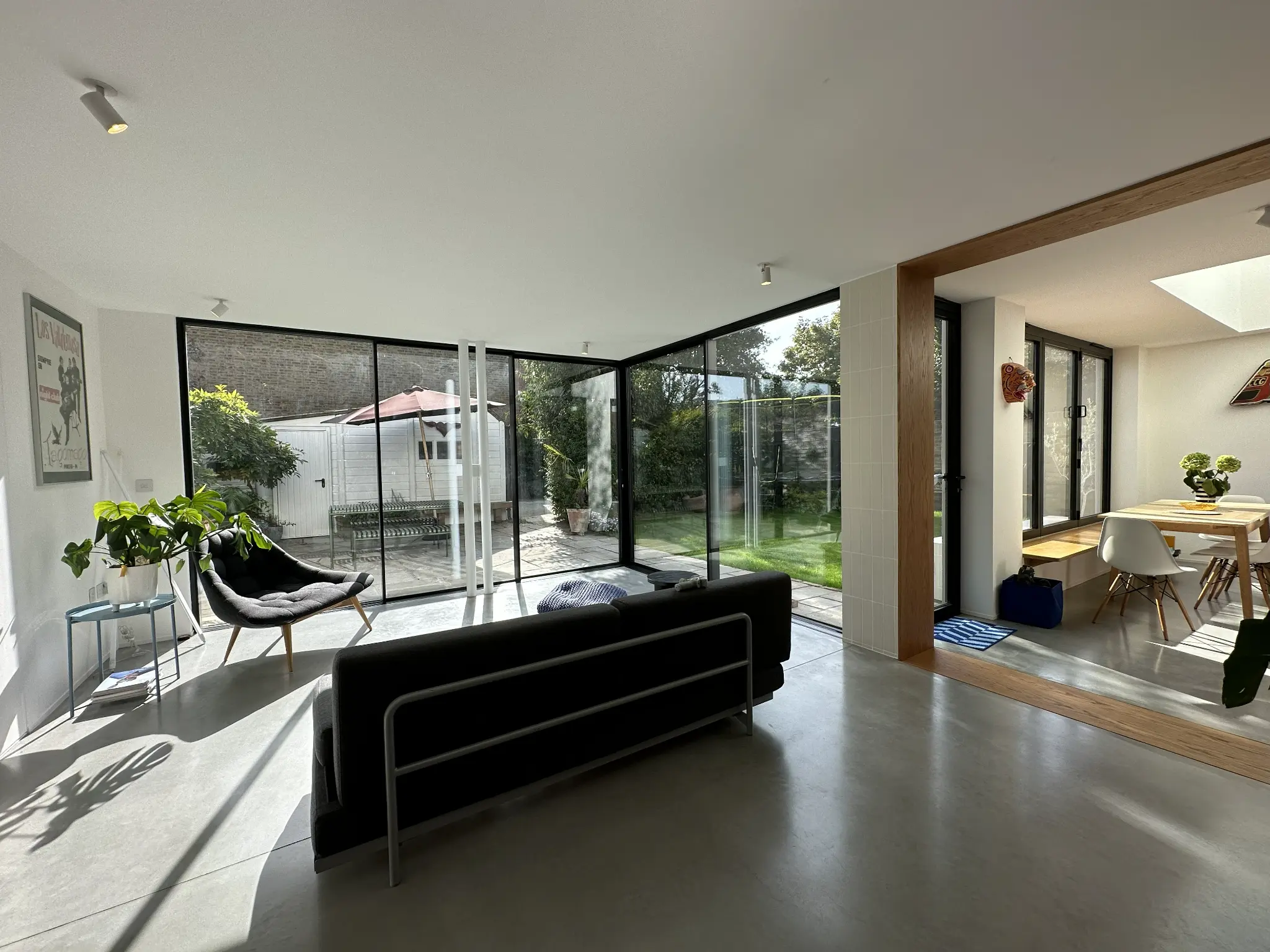
Contemporary design, in architecture and glazing, is often characterised by its emphasis on clean lines, open spaces, natural light, and a minimalist aesthetic. It prioritises functionality and efficiency, often incorporating innovative materials and technologies.
Key Characteristics of Contemporary Style:
- Clean Lines & Geometric Forms: Expect sharp angles, flat roofs (or low-pitch), and a lack of ornate detailing. Structures often feature strong horizontal or vertical elements.
- Expansive Glazing: A hallmark of contemporary design is the generous use of glass. This includes large format sliding or bifold doors, frameless glass installations, corner glass, and extensive curtain walling, all designed to maximise natural light and blur the lines between indoor and outdoor spaces.
- Minimalist Aesthetics: Clutter is avoided. Finishes are often smooth, and colour palettes tend to be neutral, allowing architectural forms and natural light to take centre stage.
- Innovative Materials: Steel, concrete, large format porcelain or natural stone, and advanced aluminium glazing systems are common. These materials are chosen for their durability, low maintenance, and ability to create sleek, modern finishes.
- Open Plan Living: Contemporary extensions frequently feature open-plan layouts, creating versatile and interconnected living areas.
Glazing in Contemporary Design:
For contemporary homes, glazing is not merely a functional element but a fundamental design feature. Aluminium frames are particularly popular due to their strength, allowing for slender sightlines and larger glass panels. Thermal breaks are essential in aluminium frames to prevent heat transfer. Options like triple glazing are frequently specified to achieve superior thermal performance, often exceeding the Building Regulations Part L (2022 England) requirement of 1.2 W/m²K for new build windows/doors and 1.4 W/m²K for replacements.
Consideration for solar gain is also critical with large glass areas. Low-emissivity (low-e) coatings and solar control glass can help mitigate overheating in summer while retaining heat in winter. Integrated blinds or external shading solutions are often part of the design to manage light and privacy.
Exploring Traditional Design
Traditional design draws inspiration from historical architectural styles prevalent in the UK, such as Victorian, Georgian, Edwardian, or Arts and Crafts. It celebrates craftsmanship, intricate detailing, and a sense of established elegance.
Key Characteristics of Traditional Style:
- Period Features & Detailing: Think ornate cornices, decorative mouldings, sash windows, panelled doors, and pitched roofs with traditional tile or slate.
- Symmetry & Proportion: Many traditional styles emphasise balanced facades and classical proportions, creating a sense of order and grandeur.
- Natural & Classic Materials: Brick, stone, timber (often painted or stained), and slate are commonly used. These materials are chosen for their timeless appeal and ability to blend seamlessly with existing heritage properties.
- Defined Spaces: While modern traditional homes may incorporate some open-plan elements, traditional layouts often feature more distinct, separate rooms, each with a specific function.
- Classic Glazing Styles: Sash windows (vertical sliding), casement windows with astragal bars (Georgian or Victorian style), and French doors are typical.
Glazing in Traditional Design:
Timber or uPVC windows and doors are common choices for traditional properties. Timber offers an authentic look and feel, excellent insulation properties, and can be stained or painted to match existing aesthetics. However, it requires more maintenance than uPVC or aluminium. Modern uPVC options can replicate traditional timber aesthetics convincingly, often with woodgrain finishes and flush casement designs, offering excellent thermal performance and low maintenance.
Double glazing is standard, meeting or exceeding the Building Regulations Part L (2022 England) U-value requirements. For period properties in conservation areas or listed buildings, specific regulations may dictate the type of glazing, frame materials, and even the number of panes or bar configurations. Secondary glazing is often a sympathetic solution for improving thermal and acoustic performance without altering original windows.
Blending Styles: The Hybrid Approach
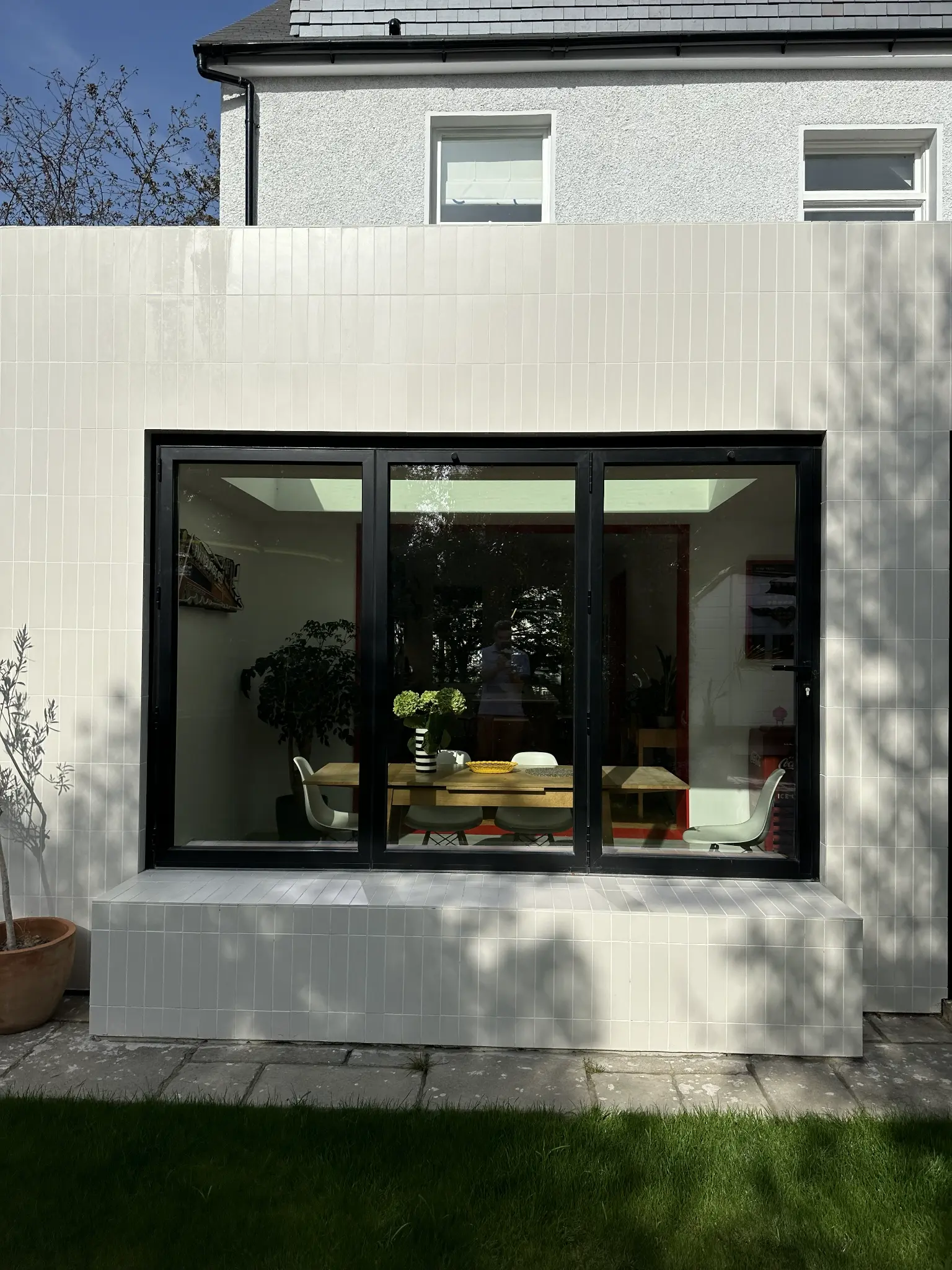
For many homeowners, a purely contemporary or traditional approach isn't the ideal solution. A popular trend, especially with extensions, is the hybrid or transitional style. This involves sensitively integrating modern elements into a traditional property, or vice-versa, creating a harmonious and unique aesthetic.
Pro Tip
When blending styles, focus on creating a clear visual break or transition point between the old and new. This could be a glazed link, a change in material, or a subtle shift in roofline. Consistency in a few key elements, such as window alignment or material colour palette, can help tie the two styles together without creating a jarring contrast.
Considerations for Hybrid Designs:
- Material Palette: Use a limited palette of complementary materials. For example, a traditional brick house might have a contemporary extension with large glass panels and a zinc roof, but perhaps the brick colour is matched, or a timber cladding is introduced to soften the modern edge.
- Glazing Choices: Consider contemporary glazing systems that offer a nod to traditional aesthetics, such as slim-frame aluminium windows with a dark finish that mimics traditional steel, or large format sliding doors that open onto a traditionally landscaped garden.
- Rooflines: A flat roof extension on a traditional pitched-roof house can create a striking contrast, but ensure the detailing is impeccable to avoid a 'stuck on' appearance.
- Building Regulations & Planning: Hybrid designs, particularly on older properties or in conservation areas, require careful planning and often detailed discussions with local planning authorities to ensure compliance and aesthetic suitability.
Practical Considerations and Building Regulations
Regardless of your chosen style, several practical aspects and regulatory requirements must be addressed for any extension or significant glazing installation in the UK.
Energy Efficiency & U-Values:
All new extensions and replacement glazing must comply with Building Regulations Part L (Conservation of Fuel and Power, 2022 England). This means meeting specific U-value targets for different building elements:
- Walls (new build & extensions): 0.18 W/m²K
- Floors: 0.18 W/m²K
- Roofs: 0.15 W/m²K
- Windows/Doors (new build): 1.2 W/m²K
- Windows/Doors (replacement): 1.4 W/m²K
Achieving these values often requires high-performance glazing (double or triple glazed units with low-e coatings and warm edge spacers) and well-insulated frames. For extensions, the entire structure must be designed to meet these thermal performance standards.
Planning Permission & Building Control:
Most extensions require planning permission, especially if they exceed certain dimensions or alter the character of the area. Even if an extension falls under Permitted Development rights, it will still need to comply with Building Regulations, which are enforced by your local Building Control body. It's advisable to consult with your local planning authority and Building Control early in the design process.
For properties in Conservation Areas or Listed Buildings, restrictions are often much tighter, and specialist advice from an architect or heritage consultant is highly recommended. Alterations that affect the character of a listed building may not comply with regulations if not handled sensitively.
Cost Implications:
Generally, highly bespoke contemporary designs with large, specialist glazing units (e.g., structural glass, oversized sliding doors) can be more expensive than standard traditional options. However, high-quality timber traditional windows can also be a significant investment. It's essential to get detailed quotes and factor in installation complexity.
Comparison Table: Contemporary vs. Traditional Glazing
Here's a quick overview of how the two styles compare, particularly concerning glazing:
| Feature | Contemporary Glazing | Traditional Glazing |
|---|---|---|
| Frame Material | Aluminium (slim profiles), Steel, Frameless Glass | Timber, uPVC (often woodgrain), occasionally Steel |
| Typical Styles | Sliding doors, Bi-folds, Curtain walling, Corner glass, Picture windows | Sash windows, Casement windows (with bars), French doors |
| Aesthetics | Clean lines, minimalist, expansive views, maximum light | Period features, decorative, symmetrical, classic proportions |
| Thermal Performance | Excellent (often triple glazed, low-e, warm edge spacers) | Good to excellent (double glazed, low-e, modern uPVC/timber) |
| Maintenance | Low (aluminium, frameless) | Moderate (timber requires regular treatment), Low (uPVC) |
| Cost Range | Moderate to High (due to bespoke sizes/systems) | Moderate to High (especially bespoke timber/period replicas) |
| Suitability | Modern homes, new extensions, creating contrast | Period properties, conservation areas, matching existing style |
Benefits of Thoughtful Design Choices
Enhanced Property Value
A well-designed extension or glazing upgrade that harmonises with the existing property and local vernacular can significantly increase your home's market appeal and value.
Improved Living Comfort
Optimised natural light, thermal performance, and a layout that suits your lifestyle contribute to a more comfortable and enjoyable living environment year-round.
Energy Efficiency & Savings
Meeting or exceeding Building Regulations with high-performance glazing and insulation reduces heat loss, lowers energy bills, and decreases your carbon footprint.
Personalised Aesthetic
Whether you opt for a bold contemporary statement, a timeless traditional addition, or a sophisticated blend, your design choice allows you to create a home that truly reflects your personal taste and needs.
Conclusion: Making Your Choice
The decision between contemporary and traditional styles for your UK home improvement project is a significant one, with implications for aesthetics, functionality, and compliance. Both approaches offer distinct advantages and can create beautiful, practical spaces when executed thoughtfully.
Consider the existing architecture of your home, your personal aesthetic preferences, your budget, and the specific requirements of your local planning authority and Building Control. Consulting with experienced architects, designers, and glazing specialists can provide invaluable guidance, helping you to achieve a result that is not only visually stunning but also technically sound and fully compliant with all relevant UK standards.
At Shard AG, we understand the complexities of both contemporary and traditional glazing requirements. Our expertise in high-performance aluminium and timber glazing systems, combined with a deep understanding of UK Building Regulations, allows us to provide tailored solutions for any architectural style. Whether you envision expansive contemporary glass walls or meticulously crafted traditional windows, our team is equipped to help you realise your project with precision and quality.
Explore Our Products
Discover how Shard Architectural Glazing can transform your home with our premium glazing solutions:
Ready to Transform Your Home?
Get in touch with our expert team for a free consultation and personalised quote. We'll help you choose the perfect glazing solution for your property.