

.jpg)
Floor-to-Ceiling Windows: A UK Homeowner's Guide
Explore the benefits, technical considerations, and UK Building Regulations for installing stunning floor-to-ceiling windows in your home. Get expert insights.

Shard Architectural Glazing
17 February 2026
Explore the benefits, technical considerations, and UK Building Regulations for installing stunning floor-to-ceiling windows in your home. Get expert insights.
📋In This Article
Floor-to-ceiling windows, also known as full-height or picture windows, are a striking architectural feature that can transform any space. Extending from the floor level right up to the ceiling, they offer unparalleled views, flood interiors with natural light, and create a seamless connection between indoor and outdoor environments. For UK homeowners considering this impressive glazing solution, understanding the design implications, technical requirements, and regulatory compliance is crucial.
This comprehensive guide will delve into everything you need to know about floor-to-ceiling windows, from their aesthetic appeal and practical benefits to the essential structural, thermal, and planning considerations specific to the UK.
What Are Floor-to-Ceiling Windows?
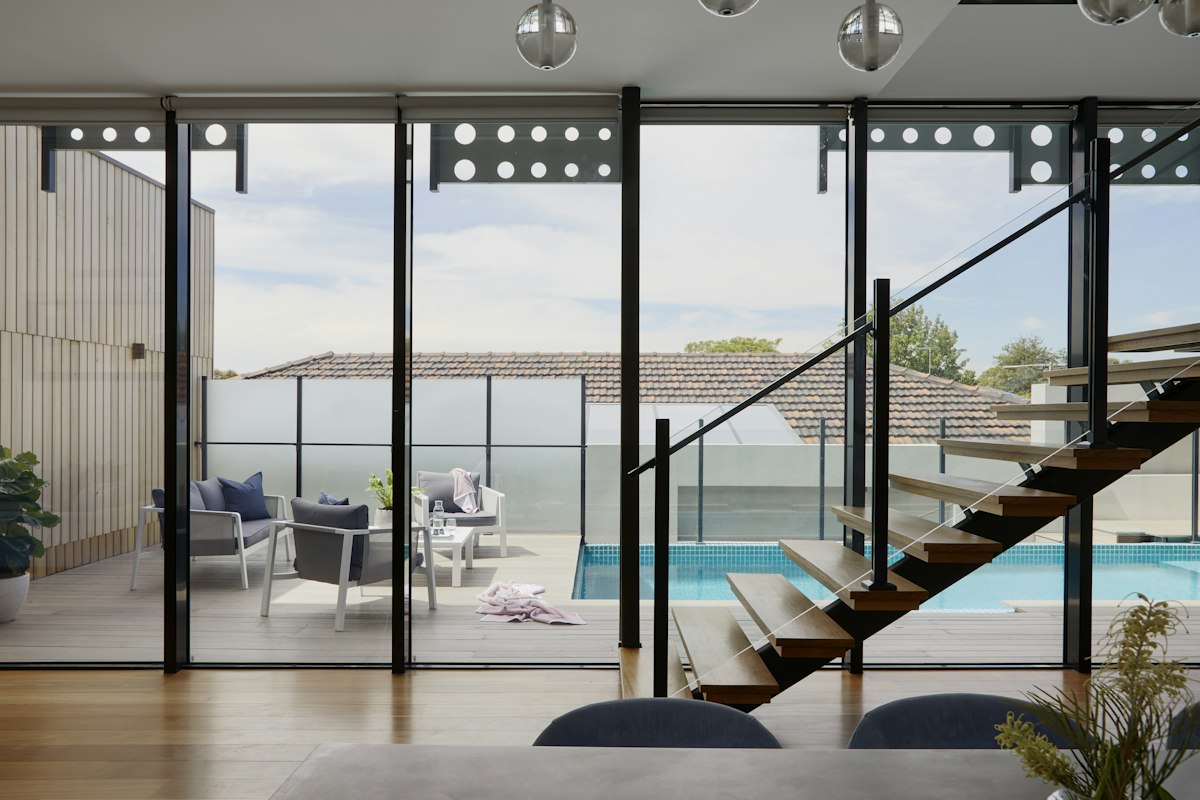
At their core, floor-to-ceiling windows are large panes of glass designed to cover the entire vertical expanse of a wall, or a significant portion of it. Unlike traditional windows that sit within a wall opening, these glazing systems typically extend from the finished floor level to the underside of the ceiling structure. They can be fixed (non-opening) or incorporate various opening mechanisms such as sliding, bifold, or pivot systems, depending on the design and ventilation requirements.
Their primary purpose is to maximise natural light penetration and offer expansive, unobstructed views, creating a sense of openness and grandeur that smaller windows simply cannot achieve. They are particularly popular in modern architectural designs, extensions, and properties with attractive outlooks.
Benefits of Full-Height Glazing
Installing floor-to-ceiling windows offers a multitude of advantages that can significantly enhance a home's living experience and value.
Maximized Natural Light
Perhaps the most obvious benefit, these windows allow an abundance of natural daylight to flood your interiors, reducing the need for artificial lighting during the day. This can lead to lower energy bills and a brighter, more uplifting living environment.
Enhanced Views
For properties with stunning gardens, scenic landscapes, or urban vistas, floor-to-ceiling windows provide an immersive, panoramic view, effectively bringing the outside in and creating a dynamic backdrop to your daily life.
Improved Aesthetics & Space
They contribute to a sleek, contemporary aesthetic, making rooms feel larger, more open, and more luxurious. The uninterrupted glass panels create a sense of expansive space, blurring the lines between interior and exterior.
Potential for Increased Property Value
Well-designed and expertly installed floor-to-ceiling windows are a highly desirable feature that can significantly boost a property's market appeal and resale value, particularly in the premium segment.
Key Considerations for UK Homeowners
While the allure of floor-to-ceiling windows is strong, several critical factors must be carefully considered before committing to installation, especially within the UK's climate and regulatory framework.
Structural Integrity
Replacing a significant portion of a wall with glass fundamentally alters the structural load-bearing capacity. This is not a DIY job. A structural engineer must assess your property and design appropriate lintels, steel beams, or other support structures to safely carry the loads from above. This is particularly crucial for extensions or renovations where existing walls are being modified.
Thermal Performance and Building Regulations
In the UK, all new and replacement glazing must comply with Part L of the Building Regulations (Conservation of Fuel and Power). This means your floor-to-ceiling windows must meet specific U-value requirements to ensure adequate thermal insulation and energy efficiency.
| Element | Minimum U-value (W/m²K) - England 2022 | Notes |
|---|---|---|
| New Build Windows/Doors | 1.2 W/m²K | Required for new constructions |
| Replacement Windows/Doors | 1.4 W/m²K | Required for existing properties |
| Walls (New Build & Extensions) | 0.18 W/m²K | For comparison with opaque elements |
| Floors | 0.18 W/m²K | For comparison with opaque elements |
| Roofs | 0.15 W/m²K | For comparison with opaque elements |
Achieving these U-values with large expanses of glass typically requires high-performance glazing, such as:
- Double Glazing: Standard for most applications, using two panes of glass separated by an inert gas (e.g., argon) and a warm-edge spacer.
- Triple Glazing: Offers superior thermal performance, often necessary for very large windows or to compensate for other less insulated areas of a building.
- Low-E Coatings: Microscopic metallic coatings applied to the glass surface to reflect heat back into the room in winter and out in summer.
- Thermally Broken Frames: Frames (aluminium, timber, composite) must incorporate a non-conductive barrier to prevent heat transfer through the frame material itself.
Pro Tip
When specifying floor-to-ceiling windows, always request the full U-value for the entire window unit (glass and frame combined), known as the Uw value, not just the glass (Ug value). The frame significantly impacts overall thermal performance.
Solar Gain and Overheating
While natural light is desirable, excessive solar gain can lead to overheating, especially in south-facing rooms. Strategies to mitigate this include:
- Solar Control Glass: Special coatings that reduce the amount of solar heat entering the building while maintaining light transmission.
- External Shading: Overhangs, brise soleil, or external blinds can effectively block direct sunlight during peak hours.
- Internal Blinds/Curtains: While less effective at preventing heat gain, they offer privacy and some solar control.
- Ventilation: Ensuring adequate cross-ventilation or incorporating opening sections within the large glazed areas can help dissipate heat.
Privacy and Security
Large windows inherently reduce privacy. Consider your property's orientation, proximity to neighbours, and potential sightlines. Solutions include:
- Strategic Planting: Landscaping can provide natural screening.
- Privacy Glass: Frosted, tinted, or switchable smart glass can offer on-demand privacy.
- Blinds and Curtains: Essential for night-time privacy and light control.
For security, ensure the glazing system uses toughened or laminated glass, robust locking mechanisms, and adheres to Secured by Design standards where appropriate.
Planning Permission and Building Control
In the UK, installing floor-to-ceiling windows typically falls under Building Regulations, and in some cases, may also require planning permission:
- Building Regulations: Any structural alteration, change to the thermal envelope, or installation of new windows must comply with Building Regulations. You will need to submit a Building Notice or Full Plans application to your local authority's Building Control department. They will check for compliance with Part L (thermal performance), Part A (structure), Part B (fire safety), Part K (protection from falling), and other relevant sections.
- Planning Permission: If your property is a listed building, in a conservation area, or if the proposed changes significantly alter the external appearance (e.g., changing a solid wall to a large window where there wasn't one before), planning permission may be required. It is always advisable to check with your local planning authority before starting any work.
Failure to comply with Building Regulations or planning permission requirements could lead to enforcement action, difficulties when selling your property, and potentially costly remedial work.
Material and Design Choices
The frame material and design of your floor-to-ceiling windows will impact their appearance, performance, and cost.
- Aluminium: Popular for its strength, slim sightlines, and modern aesthetic. Aluminium frames can support very large panes of glass and are highly durable. They must be thermally broken to meet UK U-value requirements.
- Timber: Offers a natural, warm aesthetic and excellent thermal properties. Timber frames can be robust but may require more maintenance than other materials.
- Composite (Alu-clad Timber): Combines the warmth of timber internally with the low-maintenance durability of aluminium externally, offering a good balance of aesthetics and performance.
- Frameless Systems: For the ultimate minimalist look, structural glazing systems can minimise visible frames, creating a truly uninterrupted glass wall. These are highly specialised and typically more expensive.
Consider whether you want fixed panes for maximum view or opening sections for ventilation. Sliding or bifold doors can seamlessly connect indoor and outdoor spaces, while pivot doors offer a dramatic entrance.
Maintenance and Cleaning
Large expanses of glass will naturally show dirt and smudges more readily than smaller windows. Consider accessibility for cleaning, especially for upper floors or hard-to-reach areas. Professional window cleaning services may be a necessary ongoing expense.
Regular maintenance of frames and seals is also important to ensure longevity and continued thermal performance, especially in the UK's often damp climate.
Cost Implications
Floor-to-ceiling windows are a premium product. Their cost is influenced by:
- Size and complexity: Larger, more complex installations with multiple opening sections will be more expensive.
- Glazing specification: Triple glazing, solar control coatings, and acoustic glass add to the cost.
- Frame material: Aluminium and composite frames are generally more expensive than standard uPVC (though uPVC is less common for very large spans).
- Installation: Specialist installation teams are required due to the size, weight, and precision needed.
- Structural work: The cost of employing a structural engineer and carrying out necessary structural alterations can be significant.
- Building Control fees: These are mandatory for compliance.
While the initial outlay can be substantial, the long-term benefits in terms of aesthetics, light, and potential property value often justify the investment for many homeowners.
Floor-to-ceiling windows are a remarkable addition to any UK home, offering a blend of contemporary style, abundant natural light, and breathtaking views. However, their successful integration requires careful planning, adherence to strict Building Regulations, and collaboration with experienced professionals. By understanding the structural, thermal, and design considerations, you can confidently embark on a project that will truly transform your living space.
For expert advice on specifying, designing, and installing high-performance floor-to-ceiling windows that comply with all UK standards, consider consulting with a specialist architectural glazing company. They can guide you through the process, from initial concept to final installation, ensuring your vision is realised with precision and compliance.
Explore Our Products
Discover how Shard Architectural Glazing can transform your home with our premium glazing solutions:
Ready to Transform Your Home?
Get in touch with our expert team for a free consultation and personalised quote. We'll help you choose the perfect glazing solution for your property.