

Floor-to-Ceiling Windows: Design, Benefits & Regulations
Explore the world of floor-to-ceiling windows for UK homes. Understand design considerations, energy efficiency, Building Regulations, and installation insights.

Shard Architectural Glazing
20 February 2026
Explore the world of floor-to-ceiling windows for UK homes. Understand design considerations, energy efficiency, Building Regulations, and installation insights.
📋In This Article
Floor-to-ceiling windows, also known as full-height glazing or panoramic windows, have become a hallmark of contemporary architectural design. They are designed to maximise natural light, offer expansive views, and create a seamless connection between indoor and outdoor spaces. For homeowners in the UK considering this striking feature, understanding the design implications, technical specifications, and regulatory requirements is crucial.
What Are Floor-to-Ceiling Windows?
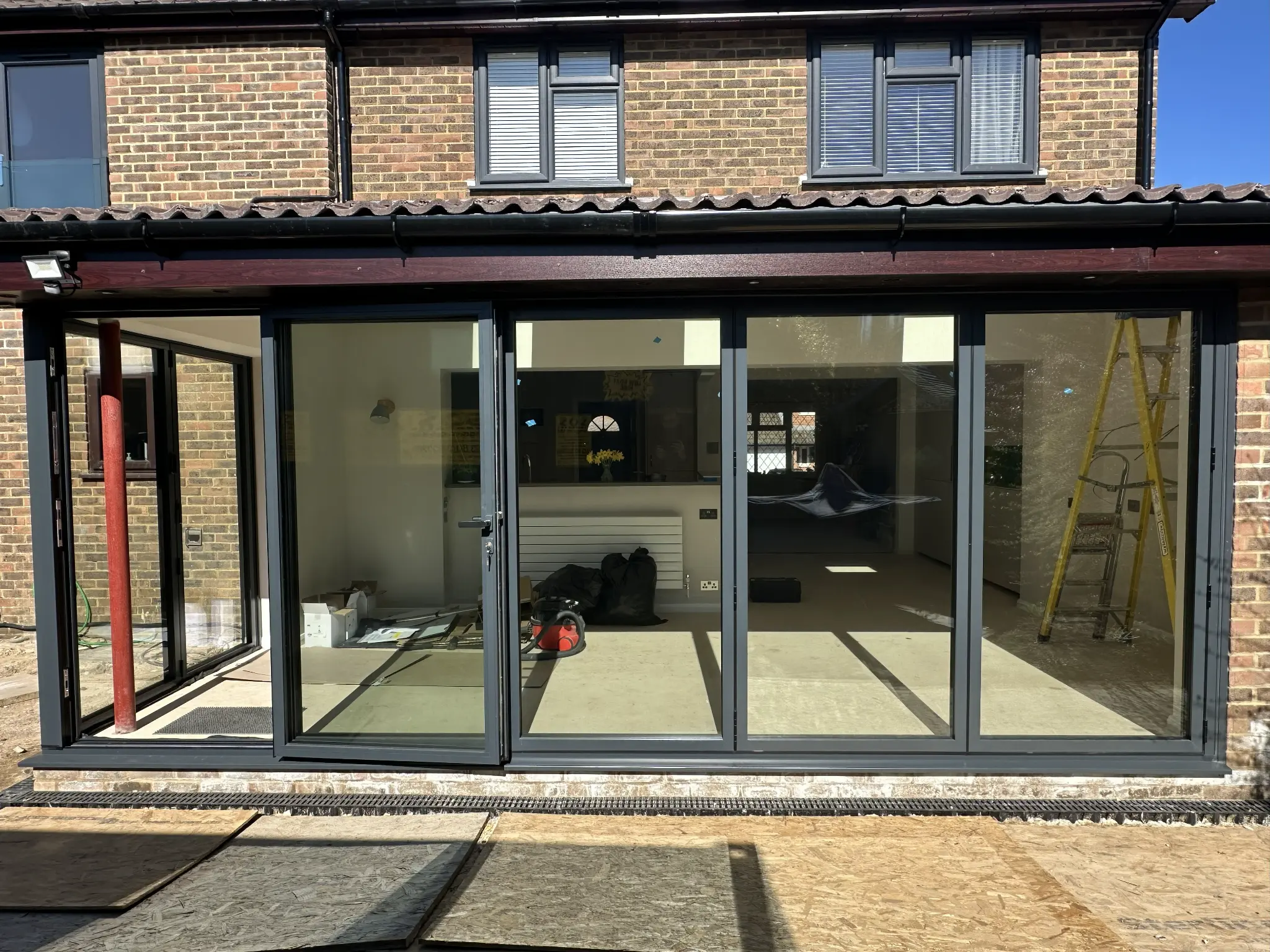
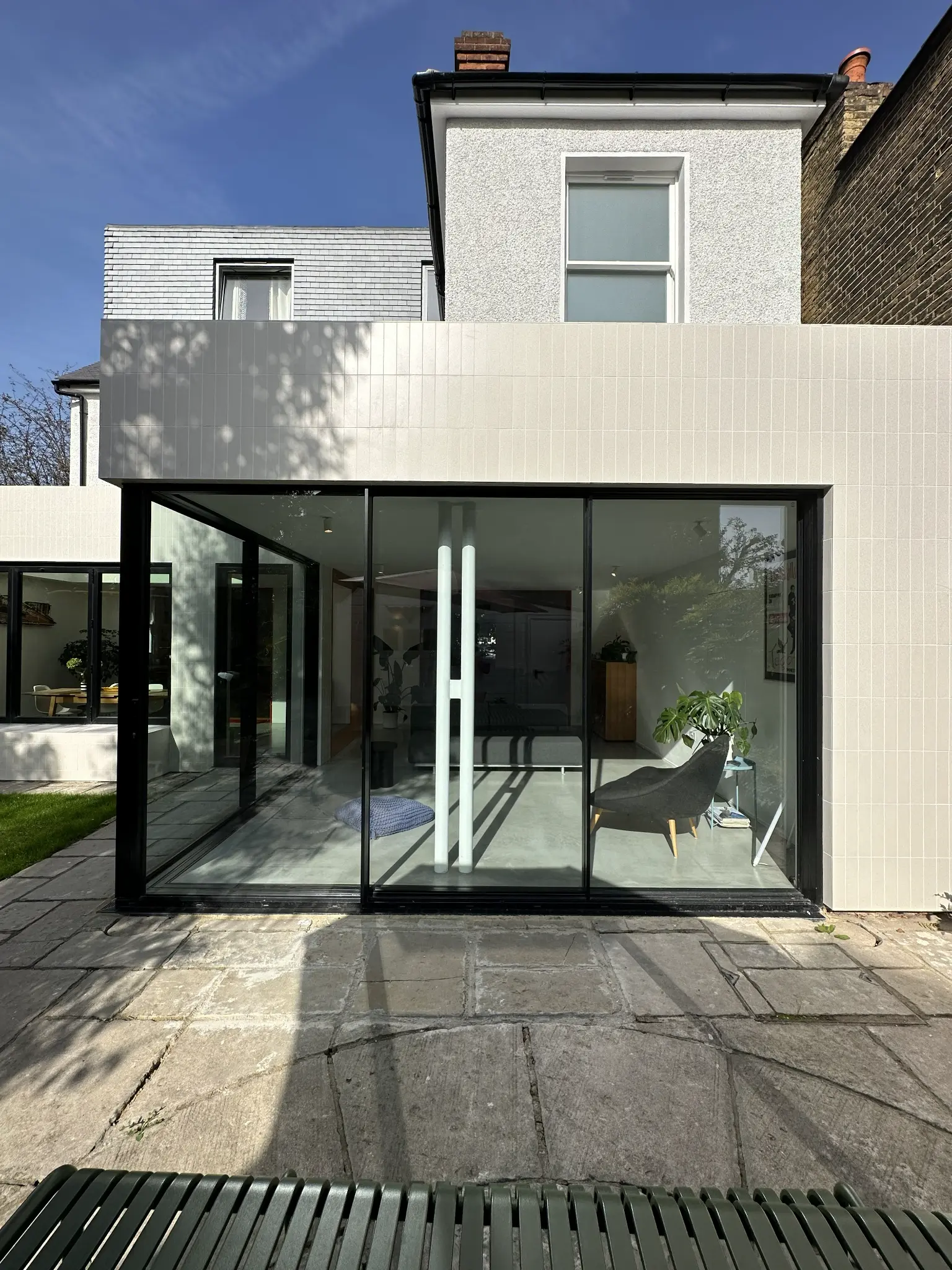
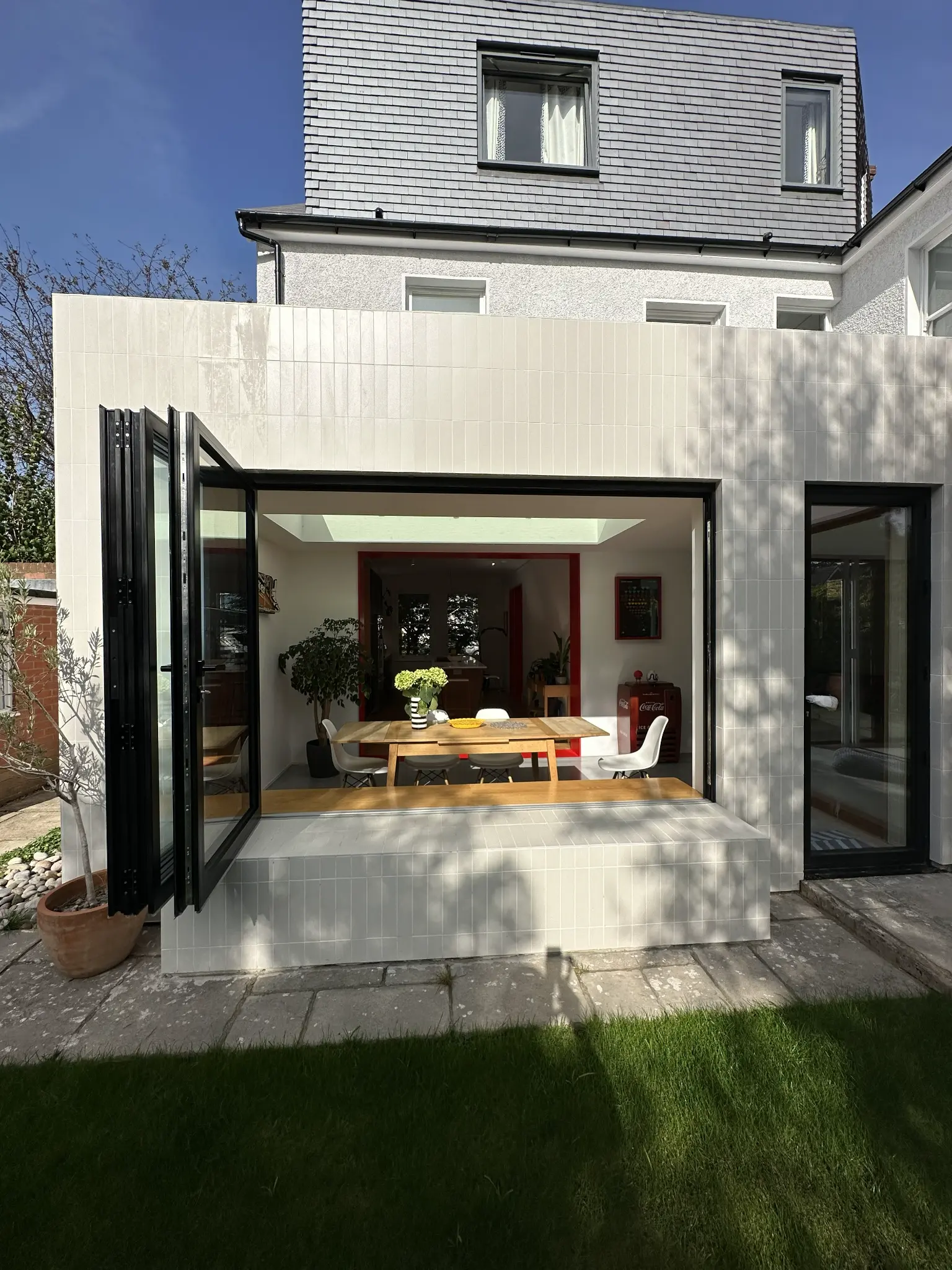
As the name suggests, floor-to-ceiling windows extend from the floor level up to the ceiling, often spanning the entire width of a wall. Unlike traditional windows that sit within a wall, these large glazed units become an integral part of the building's structure and aesthetic. They are typically custom-made to fit specific openings and can be fixed (non-opening) or incorporate opening elements such as sliding, bifold, or pivot doors.
Key Characteristics:
- Maximised Glazing Area: Significantly larger glass panels compared to standard windows.
- Minimal Framing: Often feature slimline frames to enhance the unobstructed view.
- Structural Integration: Require careful consideration of the building's structural integrity.
- Thermal Performance: Advanced glazing technology is essential to maintain energy efficiency.
.jpg)
Benefits and Considerations for UK Homes
Embracing floor-to-ceiling windows brings a host of advantages, but also requires careful thought about potential drawbacks.
Enhanced Natural Light
Flooding interiors with abundant daylight reduces the need for artificial lighting, creating brighter, more inviting spaces and potentially lowering electricity bills.
Panoramic Views
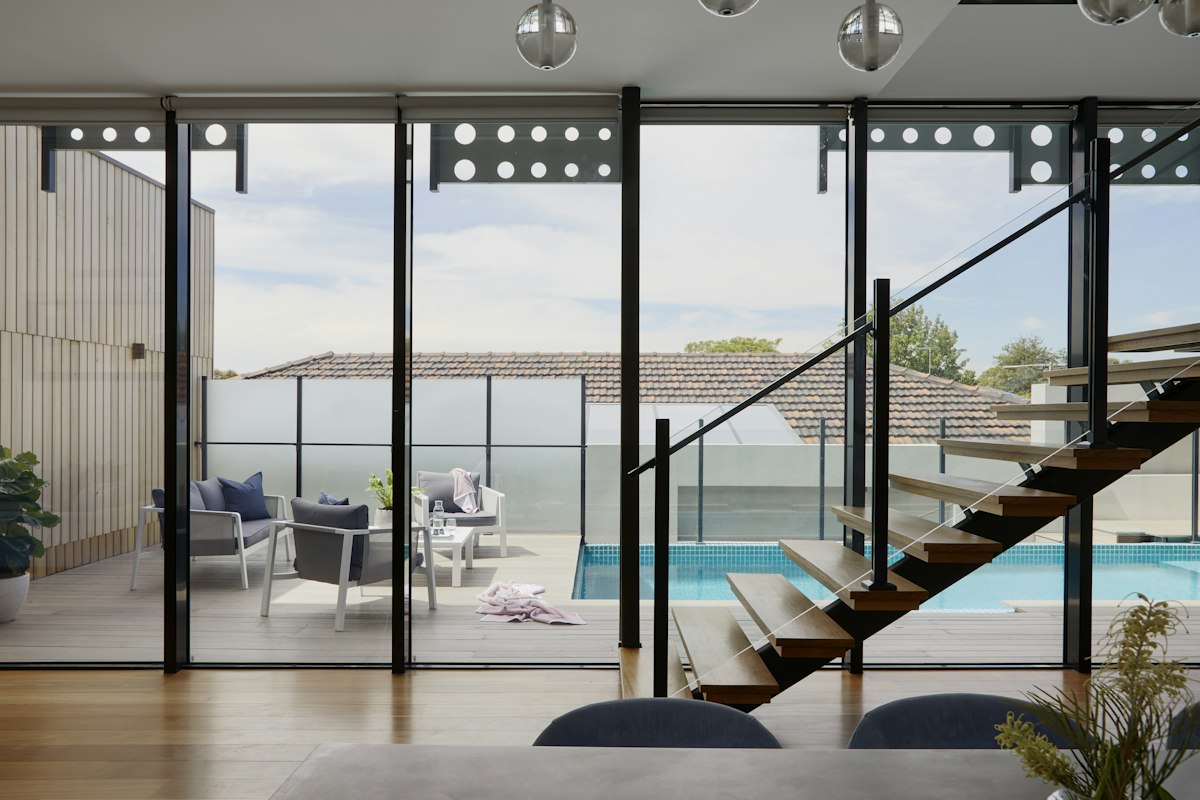
Offering uninterrupted vistas of gardens, landscapes, or cityscapes, these windows transform a room, making it feel larger and more connected to its surroundings.
Aesthetic Appeal
They provide a modern, sophisticated aesthetic, becoming a stunning architectural feature that can significantly increase a property's perceived value and desirability.
Indoor-Outdoor Flow
When combined with opening mechanisms like sliding or bifold doors, they create a seamless transition, perfect for entertaining or enjoying outdoor living.
Potential Considerations:
- Privacy: Large glazed areas can compromise privacy, especially in urban or overlooked locations. Solutions include smart glass, blinds, or strategic landscaping.
- Solar Gain: While desirable in winter, excessive solar gain in summer can lead to overheating. High-performance glass with solar control coatings is essential.
- Cleaning and Maintenance: Large expanses of glass can be challenging to clean, particularly on upper floors. Consider self-cleaning glass or professional services.
- Cost: Due to customisation, structural requirements, and high-performance glazing, floor-to-ceiling windows typically represent a higher investment than standard windows.
- Furniture Placement: Wall space for furniture can be limited, requiring careful interior design planning.
Technical Aspects and UK Building Regulations
Installing floor-to-ceiling windows, particularly in extensions or new builds, involves adherence to specific technical standards and UK Building Regulations. The primary concern is ensuring both structural integrity and thermal performance.
Structural Considerations
Removing a significant portion of a wall to accommodate large glazing requires professional structural assessment. A structural engineer will determine the need for lintels, steel beams (RSJs), or other support systems to safely bear the load of the structure above. This is critical for safety and compliance.
Thermal Performance (Part L)
Energy efficiency is paramount. UK Building Regulations Part L (Conservation of Fuel and Power) sets strict U-value requirements for new and replacement windows to minimise heat loss. For floor-to-ceiling windows, achieving these values is crucial to prevent cold spots and high energy bills.
Pro Tip
Always specify double or triple glazing for floor-to-ceiling windows. Look for glass with low-emissivity (low-e) coatings and inert gas (e.g., argon) fills between panes. These features significantly improve thermal insulation, helping to meet U-value targets and reduce energy consumption.
Current UK Building Regulations Part L (2022 England) U-value requirements:
| Building Element | U-value Requirement (W/m²K) | Notes |
|---|---|---|
| New Build Walls | 0.18 | |
| New Build Floors | 0.18 | |
| New Build Roofs | 0.15 | |
| New Build Windows/Doors | 1.2 | |
| Replacement Windows/Doors | 1.4 |
It's important to note that the overall thermal performance of the entire glazed element (glass and frame) must meet these U-values. For very large glazed areas, the total heat loss from the dwelling (TER - Target Emission Rate) must be considered, and compensatory measures (e.g., better wall insulation) might be needed if the glazing exceeds typical allowances.
Safety Glazing (Part K)
Part K of the Building Regulations (Protection from falling, collision and impact) requires that critical locations for glazing, such as floor-to-ceiling windows, use safety glass. This typically means toughened or laminated glass, which either breaks safely into small, blunt pieces or remains in place when shattered, reducing the risk of injury.
Ventilation (Part F)
Adequate ventilation is essential. If your floor-to-ceiling windows are fixed or don't offer sufficient opening area, you may need to incorporate trickle vents or consider other mechanical ventilation solutions to comply with Part F of the Building Regulations.
Design and Installation Considerations
Successful integration of floor-to-ceiling windows requires meticulous planning and expert installation.
Frame Materials
- Aluminium: Popular for its strength, slim sightlines, durability, and low maintenance. It can be powder-coated in various colours.
- Timber: Offers natural warmth and excellent insulation but requires more maintenance.
- Composite (Alu-Clad): Combines the durability of aluminium externally with the warmth of timber internally, offering a balance of aesthetics and performance.
- Steel: Extremely strong, allowing for the slimmest frames, but can be more expensive and may have higher U-values if not thermally broken.
Glazing Options
- Low-E Coatings: Reflect heat back into the room in winter and prevent excessive solar gain in summer.
- Solar Control Glass: Specifically designed to reduce solar heat transmission, ideal for south-facing elevations.
- Acoustic Glass: If noise pollution is a concern, laminated acoustic glass can significantly reduce sound transmission.
- Self-Cleaning Glass: Features a special coating that uses sunlight and rain to break down and wash away dirt.
Opening Mechanisms
- Fixed Panels: Offer the purest aesthetic and maximum light but no ventilation.
- Sliding Doors: Popular for large openings, allowing a portion of the wall to open up.
- Bifold Doors: Fold back to create a wide, unobstructed opening, ideal for connecting living spaces to gardens.
- Pivot Doors: Offer a dramatic, grand entrance, rotating on an axis.
Installation Expertise
Given the size, weight, and structural implications, professional installation is non-negotiable. An experienced installer will ensure proper structural support, weatherproofing, and thermal sealing. They should also be familiar with UK building standards and provide necessary certifications.
Planning Permission and Building Control
While replacing existing windows with new ones of a similar style and size generally falls under Permitted Development, installing floor-to-ceiling windows often constitutes a 'material alteration' or is part of a larger extension project. This typically means:
- Planning Permission: May be required, especially if the changes significantly alter the external appearance of the property, affect a conservation area, or involve listed buildings. It's advisable to check with your local planning authority.
- Building Control Approval: Almost certainly required. This ensures that the structural integrity, thermal performance, fire safety, and other aspects of the installation comply with Building Regulations. A Building Control officer will inspect the work at various stages.
Failing to obtain necessary approvals could lead to enforcement action, difficulties when selling the property, and potential safety issues. Always consult with your local Building Control body or a qualified architect/designer before commencing work.
Conclusion
Floor-to-ceiling windows are a transformative architectural feature, offering unparalleled natural light, stunning views, and a modern aesthetic. However, their successful integration into a UK home demands careful consideration of structural requirements, energy efficiency, and strict adherence to Building Regulations. By working with experienced professionals – from structural engineers to specialist glazing installers – homeowners can achieve a beautiful, compliant, and high-performing result that enhances their living space for years to come.
At Shard AG, we specialise in designing, supplying, and installing bespoke architectural glazing solutions, including high-performance floor-to-ceiling windows. Our team works closely with homeowners, architects, and builders across the UK to deliver innovative and compliant glazing systems tailored to your project's unique requirements. Contact us today to discuss how we can bring your vision to life with precision engineering and exceptional service.
Explore Our Products
Discover how Shard Architectural Glazing can transform your home with our premium glazing solutions:
Ready to Transform Your Home?
Get in touch with our expert team for a free consultation and personalised quote. We'll help you choose the perfect glazing solution for your property.