

Floor-to-Ceiling Windows: Design, Benefits & UK Regulations
Explore the world of floor-to-ceiling windows for your UK home. Understand design considerations, energy efficiency, structural needs, and Building Regulations.

Shard Architectural Glazing
17 February 2026
Explore the world of floor-to-ceiling windows for your UK home. Understand design considerations, energy efficiency, structural needs, and Building Regulations.
📋In This Article
Floor-to-ceiling windows, often referred to as full-height glazing or picture windows, are a striking architectural feature that can transform any space. They offer unparalleled natural light, expansive views, and a sense of openness, blurring the lines between indoor and outdoor environments. For homeowners in the UK considering this impressive design element, understanding the practicalities, benefits, and regulatory requirements is crucial.
What Are Floor-to-Ceiling Windows?
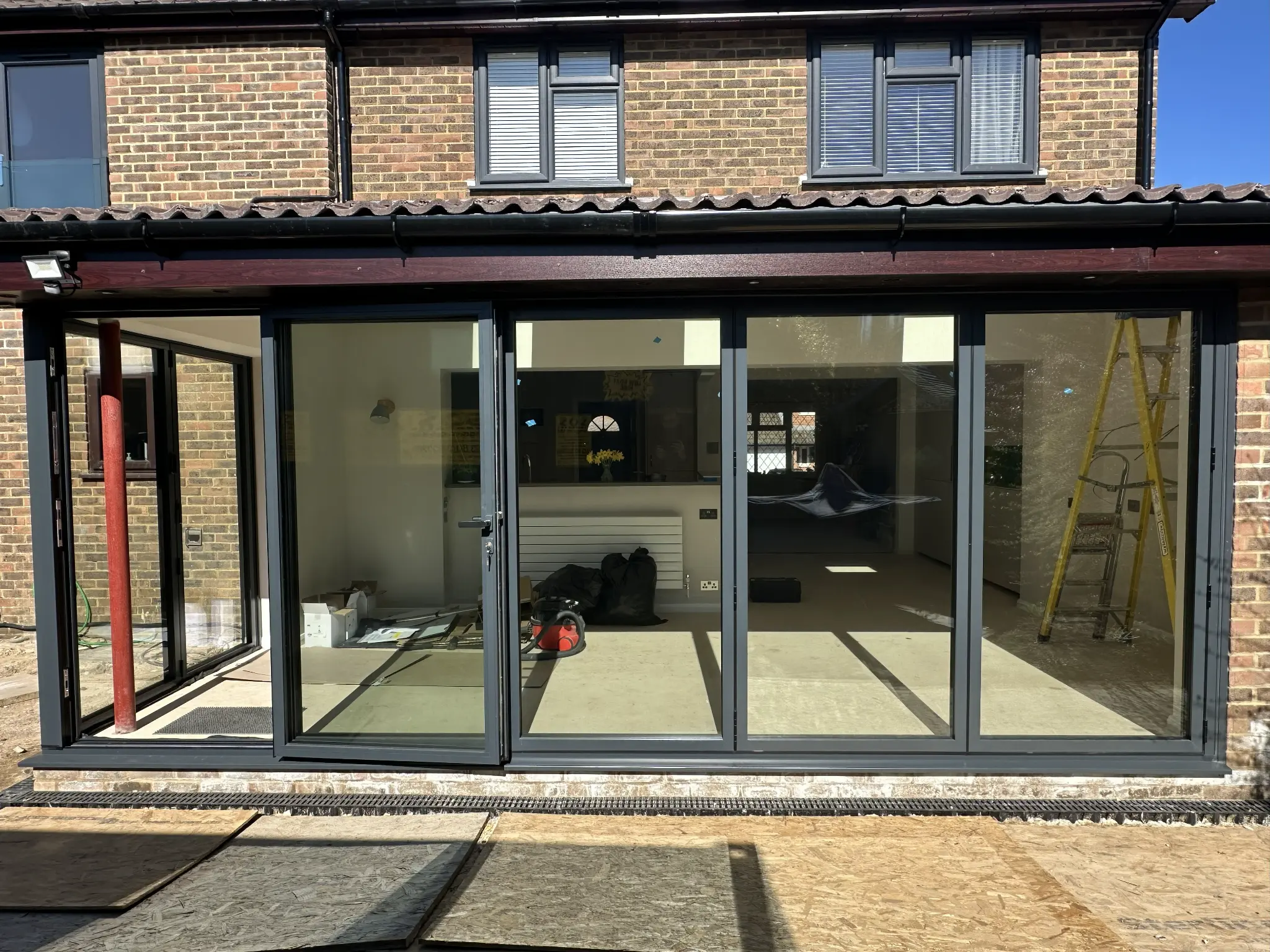
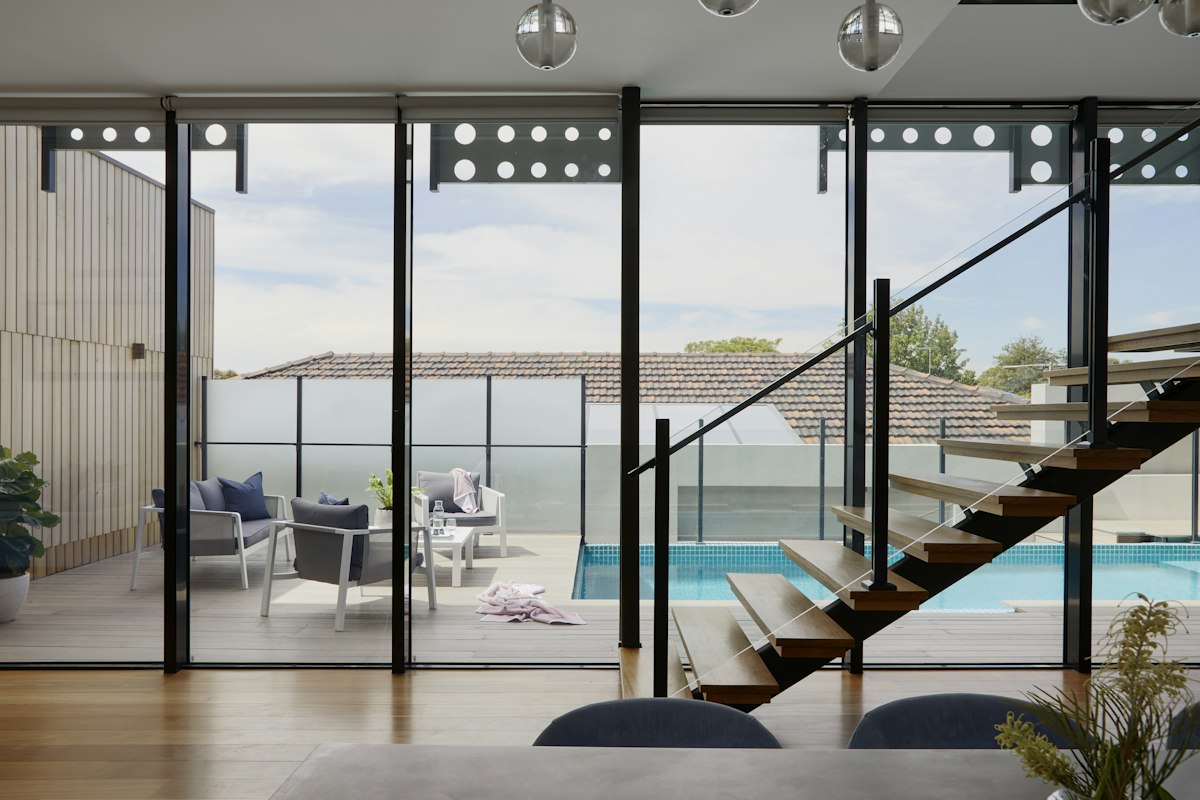
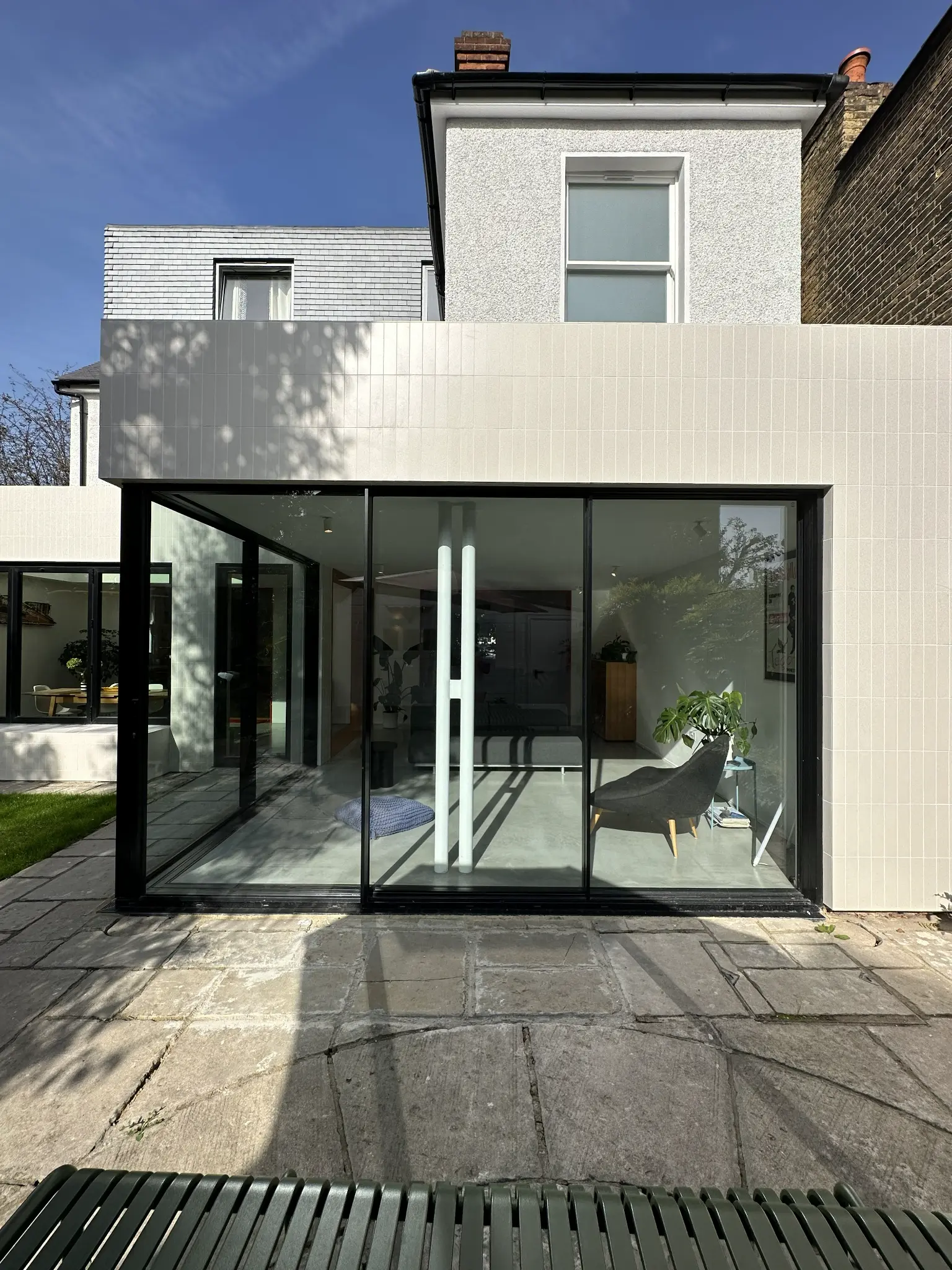
At their core, floor-to-ceiling windows are glazing units that extend from the floor level up to the ceiling, or very close to it. They can be fixed (non-opening) panels, sliding doors, bifold doors, or even pivot doors, depending on the desired functionality and aesthetic. Their primary purpose is to maximise natural light penetration and offer unobstructed views, creating a dramatic visual impact.
These windows are typically large format and often custom-made to fit specific architectural openings. The choice of frame material (aluminium, timber, composite) and glass specification (double or triple glazing, low-emissivity coatings) are critical factors influencing their performance and appearance.
Common Types of Full-Height Glazing
- Fixed Panels: Non-opening, purely for light and view. Offer the slimmest sightlines.
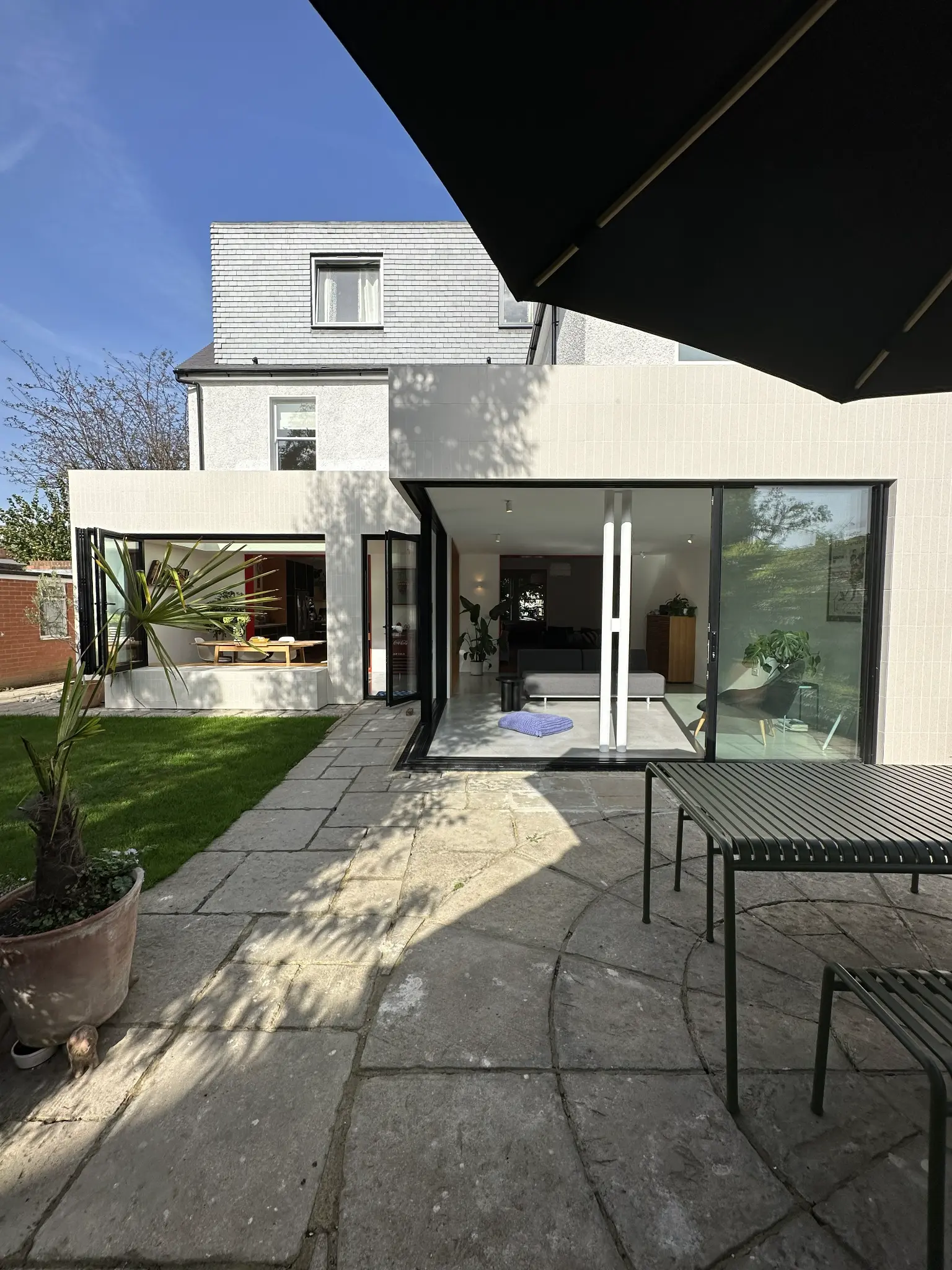
- Sliding Doors: Allow large openings without infringing on indoor or outdoor space. Popular for connecting living areas to gardens.
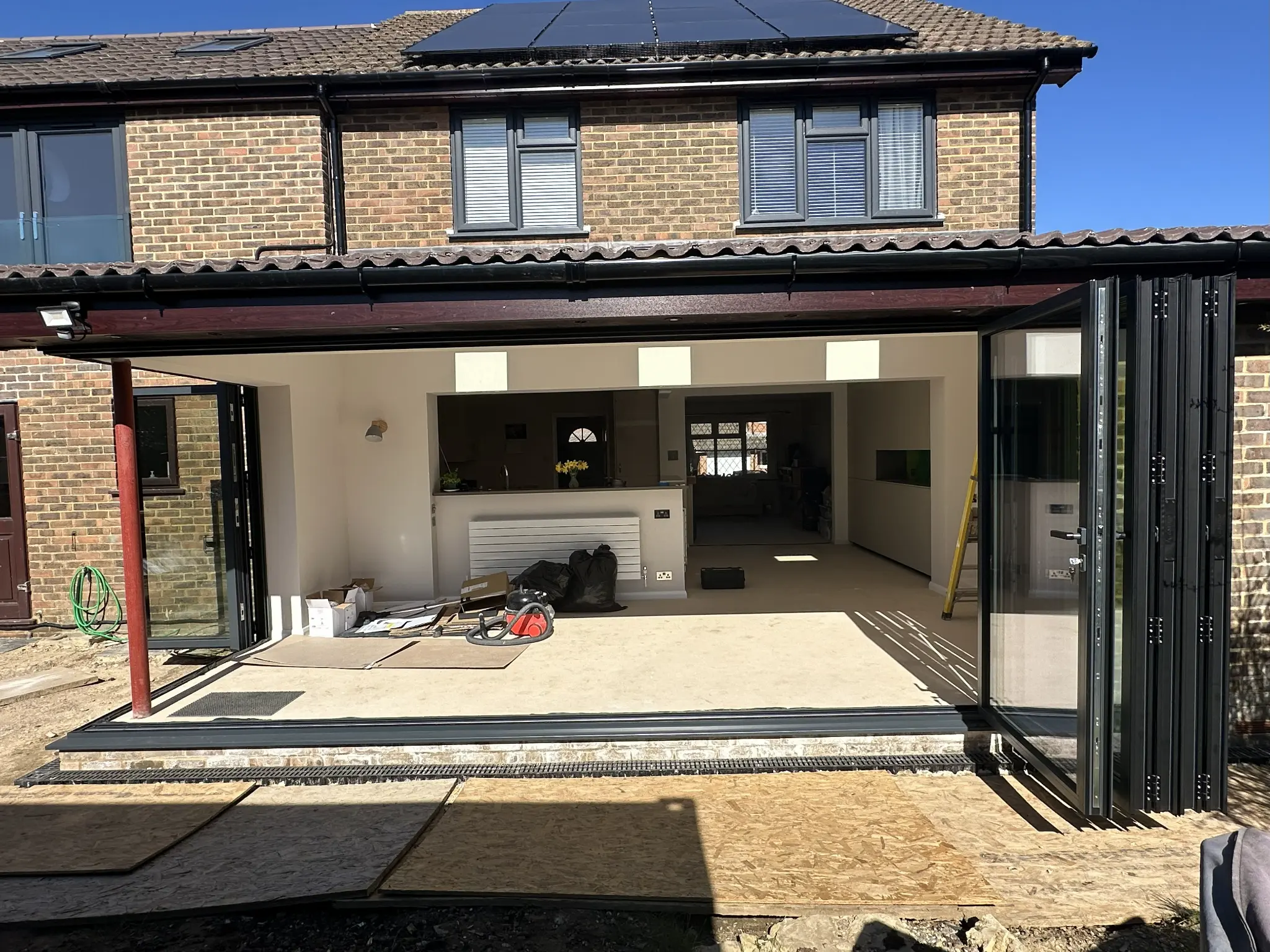
- Bifold Doors: Fold back completely to create a wide, uninterrupted opening. Ideal for seamless indoor-outdoor living.
- Pivot Doors: A single, large door panel that pivots on a central or offset axis, creating a grand entrance or opening.
- Curtain Walling: A non-structural facade system that can create entire walls of glass, often seen in commercial buildings but adaptable for residential projects.
Benefits and Considerations
While undoubtedly beautiful, floor-to-ceiling windows come with a unique set of advantages and potential challenges that homeowners should carefully weigh.
Enhanced Natural Light
Maximises daylight penetration, reducing the need for artificial lighting and creating brighter, more inviting spaces. This can positively impact mood and well-being.
Stunning Views
Offers panoramic views of your garden, landscape, or city skyline, connecting your home to its surroundings.
Sense of Space
Creates an illusion of greater space, making smaller rooms feel larger and more open by extending the visual plane outwards.
Architectural Statement
Adds a contemporary, luxurious aesthetic that significantly enhances a property's kerb appeal and market value.
Potential Considerations
- Privacy: Large expanses of glass can compromise privacy, especially in overlooked locations. Solutions include strategic landscaping, intelligent glass (switchable privacy glass), or integrated blinds.
- Heat Gain/Loss: While modern glazing is highly efficient, large glass areas can still be prone to heat gain in summer and heat loss in winter if not specified correctly. Solar control coatings and high-performance glazing are essential.
- Cost: Generally more expensive than standard windows due to their size, structural requirements, and specialist installation.
- Cleaning: Maintaining pristine views requires regular cleaning, which can be challenging for large, high panels.
- UV Exposure: Increased UV light can fade furniture, flooring, and artwork. Low-emissivity (Low-E) coatings often include UV filters.
- Structural Impact: Requires significant structural considerations, as walls are replaced by glass, necessitating robust lintels or steelwork.
Pro Tip
When planning for floor-to-ceiling windows, consider the orientation of your property. South-facing windows will benefit most from solar gain in winter but require careful solar control in summer. North-facing windows provide consistent, diffused light but can lead to more heat loss.
Technical Aspects and UK Building Regulations
Installing floor-to-ceiling windows is not merely an aesthetic choice; it involves significant technical and regulatory considerations, particularly in the UK.
Structural Integrity
Replacing a load-bearing wall with glazing requires professional structural engineering. Steel beams (RSJs) or reinforced concrete lintels will be necessary to support the load from above. This work typically falls under Building Regulations and will require approval.
Energy Efficiency (Part L)
The most critical regulatory aspect for glazing in the UK is compliance with Part L (Conservation of Fuel and Power) of the Building Regulations. This dictates the maximum U-values allowed for different building elements to ensure energy efficiency.
For new build properties and extensions in England (2022 standards):
- Walls: 0.18 W/m²K
- Floors: 0.18 W/m²K
- Roofs: 0.15 W/m²K
- Windows/Doors: 1.2 W/m²K
For replacement windows and doors in existing dwellings, the U-value requirement is 1.4 W/m²K.
Achieving these U-values with large expanses of glass typically requires high-performance double or triple glazing with low-emissivity coatings and warm edge spacer bars. The overall U-value of the window (Uw) includes the frame, not just the glass (Ug).
Safety and Security
- Impact Safety (Part K): Glazing in critical locations (e.g., low-level windows, doors) must be safety glass (toughened or laminated) to prevent injury from breakage.
- Security (Part Q): For new dwellings, windows and doors must be designed and manufactured to a standard that resists unauthorised access, often requiring compliance with PAS 24 or similar standards. While not mandatory for replacements, it is highly recommended.
- Fire Safety (Part B): Depending on their location and proximity to boundaries, large windows may need to meet specific fire resistance requirements or be non-combustible.
Ventilation (Part F)
Building Regulations Part F requires adequate ventilation. If floor-to-ceiling windows replace existing opening windows, ensure that alternative means of ventilation (e.g., trickle vents, mechanical ventilation with heat recovery) are incorporated to maintain compliance.
Glazing Specifications and Materials
The performance and longevity of your floor-to-ceiling windows depend heavily on the materials used.
Frame Materials
| Material | Pros | Cons | Typical U-value (Frame only) |
|---|---|---|---|
| Aluminium | Strong, slim sightlines, durable, low maintenance, wide colour range, recyclable. | Can be more expensive, less insulating than timber without thermal breaks. | 1.2 - 1.8 W/m²K (with thermal breaks) |
| Timber | Excellent natural insulator, aesthetically warm, sustainable, can be repaired. | Requires more maintenance (painting/staining), can be thicker frames. | 0.8 - 1.4 W/m²K |
| Composite (Alu-Clad Timber) | Best of both: timber interior, aluminium exterior. Low maintenance, good insulation. | Highest cost, can be thicker frames. | 0.9 - 1.3 W/m²K |
| uPVC | Cost-effective, low maintenance, good insulation. | Thicker frames, less aesthetic appeal for large spans, limited colour range. | 1.0 - 1.6 W/m²K |
Glass Specifications
- Double Glazing: Two panes of glass with an inert gas (e.g., argon) filled cavity. Standard for energy efficiency.
- Triple Glazing: Three panes of glass with two gas-filled cavities. Offers superior thermal and acoustic performance, often necessary to meet stringent U-value requirements for large glass areas.
- Low-Emissivity (Low-E) Coatings: Microscopic metallic coatings on the glass surface that reflect heat, improving thermal performance.
- Solar Control Glass: Designed to reduce solar heat gain, preventing overheating in summer while still allowing light in.
- Laminated Glass: Two panes bonded with a plastic interlayer, providing enhanced security and acoustic insulation. If it breaks, the glass adheres to the interlayer.
- Toughened Glass: Heat-treated for strength; shatters into small, relatively harmless pieces when broken. Essential for safety in critical areas.
Design and Installation Considerations
Successful implementation of floor-to-ceiling windows requires careful planning and expert execution.
Design Phase
- Orientation: As mentioned, consider sun path and prevailing winds.
- Shading: Integrate external shading (overhangs, louvres) or internal solutions (blinds, curtains) to manage light and heat.
- Ventilation: Plan for adequate natural or mechanical ventilation, especially if large fixed panels are used.
- Integration: How will the windows integrate with your overall architectural style and interior design? Consider frame colours and finishes.
- Access for Cleaning: Think about how the exterior of the glass will be cleaned, especially on upper floors.
Installation Process
The installation of large format glazing is a specialist job:
- Site Access: Large panels require clear access for delivery and installation equipment (e.g., cranes, specialist lifting gear).
- Weather Protection: The opening will be exposed during installation, requiring careful planning to protect the interior from weather.
- Precision: Accurate measurements and precise installation are critical for thermal performance, weatherproofing, and smooth operation of opening elements.
- Sealing and Weatherproofing: High-quality seals, membranes, and flashing details are essential to prevent water ingress and air leakage.
Conclusion and Expert Advice
Floor-to-ceiling windows are a remarkable addition to any home, offering aesthetic appeal, abundant light, and a strong connection to the outdoors. However, they represent a significant investment and require thorough planning to ensure they perform optimally, comply with UK Building Regulations, and meet your long-term expectations for comfort and energy efficiency.
It is highly recommended to engage with experienced professionals from the outset. An architect can help integrate the design seamlessly into your home, a structural engineer will ensure the integrity of your building, and a reputable glazing specialist can advise on the best materials, glass specifications, and installation methods to achieve your vision while adhering to all relevant standards.
By carefully considering all these factors, you can enjoy the transformative benefits of floor-to-ceiling windows for many years to come.
Explore Our Products
Discover how Shard Architectural Glazing can transform your home with our premium glazing solutions:
Ready to Transform Your Home?
Get in touch with our expert team for a free consultation and personalised quote. We'll help you choose the perfect glazing solution for your property.