
Frameless Glass Solutions: A UK Homeowner's Comprehensive Guide
Explore the elegance and practicality of frameless glass solutions for UK homes. Understand types, benefits, regulations, and installation considerations.

Shard Architectural Glazing
18 March 2026
Explore the elegance and practicality of frameless glass solutions for UK homes. Understand types, benefits, regulations, and installation considerations.
📋In This Article
Frameless glass solutions have emerged as a leading trend in contemporary UK home design, offering an unparalleled blend of aesthetic appeal and functional performance. By minimising visible frames, these systems create a sense of openness, maximise natural light, and provide unobstructed views, transforming both internal and external living spaces. This comprehensive guide will delve into the world of frameless glass, exploring its various applications, technical considerations, and how it aligns with UK building regulations.
What Are Frameless Glass Solutions?
At its core, a frameless glass solution refers to any glazing system where the supporting framework is either completely absent or significantly recessed and concealed, allowing the glass itself to be the primary structural and visual element. This is achieved through specialised fixing methods, such as channels embedded in floors and ceilings, point fixings, or structural silicone glazing. The result is a sleek, minimalist aesthetic that blurs the lines between indoor and outdoor, or between different internal zones.
Key Characteristics:
- Minimalist Aesthetic: Clean lines and an uncluttered appearance.
- Maximal Light Transmission: Unimpeded flow of natural light, reducing reliance on artificial lighting.
- Enhanced Views: Panoramic and unobstructed vistas.
- Modern Appeal: A hallmark of contemporary architectural design.
- Versatility: Suitable for a wide range of applications, from internal partitions to external balustrades.
Common Applications in UK Homes
Frameless glass offers incredible versatility, making it suitable for numerous applications within and around a UK property. Each application brings its own set of design and technical considerations.
1. Frameless Glass Balustrades
Internal & External: These are perhaps the most popular application. Used for staircases, landings, balconies, and decking areas, frameless glass balustrades provide safety barriers without compromising views or light. They typically consist of toughened or laminated toughened glass panels, secured by base channels, spigots, or stand-off fixings.
- Glass Type: Often 10mm, 12mm, 15mm, or 19mm toughened glass, or 13.5mm/17.5mm laminated toughened glass for added safety against shattering.
- Fixing Methods:
- Base Channel: Glass slots into an aluminium channel recessed into the floor or surface.
- Spigots: Stainless steel clamps that hold the glass panels at the base.
- Stand-off Fixings: Discs that bolt through the glass into the side of the structure.
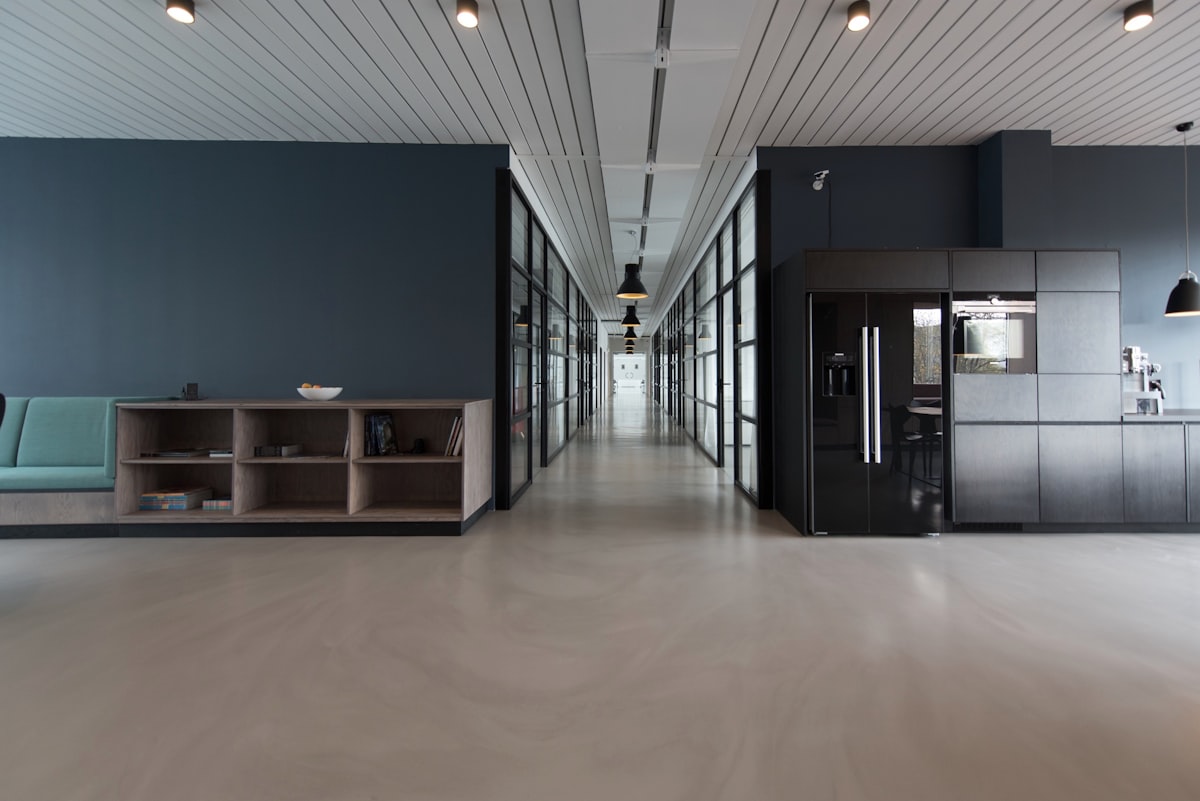
2. Frameless Glass Partitions & Doors
Ideal for creating flexible, open-plan living spaces without sacrificing natural light. They can divide rooms, create home offices, or enclose en-suite bathrooms, maintaining a sense of spaciousness.
- Glass Type: Typically 10mm or 12mm toughened glass.
- Doors: Can be hinged, sliding (with minimal top/bottom tracks), or pivot doors, often with discreet patch fittings and floor springs.
- Acoustics: While offering visual separation, frameless glass provides moderate acoustic insulation. For enhanced soundproofing, consider thicker glass or specialist acoustic laminates.
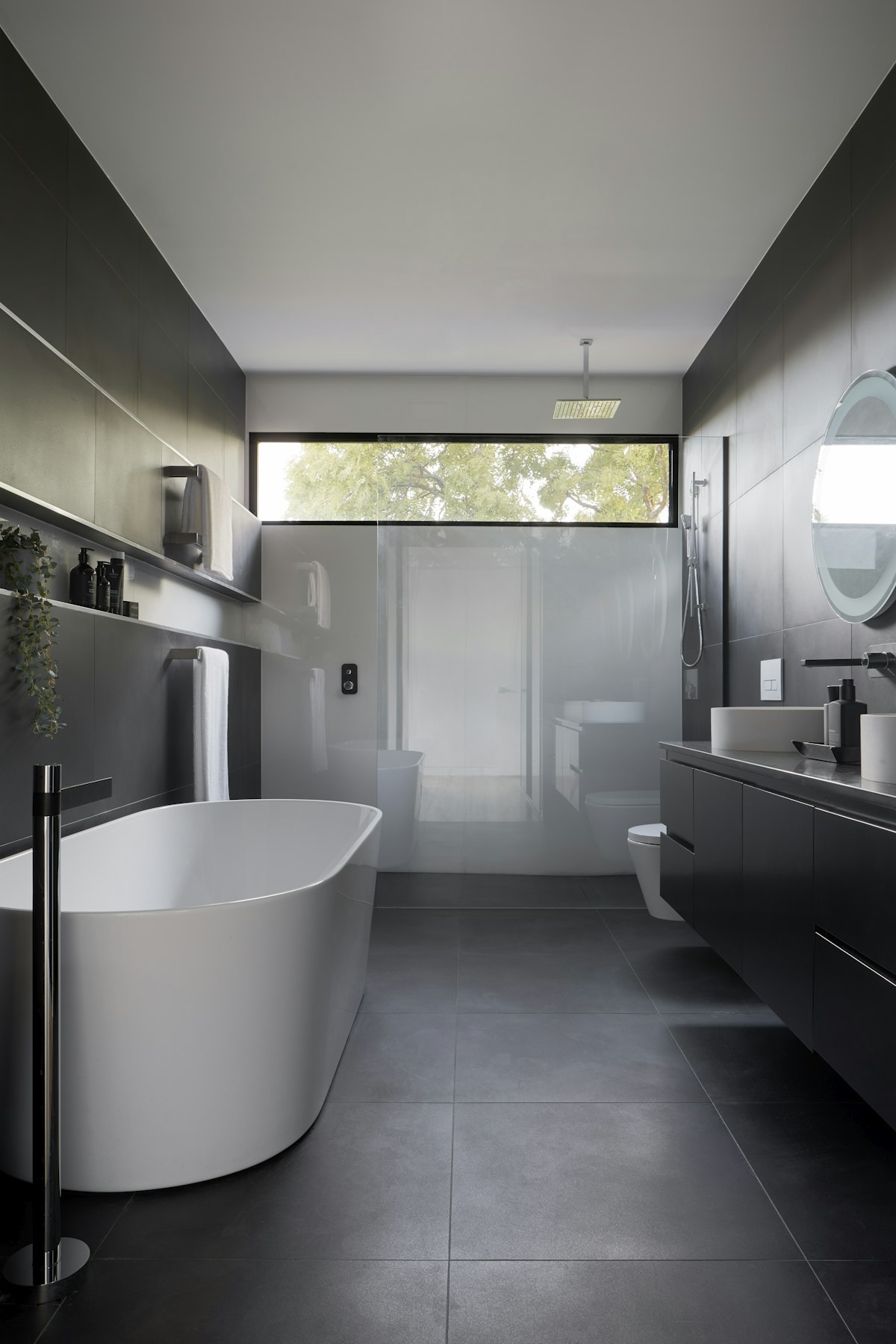
3. Frameless Glass Shower Screens & Wet Rooms
A luxurious and practical choice for bathrooms, creating sleek, easy-to-clean enclosures that enhance the feeling of space.
- Glass Type: 8mm or 10mm toughened glass, often with a protective coating to reduce limescale build-up.
- Fixings: Minimal hinges, wall clamps, and discreet seals.
4. Frameless Glass Rooflights & Walk-on Glass
Introducing natural light from above or creating unique floor features. Walk-on glass is particularly effective for basements or extending light into lower levels.
- Rooflights: Requires specialist laminated toughened glass, often with low-emissivity coatings for thermal performance.
- Walk-on Glass: Must be specifically engineered for load-bearing, typically using multiple layers of laminated toughened glass with a non-slip surface treatment.
Maximised Natural Light
Frameless glass allows an abundance of daylight to penetrate deeper into your home, reducing the need for artificial lighting and creating a brighter, more inviting atmosphere.
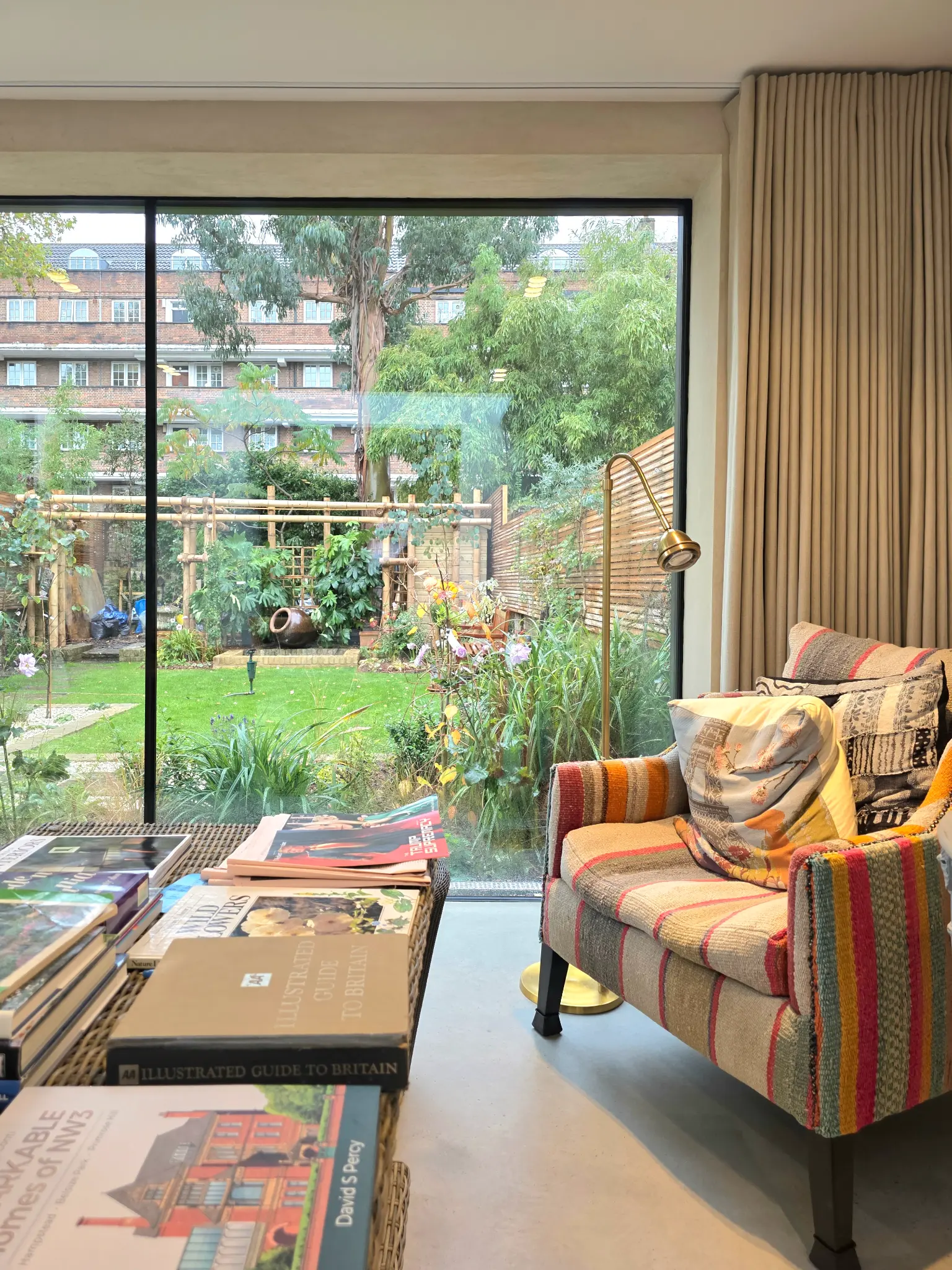
Uninterrupted Views
Whether it's a stunning garden, city skyline, or an open-plan interior, frameless glass ensures your views remain unobstructed, enhancing the connection between spaces.
Modern Aesthetic
The clean lines and minimalist design of frameless glass complement contemporary architecture, adding a touch of sophistication and luxury to any property.
Sense of Space
By removing visual barriers, frameless glass makes rooms feel larger, more open, and less confined, which is particularly beneficial in smaller UK properties.
UK Building Regulations and Technical Considerations
When incorporating frameless glass into your home, it's crucial to understand the relevant UK Building Regulations. Compliance ensures safety, structural integrity, and energy efficiency.
1. Safety Glazing (Part K)
Building Regulations Part K (Protection from falling, collision and impact) is highly relevant. Any glass in critical locations (e.g., doors, side panels next to doors, low-level glazing, balustrades) must be safety glass. This typically means toughened glass (which shatters into small, relatively harmless pieces) or laminated glass (which holds together when broken).
- Balustrades: Must be designed to withstand specific loads (e.g., 0.74 kN/m for domestic dwellings) and typically require laminated toughened glass for line load resistance and integrity after breakage.
- Walk-on Glass: Requires specific engineering calculations and typically uses multiple layers of laminated toughened glass to meet load-bearing requirements and ensure safety even if one pane breaks.
2. Thermal Performance (Part L)
For external applications like frameless glass extensions, large sliding doors, or rooflights, thermal performance is critical. Building Regulations Part L (Conservation of Fuel and Power) sets strict U-value requirements.
- Windows/Doors (New Build): Maximum U-value of 1.2 W/m²K.
- Windows/Doors (Replacement): Maximum U-value of 1.4 W/m²K.
- Rooflights: Often fall under the window/door category, but specific requirements may apply depending on the proportion of glazing to the overall roof area.
Achieving these U-values with frameless systems often necessitates high-performance double or triple glazing with low-emissivity coatings and inert gas infills (e.g., argon). While the 'frameless' aesthetic prioritises minimal visible structure, the hidden components and glass specification must still meet these thermal standards.
3. Structural Integrity
The design and installation of frameless glass systems require careful structural engineering. The glass itself, along with its fixings, must be capable of safely supporting its own weight and any imposed loads (e.g., wind loads for external applications, human impact for balustrades).
- Wind Loading: External glass panels must be specified to withstand local wind pressures.
- Deflection: Glass should not deflect excessively under load, which could lead to stress or failure.
- Professional Design: Always engage a qualified structural engineer or a specialist glazing company with in-house structural expertise for frameless glass installations.
Pro Tip
When planning frameless glass installations, particularly for external use or balustrades, always consult with your local Building Control officer early in the design process. They can provide specific guidance on compliance with Part K and Part L, ensuring your project meets all safety and energy efficiency standards.
Types of Glass and Fixings
The choice of glass and fixing method significantly impacts both the aesthetics and performance of a frameless system.
Glass Types:
- Toughened Glass (Tempered Glass): Up to five times stronger than ordinary glass. If broken, it shatters into small, relatively harmless pieces. Essential for safety glazing.
- Laminated Glass: Two or more panes of glass bonded together with a plastic interlayer (e.g., PVB). If broken, the interlayer holds the pieces together, maintaining integrity. Often used for balustrades, overhead glazing, and security.
- Laminated Toughened Glass: Combines the strength of toughened glass with the safety of lamination. Highly recommended for balustrades and walk-on glass.
- Low-Iron Glass: Offers superior clarity by reducing the green tint often seen in standard glass, providing truer colour rendition and maximum light transmission.
- Low-Emissivity (Low-E) Glass: Features a microscopic coating that reflects heat, improving thermal performance for external glazing.
Common Fixing Methods:
- Base Channels: Aluminium channels, often recessed into the floor or structure, hold the bottom edge of the glass. Provides a clean, minimalist look.
- Point Fixings (Stand-offs): Stainless steel discs that bolt through pre-drilled holes in the glass into the adjacent structure. Creates a 'floating' effect.
- Spigots: Stainless steel clamps that grip the bottom edge of the glass, often used for external balustrades on decking or patios.
- Structural Silicone: Used to bond glass panels together or to a hidden frame, creating seamless glass-to-glass joints.
- Patch Fittings: Small, discreet metal components used for hinges, pivots, and locks on frameless glass doors.
Design and Installation Considerations
Achieving a successful frameless glass installation requires meticulous planning and expert execution.
1. Site Survey & Measurements
Precision is paramount. Frameless glass is typically custom-made, so accurate measurements are essential. Any discrepancies can lead to costly delays or ill-fitting panels.
2. Structural Preparedness
The existing structure (floor, wall, ceiling) must be robust enough to support the weight of the glass and the forces applied to it. This may require additional reinforcement, especially for heavy balustrades or walk-on glass.
3. Drainage & Weatherproofing
For external applications, proper drainage and weather sealing are critical to prevent water ingress and ensure longevity. This includes appropriate detailing for base channels and perimeter seals.
4. Access & Logistics
Large glass panels can be extremely heavy and require specialist lifting equipment and careful handling. Consider access routes to the installation site.
5. Maintenance
While frameless glass offers a sleek look, it does require regular cleaning to maintain its pristine appearance. Consider anti-limescale or self-cleaning coatings for shower screens and external glass.
Comparison Table: Common Frameless Glass Applications
| Application | Typical Glass Thickness | Key Fixing Method(s) | Primary Regulation Focus | Key Benefit |
|---|---|---|---|---|
| Balustrades | 12mm-19mm Toughened Laminated | Base channel, Spigots, Stand-offs | Part K (Safety from falling) | Unobstructed views, Safety barrier |
| Internal Partitions | 10mm-12mm Toughened | Base channel, Patch fittings | Part K (Impact safety) | Light flow, Open-plan feel |
| Shower Screens | 8mm-10mm Toughened | Hinges, Wall clamps | Part K (Impact safety) | Sleek aesthetic, Easy clean |
| External Rooflights | 25mm-35mm Laminated Toughened (Double/Triple Glazed) | Structural silicone, Hidden frame | Part L (Thermal performance), Part K (Overhead safety) | Overhead natural light |
Choosing the Right Supplier and Installer
Given the technical nature and safety implications of frameless glass, selecting a reputable supplier and installer is paramount. Look for companies with:
- Proven Experience: A strong portfolio of similar projects.
- Technical Expertise: In-house design capabilities and understanding of structural engineering.
- Compliance Knowledge: Thorough understanding of UK Building Regulations and British Standards (e.g., BS 6180 for balustrades).
- Accreditations: Membership of industry bodies or relevant certifications.
- Comprehensive Service: From initial design and survey to fabrication and installation.
- Insurance: Public liability and professional indemnity insurance.
Frameless glass solutions offer a compelling way to enhance the beauty, light, and perceived space within your UK home. By understanding the types, applications, and critical regulatory considerations, homeowners can make informed decisions to create stunning, safe, and compliant architectural features. Always prioritise professional design and installation to ensure both the aesthetic success and long-term performance of your frameless glass investment.
At Shard AG, we specialise in bespoke frameless glass solutions for discerning UK homeowners. Our expert team combines innovative design with meticulous engineering, ensuring every project not only meets but exceeds British Standards and Building Regulations. From elegant balustrades to expansive glass roofs, we provide a comprehensive service, guiding you from concept to a flawless installation that transforms your living space.
Explore Our Products
Discover how Shard Architectural Glazing can transform your home with our premium glazing solutions:
Ready to Transform Your Home?
Get in touch with our expert team for a free consultation and personalised quote. We'll help you choose the perfect glazing solution for your property.