
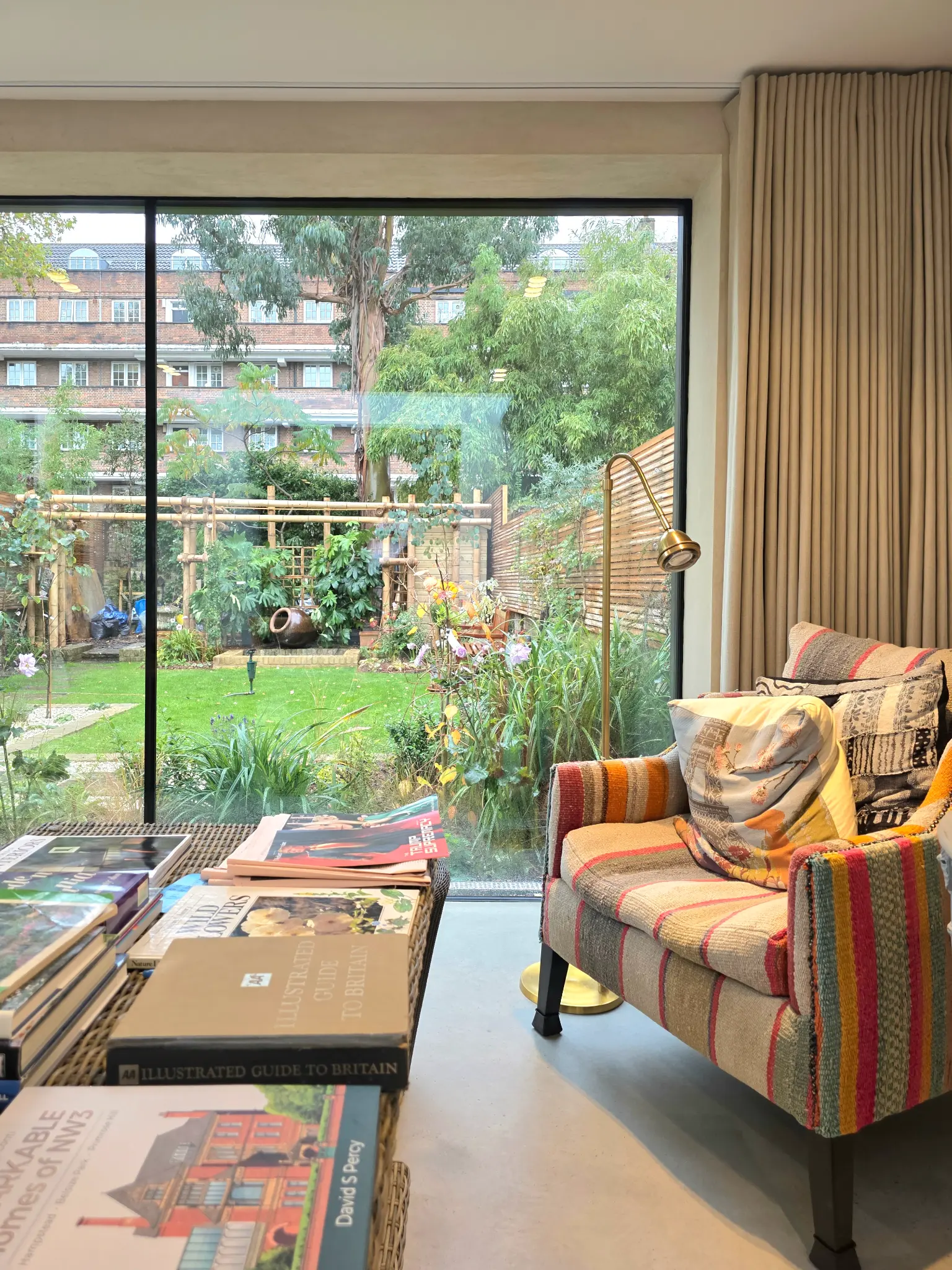
Creating Seamless Indoor-Outdoor Living Spaces in Your UK Home
Discover how to design and build stunning indoor-outdoor living spaces in the UK. Learn about glazing, regulations, materials, and practical considerations.

Shard Architectural Glazing
12 April 2026
Discover how to design and build stunning indoor-outdoor living spaces in the UK. Learn about glazing, regulations, materials, and practical considerations.
📋In This Article
The desire for a seamless connection between home and garden has never been stronger. Indoor-outdoor living spaces are no longer just a luxury; they're a sought-after design principle that enhances lifestyle, expands usable space, and brings a sense of tranquility to everyday living. For UK homeowners, where garden space is often at a premium and weather can be unpredictable, creating a functional and beautiful transition is key. This comprehensive guide will delve into the technicalities, design considerations, and practical advice for achieving this coveted architectural feature, tailored specifically for the UK context.
What Exactly is Indoor-Outdoor Living?
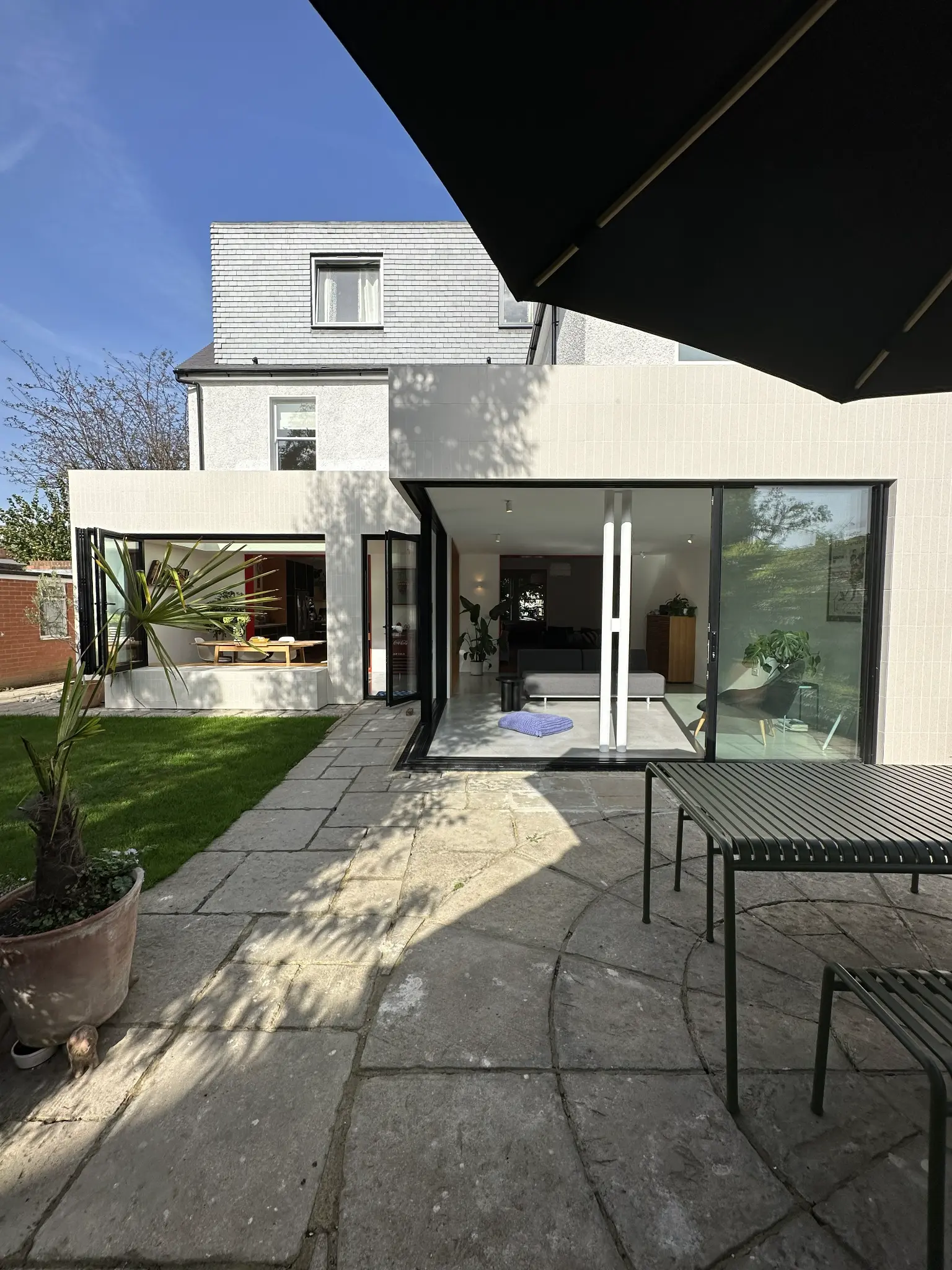
At its core, indoor-outdoor living is about blurring the lines between your internal and external environments. It's not just about having a patio door; it's about designing spaces that flow effortlessly, making your garden feel like an extension of your home and vice versa. This concept maximises natural light, improves ventilation, and creates a more expansive, open-plan feel, even in smaller properties. It's about creating areas that can adapt to different seasons and uses, offering flexibility and enhancing well-being.
Key Elements of Seamless Design
- Large Glazing Solutions: Bi-fold doors, sliding doors, and large picture windows are fundamental.
- Consistent Flooring: Using similar or complementary flooring materials inside and out helps visually connect the spaces.
- Overhead Protection: Canopies, pergolas, or verandas offer shelter from rain and harsh sun, extending usability.
- Cohesive Decor: Extending interior design themes, colours, and even furniture styles to the outdoor area.
- Level Thresholds: Minimising steps or changes in level for an uninterrupted flow and improved accessibility.
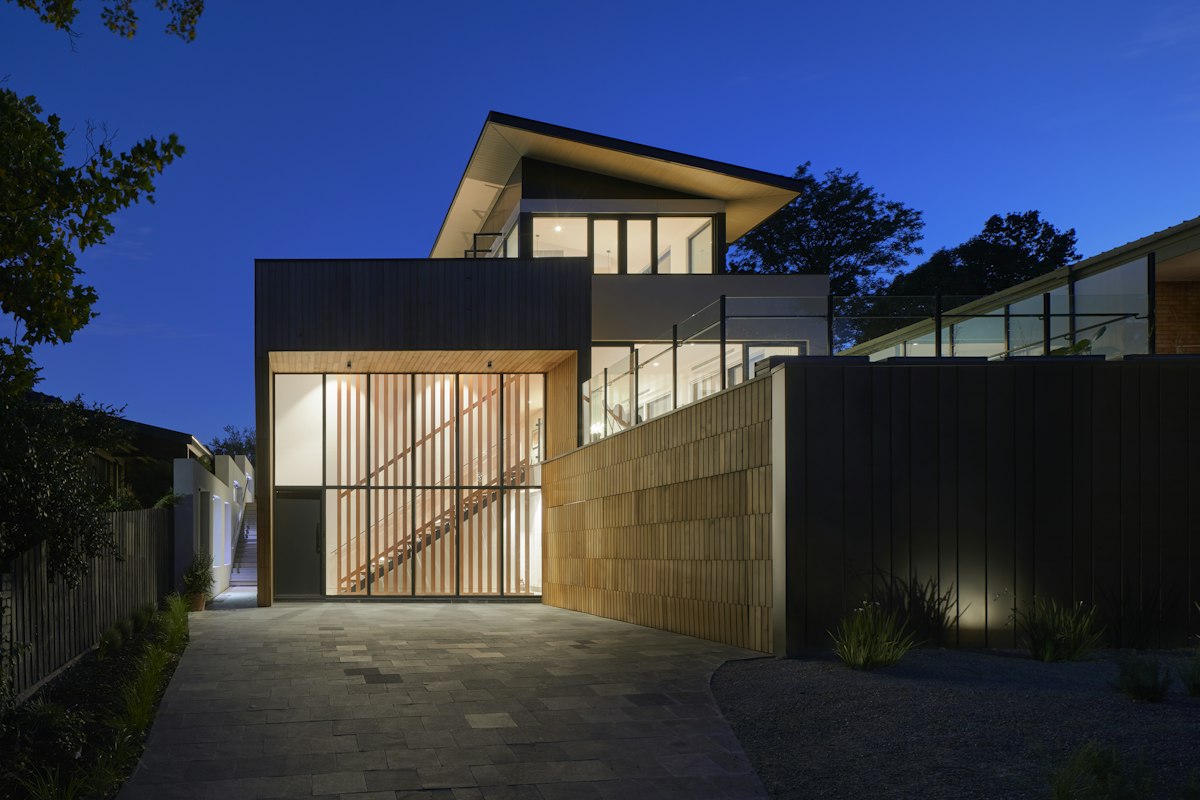
Glazing Solutions: The Heart of the Connection
The choice of glazing is paramount to the success of an indoor-outdoor living space. It dictates light ingress, thermal performance, security, and the overall aesthetic. In the UK, balancing expansive views with thermal efficiency is crucial due to our climate.
Popular Glazing Options
-
Bi-fold Doors: These doors fold back concertina-style, opening up almost the entire wall space. They offer an unparalleled connection to the outdoors but require space for the folded panels. Available in aluminium, timber, or uPVC.
- Pros: Maximum opening, modern aesthetic, excellent light.
- Cons: Can be bulky when stacked, require careful planning for drainage and level thresholds.
-
Sliding Patio Doors (Lift & Slide or Inline): Large glass panels slide past each other, offering expansive views even when closed. Modern designs can feature very slim frames and large individual panes, creating a 'wall of glass' effect.
- Pros: Uninterrupted views, less space required for opening than bi-folds, can accommodate very wide openings with multiple panels.
- Cons: Do not open 100% of the aperture, can be heavy.
-
French Doors: A classic choice, typically two hinged doors that open outwards. While not offering the same expansive opening as bi-folds or sliders, they provide a charming, traditional aesthetic.
- Pros: Traditional look, good ventilation, relatively simple installation.
- Cons: Limited opening width, can obstruct patio space when open.
-
Picture Windows & Fixed Glazing: Used in conjunction with doors or as standalone features, large fixed panes of glass maximise light and views without offering an opening function. Ideal for creating architectural statements.
- Pros: Maximum light, excellent thermal performance (no opening mechanisms), unobstructed views.
- Cons: No ventilation, can lead to overheating if not specified with solar control glass.
Pro Tip
When selecting glazing, pay close attention to the U-value. For new build extensions in the UK, windows and doors must achieve a maximum U-value of 1.2 W/m²K. For replacement windows and doors, the maximum is 1.4 W/m²K. Always opt for double or triple glazing with low-emissivity (low-e) coatings and warm edge spacers to ensure optimal thermal efficiency and compliance with Building Regulations Part L.
UK Building Regulations and Planning Permission
Any significant alteration to your home, especially involving structural changes or new openings, will likely be subject to UK Building Regulations. Depending on the scale, you may also need planning permission.
Building Regulations: Key Considerations
- Thermal Performance (Part L): As mentioned, new or replacement glazing must meet specific U-value requirements. For new extensions, the overall thermal performance of the new element (walls, roof, floor, and glazing) must meet stringent targets. For example, walls should achieve 0.18 W/m²K, floors 0.18 W/m²K, and roofs 0.15 W/m²K. Your glazing must contribute to the overall energy efficiency of the new space.
- Structural Integrity (Part A): Removing walls or creating large openings requires careful structural calculations by a qualified engineer. Steel beams (RSJs) or other lintels will be needed to support the structure above. Building Control will need to approve these designs.
- Ventilation (Part F): Adequate ventilation must be maintained. This might involve trickle vents in windows, mechanical ventilation, or ensuring other opening windows are available.
- Safety Glazing (Part K): Any glazing in critical locations (e.g., within 800mm of floor level, or in and around doors) must be safety glass (toughened or laminated) to prevent serious injury in case of breakage.
- Accessibility (Part M): For new dwellings or extensions, consideration for accessibility, including level thresholds, is often required. While not always mandatory for existing home alterations, a level threshold is highly recommended for seamless indoor-outdoor flow and ease of access.
It is always advisable to consult with your local Building Control body or a qualified architect/designer early in the project to understand the specific requirements for your property. Failure to comply could affect future sale of the property.
Planning Permission
Many smaller extensions or alterations fall under 'Permitted Development' rights and may not require full planning permission. However, large extensions, those that significantly alter the appearance of the property, or homes in conservation areas, Areas of Outstanding Natural Beauty (AONB), or listed buildings will almost certainly require it. Check with your local planning authority.
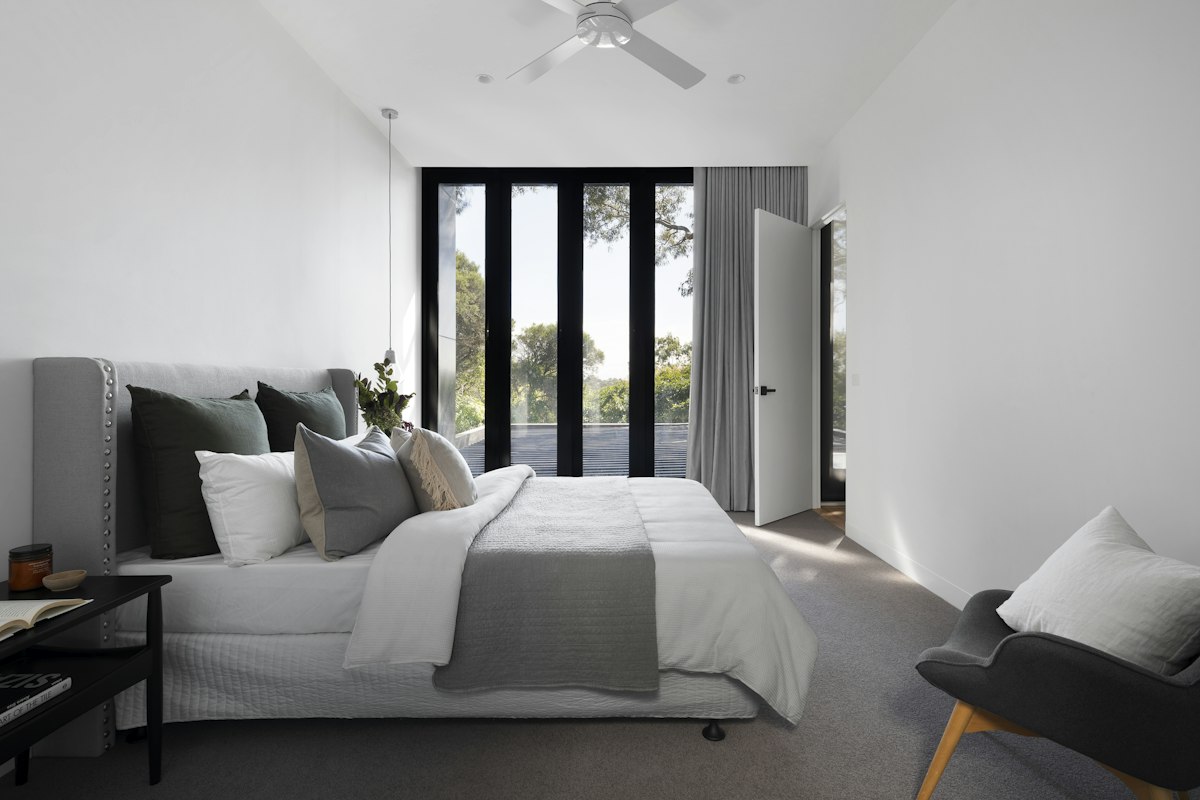
Design and Material Considerations
Achieving a truly seamless look goes beyond just the doors.
Flooring Continuity
One of the most impactful ways to connect spaces is through consistent flooring. Materials like large format porcelain tiles, natural stone, or composite decking can be used both indoors and out. Ensure outdoor materials are slip-resistant and frost-proof. A minimal or flush threshold is crucial for this effect, requiring careful detailing for drainage outdoors.
Overhead Shelter
Given the UK climate, an overhang or canopy is highly beneficial. This provides shelter from rain, allowing doors to remain open even during light showers, and offers shade from strong summer sun. Options include:
- Integrated Roof Overhangs: Part of the extension's design.
- Pergolas: Can be open or covered with polycarbonate, glass, or retractable fabric.
- Verandas: Often attached to the house, providing a covered outdoor area.
Lighting and Landscaping
Thoughtful lighting can extend the usability of your outdoor space into the evening. Integrate recessed floor lights, uplighters on planting, and subtle wall lights. Landscaping should complement the interior aesthetic, using similar plant palettes or hardscaping materials to maintain cohesion.
Material Palette and Furniture
Choose materials and colours that harmonise. For instance, if you have exposed brick inside, consider a similar tone for your patio. Select outdoor furniture that mirrors the style and comfort of your indoor pieces, creating an inviting 'outdoor room'.
Benefits of Indoor-Outdoor Living
Enhanced Lifestyle
Enjoy greater flexibility for entertaining, dining, and relaxation. The ability to easily move between spaces transforms daily living and special occasions.
Increased Natural Light & Ventilation
Large glazing floods interiors with daylight, reducing the need for artificial lighting. Opening up these spaces provides excellent natural ventilation, improving air quality.
Perceived Space & Property Value
Blurring boundaries makes both indoor and outdoor areas feel larger. This architectural feature is highly desirable and can significantly add to your home's market value.
Connection to Nature
Bringing the outdoors in fosters a sense of well-being, reduces stress, and allows for a greater appreciation of your garden, regardless of the weather.
Comparison of Glazing Options
| Feature | Bi-fold Doors | Sliding Doors | French Doors |
|---|---|---|---|
| Maximum Opening | Up to 90-95% | Typically 50-75% | Up to 50% |
| Frame Thickness | Moderate (can be bulky when stacked) | Very slim options available | Moderate |
| View When Closed | Good, but more vertical sightlines | Excellent, large uninterrupted panes | Good, but more vertical sightlines |
| Space Requirement | Requires stacking space at ends | Panels slide within their frame | Requires outward opening space |
| Typical U-value | 1.4 - 1.0 W/m²K | 1.4 - 0.9 W/m²K | 1.4 - 1.2 W/m²K |
| Cost Range | High | High (can be higher for large, slim-frame) | Moderate |
| Aesthetic | Modern, expansive | Contemporary, minimalist | Traditional, classic |
Conclusion
Creating an indoor-outdoor living space is a transformative home improvement project that can significantly enhance your quality of life and the value of your property. By carefully considering glazing options, adhering to UK Building Regulations, and paying attention to design details like flooring and overhead shelter, you can achieve a truly seamless and enjoyable connection between your home and garden.
For expert advice on bespoke glazing solutions and to ensure your project meets all technical and regulatory standards, consider consulting with specialists in architectural glazing. They can guide you through the complexities of design, material selection, and installation, helping you realise your vision for the perfect indoor-outdoor space. Shard AG offers a range of high-performance glazing products and design services tailored to creating stunning, compliant, and energy-efficient indoor-outdoor living areas for UK homes.
Explore Our Products
Discover how Shard Architectural Glazing can transform your home with our premium glazing solutions:
Ready to Transform Your Home?
Get in touch with our expert team for a free consultation and personalised quote. We'll help you choose the perfect glazing solution for your property.