
Frameless Glass Solutions: A UK Homeowner's Guide
Explore the elegance and practicality of frameless glass solutions for your UK home. Understand types, benefits, regulations, and installation considerations.

Shard Architectural Glazing
16 March 2026
Explore the elegance and practicality of frameless glass solutions for your UK home. Understand types, benefits, regulations, and installation considerations.
📋In This Article
In modern architectural design, the pursuit of light, space, and unobstructed views has led to a significant rise in the popularity of frameless glass solutions. Far from being a mere aesthetic choice, these innovative glazing systems offer a wealth of practical benefits, transforming how we interact with our living environments. For UK homeowners considering an upgrade or new build, understanding the nuances of frameless glass is crucial. This comprehensive guide will delve into the types, benefits, technical considerations, and regulatory aspects of integrating frameless glass into your home.
What Are Frameless Glass Solutions?
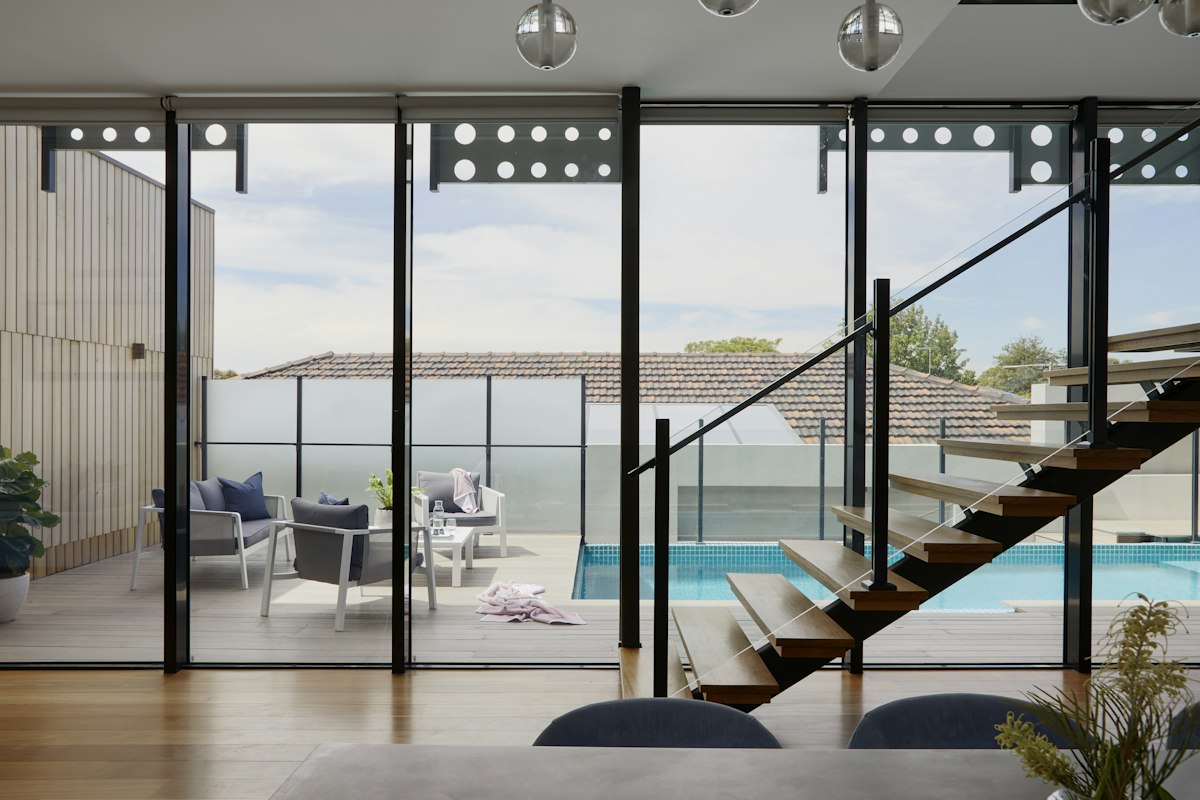
At its core, a frameless glass solution refers to any glazing system where the supporting framework is either minimal, concealed, or entirely absent, giving the impression that the glass panels are self-supporting. The objective is to maximise transparency and natural light, creating a seamless connection between indoor and outdoor spaces, or between different internal areas. This minimalist approach allows the glass itself to become a dominant design feature, rather than being secondary to a visible frame.
Common Applications in UK Homes:
- Glass Balustrades: Used for balconies, staircases, and decking, providing safety barriers without impeding views.
- Glass Partitions: Dividing internal spaces (e.g., home offices, en-suite bathrooms) while maintaining an open-plan feel and light flow.
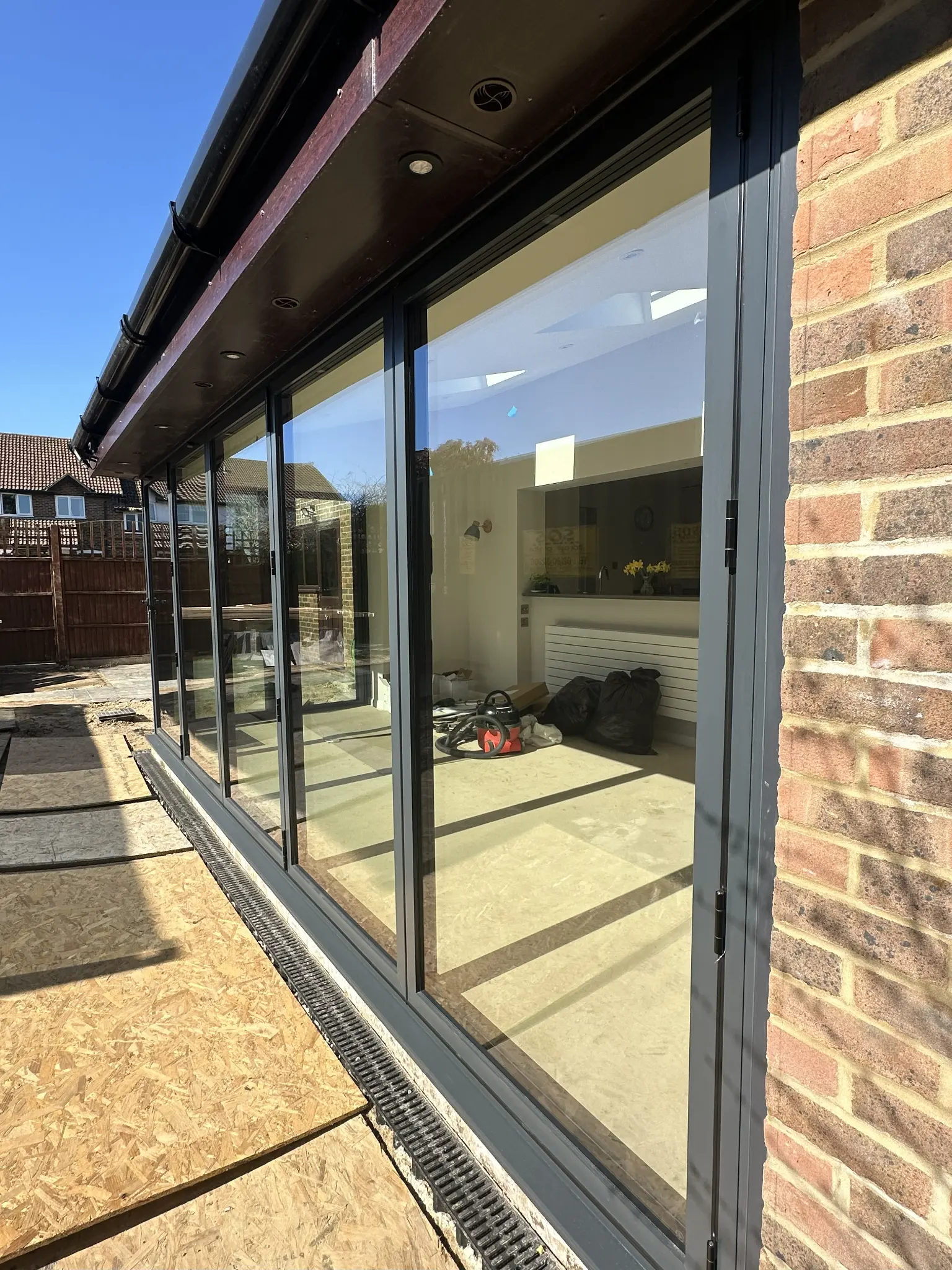
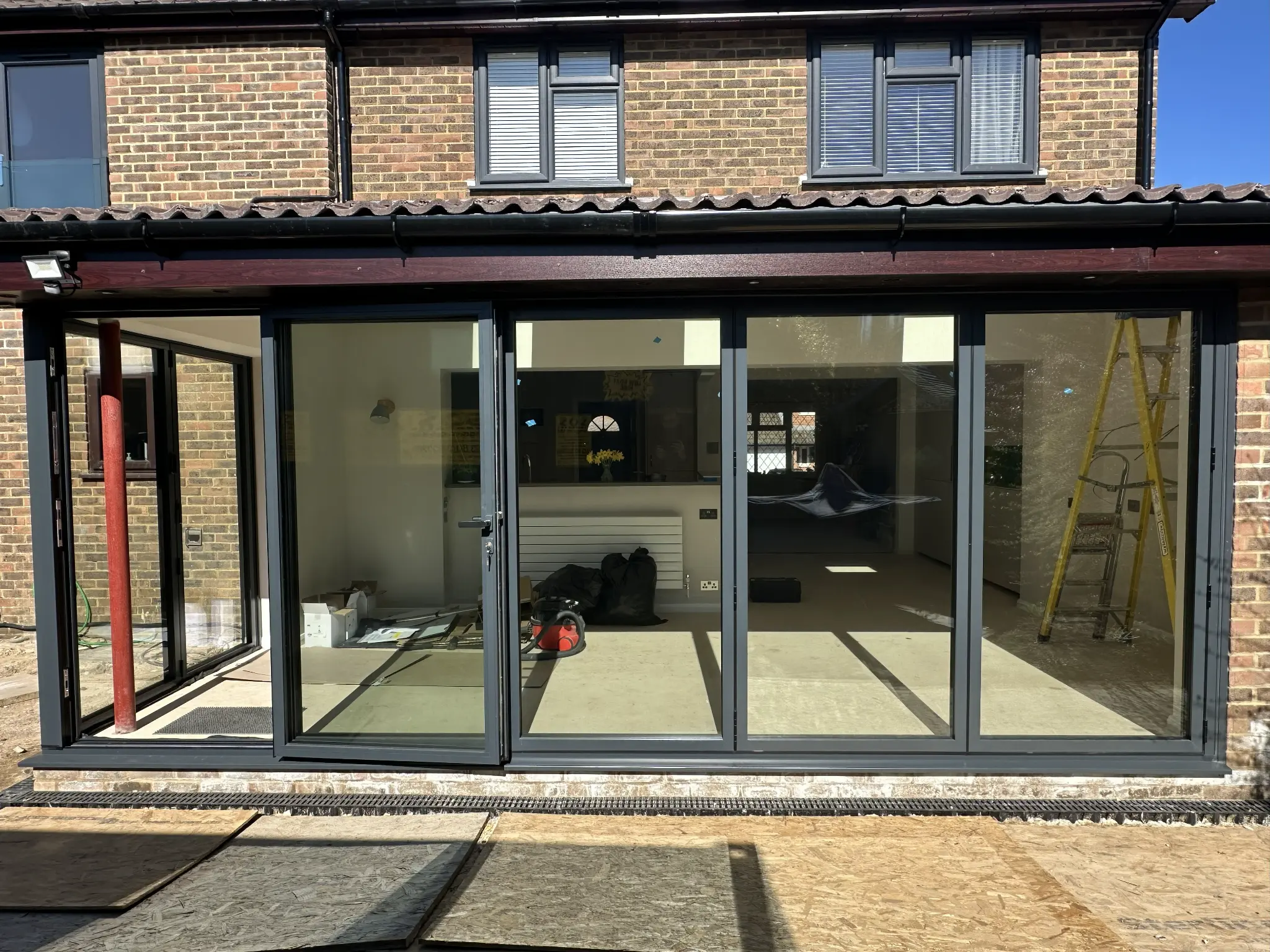
- Glass Doors: Including sliding, bifold, or pivot doors, often leading to patios or gardens, offering expansive openings.
- Glass Rooflights & Walk-on Glass: Allowing natural light into deeper parts of a building or creating unique floor features.
- Glass Canopies: Providing shelter over entrances or patio areas with a light, unobtrusive design.
- Structural Glass Walls: Large, often bespoke installations forming entire elevations of a building.
Benefits of Frameless Glass for UK Homes
Beyond their striking visual appeal, frameless glass solutions offer several tangible advantages that can enhance the comfort, value, and functionality of a property.
Enhanced Natural Light
By minimising obstructions, frameless glass maximises the ingress of natural light, reducing reliance on artificial lighting and creating brighter, more inviting spaces. This can also have positive effects on mood and well-being.
Uninterrupted Views
Whether it's a panoramic garden view or a city skyline, frameless systems preserve sightlines, making spaces feel larger and more connected to their surroundings.
Modern Aesthetic Appeal
The sleek, contemporary look of frameless glass complements a wide range of architectural styles, from minimalist new builds to renovated period properties, adding a touch of sophistication and perceived value.
Perceived Increase in Space
The transparency of glass helps to blur the boundaries between rooms or between indoor and outdoor areas, making even smaller spaces feel more expansive and open.
Technical Considerations and Materials
Achieving the 'frameless' look requires meticulous engineering and the use of high-performance materials. The glass itself is the primary structural component, and its specification is paramount.
Glass Types:
- Toughened Glass (Tempered Glass): This is standard for most frameless applications. It's heat-treated to be significantly stronger than ordinary annealed glass. If it does break, it shatters into small, relatively harmless granular pieces, reducing the risk of injury.
- Laminated Glass: Consists of two or more panes of glass bonded together with an interlayer (typically PVB or SentryGlas). If laminated glass breaks, the interlayer holds the fragments in place, preventing them from falling out. This is crucial for overhead glazing (e.g., rooflights) and balustrades where safety from falling objects or people is critical.
- Toughened Laminated Glass: Combines the strength of toughened glass with the safety features of lamination, offering superior performance for critical applications.
- Low-Iron Glass: Also known as 'optiwhite' or 'starphire', this glass has a reduced iron content, making it exceptionally clear with minimal green tint, enhancing transparency and colour rendition.
Thickness and Edge Work:
The thickness of the glass is determined by its application, size, and exposure to loads (e.g., wind, foot traffic, human impact). Common thicknesses range from 10mm to 25.5mm or more for structural applications. All exposed edges of frameless glass are typically polished to a smooth, safe finish.
Fixing Methods:
The 'frameless' appearance is often achieved through clever fixing methods that conceal the structural elements:
- U-Channels: Glass panels are set into a discreet channel at the base or top, often recessed into the floor or ceiling.
- Point Fixings (Standoffs/Bolts): Small, discrete stainless steel fixings pass through drilled holes in the glass, attaching it to a supporting structure.
- Spider Fittings: Used for larger structural glass walls, these multi-arm stainless steel fittings hold multiple glass panes together, often with a structural silicone joint.
- Structural Silicone: Used to bond glass panels directly to each other or to a supporting structure, creating almost invisible joints.
Pro Tip
Always specify heat-soaked toughened glass for critical applications like balustrades or structural glass. The heat-soaking process helps to identify and eliminate panels with nickel sulphide inclusions, which can cause spontaneous breakage, significantly enhancing long-term safety and reliability.
UK Building Regulations and Safety
Compliance with UK Building Regulations is paramount for any glazing installation, especially for frameless systems where safety is intrinsically linked to the glass itself. Here are key areas to consider:
Part K – Protection from Falling, Collision and Impact:
This part of the regulations is highly relevant for balustrades, barriers, and any glass that could be subject to human impact. It specifies requirements for barrier heights, loading capacities, and the type of safety glass to be used. For instance, balustrades must be designed to withstand specific horizontal line loads (e.g., 0.74 kN/m for domestic dwellings, 1.5 kN/m for public areas).
Part B – Fire Safety:
While glass is inherently non-combustible, its behaviour in a fire (e.g., thermal shock, integrity, insulation) is crucial. Fire-rated frameless glass systems are available for applications requiring fire compartmentation, though they often involve intumescent seals and specific fixing methods.
Part L – Conservation of Fuel and Power (Thermal Performance):
For external frameless glass installations (e.g., structural glass walls, large doors), thermal performance is critical. The glass must meet specific U-value requirements to ensure energy efficiency and prevent excessive heat loss or gain. For new builds, the target U-value for windows and doors is 1.2 W/m²K, and for replacement windows/doors, it is 1.4 W/m²K. Achieving these values with frameless systems often requires high-performance double or even triple glazing, with warm edge spacers and inert gas fills (e.g., argon).
Part M – Access to and Use of Buildings:
This part addresses accessibility, particularly for doors. Frameless glass doors must comply with requirements for clear opening widths and ease of operation, especially in dwellings designed for disabled access.
Structural Integrity:
All structural glass elements must be designed by a competent structural engineer to ensure they can safely support their own weight, imposed loads (e.g., snow, wind), and impact loads. This often involves detailed calculations and potentially finite element analysis.
It is always advisable to consult with your local Building Control body or an approved inspector early in the design process to ensure full compliance with all relevant regulations.
Comparison of Frameless Glass Applications
To help homeowners understand the different requirements and considerations, here's a comparison of common frameless glass applications:
| Application | Typical Glass Type | Minimum Thickness (approx.) | Key Regulation Focus | Thermal Performance (External) |
|---|---|---|---|---|
| Internal Partitions | Toughened | 10mm | Part K (Impact) | N/A (Internal) |
| Balustrades (Internal) | Toughened Laminated (Heat Soaked Recommended) | 17.5mm (8.8.4) | Part K (Falling, Impact, Loading) | N/A (Internal) |
| Balustrades (External) | Toughened Laminated (Heat Soaked Recommended) | 21.5mm (10.10.4) | Part K (Falling, Impact, Loading, Wind) | N/A (Barrier) |
| Walk-on Glass Floors | Toughened Laminated (min. 3 panes) | 25.5mm (8.8.8) + | Part K (Impact, Loading), Structural | Double Glazed for External |
| External Structural Walls | Toughened Double Glazed Units | 28mm - 40mm+ (overall) | Part L (U-value), Part K (Impact, Wind), Structural | Required: 1.2 W/m²K (new), 1.4 W/m²K (replacement) |
| Rooflights (Overhead) | Toughened Laminated (Outer pane toughened, inner laminated) | 25.5mm - 33.5mm+ (overall) | Part K (Falling objects, Impact), Part L (U-value), Structural | Required: 1.2 W/m²K (new), 1.4 W/m²K (replacement) |
Note: Thicknesses are indicative and depend on specific span, load, and design. Always refer to a structural engineer's calculations.
Installation and Maintenance
The successful implementation of frameless glass solutions relies heavily on expert installation. Due to the precision required and the weight of large glass panels, this is not a DIY project. Professional installers possess the specialist equipment and expertise to handle, position, and fix the glass safely and accurately.
Key Installation Considerations:
- Substrate Preparation: The supporting structure (floor, wall, ceiling) must be perfectly level, plumb, and capable of bearing the significant weight of the glass.
- Tolerance: Frameless systems often have very tight tolerances. Accurate measurements and precise installation are critical for both aesthetics and structural integrity.
- Weatherproofing: For external applications, ensuring effective sealing against water and air ingress is vital, often achieved with high-performance silicones and gaskets.
Maintenance:
Frameless glass is relatively low maintenance. Regular cleaning with appropriate glass cleaner and a soft cloth will keep it looking pristine. It's also advisable to periodically check fixings and seals for any signs of wear or degradation, particularly for external or structural applications.
Choosing the Right Supplier and Installer
Given the technical nature and safety implications of frameless glass, selecting a reputable supplier and installer is paramount. Look for companies with a proven track record in structural glazing, who can demonstrate:
- Expertise: In-depth knowledge of glass types, fixing methods, and structural engineering principles.
- Compliance: A clear understanding of UK Building Regulations and how to achieve compliance.
- Accreditations: Membership of relevant industry bodies (e.g., GGF - Glass and Glazing Federation, FENSA/CERTASS for external glazing) can indicate adherence to standards.
- Design & Engineering Capabilities: The ability to provide detailed drawings, structural calculations, and bespoke solutions.
- Insurance: Comprehensive liability insurance.
Frameless glass solutions offer an unparalleled way to enhance the light, space, and modern appeal of your UK home. While the initial investment might be higher than traditional framed options, the long-term benefits in terms of aesthetics, property value, and living experience are substantial. By understanding the technical requirements, regulatory obligations, and partnering with experienced professionals, homeowners can confidently embrace the beauty and functionality of frameless glass.
At Shard AG, we specialise in designing, supplying, and installing bespoke frameless glass solutions for discerning UK homeowners. Our team of experts works closely with clients, architects, and structural engineers to deliver innovative, compliant, and aesthetically stunning glazing projects, from elegant balustrades to expansive structural glass walls. Contact us to discuss how frameless glass can transform your property.
Explore Our Products
Discover how Shard Architectural Glazing can transform your home with our premium glazing solutions:
Ready to Transform Your Home?
Get in touch with our expert team for a free consultation and personalised quote. We'll help you choose the perfect glazing solution for your property.