

Garden Room Glazing: Choosing the Right Windows & Doors
Explore garden room glazing options in the UK. Learn about U-values, Building Regulations, glass types, and frame materials for optimal comfort and efficiency.

Shard Architectural Glazing
14 February 2026
Explore garden room glazing options in the UK. Learn about U-values, Building Regulations, glass types, and frame materials for optimal comfort and efficiency.
📋In This Article
Garden rooms have become an increasingly popular addition to UK homes, offering versatile spaces for home offices, gyms, art studios, or simply a peaceful retreat. A critical element in the design and functionality of any garden room is its glazing. The choice of windows and doors significantly impacts not only the aesthetics but also the thermal performance, security, and overall comfort of the space.
Understanding the various glazing options available, their technical specifications, and how they relate to UK Building Regulations is essential for making an informed decision. This guide will delve into the key considerations for garden room glazing, helping you create a comfortable, energy-efficient, and beautiful extension to your home.
Understanding U-Values and Building Regulations
When discussing thermal performance in construction, the term U-value is paramount. A U-value measures how effectively a building element, such as a window or door, prevents heat from escaping. The lower the U-value, the better the insulation properties of the material, meaning less heat loss and lower energy bills.
For garden rooms, especially those intended for year-round use and considered 'habitable' space, compliance with UK Building Regulations Part L (Conservation of Fuel and Power) is crucial. While smaller, unheated garden rooms (under 15m² internal floor area) may be exempt from certain aspects of Building Regulations, any structure over 15m² or intended for permanent occupation will typically need to meet specific thermal performance standards. It is always advisable to consult your local Building Control office early in your planning process to confirm requirements.
Current UK Building Regulations Part L (2022 England) for Glazing:
- New Build Garden Rooms: Windows and doors should achieve a U-value of 1.2 W/m²K or better.
- Replacement Glazing in Existing Garden Rooms: Windows and doors should achieve a U-value of 1.4 W/m²K or better.
These values are minimum requirements. Opting for glazing with even lower U-values (e.g., 1.0 W/m²K or below) will result in a more energy-efficient and comfortable garden room, reducing reliance on heating in winter and preventing overheating in summer.
Pro Tip
Always request the U-value certificate for any windows or doors you are considering. This document, provided by the manufacturer, confirms the product's thermal performance and is often required by Building Control.
Types of Glazing Units: Double vs. Triple
The choice between double and triple glazing significantly impacts a garden room's thermal performance, acoustic insulation, and cost.
Double Glazing
- Construction: Two panes of glass separated by a sealed gap, typically filled with an inert gas like argon.
- Thermal Performance: Standard double glazing can achieve U-values around 1.4-1.6 W/m²K. With low-emissivity (Low-E) coatings and warm-edge spacer bars, this can improve to 1.2 W/m²K or even slightly lower, meeting current Building Regulations for new builds.
- Acoustic Performance: Offers good noise reduction compared to single glazing.
- Cost: Generally more affordable than triple glazing.
- Weight: Lighter than triple glazing, which can be a factor for frame design and structural considerations.
- Suitability: Excellent for most garden rooms, providing a good balance of performance and cost-effectiveness.
Triple Glazing
- Construction: Three panes of glass with two sealed gaps, usually filled with argon or krypton gas.
- Thermal Performance: Can achieve U-values as low as 0.6-0.8 W/m²K, offering superior insulation. This significantly reduces heat loss, making the garden room very energy efficient.
- Acoustic Performance: Provides enhanced sound insulation, ideal if your garden room is near a noisy road or neighbours.
- Cost: More expensive than double glazing due to additional materials and manufacturing complexity.
- Weight: Significantly heavier, requiring robust frames and potentially more substantial structural support.
- Suitability: Best for garden rooms where maximum thermal efficiency and sound insulation are priorities, or in very exposed locations.
Frame Materials for Garden Room Glazing
The frame material plays a crucial role in the overall performance, durability, and aesthetic of your garden room windows and doors.
uPVC (Unplasticised Polyvinyl Chloride)
- Pros: Highly cost-effective, excellent thermal efficiency (multi-chambered profiles), low maintenance, available in various colours and finishes.
- Cons: Can sometimes appear less premium than other materials, limited design flexibility for very large spans.
- U-values: Typically achieve excellent U-values, often below 1.2 W/m²K with good glazing.
Aluminium
- Pros: Strong, durable, slim sightlines allowing for larger glass areas, modern aesthetic, highly customisable with powder-coated finishes, resistant to corrosion.
- Cons: Historically less thermally efficient, but modern thermally broken aluminium frames overcome this. Higher cost than uPVC.
- U-values: Modern thermally broken aluminium frames can achieve U-values of 1.2 W/m²K or lower, especially with triple glazing.
Timber
- Pros: Natural, attractive aesthetic, good thermal insulator, sustainable choice (if sourced responsibly), can be painted or stained.
- Cons: Requires more maintenance (repainting/restaining) than uPVC or aluminium, higher initial cost, prone to swelling/shrinking if not properly treated.
- U-values: Good quality timber frames can achieve U-values similar to uPVC, often around 1.2-1.4 W/m²K.
Composite (Aluminium/Timber or uPVC/Aluminium)
- Pros: Combines the best features of different materials, e.g., timber internally for warmth and aluminium externally for durability and low maintenance.
- Cons: Higher cost, more complex manufacturing.
- U-values: Excellent thermal performance, often achieving very low U-values.
Specialist Glass Options
Beyond standard double or triple glazing, several specialist glass types can enhance your garden room's functionality and comfort.
- Low-Emissivity (Low-E) Glass: A microscopically thin, transparent coating applied to one surface of the glass. It reflects heat back into the room in winter and reduces heat gain from the sun in summer, significantly improving thermal performance without affecting light transmission. This is almost standard for modern insulated glazing.
- Solar Control Glass: Designed to reduce the amount of solar heat gain, preventing overheating in south-facing garden rooms. It typically has a slight tint or reflective coating.
- Self-Cleaning Glass: Features a special coating that reacts with UV light to break down organic dirt, which is then washed away by rain. Reduces maintenance.
- Laminated Glass: Consists of two or more panes of glass bonded together with a plastic interlayer. Offers enhanced security (harder to break through) and excellent acoustic insulation.
- Toughened Glass: Heat-treated to be five times stronger than ordinary glass. When it breaks, it shatters into small, relatively harmless pieces, making it a safety requirement for doors and low-level glazing according to Building Regulations Part K (Protection from Falling, Collision and Impact).
- Frosted/Obscure Glass: Provides privacy while still allowing light to enter, ideal for bathroom areas or overlooked sections of a garden room.
Door and Window Styles for Garden Rooms
The style of your windows and doors will greatly influence the usability and aesthetic of your garden room.
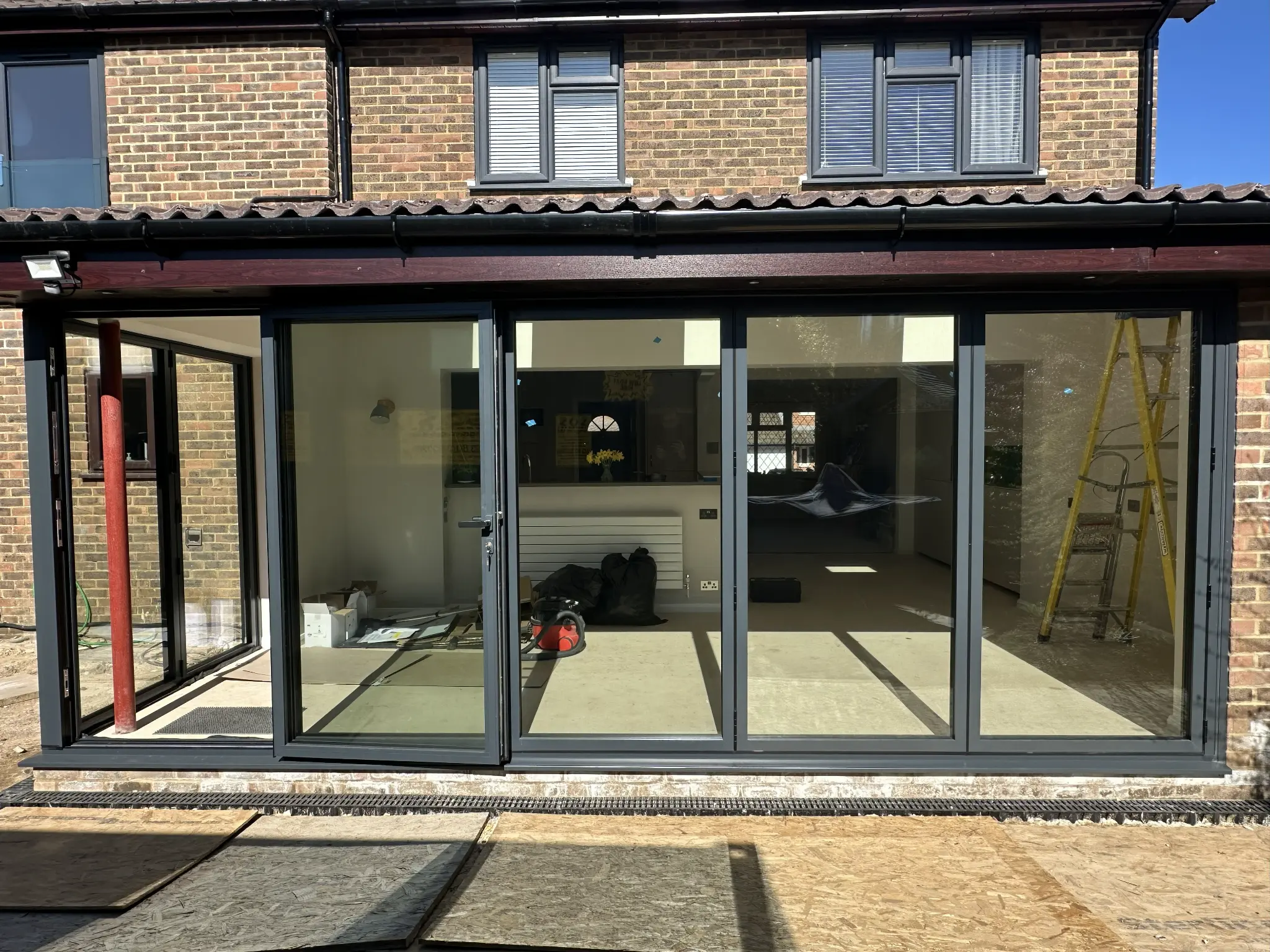
- Bifold Doors: Offer expansive openings, seamlessly connecting the garden room to the outdoors. They fold back concertina-style, creating a wide aperture.
- Sliding Doors (Patio Doors): Provide large glass panels for uninterrupted views, with one or more panels sliding behind another. Space-saving as they don't open inwards or outwards.
- French Doors: A classic option, consisting of two hinged doors that open outwards (or inwards) from the centre, offering a wider opening than a single door.
- Casement Windows: The most common window style, hinged at the side and opening outwards. Highly versatile and thermally efficient.
- Tilt and Turn Windows: Offer dual functionality – they can tilt inwards from the top for ventilation or open fully inwards like a casement window for cleaning or emergency exit.
- Fixed Panes (Picture Windows): Non-opening windows designed purely for light and views. Excellent for maximising natural light and creating a strong visual connection with the garden.
Security and Ventilation Considerations
Beyond thermal performance, security and ventilation are vital for a comfortable and safe garden room.
Security
Garden rooms can be attractive targets for burglars due to their often secluded location. Ensure your glazing incorporates robust security features:
- Multi-point Locking Systems: Standard for modern windows and doors, engaging at multiple points around the frame.
- Toughened or Laminated Glass: As mentioned, these are more resistant to impact.
- Internal Beading: Glass panes should be secured from the inside, preventing removal from the exterior.
- Accreditation: Look for products certified to British Standards (e.g., PAS 24 for enhanced security) or 'Secured by Design' accreditation.
Ventilation
Adequate ventilation is crucial to prevent condensation, regulate temperature, and maintain good air quality. Building Regulations Part F (Ventilation) typically requires background ventilation for habitable rooms.
- Trickle Vents: Small, adjustable openings integrated into the window or door frame, allowing for continuous background ventilation even when closed.
- Opening Windows/Doors: Essential for rapid air changes and cooling in warmer weather.
- Extractor Fans: If your garden room includes a bathroom or kitchen area, an extractor fan will be necessary.
Comparison Table: Glazing Options at a Glance
| Feature | Double Glazing | Triple Glazing | uPVC Frames | Aluminium Frames | Timber Frames |
|---|---|---|---|---|---|
| Typical U-value (W/m²K) | 1.2 - 1.6 | 0.6 - 0.8 | Excellent (0.8 - 1.4) | Good (1.0 - 1.4) | Good (1.2 - 1.6) |
| Thermal Performance | Good | Excellent | Very High | High (with thermal break) | High |
| Acoustic Insulation | Good | Excellent | Good | Good | Good |
| Cost | Mid-range | High | Low to Mid | Mid to High | High |
| Maintenance | Low | Low | Very Low | Low | Moderate to High |
| Aesthetics/Sightlines | Standard | Thicker | Standard | Slim, Modern | Traditional, Natural |
Enhanced Comfort
Proper glazing keeps your garden room warm in winter and cool in summer, creating a comfortable environment year-round.
Energy Efficiency
High-performance glazing significantly reduces heat loss, lowering your heating bills and carbon footprint.
Increased Property Value
A well-designed, energy-efficient garden room with quality glazing adds significant appeal and value to your home.
Optimised Natural Light
Strategic glazing choices maximise daylight, reducing the need for artificial lighting and enhancing the sense of space.
Conclusion
The glazing choices for your garden room are fundamental to its success. By carefully considering U-values, Building Regulations, glass types, frame materials, and security features, you can design a space that is not only visually appealing but also highly functional, comfortable, and energy-efficient. Always prioritise quality and compliance to ensure your garden room stands the test of time and provides a valuable addition to your home.
For expert advice and a wide range of high-performance glazing solutions tailored to your garden room project, consider consulting with specialists like Shard AG. Their team can guide you through the options, ensuring your choices meet both your aesthetic desires and the stringent technical requirements for a perfect garden retreat.
Explore Our Products
Discover how Shard Architectural Glazing can transform your home with our premium glazing solutions:
Ready to Transform Your Home?
Get in touch with our expert team for a free consultation and personalised quote. We'll help you choose the perfect glazing solution for your property.