

Garden Room Glazing: Choosing the Right Windows & Doors
Explore garden room glazing options, from thermal performance to security. Learn about U-values, Building Regulations, and practical considerations for your UK home.

Shard Architectural Glazing
18 February 2026
Explore garden room glazing options, from thermal performance to security. Learn about U-values, Building Regulations, and practical considerations for your UK home.
📋In This Article
Garden rooms have become an increasingly popular addition to UK homes, offering versatile spaces for offices, gyms, studios, or simply a tranquil retreat. A critical element in their design and functionality is the glazing – the windows and doors that connect your indoor sanctuary with the outdoor environment. The right glazing choice impacts everything from thermal efficiency and natural light to security and aesthetic appeal. This comprehensive guide will walk you through the essential considerations for selecting the perfect glazing for your garden room.
Understanding U-Values and Thermal Performance
When discussing glazing, the term U-value is paramount. It measures how effectively a material prevents heat from escaping. A lower U-value indicates better insulation and thermal performance. For garden rooms, especially those intended for year-round use, achieving excellent thermal efficiency is crucial to maintain comfort and keep heating costs down.
- Single Glazing: Rarely used in modern garden rooms due to very poor thermal performance (U-values typically around 5.0 W/m²K). It offers minimal insulation.
- Double Glazing: The standard for most residential applications. It consists of two panes of glass separated by a sealed gap, often filled with an inert gas like argon. Standard double glazing U-values range from 2.8 W/m²K down to 1.2 W/m²K, depending on the glass type, spacer bar, and gas fill.
- Triple Glazing: Features three panes of glass with two sealed gaps, usually gas-filled. This offers superior thermal performance, with U-values typically between 0.8 W/m²K and 0.6 W/m²K. While more expensive and heavier, it's an excellent choice for maximum energy efficiency, especially in larger glazed areas or colder climates.
- Low-Emissivity (Low-E) Coatings: A microscopic, transparent metallic coating applied to one of the glass surfaces. This coating reflects heat back into the room in winter and reduces heat gain in summer, significantly improving the U-value without compromising light transmission. Most modern double and triple glazing incorporates Low-E coatings.
- Warm Edge Spacer Bars: These replace traditional aluminium spacer bars (which are highly conductive) with materials like composite or plastic. They reduce heat transfer at the edge of the glass unit, improving the overall U-value and reducing condensation risk.
UK Building Regulations for Garden Rooms
Whether your garden room needs to comply with Building Regulations depends on its size, use, and proximity to boundaries. Generally, if the garden room is:
- Less than 15m² internal floor area, it's often exempt if it doesn't contain sleeping accommodation.
- Between 15m² and 30m² internal floor area, it's often exempt if it doesn't contain sleeping accommodation AND is more than 1m from any boundary.
However, if your garden room is larger, closer to a boundary, or intended for sleeping, it will likely need to comply with Building Regulations, particularly Part L (Conservation of Fuel and Power). For new build and extensions (which a garden room typically is), the glazing U-value requirement is 1.2 W/m²K. This means your windows and doors must meet or exceed this standard. It is always advisable to consult your local Building Control body early in your project to confirm specific requirements.
Pro Tip
Even if your garden room is exempt from Building Regulations, it's highly recommended to specify glazing that meets or exceeds the Part L requirements (1.2 W/m²K). This ensures your space is comfortable, energy-efficient, and adds long-term value, avoiding a 'cold box' scenario in winter.
Glazing Frame Materials
The frame material plays a significant role in the overall aesthetic, thermal performance, durability, and maintenance requirements of your garden room glazing.
-
uPVC (Unplasticised Polyvinyl Chloride)
Pros: Highly cost-effective, excellent thermal insulation (multi-chambered profiles), low maintenance, available in various colours and finishes (e.g., woodgrain effects). Durable and long-lasting.
Cons: Can sometimes appear less premium than other materials. Limited design flexibility for very large or complex structures compared to aluminium.
-
Aluminium
Pros: Incredibly strong and durable, allowing for very slim sightlines and large glass areas. Modern aluminium frames incorporate thermal breaks to prevent heat transfer. Available in a vast range of RAL colours, offering a contemporary aesthetic. Low maintenance.
Cons: Generally more expensive than uPVC. While thermally efficient with breaks, older or cheaper aluminium frames without adequate thermal breaks can be poor insulators.
-
Timber
Pros: Natural, traditional aesthetic that can blend beautifully with a garden setting. Excellent thermal properties (wood is a natural insulator). Can be stained or painted to match any design. Sustainable option if sourced from responsibly managed forests.
Cons: Requires more maintenance than uPVC or aluminium (periodic painting or staining) to prevent rot and weathering. Can be more expensive than uPVC.
-
Composite (Timber-Aluminium)
Pros: Combines the best of both worlds – the natural beauty and insulation of timber on the inside with the low maintenance and durability of aluminium on the outside. Excellent thermal performance and longevity.
Cons: The most expensive option, reflecting the premium materials and construction.
Types of Garden Room Windows and Doors
The style and functionality of your windows and doors will significantly impact the usability and feel of your garden room.
-
Casement Windows
The most common type, hinged at the side or top, offering excellent ventilation and good thermal performance when closed.
-
Tilt & Turn Windows
Offer dual functionality: they can tilt inwards from the top for secure ventilation or open fully inwards like a casement for cleaning and maximum airflow.
-
Fixed Panes (Picture Windows)
Non-opening windows designed purely for light and views. Ideal for maximising natural light and creating an unobstructed connection to the garden, but offer no ventilation.
-
French Doors
A classic choice, consisting of two hinged doors that open outwards (or inwards) to create a wide opening. Offers good ventilation and a traditional aesthetic.
-
Sliding Patio Doors
Comprise two or more large glass panels that slide horizontally past each other. Ideal for maximising glass area and saving space as they don't require an opening arc. Excellent for wide openings.
-
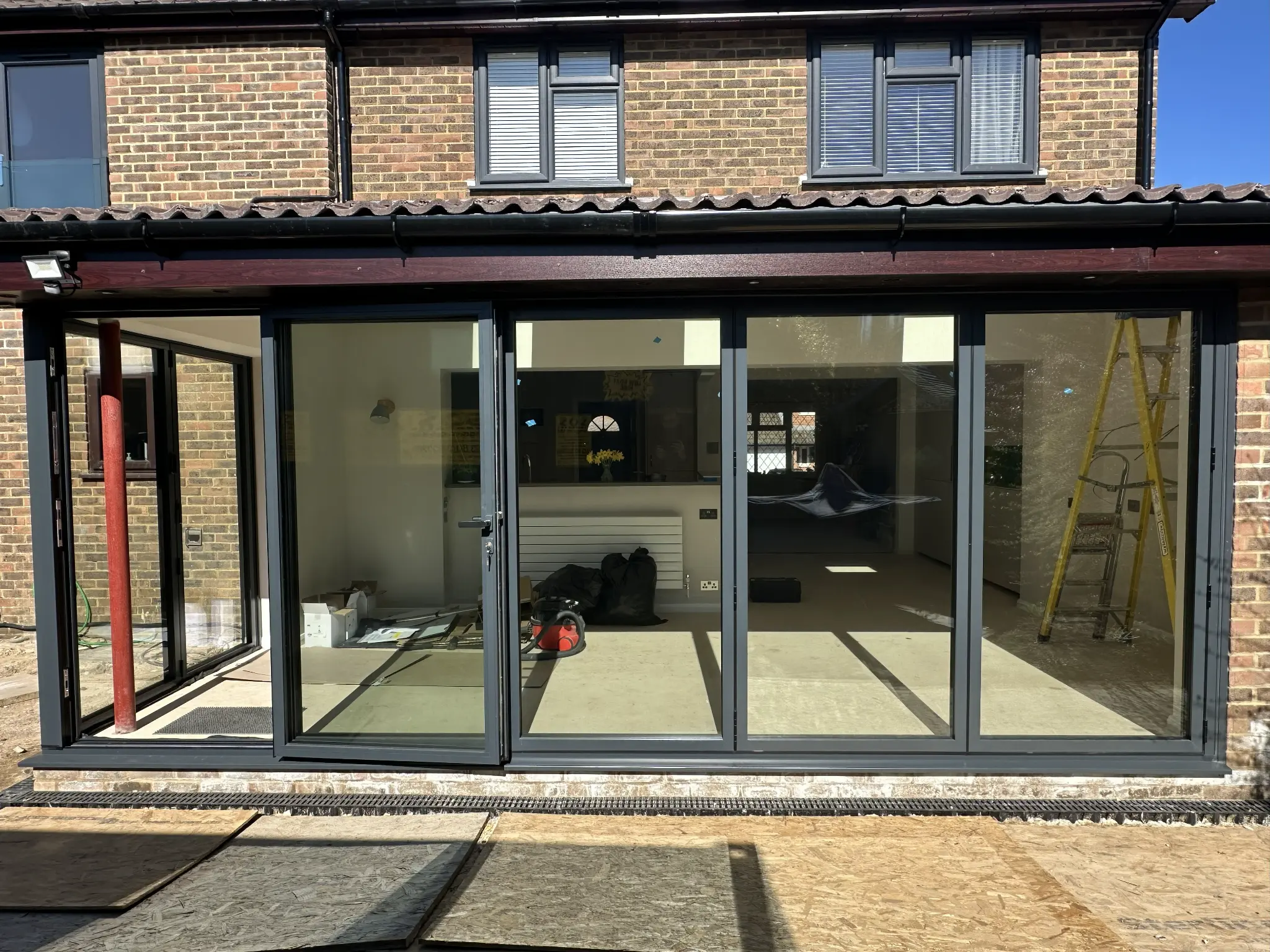
Bi-Fold Doors
Consist of multiple panels that fold back concertina-style, creating a virtually uninterrupted opening to the outside. Perfect for blurring the lines between indoor and outdoor spaces, especially popular in contemporary garden rooms. Can be a significant investment but offer unparalleled connection to the garden.
Security and Safety Features
As an external structure, your garden room needs robust security. Look for:
- Multi-point Locking Systems: Standard on most modern windows and doors, engaging at several points around the frame.
- Toughened or Laminated Glass: Essential for safety, especially in larger panes or low-level glazing. Toughened glass shatters into small, relatively harmless pieces if broken. Laminated glass holds together when broken, similar to a car windscreen, offering enhanced security and safety. Building Regulations typically require safety glass in critical locations (e.g., within 800mm of floor level, or within 300mm of a door).
- Internal Glazing Beads: Where the glass is held in place from the inside, making it much harder for intruders to remove the glass from the outside.
- Accreditation: Look for products certified to British Standards (e.g., BS 7950 for enhanced security windows, PAS 24 for doors) or Secured by Design (SBD) accreditation, a police-backed initiative.
Aesthetic and Design Considerations
The visual impact of your glazing choices is crucial for integrating the garden room with your home and garden.
- Proportions: Consider the overall size and shape of your garden room. Large expanses of glass can feel modern and open, while smaller, more traditional windows might suit a cottage garden aesthetic.
- Sightlines: The thickness of the frame visible. Aluminium typically offers the slimmest sightlines, maximising glass area.
- Colour and Finish: Match or contrast with your existing home and garden design. Darker frames (e.g., anthracite grey) are popular for contemporary looks, while white or woodgrain finishes suit more traditional styles.
- Glazing Bars/Astragal Bars: These decorative elements can be added to create a traditional multi-pane look, though they can slightly reduce thermal performance and increase cleaning effort.
- Orientation: Consider the direction your garden room faces. South-facing rooms might benefit from solar control glass to prevent overheating, while north-facing rooms will need maximum light transmission.
Enhanced Thermal Comfort
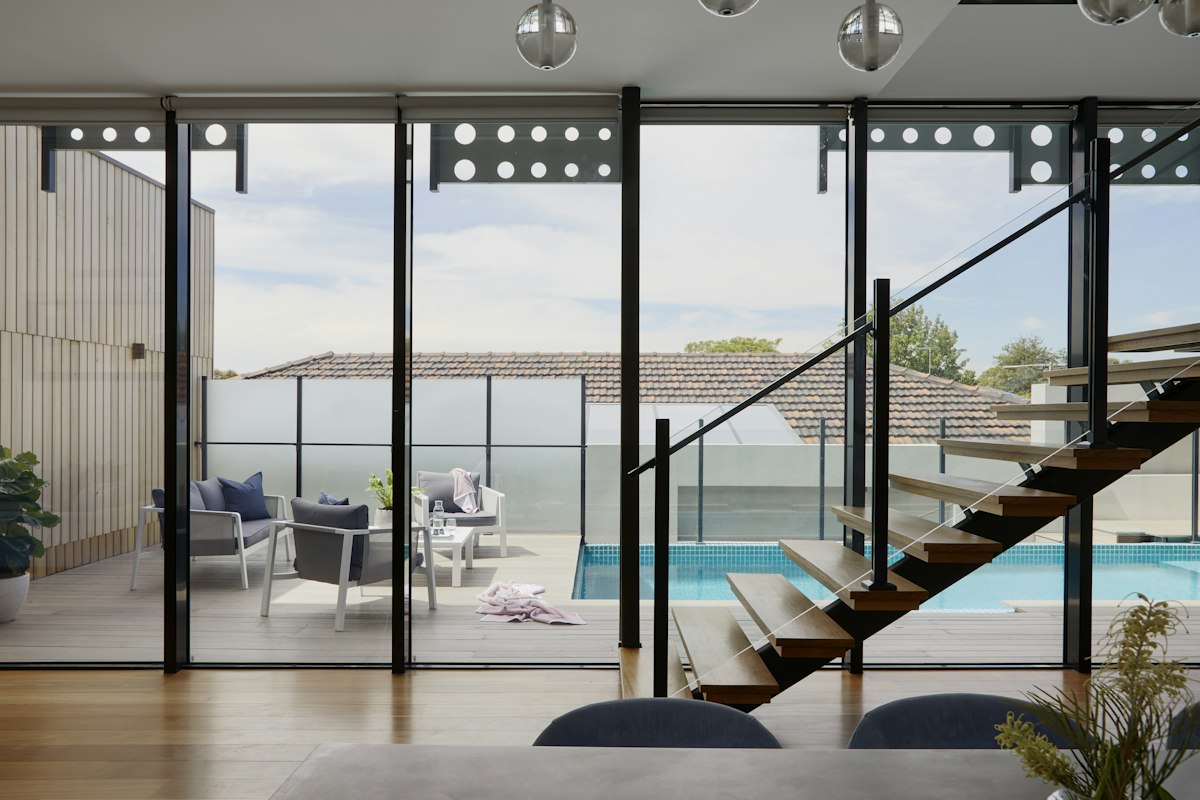
High-performance glazing keeps your garden room warm in winter and cool in summer, allowing year-round use without excessive heating or cooling costs.
Abundant Natural Light
Maximising natural light creates a bright, airy, and inviting space, reducing the need for artificial lighting during the day and boosting well-being.
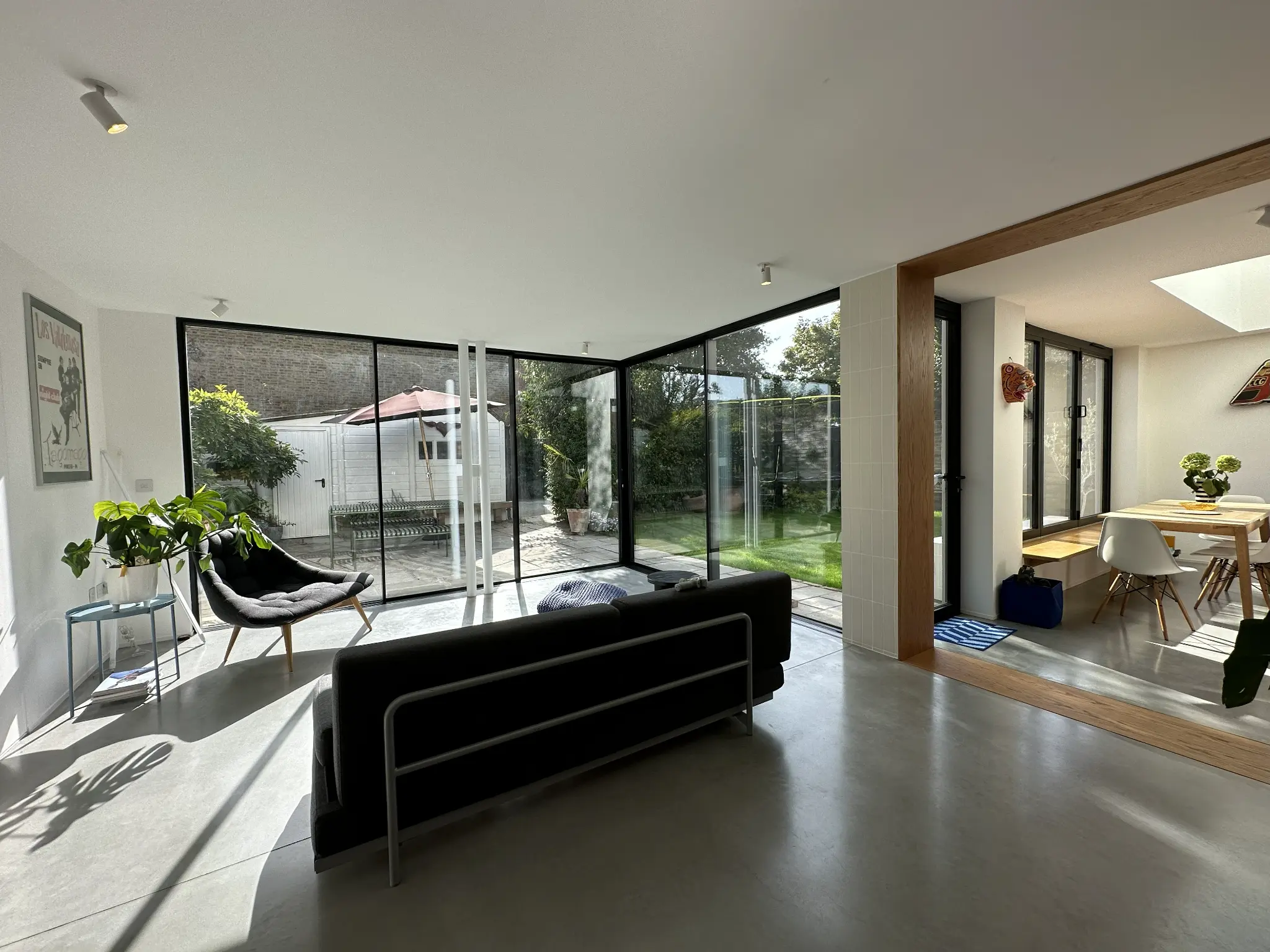
Seamless Indoor-Outdoor Flow
Options like bi-fold or sliding doors can transform your garden room, opening it up almost completely to the garden, perfect for entertaining or relaxing.
Increased Property Value
A well-designed, energy-efficient garden room with quality glazing is a desirable feature that can add significant value to your property.
Comparison Table: Glazing Options at a Glance
| Feature | Double Glazing (Standard) | Double Glazing (High-Performance) | Triple Glazing |
|---|---|---|---|
| U-value (approx.) | 1.8 - 1.4 W/m²K | 1.2 - 1.0 W/m²K | 0.8 - 0.6 W/m²K |
| Panes of Glass | 2 | 2 | 3 |
| Gas Fill (typical) | Air or Argon | Argon or Krypton | Argon or Krypton |
| Low-E Coating | Often standard | Standard | Standard (often multiple) |
| Warm Edge Spacer | Optional | Standard | Standard |
| Cost | ££ | £££ | ££££ |
| Weight | Standard | Standard | Heavier |
| Acoustic Performance | Good | Very Good | Excellent |
Choosing the right glazing for your garden room is a significant decision that will impact its comfort, energy efficiency, security, and overall enjoyment for years to come. By carefully considering U-values, frame materials, door and window types, and adherence to UK Building Regulations, you can create a truly exceptional and functional space.
At Shard AG, we specialise in providing high-performance architectural glazing solutions for garden rooms and extensions across the UK. Our expert team can guide you through the options, ensuring your glazing meets both your aesthetic aspirations and critical performance requirements. We offer a wide range of uPVC, aluminium, and timber-aluminium composite windows and doors, all designed to deliver exceptional thermal efficiency, security, and durability. Contact us today to discuss your garden room project and discover how our tailored glazing solutions can bring your vision to life.
Explore Our Products
Discover how Shard Architectural Glazing can transform your home with our premium glazing solutions:
Ready to Transform Your Home?
Get in touch with our expert team for a free consultation and personalised quote. We'll help you choose the perfect glazing solution for your property.