
Glass Balustrades: The Ultimate UK Homeowner's Guide
Discover everything about glass balustrades for your UK home. Learn about types, safety, regulations, installation, and maintenance for stunning, safe spaces.

Shard Architectural Glazing
13 February 2026
Discover everything about glass balustrades for your UK home. Learn about types, safety, regulations, installation, and maintenance for stunning, safe spaces.
📋In This Article
Glass balustrades have become an increasingly popular choice for UK homeowners looking to add a touch of modern elegance and functionality to their properties. Whether for staircases, balconies, decks, or even swimming pool surrounds, these sleek structures offer unobstructed views, enhance natural light, and provide a contemporary aesthetic. However, choosing and installing a glass balustrade involves more than just selecting a design; it requires a thorough understanding of types, safety standards, and UK Building Regulations.
This comprehensive guide will walk you through the essential aspects of glass balustrades, helping you make informed decisions for your home improvement project.
What Are Glass Balustrades?
A glass balustrade is a barrier system typically comprising toughened or laminated glass panels, supported by a frame or fixings, designed to provide safety and aesthetic appeal. They serve as a protective barrier, preventing falls from elevated areas while maintaining an open, airy feel. Unlike traditional balustrades made from wood or metal, glass offers transparency, allowing light to flow freely and preserving views.
Common Applications in UK Homes
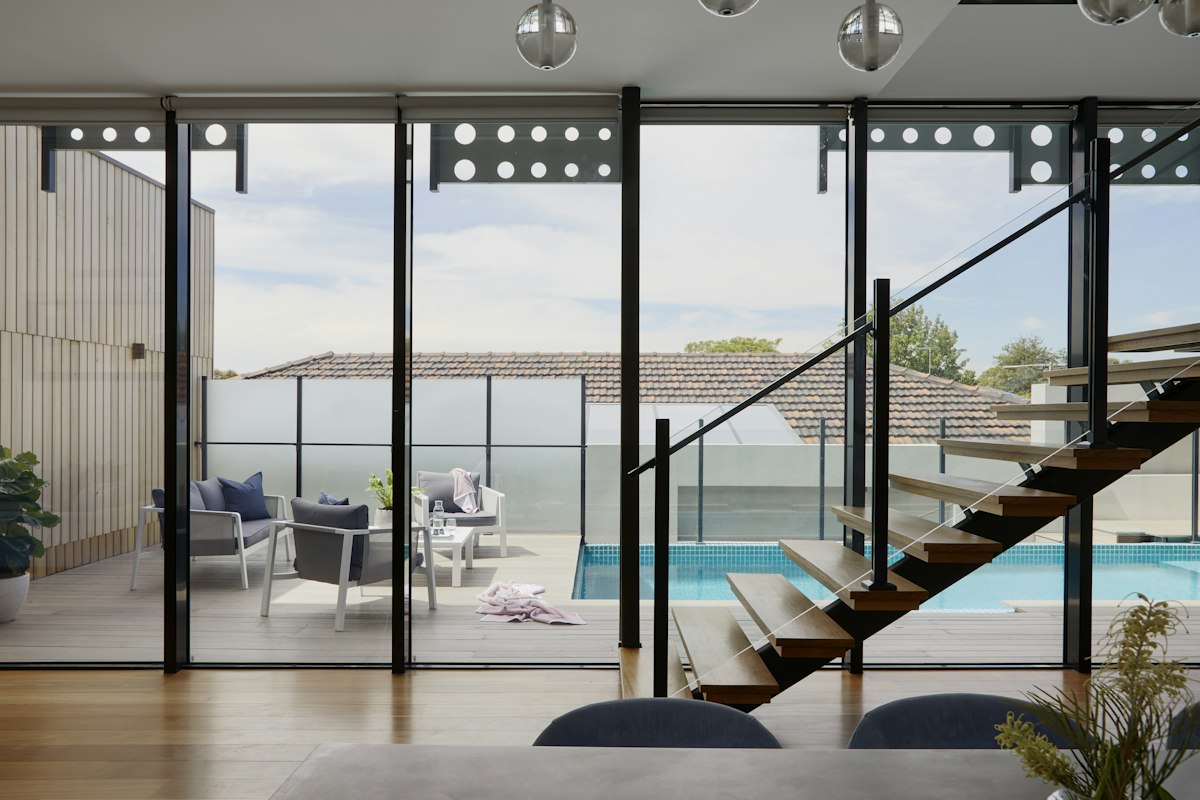
- Staircases and Landings: Replacing traditional spindles with glass panels can transform an internal staircase, making hallways feel larger and brighter.
- Balconies and Terraces: Glass balustrades are ideal for external areas, offering wind protection without obstructing scenic views.
- Decking Areas: Creating a safe perimeter around raised decks, seamlessly blending with garden landscapes.
- Mezzanines and Galleried Landings: Enhancing open-plan living spaces by providing a secure yet discreet barrier.
- Swimming Pool Fencing: Offering an elegant and unobtrusive safety barrier around pools.

Types of Glass Balustrade Systems
The method of fixing and supporting the glass panels defines the different balustrade systems, each offering distinct aesthetics and installation requirements.
Post and Clamp Systems
This is one of the most common and cost-effective types. It involves glass panels secured between vertical posts (typically stainless steel or aluminium) using clamps. The posts provide the primary structural support, and a handrail is often fitted on top of the glass or posts.
- Pros: Relatively easy to install, good structural integrity, wide range of post designs.
- Cons: Posts can slightly interrupt views compared to frameless systems.
Spigot Systems
Similar to post systems, but instead of full-height posts, glass panels are held by smaller, robust spigots (often stainless steel) fixed to the floor or surface. These are popular for pool fencing and decking, offering a more minimalist look than full posts.
- Pros: More open feel than full posts, easy to clean around the base.
- Cons: Requires precise drilling and strong substrate for fixing.
Stand-Off Pin Systems (Point Fixed)
In this system, glass panels are attached directly to a fascia or wall using discreet stainless steel 'stand-off' pins or bolts. This creates a floating effect, with the glass seemingly unsupported from below.
- Pros: Very minimalist and modern, excellent for maximising views, no visible posts or channels.
- Cons: Requires a very strong and stable substrate for fixing, more complex installation, typically higher cost.
Channel Systems (Frameless)
Often considered the pinnacle of minimalist design, frameless glass balustrades use a continuous aluminium or steel channel fixed to the floor or fascia, into which the glass panels are securely embedded. This creates a virtually uninterrupted glass barrier.
- Pros: Ultimate frameless aesthetic, maximum light transmission, premium look.
- Cons: Higher initial cost, precise installation required, heavy glass panels.
Pro Tip
When considering a frameless channel system, ensure your floor or fascia can support the significant weight of the glass and the forces it will withstand. Structural calculations may be required by a qualified engineer.
Glass Types and Safety Standards (UK)
Safety is paramount for balustrades. In the UK, glass used in balustrades must comply with specific standards to ensure it is robust and safe in the event of breakage.
Toughened Glass (Tempered)
This glass is heat-treated to increase its strength significantly (typically 4-5 times stronger than annealed glass). When it breaks, it shatters into small, relatively harmless granular pieces, reducing the risk of injury. It is commonly used for balustrades where a handrail provides additional rigidity.
- Minimum Thickness: For balustrades, 10mm or 12mm toughened glass is most common, depending on the system and application.
Laminated Glass
Laminated glass consists of two or more panes of glass bonded together with a plastic interlayer (typically PVB - Polyvinyl Butyral). If the glass breaks, the interlayer holds the fragments in place, preventing them from falling and maintaining the integrity of the barrier. This is often specified for frameless systems or where there is no handrail, as it offers 'post-breakage integrity'.
- Minimum Thickness: Common options include 13.5mm (6mm + 6mm with 1.52mm interlayer) or 17.5mm (8mm + 8mm with 1.52mm interlayer) laminated toughened glass.
UK Building Regulations: Part K (Protection from Falling, Collision and Impact)
All balustrades in the UK must comply with Part K of the Building Regulations. Key requirements include:
- Height:
- Internal (Stairs, Landings, Ramps): Minimum 900mm from the pitch line or finished floor level.
- External (Balconies, Roofs, Edges of structure where fall is 600mm or more): Minimum 1100mm from the finished floor level.
- Openings: Gaps in the balustrade should be small enough to prevent a 100mm sphere from passing through. This is particularly important for homes with young children.
- Loadings: Balustrades must be designed to withstand specific horizontal line loads (e.g., 0.74 kN/m for domestic dwellings). This is why the correct glass thickness and fixing method are crucial.
- Glass Type: As mentioned, glass must be toughened or laminated to appropriate standards (e.g., BS EN 12150 for toughened, BS EN 14449 for laminated).
It is always advisable to consult with your local Building Control body or a qualified professional to ensure your specific project complies with all relevant regulations.
Design Considerations and Aesthetics
Beyond safety and compliance, the aesthetic impact of your glass balustrade is a major factor.
Handrails and Top Rails
While some frameless systems can be installed without a handrail (provided the glass itself meets specific structural requirements for 'post-breakage integrity' and loading), a handrail often adds an extra layer of safety and comfort. They can be made from stainless steel, wood, or even a slim aluminium profile. A handrail can also help protect the top edge of the glass from impact.
Fixings and Finishes
The choice of fixings (posts, spigots, channels, stand-off pins) and their finish (e.g., polished stainless steel, brushed satin, powder-coated black) significantly impacts the overall look. Consider how these elements will complement your existing decor or exterior materials.
Privacy and Tinting
For certain applications, such as balconies overlooking neighbours, you might consider frosted, tinted, or sandblasted glass to provide a degree of privacy while still allowing light through. However, this will impact the transparency and views.
Installation and Maintenance
Proper installation is critical for the safety and longevity of your glass balustrade.
Professional Installation
Due to the weight of glass, the precision required for fixing, and the need to meet Building Regulations, professional installation is highly recommended. A reputable installer will ensure the balustrade is structurally sound, correctly aligned, and compliant with all safety standards.
DIY Considerations
While some simpler post-and-clamp systems might seem suitable for DIY, the risks associated with incorrect installation (e.g., glass breakage, structural failure, non-compliance) are significant. If you choose to DIY, ensure you have a thorough understanding of the product, the necessary tools, and critically, the relevant Building Regulations. Always seek expert advice if in doubt.
Maintenance and Cleaning
Glass balustrades are relatively low maintenance. Regular cleaning with a mild glass cleaner and a soft cloth or squeegee will keep them sparkling. For external balustrades, occasional cleaning to remove environmental grime, bird droppings, or pollen will be necessary. Stainless steel components can be cleaned with appropriate stainless steel cleaners to prevent tea staining or corrosion, especially in coastal areas.
Cost Factors
The cost of a glass balustrade can vary significantly based on several factors:
- System Type: Frameless channel systems are generally the most expensive, followed by stand-off pins, then spigots, and finally post-and-clamp systems.
- Glass Type and Thickness: Laminated toughened glass is typically more expensive than toughened glass of the same thickness. Thicker glass also costs more.
- Length and Complexity: Longer runs, curved sections, or intricate designs will increase costs.
- Handrail Choice: A premium timber or bespoke stainless steel handrail will add to the price.
- Installation: Professional installation costs will be a significant part of the overall budget.
- Site Conditions: Difficult access or uneven surfaces can increase installation time and cost.
Here's a simplified comparison table for common balustrade types:
| Feature | Post & Clamp System | Spigot System | Stand-Off Pin System | Channel (Frameless) System |
|---|---|---|---|---|
| Aesthetic | Modern with visible posts | Minimalist with base fixings | Ultra-modern, 'floating' glass | Seamless, uninterrupted glass |
| Typical Glass | 10-12mm Toughened | 10-12mm Toughened | 12-17.5mm Laminated Toughened | 13.5-21.5mm Laminated Toughened |
| Handrail | Often required/recommended | Often required/recommended | Optional (if glass meets regs) | Optional (if glass meets regs) |
| Installation Complexity | Moderate | Moderate to High | High | High |
| Cost (Relative) | ££ | £££ | ££££ | £££££ |
| Key Benefit | Versatile, cost-effective | Clean look, good for pools | Maximum transparency, unique | Ultimate modern elegance |
Benefits of Glass Balustrades
Enhanced Aesthetics
Glass balustrades offer a clean, contemporary look that complements any modern or traditional architectural style, adding significant visual appeal to your property.
Unobstructed Views
Unlike solid barriers, glass allows for uninterrupted views, making spaces feel more open and connected to their surroundings, especially beneficial for balconies and decks.
Increased Natural Light
The transparency of glass maximises the flow of natural light, brightening interior spaces and reducing the need for artificial lighting during the day.
Durability & Low Maintenance
Made from robust toughened or laminated glass and often stainless steel, these systems are highly durable, resistant to weather, and require minimal upkeep beyond regular cleaning.
Conclusion
Glass balustrades are a fantastic investment for UK homeowners seeking to combine safety with sophisticated design. By understanding the different types, glass specifications, and crucial UK Building Regulations, you can choose a system that not only meets your aesthetic desires but also provides long-lasting safety and compliance.
Whether you're renovating an existing space or planning a new build, a well-chosen and professionally installed glass balustrade can dramatically enhance the beauty, light, and value of your home.
For expert advice, design, and installation of high-quality glass balustrades tailored to your specific needs and compliant with all UK Building Regulations, consider consulting with specialists like Shard AG. Our team can guide you through the options and ensure a flawless finish for your home.
Explore Our Products
Discover how Shard Architectural Glazing can transform your home with our premium glazing solutions:
Ready to Transform Your Home?
Get in touch with our expert team for a free consultation and personalised quote. We'll help you choose the perfect glazing solution for your property.