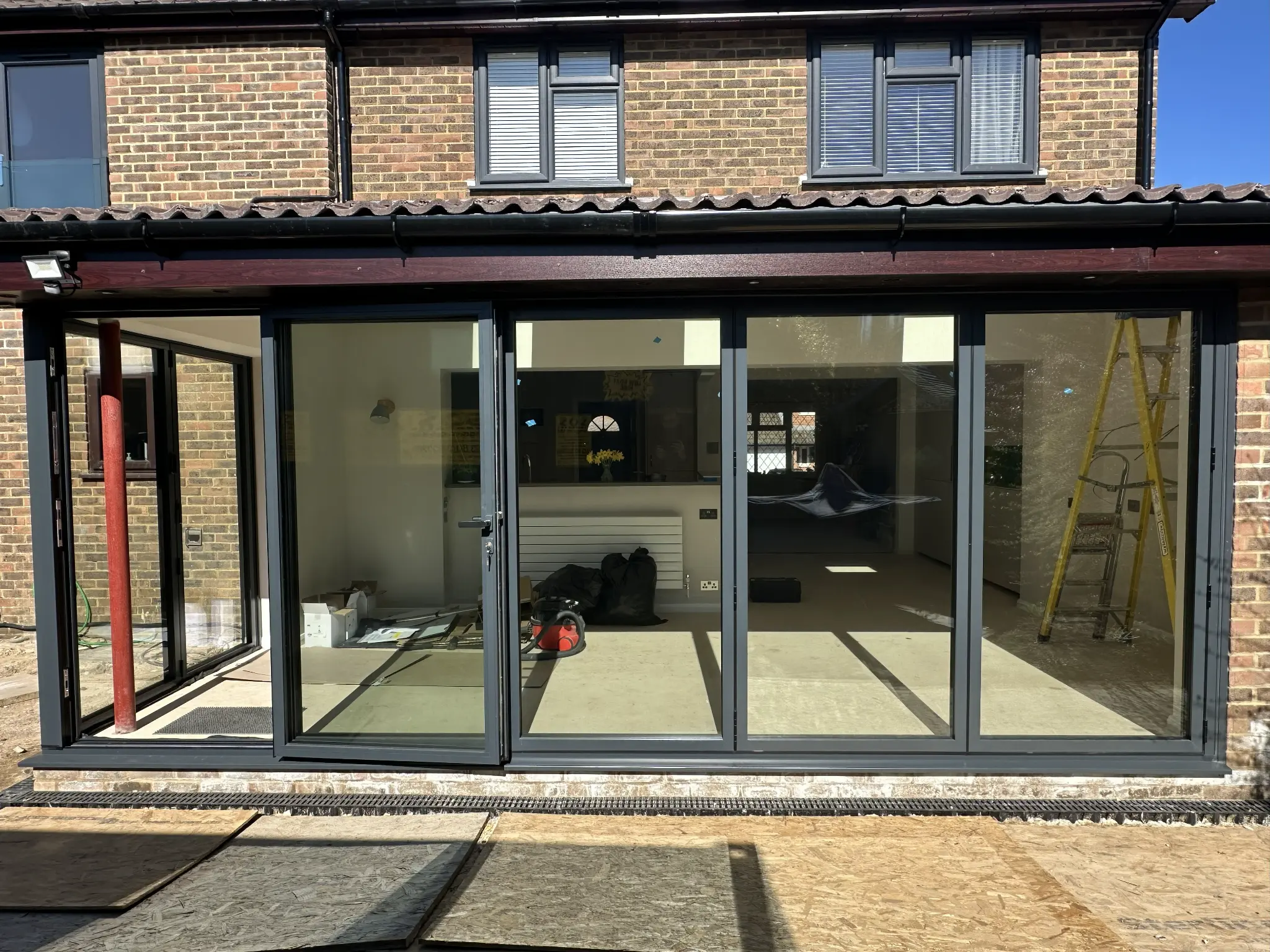



Glass Door Maintenance: A UK Homeowner's Essential Guide
Discover expert maintenance tips for your glass doors, ensuring longevity, optimal performance, and compliance with UK Building Regulations.

Shard Architectural Glazing
16 February 2026
Discover expert maintenance tips for your glass doors, ensuring longevity, optimal performance, and compliance with UK Building Regulations.
📋In This Article
Glass doors are a popular feature in many UK homes, offering a blend of natural light, aesthetic appeal, and seamless transitions between spaces. From elegant bifold and sliding doors connecting interiors to gardens, to stylish internal glazed partitions, their ability to enhance a property's spaciousness and brightness is undeniable. However, like any significant home investment, glass doors require diligent and regular maintenance to ensure their longevity, optimal performance, and continued aesthetic appeal. Neglecting maintenance can lead to operational issues, reduced energy efficiency, and potentially costly repairs down the line.
This comprehensive guide provides UK homeowners with practical, expert-backed advice on maintaining various types of glass doors, focusing on both the glass itself and the crucial framing, hardware, and seals. We'll delve into cleaning techniques, common issues, and preventative measures, ensuring your glass doors remain a beautiful and functional asset to your home for years to come.
Understanding Your Glass Doors
Before diving into maintenance, it's helpful to understand the components of your glass doors. While the glass panels are the most visible element, the overall performance and durability depend equally on the frame, hardware, and seals.
- Glass Panels: Modern glass doors typically feature toughened or laminated safety glass. Double or triple glazing is common for external doors, providing enhanced thermal and acoustic insulation. The U-value (thermal transmittance) of the glass unit is critical for energy efficiency, especially for external doors.
- Frames: Frames can be made from various materials, each with its own maintenance requirements. Common options include aluminium, timber (hardwood or softwood), uPVC, and composite materials. The frame provides structural integrity and holds the glass in place.
- Hardware: This includes hinges, tracks, rollers, handles, locks, and operating mechanisms. These components facilitate smooth operation and security.
- Seals and Gaskets: Rubber or silicone seals are vital for weatherproofing, draught exclusion, and acoustic insulation, particularly for external doors. They prevent water ingress and minimise heat loss.
Pro Tip
Always refer to the manufacturer's specific maintenance guidelines provided with your glass doors. These instructions are tailored to your particular product and will often include recommendations for cleaning agents and lubrication that are safe and effective for your door's materials.
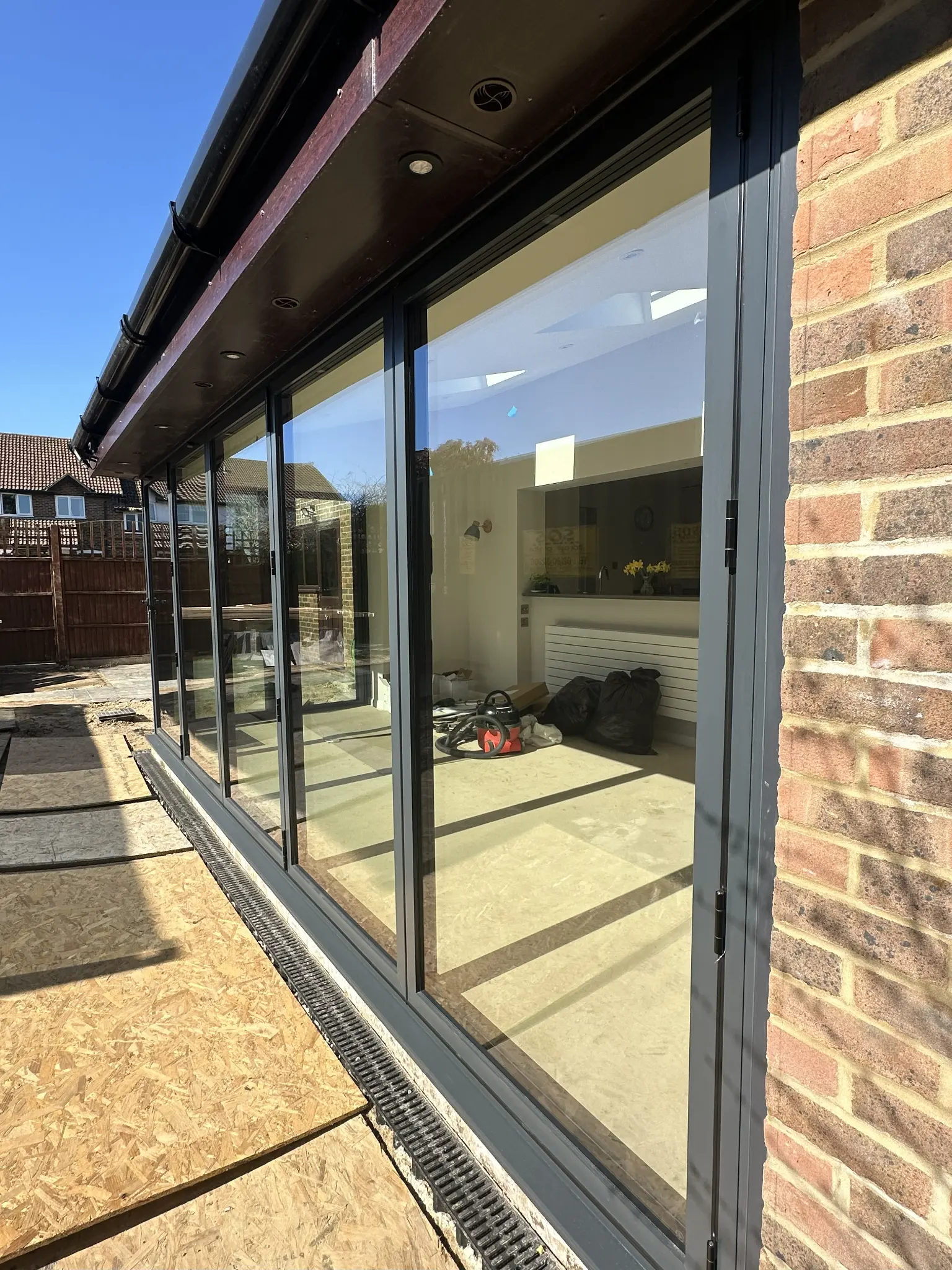
Routine Cleaning and Care
Regular cleaning is the cornerstone of glass door maintenance, preventing the build-up of dirt, grime, and environmental pollutants that can degrade materials over time.
Cleaning Glass Panels
For sparkling, streak-free glass, a simple and effective routine is key:
- Frequency: Aim for a thorough clean every 2-4 weeks for external doors, and monthly for internal doors, or as needed based on visible dirt.
- Method:
- Start by removing loose dirt and dust with a soft brush or by rinsing with plain water.
- Prepare a solution of warm water with a few drops of mild washing-up liquid or a dedicated glass cleaner. Avoid abrasive cleaners or those containing ammonia, as these can damage coatings, seals, or frames.
- Apply the solution using a soft, lint-free cloth, microfibre cloth, or a sponge.
- For best results, use a squeegee. Start at the top and work your way down, overlapping each stroke slightly. Wipe the squeegee blade clean after each pass.
- Immediately wipe away any excess water from frames and sills with a dry cloth to prevent streaks or watermarks.
- For stubborn marks like bird droppings or tree sap, allow the cleaning solution to soak for a few minutes before gently scraping with a plastic scraper (never metal) or a non-abrasive pad.
- Hard Water Stains: In hard water areas, mineral deposits can leave stubborn stains. A solution of white vinegar and water (1:1 ratio) can be effective. Apply, let it sit for a few minutes, then scrub gently and rinse thoroughly.
Cleaning Frames and Hardware
The frame material dictates the best cleaning approach:
- uPVC Frames: Generally low maintenance. Clean with warm soapy water and a soft cloth. Avoid abrasive cleaners or scourers which can scratch the surface. Specialised uPVC cleaners are available for more stubborn marks.
- Aluminium Frames: Clean with warm water and a mild detergent. Rinse thoroughly and dry. Aluminium is durable but can be susceptible to corrosion in coastal areas, so regular cleaning is important.
- Timber Frames: Timber requires more care. Clean with a damp, soft cloth and mild soap. For painted or stained timber, check the finish's compatibility with cleaning agents. Periodically, timber frames will need re-painting, re-staining, or re-oiling to protect them from weathering.
- Hardware (Hinges, Tracks, Handles): Wipe clean with a damp cloth. Avoid harsh chemicals that could corrode metal finishes or remove lubrication.
Hardware and Seal Maintenance
The mechanical components and seals are crucial for the door's functionality, security, and energy efficiency.
Lubrication of Moving Parts
- Tracks and Rollers (Sliding/Bifold Doors): Regularly vacuum or wipe debris from tracks. Apply a silicone-based lubricant spray (NOT oil-based, which can attract dirt) to rollers and hinges every 6-12 months. This ensures smooth operation and prevents wear.
- Hinges (Hinged Doors): A light spray of silicone lubricant can prevent squeaking and stiff operation.
- Locks and Handles: A small amount of graphite powder or a specialised lock lubricant can keep locking mechanisms working smoothly. Avoid WD-40 or similar multi-purpose oils in lock cylinders, as they can attract dust and gum up the mechanism over time.
Inspection of Seals and Gaskets
Seals are critical for thermal performance and weatherproofing:
- Visual Check: Annually inspect all rubber or silicone seals for cracks, shrinkage, hardening, or signs of perishing.
- Functionality Check: Feel for draughts around the door frame, especially on windy days. This indicates a failing seal.
- Replacement: Damaged seals should be replaced promptly. This is often a DIY task for easily accessible seals, but for integrated or complex seals, professional assistance may be required. Failing seals can significantly compromise your home's energy efficiency and lead to water ingress.

Addressing Common Issues
Proactive maintenance can prevent many problems, but some issues may still arise.
Sticking or Stiff Operation
- Cause: Dirt in tracks, lack of lubrication, or misalignment.
- Solution: Clean tracks thoroughly, lubricate moving parts. If the door is still stiff, it may be out of alignment. Many bifold and sliding doors have adjustable rollers or hinges that can be tweaked. Consult the manufacturer's guide or a professional for significant adjustments.
Draughts or Leaks
- Cause: Damaged or perished seals, incorrect installation, or frame distortion.
- Solution: Inspect and replace seals. Check that the door closes tightly against the frame. If the problem persists, it could indicate a more serious issue with the frame or installation, requiring professional assessment.
Condensation Between Glass Panes
- Cause: This indicates a failed seal in a double or triple glazed unit, allowing moist air to enter the cavity.
- Solution: Unfortunately, once the seal has failed, the only effective solution is to replace the entire glazed unit. This is not a DIY job and requires a professional glazier. A failed unit will significantly reduce the door's thermal performance.
Security Concerns
- Cause: Worn locks, loose handles, or compromised hinges.
- Solution: Regularly check that locks engage smoothly and securely. Tighten any loose screws on handles or hinges. If a lock mechanism feels stiff or unreliable, consider having it serviced or replaced by a locksmith. Ensure multi-point locking systems (common on modern external doors) are functioning correctly on all points.
Energy Efficiency and Building Regulations
Maintaining your glass doors isn't just about aesthetics and functionality; it also plays a crucial role in your home's energy efficiency and compliance with UK Building Regulations Part L (Conservation of Fuel and Power).
U-Values and Performance
The U-value measures how effectively a component prevents heat from escaping. A lower U-value indicates better insulation. For external glass doors, maintaining seals and ensuring the integrity of the double/triple glazing is paramount to achieving and retaining good U-values.
Current UK Building Regulations Part L (2022 England) set specific U-value targets for new and replacement doors:
| Component | Maximum U-value (W/m²K) | Context |
|---|---|---|
| Windows/Doors | 1.2 | New Build |
| Windows/Doors | 1.4 | Replacement |
| Walls | 0.18 | New Build & Extensions |
| Floors | 0.18 | |
| Roofs | 0.15 |
While maintenance won't directly improve a door's inherent U-value, neglecting it can cause the door to perform significantly worse than its rated value. For example, perished seals on a replacement door rated at 1.4 W/m²K could lead to heat loss equivalent to a much higher U-value, meaning your home is less energy-efficient and potentially not meeting the spirit of the regulations.
Compliance Considerations
When replacing external glass doors, it is typically required that the new doors meet the current Building Regulations U-value standards. While maintenance doesn't fall under direct regulation, a poorly maintained door that allows excessive heat loss could be seen as failing to contribute to the overall energy performance of the dwelling, which is a key objective of Part L.
Always consult with your local Building Control body or a qualified professional for specific requirements related to significant alterations or replacements of external doors.
Benefits of Regular Maintenance
Extended Lifespan
Regular cleaning and lubrication prevent wear and tear, significantly prolonging the operational life of your glass doors and their components, deferring costly replacements.
Optimal Performance
Maintained doors operate smoothly, quietly, and securely. Locks engage correctly, hinges don't squeak, and sliding mechanisms glide effortlessly, enhancing daily living.
Enhanced Energy Efficiency
Intact seals and well-functioning hardware prevent draughts and heat loss, helping to keep your home warmer in winter and cooler in summer, potentially reducing energy bills.
Maintained Aesthetic Appeal
Clean glass and frames retain their original beauty, contributing positively to your home's curb appeal and overall interior design, protecting your investment.
When to Call a Professional
While much of glass door maintenance can be handled by homeowners, some issues warrant professional intervention:
- Failed Glazing Units: If you see condensation between the panes of your double or triple glazing, the unit needs replacing.
- Significant Misalignment: If a door is difficult to open or close, or if there are large gaps, and simple adjustments don't fix it, the frame or hinges may be significantly out of square.
- Damaged Frames: Cracks in uPVC, severe rot in timber, or significant dents in aluminium frames require expert repair or replacement.
- Complex Hardware Issues: Problems with multi-point locking systems, internal mechanisms of sliding doors, or integrated blinds often require specialist knowledge.
- Water Ingress: Persistent leaks that aren't resolved by seal replacement could indicate structural issues or complex flashing problems.
Glass doors are a significant investment that adds beauty, light, and value to your home. By dedicating a small amount of time to regular cleaning, lubrication, and inspection, you can ensure they continue to perform optimally, look their best, and contribute to your home's energy efficiency for many years to come. When in doubt, or for more complex issues, don't hesitate to consult with a reputable professional.
If you require professional advice or services for your architectural glazing, including maintenance, repairs, or new installations, consider reaching out to Shard AG. With extensive experience in bespoke glass solutions for UK homes, Shard AG offers expert guidance and high-quality craftsmanship to ensure your glass doors meet the highest standards of performance and aesthetics.
Explore Our Products
Discover how Shard Architectural Glazing can transform your home with our premium glazing solutions:
Ready to Transform Your Home?
Get in touch with our expert team for a free consultation and personalised quote. We'll help you choose the perfect glazing solution for your property.