


Glass Door Maintenance: A UK Homeowner's Guide
Discover essential maintenance tips for glass doors in UK homes. Learn about cleaning, hardware care, safety, and Building Regulations compliance.

Shard Architectural Glazing
7 February 2026
Discover essential maintenance tips for glass doors in UK homes. Learn about cleaning, hardware care, safety, and Building Regulations compliance.
📋In This Article
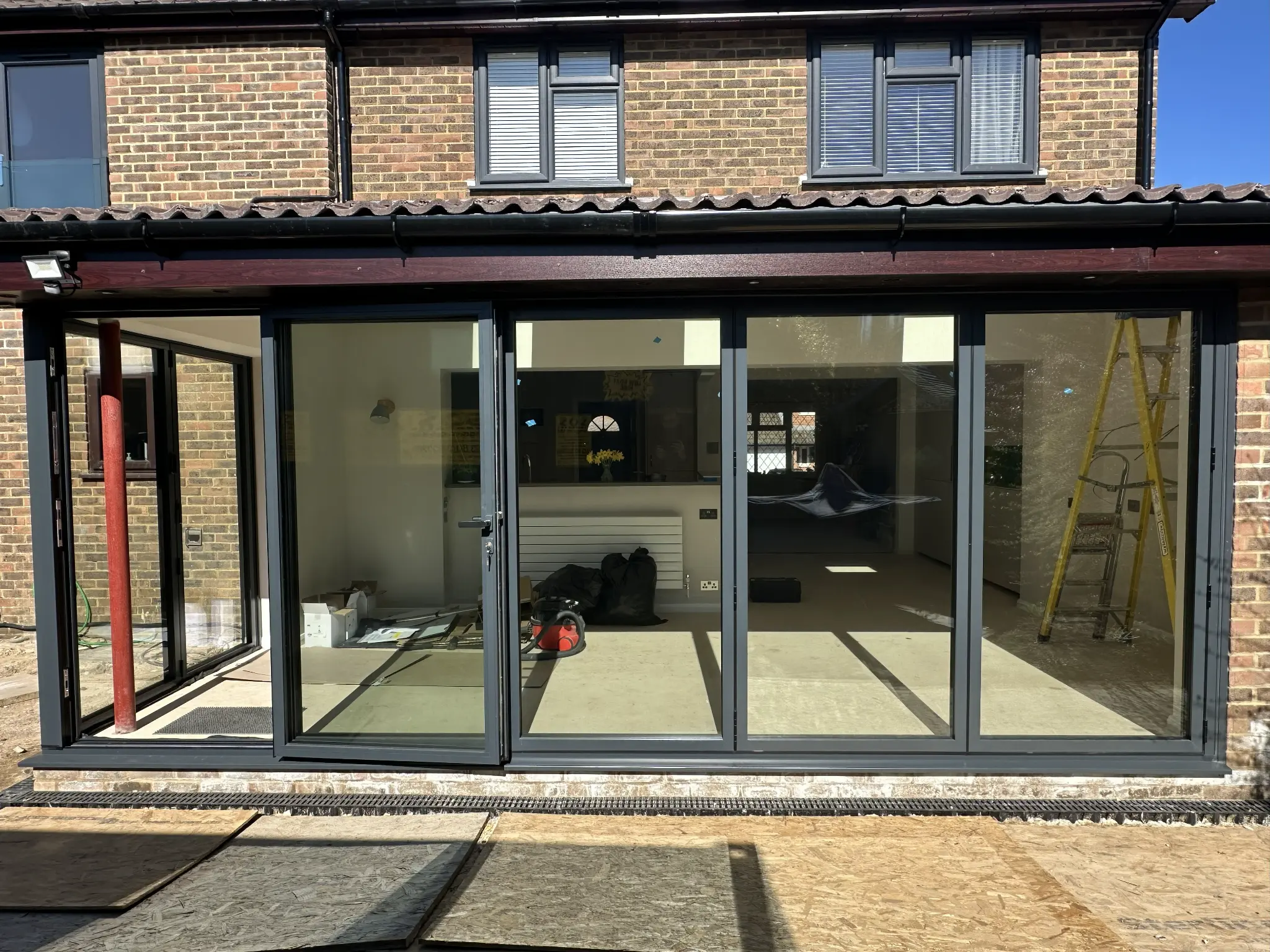
Glass doors, whether bifold, sliding, French, or pivot, offer an undeniable aesthetic appeal, flooding interiors with natural light and seamlessly connecting indoor and outdoor spaces. Their popularity in UK homes continues to grow, driven by modern design trends and a desire for brighter, more open living areas. However, like any significant home investment, glass doors require regular and proper maintenance to ensure their longevity, optimal performance, and continued safety. This comprehensive guide will equip UK homeowners with the knowledge and practical tips needed to keep their glass doors in pristine condition, ensuring they remain a beautiful and functional feature of their home for years to come.
Understanding Your Glass Doors: Types and Components
Before delving into maintenance, it's crucial to understand the different types of glass doors commonly found in UK homes and their key components. This knowledge will help you identify specific areas requiring attention.
Common Types of Glass Doors:
- Bifold Doors: These doors fold back in sections, creating a wide opening. They rely on a complex system of top and bottom tracks, rollers, and hinges.
- Sliding Patio Doors: Consisting of one or more panels that slide horizontally along a track, these are often found in uPVC, aluminium, or timber frames.
- French Doors: Traditional double doors that open outwards or inwards, typically featuring multiple glass panes within a frame.
- Pivot Doors: A modern design where the door rotates on a vertical axis, often used for grand entrances or internal partitions.
- Frameless Glass Doors: Often used internally or for shower enclosures, these rely on robust hinges or sliding mechanisms attached directly to the glass.
Key Components Requiring Maintenance:
- Glass Panels: The primary element, requiring regular cleaning and inspection for damage.
- Frames: Can be uPVC, aluminium, or timber, each with specific cleaning and care requirements.
- Tracks and Rollers: Essential for the smooth operation of bifold and sliding doors. Blockages or wear can cause stiffness.
- Hinges: Crucial for French doors and pivot doors, requiring lubrication and occasional adjustment.
- Seals and Gaskets: These rubber or silicone strips provide weatherproofing and thermal insulation. They can degrade over time.
- Locks and Handles: Security and functionality depend on these components being well-maintained.

Routine Cleaning for Glass and Frames
Regular cleaning is the cornerstone of glass door maintenance. Not only does it keep your doors looking their best, but it also helps prevent the build-up of grime that can lead to long-term issues.
Cleaning Glass Panels:
For streak-free results, follow these steps:
- Frequency: Aim for weekly or bi-weekly cleaning, especially for external doors exposed to the elements.
- Materials: Use a spray bottle with a mixture of warm water and a small amount of mild washing-up liquid, or a dedicated glass cleaner. Avoid abrasive cleaners or scouring pads.
- Technique: Spray the glass generously. Use a clean microfibre cloth or a squeegee. If using a squeegee, overlap each stroke slightly and wipe the blade clean after each pass. For best results, clean on a cloudy day to prevent rapid drying and streaks.
- Stubborn Marks: For hard water spots or dried-on grime, a solution of white vinegar and water can be effective. For paint splatters or adhesive residue, a plastic scraper or razor blade (used very carefully at a shallow angle) can be employed, but always test on an inconspicuous area first.
Cleaning Frames:
The cleaning method depends on the frame material:
- uPVC Frames: Generally low maintenance. Wipe down with warm soapy water and a soft cloth. Avoid abrasive cleaners or solvents which can discolour or damage the uPVC.
- Aluminium Frames: Similar to uPVC, clean with warm soapy water and a soft cloth. Aluminium is durable but can be scratched by abrasive materials.
- Timber Frames: Timber requires more care. Clean with a damp cloth and mild soap. Periodically, timber frames will need re-painting, re-varnishing, or re-oiling to protect the wood from moisture and UV damage. Follow the manufacturer's recommendations for specific finishes.
Pro Tip
Always clean your frames before cleaning the glass. This prevents dirty water from dripping onto freshly cleaned glass and creating streaks or marks.
Hardware Maintenance: Tracks, Hinges, and Seals
The moving parts and sealing components of your glass doors are critical for their functionality, security, and energy efficiency. Neglecting these can lead to stiff operation, draughts, or even security vulnerabilities.
Tracks and Rollers (Bifold & Sliding Doors):
- Cleaning: Regularly vacuum or brush out any dirt, dust, leaves, or debris from the top and bottom tracks. Accumulated grime is the most common cause of stiff or jamming doors.
- Lubrication: After cleaning, apply a silicone-based spray lubricant to the rollers and within the tracks. Avoid oil-based lubricants as they can attract dirt and dust, leading to more problems. Do this every 6-12 months, or more frequently if the doors are heavily used or exposed to harsh weather.
- Inspection: Check for any signs of wear or damage to the rollers. Damaged rollers can cause uneven operation and potentially damage the track.
Hinges (French & Pivot Doors):
- Lubrication: Apply a light, non-greasy lubricant (e.g., silicone spray or a light machine oil) to the hinge pins annually. Wipe away any excess.
- Tightening: Periodically check that all hinge screws are tight. Loose hinges can cause doors to drop or sag, affecting their alignment and sealing.
- Inspection: Look for any signs of corrosion or excessive wear.
Seals and Gaskets:
- Cleaning: Wipe down rubber or silicone seals with a damp cloth to remove dirt and mildew.
- Conditioning: Apply a silicone-based conditioner to rubber seals annually to prevent them from drying out, cracking, or becoming brittle. This helps maintain their elasticity and weatherproofing properties.
- Inspection: Check for any tears, gaps, or signs of degradation. Damaged seals can lead to draughts, water ingress, and reduced thermal performance. They should be replaced if compromised.
Locks and Handles:
- Lubrication: Apply a graphite-based lubricant (for keyholes) or a light spray lubricant (for moving parts within the handle mechanism) annually. Avoid WD-40 for keyholes as it can gum up the mechanism over time.
- Tightening: Ensure all screws securing handles and lock mechanisms are tight.
- Functionality: Test the lock and handle operation regularly to ensure smooth engagement and disengagement.

Safety, Security, and Thermal Performance
Beyond aesthetics and functionality, maintenance plays a vital role in ensuring the safety, security, and energy efficiency of your glass doors.
Glass Safety:
- Inspection: Regularly inspect glass panels for any chips, cracks, or signs of stress. Even small damage can compromise the integrity of the glass and potentially lead to larger breakages.
- Toughened or Laminated Glass: Modern glass doors in critical locations (e.g., low-level glazing, doors) are typically made from toughened (tempered) or laminated safety glass. Toughened glass shatters into small, relatively harmless pieces, while laminated glass holds together when broken. Ensure any replacement glass meets these safety standards.
Security Checks:
- Locking Mechanisms: Regularly check that all locking points (e.g., multi-point locks on bifold doors) engage correctly and securely.
- Hinges and Frames: Ensure frames are not warped or damaged, and hinges are securely fastened, as these can be weak points for forced entry.
- Glazing Beads: Check that glazing beads (the strips holding the glass in the frame) are intact and securely fitted, particularly on the exterior side.
Thermal Performance and UK Building Regulations:
Well-maintained seals and properly aligned doors are crucial for maintaining the thermal performance of your home. Draughts and heat loss through poorly sealed doors can significantly impact your energy bills.
When replacing or installing new glass doors, it's essential to ensure they comply with current UK Building Regulations, specifically Part L (Conservation of Fuel and Power). For England (2022 standards), new or replacement windows and doors typically require a U-value of 1.2 W/m²K for new builds and 1.4 W/m²K for replacement installations. These values are significantly lower (meaning better insulation) than older standards. Maintaining your seals and ensuring proper closure helps your doors continue to meet these performance expectations.
Enhanced Longevity
Regular maintenance extends the lifespan of your glass doors, protecting your investment for many years.
Improved Energy Efficiency
Well-maintained seals and hardware prevent heat loss, contributing to lower energy bills and a more comfortable home.
Optimised Security
Functional locks, secure frames, and intact glazing beads ensure your home remains protected against potential intruders.
Sustained Aesthetics & Functionality
Clean glass, smooth operation, and pristine frames keep your doors looking and performing as beautifully as the day they were installed.
Troubleshooting Common Issues
Even with regular maintenance, issues can arise. Here's a quick guide to common problems and potential solutions:
| Issue | Possible Cause | Maintenance Solution |
|---|---|---|
| Stiff/Jammed Doors | Debris in tracks, worn rollers, lack of lubrication, misaligned panels. | Clean tracks thoroughly, lubricate rollers/tracks, inspect rollers for damage. If misaligned, professional adjustment may be needed. |
| Draughts/Water Leaks | Damaged or degraded seals/gaskets, misaligned door, loose hinges. | Inspect and clean seals, apply silicone conditioner, replace damaged seals. Check hinge tightness and door alignment. |
| Squeaking/Grinding Noises | Lack of lubrication in hinges/rollers, dirt in mechanisms. | Clean and lubricate hinges/rollers/tracks. |
| Difficulty Locking/Unlocking | Dirt in lock mechanism, misaligned door, worn lock components. | Lubricate lock mechanism (graphite for keyholes), check door alignment. If worn, a locksmith or professional may be required. |
| Condensation Between Glass Panes | Seal failure of the insulated glass unit (IGU). | This indicates a failed IGU. The glass unit will need to be replaced by a professional. This is not a maintenance issue but a product defect or end-of-life. |
When to Call a Professional
While much of glass door maintenance can be handled by homeowners, there are times when professional intervention is necessary:
- Significant Damage: Large cracks or chips in the glass, or severe frame damage.
- Persistent Alignment Issues: If doors consistently stick, sag, or don't close properly after basic adjustments.
- Failed Insulated Glass Units (IGUs): Condensation between the glass panes indicates a seal failure, requiring professional replacement of the unit.
- Hardware Replacement: If rollers, hinges, or lock mechanisms are significantly worn or broken and require replacement.
- Building Regulations Compliance: For major repairs or replacements, a professional can ensure compliance with current standards and advise on Building Control requirements.
Attempting complex repairs without the proper tools or expertise can worsen the problem or compromise the door's safety and performance. It is always advisable to consult with a reputable glazing or door specialist for any issues beyond routine cleaning and lubrication.
Final Thoughts and Shard AG Commitment
Investing a small amount of time in regular maintenance for your glass doors can yield significant returns, ensuring they remain a beautiful, functional, secure, and energy-efficient asset to your UK home. By following these practical tips, you can enjoy the benefits of your glass doors for many years to come.
At Shard AG, we are committed to providing high-quality architectural glazing solutions for UK homeowners. While this guide offers general advice, we always recommend consulting your door manufacturer's specific maintenance instructions. For any complex issues, or if you are considering new installations or replacements, our team of experts is on hand to offer professional advice and services, ensuring your glazing solutions meet the highest standards of performance, safety, and compliance with UK Building Regulations.
Explore Our Products
Discover how Shard Architectural Glazing can transform your home with our premium glazing solutions:
Ready to Transform Your Home?
Get in touch with our expert team for a free consultation and personalised quote. We'll help you choose the perfect glazing solution for your property.