

Glazing Projects: When Do You Need Planning Permission in the UK?
Navigating planning permission for glazing in the UK can be complex. This guide covers permitted development, Building Regulations, and key considerations for homeowners.

Shard Architectural Glazing
16 May 2026
Navigating planning permission for glazing in the UK can be complex. This guide covers permitted development, Building Regulations, and key considerations for homeowners.
📋In This Article
Undertaking a home improvement project involving new or replacement glazing can significantly enhance your property's aesthetics, energy efficiency, and comfort. However, before you embark on such an endeavour, it's crucial for UK homeowners to understand the distinction between Planning Permission and Building Regulations Approval, and when each applies to glazing work. Misunderstanding these requirements can lead to costly delays, enforcement notices, or even the need to reverse alterations.
This comprehensive guide will demystify the rules surrounding glazing projects, helping you determine when you might need planning permission, what constitutes permitted development, and the vital role of Building Regulations in ensuring your project is safe, energy-efficient, and compliant.
Planning Permission vs. Building Regulations: What's the Difference?
It's a common misconception that planning permission and Building Regulations approval are one and the same. While both are statutory requirements, they serve different purposes:
- Planning Permission: This deals with the appearance and use of land and buildings. It ensures that new developments and significant alterations fit in with the local environment, don't negatively impact neighbours, and comply with local planning policies. For glazing, this primarily concerns changes to the external appearance of your property, especially if it's a listed building or in a conservation area.
- Building Regulations Approval: This focuses on the construction and structural integrity of buildings, ensuring health, safety, welfare, convenience, and energy efficiency. For glazing, this covers aspects like thermal performance, safety glazing, ventilation, fire escape, and structural stability. Almost all glazing replacement or new installation work must comply with Building Regulations.
You may need one, both, or neither, depending on the scope and nature of your glazing project.
Permitted Development Rights for Glazing
Many common home improvements, including certain glazing alterations, can be carried out under Permitted Development Rights (PDRs). This means you don't need to apply for full planning permission from your local authority, provided your project meets specific criteria. However, it's essential to remember that even if a project falls under PDRs, it still needs to comply with Building Regulations.
General Rules for Windows and Doors (PDRs)
For most houses (not flats, maisonettes, or some other property types), replacing existing windows and doors with new ones of a similar appearance generally falls under PDRs. This includes changes to the style of opening (e.g., from casement to tilt-and-turn) and minor changes in material, as long as the overall character of the property is maintained.
However, planning permission is usually required if:
- You are altering the size or position of an existing window or door opening.
- You are creating a new opening for a window or door.
- Your property is a listed building. Any alteration to a listed building, internal or external, almost always requires Listed Building Consent, which is a separate process from planning permission.
- Your property is located in a Conservation Area, an Area of Outstanding Natural Beauty (AONB), a National Park, or a World Heritage Site. In these areas, PDRs are often more restricted, and changes to the external appearance, including windows and doors, may require planning permission to preserve the area's character.
- The proposed glazing is significantly different in appearance (e.g., changing from traditional timber sashes to modern uPVC frames in a period property, or introducing highly reflective glass).
- You are adding a new bay window or projecting window that extends beyond the original wall line significantly.
- The property has had its PDRs removed by an Article 4 Direction, which is common in some conservation areas or specific housing estates.
Specific Glazing Structures and PDRs
- Conservatories and Orangeries: These often fall under PDRs as extensions, but strict limits apply to their size, height, and proximity to boundaries. For example, they typically cannot extend beyond the rear wall by more than 3m (terraced/semi-detached) or 4m (detached), and must not exceed 4m in height (or 3m if within 2m of a boundary).
- Rooflights/Skylights: These are generally permitted development, provided they do not project more than 150mm from the plane of the existing roof slope and are not higher than the highest part of the roof. If they face a highway in a conservation area, additional restrictions may apply.
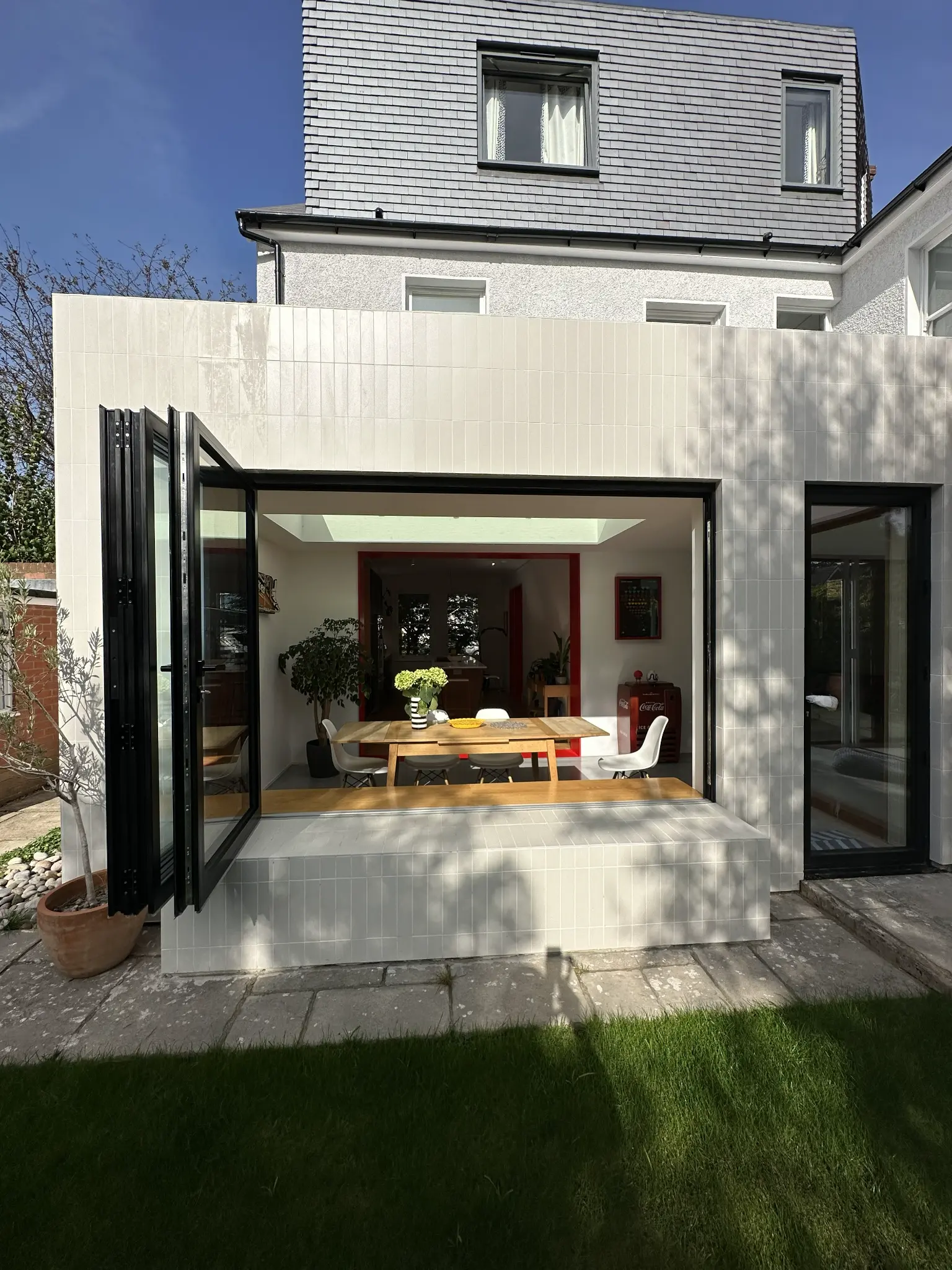
- Bi-fold or Sliding Doors: Replacing an existing window or door with bi-fold or sliding doors of a similar size and appearance usually falls under PDRs. However, creating a new, larger opening for them will likely require planning permission.
Pro Tip
Always check with your local planning authority before starting any significant glazing project, especially if you live in a designated area (Listed Building, Conservation Area, AONB, etc.) or if you are unsure about PDRs. A 'Lawful Development Certificate' can provide formal confirmation that your proposed work does not require planning permission.
Building Regulations and Glazing Compliance
Even if your project doesn't need planning permission, it will almost certainly need to comply with Building Regulations. This is where the technical specifications of your glazing come into play. The primary areas of concern for glazing under Building Regulations include:
1. Thermal Performance (Part L - Conservation of Fuel and Power)
All new and replacement glazing must meet stringent energy efficiency standards to minimise heat loss. This is measured by the U-value, which indicates how well a building element insulates. A lower U-value means better insulation.
- New Build & Extensions: Windows and doors must achieve a maximum U-value of 1.2 W/m²K.
- Replacement Windows & Doors: Must achieve a maximum U-value of 1.4 W/m²K.
These values are crucial for compliance. Double or triple glazing, low-emissivity (Low-E) coatings, and warm edge spacer bars are common technologies used to achieve these standards.
2. Safety Glazing (Part K - Protection from Falling, Collision and Impact)
Certain areas of glazing must be made of safety glass (toughened or laminated) to prevent injury in case of breakage. This typically applies to:
- Glazing in doors.
- Glazing adjacent to doors (within 300mm of the opening edge).
- Low-level glazing (where the bottom edge is less than 800mm from floor level).
- Glazing in critical locations like bathrooms or stairwells.
3. Ventilation (Part F - Ventilation)
When replacing windows, you must ensure that adequate background ventilation is maintained. This often means installing trickle vents in new windows, even if the old ones didn't have them, to prevent condensation and ensure good air quality.
4. Fire Safety (Part B - Fire Safety)
Windows, particularly in bedrooms, may need to serve as an emergency escape route. Specific size and opening requirements apply to ensure they can be easily opened from the inside without a key.
5. Structural Considerations (Part A - Structure)
If you are creating new openings or significantly enlarging existing ones, you will need to ensure the structural integrity of the building is maintained. This typically involves installing appropriate lintels or structural supports, and often requires calculations from a structural engineer.
Enhanced Energy Efficiency
Modern glazing significantly reduces heat loss, leading to lower energy bills and a more comfortable home environment.
Improved Security
New glazing often incorporates advanced locking mechanisms and robust frames, deterring intruders and enhancing home security.
Increased Property Value
Upgraded, compliant glazing can boost your home's market appeal and value, especially with improved aesthetics and energy ratings.
Reduced Noise Pollution
High-performance glazing, particularly acoustic glass, can significantly reduce external noise, creating a quieter indoor space.
How to Comply with Building Regulations
There are two main routes to demonstrate compliance with Building Regulations for glazing:
- Competent Person Schemes: If you use an installer registered with a Competent Person Scheme (e.g., FENSA, CERTASS), they can self-certify that their work complies with Building Regulations. They will issue you with a certificate of compliance, which is vital if you ever sell your property.
- Building Control Application: If your installer is not part of a scheme, or if your project involves structural alterations, you will need to apply to your local authority's Building Control department. They will inspect the work at various stages and issue a completion certificate upon satisfactory completion.
Summary and Key Considerations
Navigating the requirements for glazing projects can seem daunting, but a clear understanding of the rules will ensure a smooth process. Here's a quick reference table for common glazing scenarios:
| Glazing Project Type | Planning Permission Likely? | Building Regulations Approval Needed? | Key Considerations |
|---|---|---|---|
| Replacing existing windows/doors (similar size/appearance) | No (Permitted Development) | Yes (via Competent Person Scheme or Building Control) | U-values, safety glazing, ventilation, fire escape (if applicable) |
| Creating new window/door opening | Yes | Yes | Structural integrity, U-values, safety glazing, ventilation, fire escape |
| Enlarging existing window/door opening | Yes | Yes | Structural integrity, U-values, safety glazing, ventilation, fire escape |
| Conservatory/Orangery (within PDR limits) | No (Permitted Development) | Yes (if not 'exempt' - e.g., heated, open to house) | Size limits, U-values, safety glazing, structural integrity, fire escape |
| Rooflights/Skylights (within PDR limits) | No (Permitted Development) | Yes | Projection limits, U-values, safety glazing, fire escape (if applicable) |
| Any work on a Listed Building | Yes (Listed Building Consent) | Yes | Material, design, appearance, specialist advice required |
| Any work in a Conservation Area / AONB / National Park | Potentially Yes (PDRs often restricted) | Yes | Appearance, material, local policies, consult planning authority |
Remember, while PDRs can simplify the process, they are not universal. Always verify your specific situation with your local planning authority. Failure to comply with either planning permission or Building Regulations can result in enforcement action, which may include being ordered to reverse the work or facing difficulties when selling your property.
For any significant glazing project, it is highly advisable to consult with experienced professionals. An architect, a reputable glazing company, or your local Building Control department can provide tailored advice and ensure your project meets all necessary legal and safety standards.
Choose Shard AG for Compliant Glazing Solutions
At Shard AG, we understand the complexities of planning permission and Building Regulations in the UK. Our team of experts is well-versed in the latest standards, including the current 2022 Part L requirements for thermal performance. We specialise in designing, supplying, and installing high-performance glazing solutions that not only enhance your home's aesthetics and energy efficiency but also ensure full compliance with all relevant regulations. From initial consultation to final installation, we guide our clients through every step, providing peace of mind that your project is handled professionally and legally. Contact Shard AG today to discuss your glazing project and ensure it meets all necessary requirements.
Explore Our Products
Discover how Shard Architectural Glazing can transform your home with our premium glazing solutions:
Ready to Transform Your Home?
Get in touch with our expert team for a free consultation and personalised quote. We'll help you choose the perfect glazing solution for your property.