

Maintaining Glass Doors: A UK Homeowner's Guide to Longevity
Discover essential maintenance tips for all types of glass doors in UK homes. Learn about cleaning, hardware care, and common issues to ensure durability and safety.

Shard Architectural Glazing
6 February 2026
Discover essential maintenance tips for all types of glass doors in UK homes. Learn about cleaning, hardware care, and common issues to ensure durability and safety.
📋In This Article
Glass doors, whether bifold, sliding patio, French, or internal, bring a wealth of natural light, aesthetic appeal, and a sense of openness to any UK home. Their sleek design and functionality make them a popular choice for modern and traditional properties alike. However, like any significant architectural feature, glass doors require regular and appropriate maintenance to ensure their longevity, optimal performance, and continued safety. Neglecting maintenance can lead to operational issues, reduced thermal efficiency, and even costly repairs. This comprehensive guide will equip UK homeowners with the knowledge and practical tips needed to keep their glass doors in pristine condition for years to come.
Understanding Your Glass Doors: Types and Materials
Before delving into maintenance specifics, it's crucial to understand the different types of glass doors and the materials they are typically constructed from. This knowledge will inform the best approach to their care.
Common Types of Glass Doors:
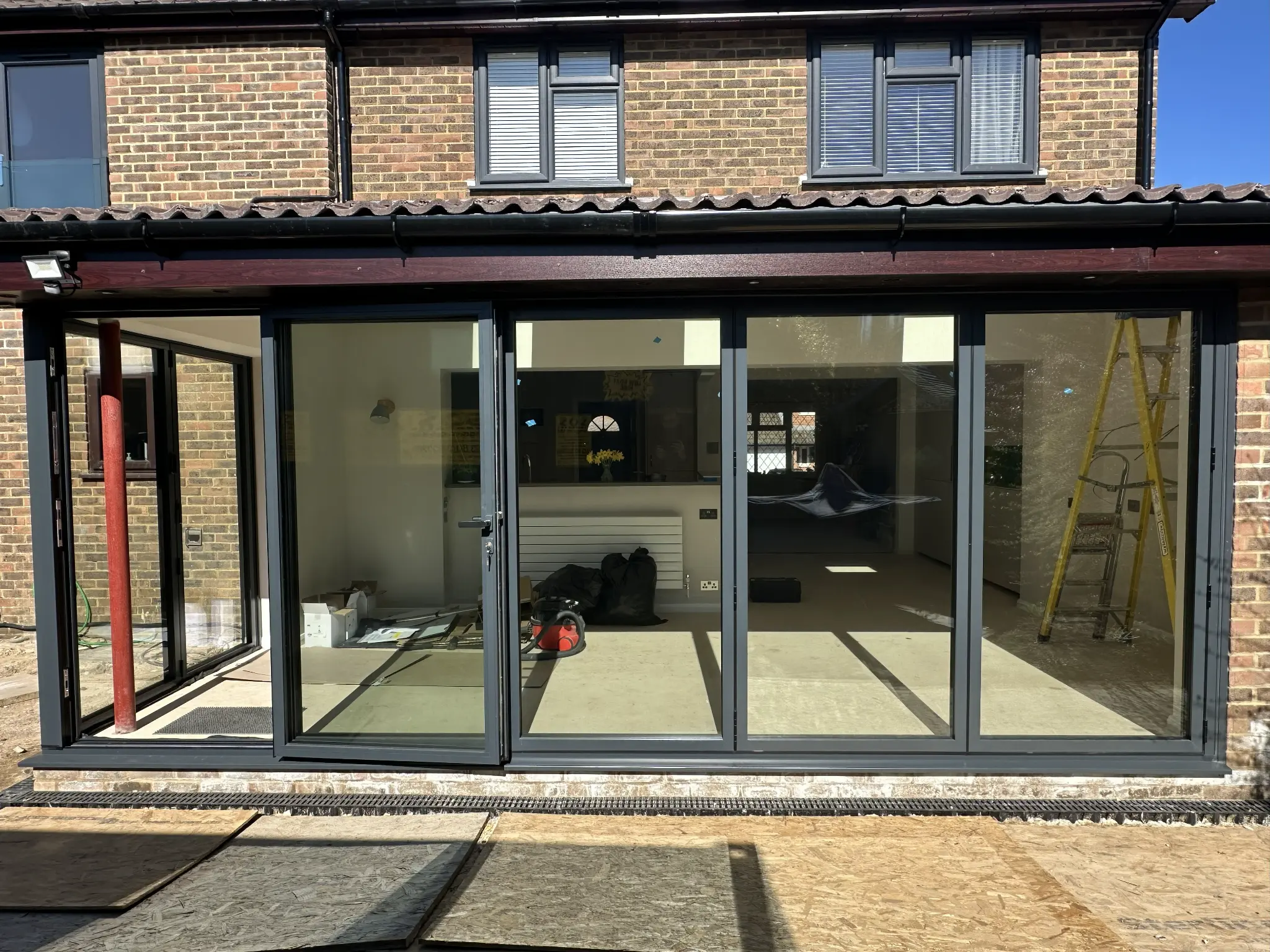
- Bifold Doors: These doors fold back in a concertina style, creating a wide opening. They are popular for connecting indoor and outdoor spaces.
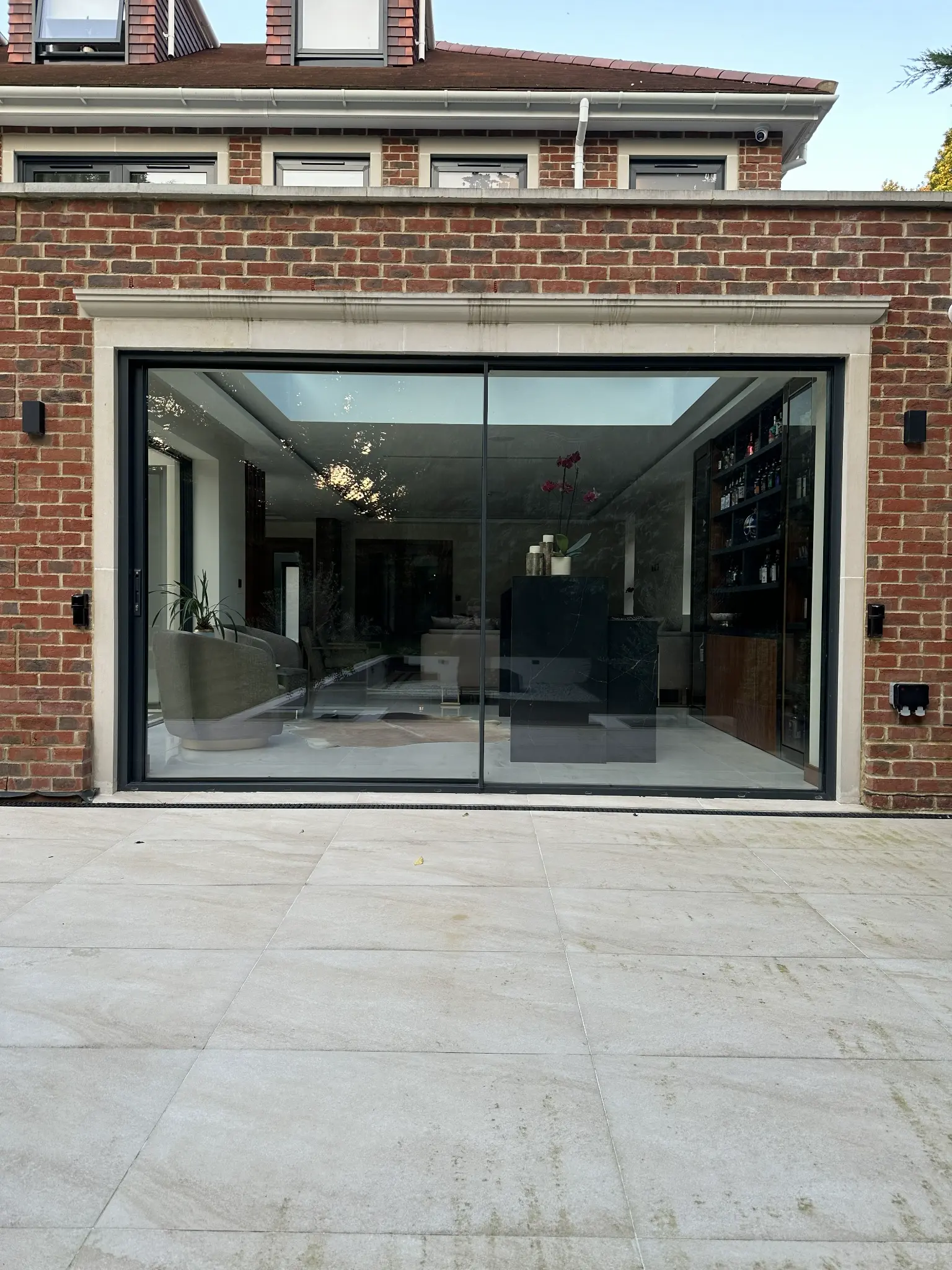
- Sliding Patio Doors: Consisting of two or more large glass panels that slide past each other on a track, these are space-efficient.
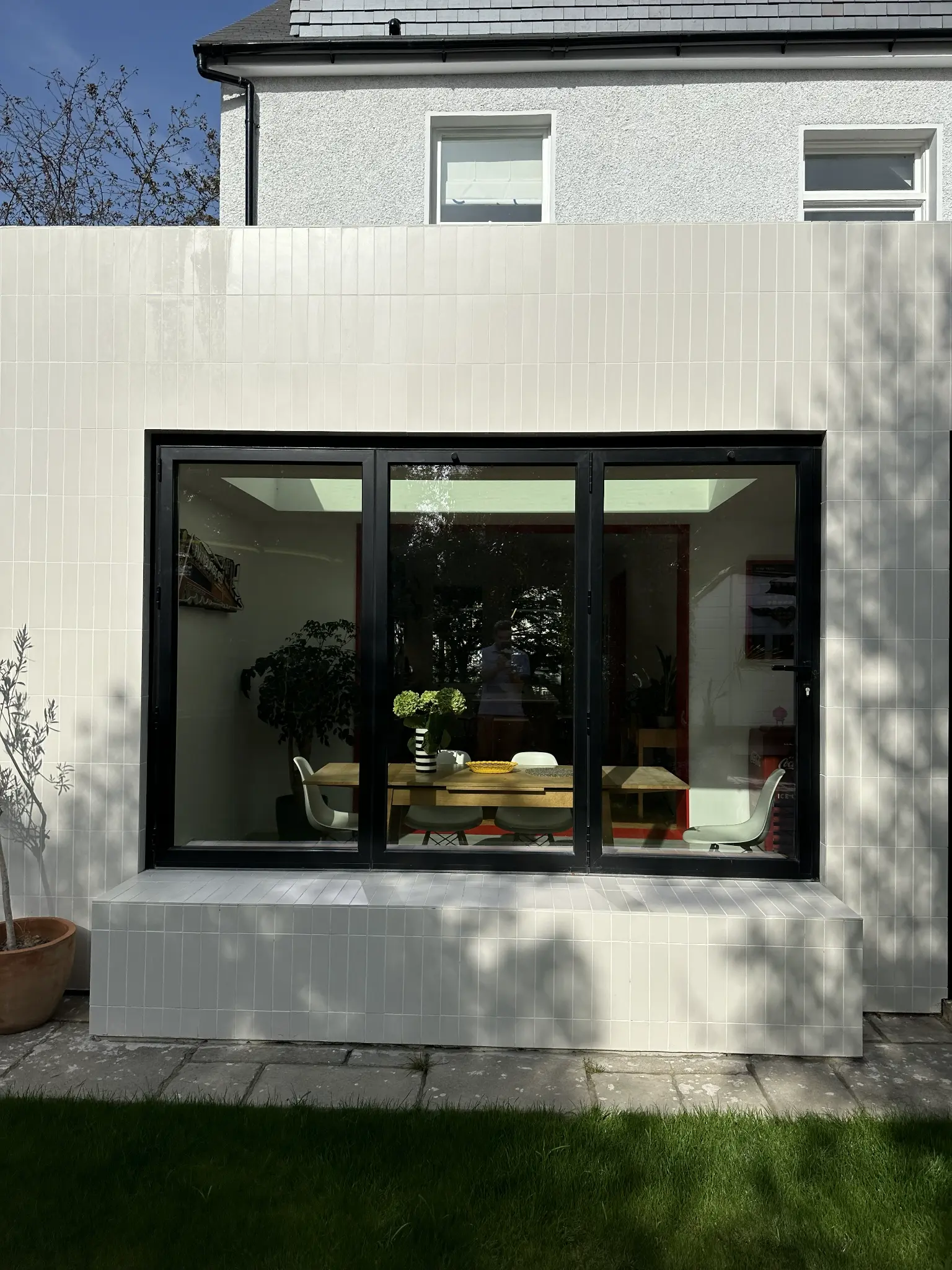
- French Doors: Traditional hinged doors, usually in pairs, that open outwards or inwards.
- Internal Glass Doors: Often frameless or with minimal frames, used to divide internal spaces while maintaining light flow.
- Composite Doors with Glazing: While primarily solid, these often feature significant glazed panels.
Frame Materials:
- Aluminium: Lightweight, strong, durable, and low maintenance. Highly resistant to corrosion.
- uPVC (Unplasticised Polyvinyl Chloride): Cost-effective, good thermal properties, and requires minimal maintenance.
- Timber (Hardwood/Softwood): Offers a classic aesthetic but requires more regular maintenance (painting/staining) to protect against weather and rot.
- Composite: A combination of materials, often with a robust core and a weather-resistant skin, offering excellent durability and security.
Routine Cleaning for Glass and Frames
Regular cleaning is the cornerstone of glass door maintenance. It not only keeps them looking their best but also prevents the build-up of grime that can affect operational components.
Cleaning the Glass:
- Frequency: Aim for at least once a month, or more frequently for external doors exposed to weather or high traffic.
- Method:
- Start by removing loose dirt and dust with a soft brush or vacuum.
- Mix warm water with a small amount of mild washing-up liquid or a dedicated glass cleaner. Avoid abrasive cleaners or harsh chemicals, which can damage coatings or frames.
- Apply the solution with a soft, lint-free cloth or sponge.
- Use a squeegee for streak-free results, wiping the blade after each stroke.
- Alternatively, microfibre cloths are excellent for cleaning and buffing.
- For stubborn marks like bird droppings or tree sap, pre-soak the area with the cleaning solution before gently scrubbing.
- Important: Never clean glass in direct sunlight, as the solution can dry too quickly and leave streaks.
- Specialised Glass: If your doors feature self-cleaning glass (hydrophilic or photocatalytic coatings), follow the manufacturer's specific instructions. These typically require less manual cleaning but benefit from occasional rinsing.
Cleaning the Frames:
- Aluminium & uPVC: These are relatively low maintenance. Wipe down frames with a soft cloth and warm, soapy water. For uPVC, specialist uPVC cleaners can help restore brightness, but avoid abrasive creams. Rinse thoroughly with clean water.
- Timber: Clean timber frames with a soft cloth and mild soap solution. After cleaning, inspect the finish. Timber frames, especially external ones, will require re-painting or re-staining every few years (typically 3-7 years depending on exposure and product) to protect the wood from moisture ingress and UV degradation.
- Composite: Similar to uPVC, clean with warm soapy water. Avoid harsh chemicals that could damage the outer skin.
Pro Tip
When cleaning external glass doors, consider using a hose to rinse off loose dirt first. Always clean from top to bottom to prevent dirty water from running over already cleaned surfaces. For hard-to-reach areas, an extendable squeegee or window cleaning kit can be invaluable.
Hardware and Component Care
The operational components of your glass doors – hinges, tracks, rollers, and locking mechanisms – are critical for smooth function and security. Regular inspection and lubrication are vital.
Tracks and Rollers (for Bifold and Sliding Doors):
- Cleaning: Tracks are prone to accumulating dirt, dust, leaves, and even small stones, which can impede smooth operation and damage rollers. Regularly vacuum or brush out the tracks. A damp cloth can be used to wipe away stubborn grime.
- Lubrication: Once tracks are clean, apply a silicone-based spray lubricant to the rollers and within the tracks. Avoid oil-based lubricants, which can attract more dirt. Do this every 6-12 months.
- Inspection: Check for any signs of wear or damage to the rollers. If doors become stiff or noisy, it often indicates an issue with the rollers or track.
Hinges (for French and Bifold Doors):
- Lubrication: Apply a light, non-greasy lubricant (such as silicone spray or light machine oil) to hinge points annually. Operate the door a few times to distribute the lubricant.
- Tightening: Periodically check hinge screws for tightness. Loose hinges can cause doors to drop, leading to misalignment and difficulty closing or locking.
Locking Mechanisms and Handles:
- Lubrication: Lightly lubricate the moving parts of locks and cylinders with a graphite-based lubricant or a specialist lock spray annually. Avoid WD-40 inside lock cylinders, as it can attract dust and gum up the mechanism over time.
- Functionality Check: Test all locking points regularly. Ensure the key turns smoothly and that all bolts engage fully. If a lock feels stiff, address it promptly to prevent damage.
- Handles: Wipe handles clean with a damp cloth. Check for any looseness and tighten screws if necessary.

Seals and Weatherproofing
The seals around your glass doors are crucial for thermal efficiency and preventing water ingress. Damaged seals can lead to draughts, higher energy bills, and potential damp issues.
- Inspection: Regularly inspect all rubber gaskets and weather seals around the glass panels and frames. Look for signs of cracking, shrinking, hardening, or dislodgement.
- Cleaning: Wipe seals clean with a damp cloth to remove dirt and mildew.
- Replacement: If seals are visibly damaged or you notice draughts or water leaks, they should be replaced. This often requires a professional, especially for integrated seals within the glazing unit.
Enhanced Energy Efficiency
Properly maintained seals and frames prevent heat loss, reducing your energy bills and carbon footprint.
Extended Lifespan
Regular cleaning and lubrication prevent wear and tear, significantly prolonging the life of your doors.
Improved Security
Well-maintained locks and sturdy frames ensure your home remains secure against intruders.
Optimal Functionality
Smooth-running tracks and hinges mean your doors operate effortlessly, enhancing daily convenience.
Addressing Common Issues and UK Building Regulations
Proactive maintenance helps prevent many problems, but some issues may still arise. It's also important to be aware of how maintenance relates to UK Building Regulations.
Common Problems and Solutions:
- Draughts: Often caused by degraded seals or misaligned doors. Check seals first. If doors are misaligned, adjustments to hinges or rollers may be needed. This can be a specialist job.
- Stiff Operation: Usually due to dirty tracks, worn rollers, or unlubricated hinges/locks. Clean and lubricate as described above.
- Condensation Between Glass Panes: This indicates a failure of the sealed double-glazed unit. The desiccant has become saturated, and moisture has entered. The only solution is to replace the entire glass unit. This is not a maintenance issue but a product failure.
- Corrosion on Frames: While aluminium and uPVC are highly resistant, prolonged exposure to harsh conditions or damage can lead to corrosion. Clean affected areas and consider protective coatings. For timber, repaint or re-stain.
UK Building Regulations and Maintenance:
While maintenance itself isn't directly regulated, failing to maintain your doors can lead to non-compliance with certain aspects of Building Regulations, particularly Part L (Conservation of Fuel and Power) and Part F (Ventilation).
- Part L (Thermal Performance): If seals degrade, your doors will lose heat more rapidly, potentially falling below the required U-values. For new builds, extensions, and replacement doors, the current (2022 England) U-value requirement for windows and doors is 1.2 W/m²K for new builds and 1.4 W/m²K for replacements. Poorly maintained doors will not meet these standards, leading to increased energy consumption.
- Part F (Ventilation): Some modern doors incorporate trickle vents to provide background ventilation. Ensure these are kept clean and unobstructed to maintain adequate airflow and prevent condensation issues within the home.
- Part B (Fire Safety): While less common for standard glass doors, if your doors are part of a designated fire escape route, ensure they operate freely and are not obstructed.
- Part K (Protection from Falling, Collision and Impact): Glass in doors must be of a safe type, typically toughened or laminated, to prevent serious injury upon impact. While maintenance doesn't change the glass type, ensuring frames and hinges are secure prevents doors from falling or breaking unexpectedly.
It is always advisable to consult your local Building Control body or a qualified professional if you have concerns about your doors' compliance or require significant repairs.
Seasonal Checks and Long-Term Care
Adopting a seasonal approach to maintenance can help ensure your glass doors are always ready for the changing UK weather.
Spring Clean:
- Thoroughly clean all glass and frames after the winter months.
- Inspect seals for any winter damage.
- Lubricate tracks, hinges, and locks.
- Check for any signs of mould or mildew, especially on uPVC and seals, and clean with an appropriate solution.
Autumn Prep:
- Give doors a good clean before the colder, wetter weather sets in.
- Re-check all seals for integrity to prevent draughts and water ingress during winter.
- Ensure all locking mechanisms are working perfectly for enhanced security during darker evenings.
- For timber frames, check the paint/stain finish and touch up any areas that look worn to protect against winter moisture.
Long-Term Considerations:
- Professional Servicing: Consider having your glass doors professionally serviced every few years, especially for complex systems like bifolds. A professional can identify subtle issues, make precise adjustments, and ensure all components are in top condition.
- Manufacturer's Guidelines: Always refer to the specific maintenance guidelines provided by the manufacturer of your glass doors. These often contain crucial information regarding recommended cleaning products and lubrication types.
- Insurance: Be aware that some home insurance policies may have clauses regarding property maintenance. Neglecting glass door maintenance could, in extreme cases, affect claims related to damage or security breaches.
| Maintenance Task | Frequency | Key Considerations |
|---|---|---|
| Glass Cleaning | Monthly (or as needed) | Mild soap/glass cleaner, soft cloth/squeegee, avoid direct sun. |
| Frame Cleaning | Quarterly | Warm soapy water, specific cleaners for uPVC/timber, rinse well. |
| Track/Roller Cleaning | Quarterly | Vacuum/brush, damp cloth, silicone lubricant. |
| Hinge Lubrication | Annually | Light machine oil or silicone spray. Check for tightness. |
| Lock Lubrication | Annually | Graphite or specialist lock spray. Test functionality. |
| Seal Inspection | Bi-annually | Check for cracks, hardening, dislodgement. Replace if damaged. |
| Timber Frame Treatment | Every 3-7 years | Re-paint or re-stain as per product guidelines. |
| Professional Service | Every 2-5 years | Comprehensive check, adjustments, and repairs by specialist. |
Conclusion
Glass doors are a significant investment in your home's aesthetic and functionality. With a little regular attention and adherence to these maintenance tips, you can ensure they remain a beautiful, efficient, and secure feature for many years. From simple cleaning routines to periodic lubrication and seal checks, proactive care is key to preventing problems and preserving the value of your property. By understanding the specific needs of your door type and frame material, and keeping an eye on the essential components, you'll enjoy the benefits of your glass doors without unexpected issues.
For homeowners in the UK seeking expert advice, high-quality replacement parts, or professional servicing for their glass doors, Shard AG offers a comprehensive range of services. Our team of specialists is dedicated to ensuring your architectural glazing performs optimally, providing peace of mind and lasting value.
Explore Our Products
Discover how Shard Architectural Glazing can transform your home with our premium glazing solutions:
Ready to Transform Your Home?
Get in touch with our expert team for a free consultation and personalised quote. We'll help you choose the perfect glazing solution for your property.