


Condensation is one of the most common issues faced by homeowners across the UK. While often dismissed as a minor nuisance, persistent condensation can lead to serious problems, including black mould growth, damaged plaster, peeling paint, and compromised indoor air quality. Understanding the science behind condensation and implementing proactive measures is crucial for maintaining a healthy and structurally sound home.
This comprehensive guide delves into the causes of condensation and provides practical, technical advice rooted in building physics and UK best practice for effective prevention.
Understanding the Science of Condensation
Condensation occurs when warm, moist air comes into contact with a surface that is colder than the air's dew point. The air cools rapidly, forcing it to shed its excess moisture in the form of liquid water droplets.
In a typical UK home, the battle against condensation involves managing three primary factors:
- Moisture Production (Source): How much water vapour is being generated indoors?
- Ventilation (Removal): How effectively is moist air being removed and replaced with drier air?
- Temperature/Insulation (Surface Temperature): Are internal surfaces warm enough to stay above the dew point?
If any one of these factors is neglected, condensation is likely to occur, particularly during colder months when internal surfaces (like windows and external walls) are significantly cooler.
Types of Condensation
It is important to differentiate between the two main types:
- Surface Condensation: The most visible type, occurring on cold surfaces like windows, mirrors, or external walls. This is usually manageable through improved ventilation and heating.
- Interstitial Condensation: Less visible and potentially more damaging, this occurs within the building fabric (e.g., inside wall cavities or roof structures) when warm, moist air permeates the structure and meets a cold layer. This requires careful consideration of vapour barriers and insulation placement.
Controlling Moisture at the Source
The average family of four generates approximately 10 to 15 litres of water vapour per day through everyday activities. Reducing this source is the first line of defence.
- Cooking: Always use extractor fans (set to external extraction, not recirculation) and keep saucepan lids on while cooking.
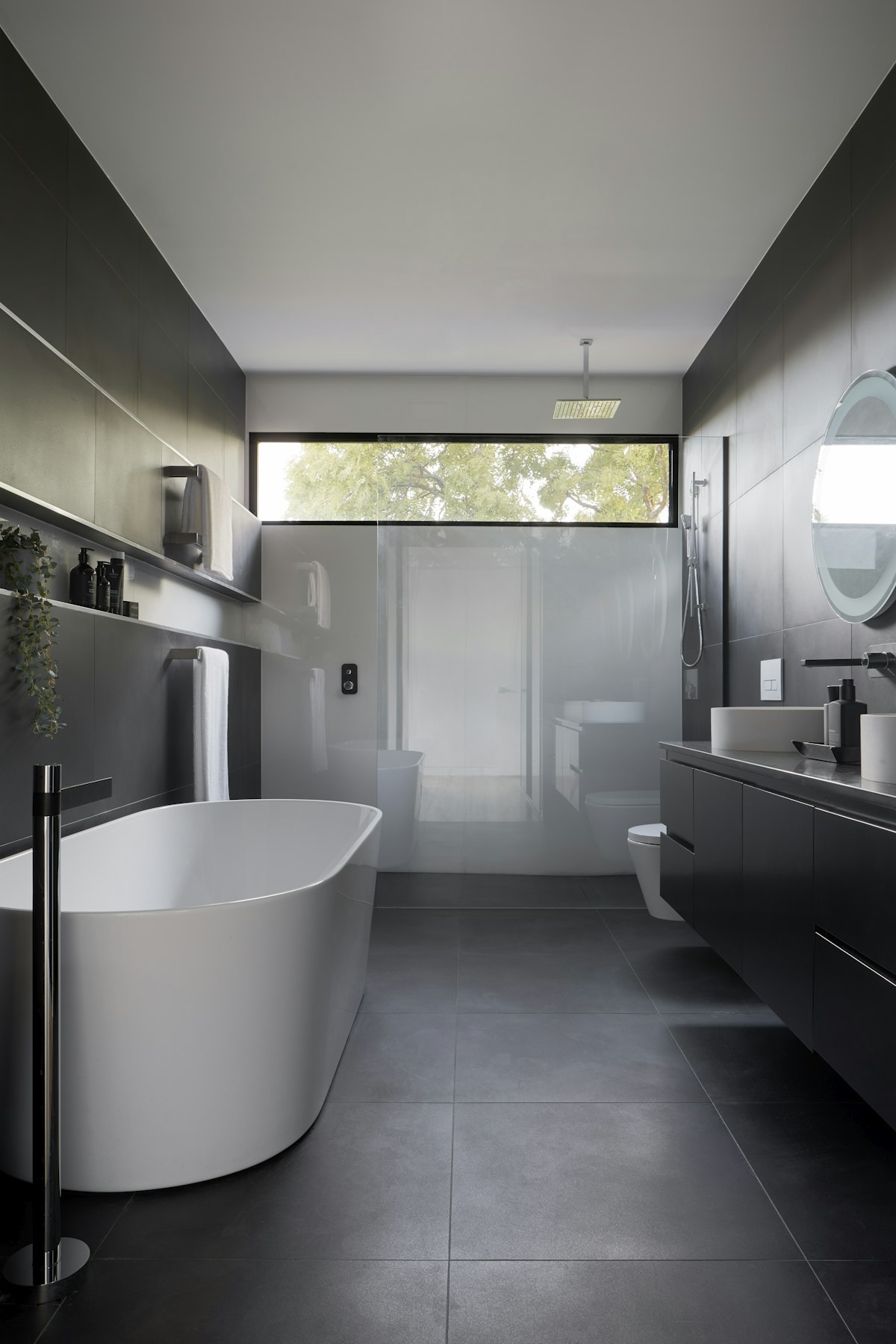
- Bathing/Showering: Use high-powered extractor fans (ideally humidistat controlled) immediately during and for at least 20 minutes after bathing. Keep bathroom doors closed during use to contain moisture.
- Drying Laundry: If possible, dry clothes outdoors. If drying indoors, use a dedicated dehumidifier or place the clothes in a room with a window slightly ajar and the door closed. Never dry clothes directly on radiators in living areas.
- Kerosene/Gas Heaters: Avoid using unflued portable gas or paraffin heaters, as they release significant amounts of water vapour as a by-product of combustion.
Pro Tip
Check the extraction rate of your bathroom fan. For compliance with Building Regulations Part F (Ventilation), the minimum intermittent extract rate for a bathroom is 15 litres per second (l/s), and 30 l/s for a kitchen adjacent to the hob. Ensure your fan is regularly cleaned to maintain optimal performance.
Optimising Ventilation and Air Movement
Proper ventilation is essential for removing stale, moisture-laden air and replacing it with fresh, drier air. UK Building Regulations Part F mandates adequate ventilation provisions in all dwellings.
Background and Purge Ventilation
All habitable rooms should have provision for both background and purge ventilation:
- Background Ventilation: Continuous, low-level airflow, typically provided by trickle vents in windows or passive air bricks.
- Purge Ventilation: High-volume airflow, usually achieved by opening windows fully, necessary for rapidly clearing moisture or pollutants.
If you have upgraded your windows, ensure the new units include adequate trickle vents. Modern, highly airtight homes require mechanical ventilation systems (such as Mechanical Ventilation with Heat Recovery - MVHR) to ensure continuous air exchange without excessive heat loss.
Managing Air Flow
Internal air movement is just as important. Ensure furniture is not pushed flush against external walls, particularly in bedrooms, which are prone to condensation due to lower night-time temperatures. Leaving a small gap (50-100mm) allows air to circulate and prevents cold spots where mould can germinate.
.jpg)
Improving Insulation and Surface Temperatures
Condensation forms on cold surfaces. By raising the temperature of internal surfaces through insulation and effective heating, you raise them above the dew point, preventing moisture deposition.
Glazing and Thermal Performance
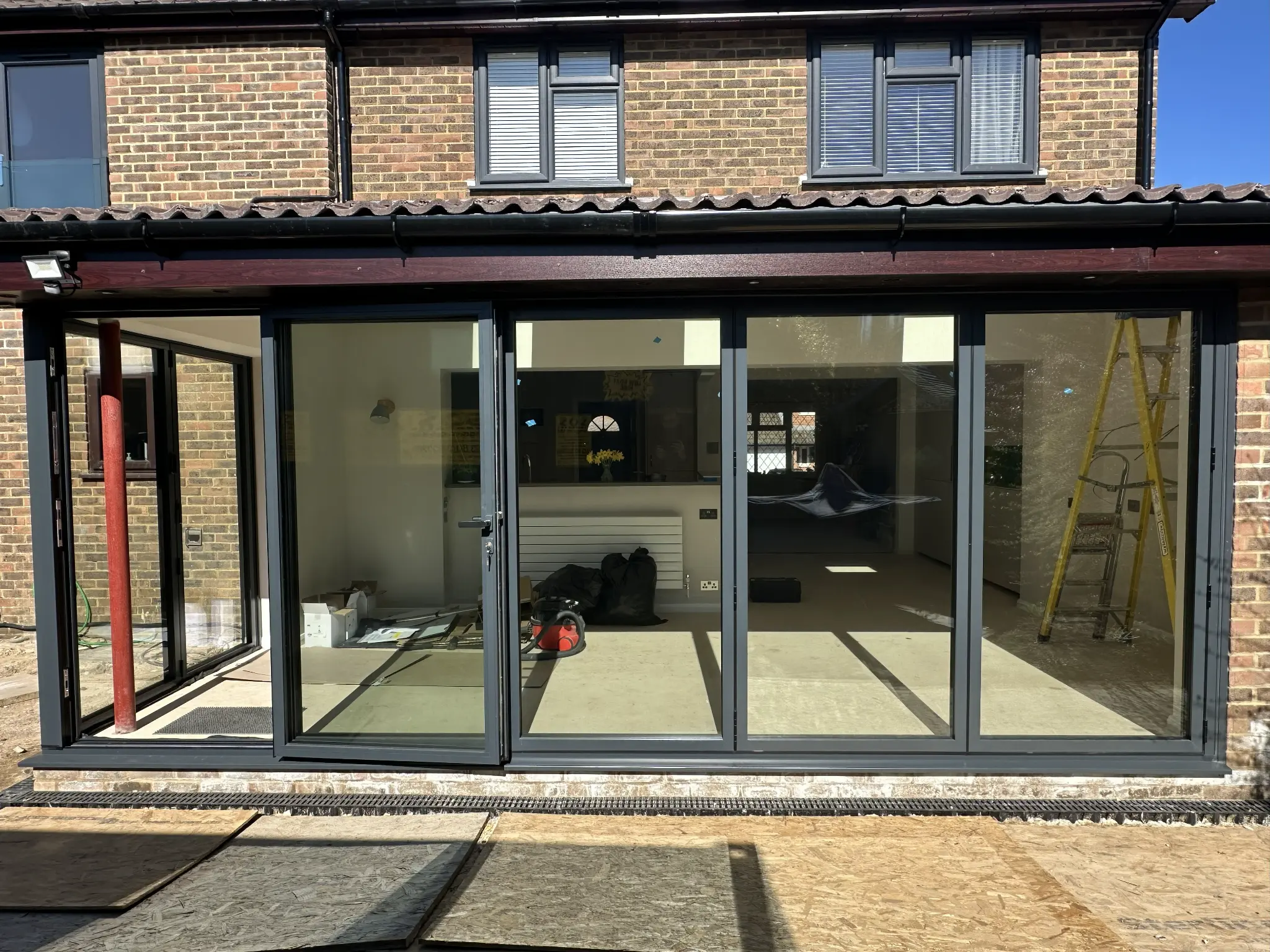
Windows are often the coldest surface in a room, making them prime condensation targets. Upgrading single glazing to high-performance double or triple glazing significantly reduces internal surface temperature drops.
For replacement windows in England, the maximum U-value permitted under current Building Regulations Part L (2022) is 1.4 W/m²K. Achieving this standard ensures the inner pane remains much warmer, drastically reducing surface condensation.
| Glazing Type | Typical U-Value (W/m²K) | Impact on Condensation Risk |
|---|---|---|
| Single Glazing | ~5.0 | Very High Risk |
| Standard Double Glazing (Air filled) | ~2.8 | High Risk |
| High-Performance Double Glazing (Low-E, Argon filled) | 1.2 – 1.4 | Low to Moderate Risk |
| Triple Glazing | 0.8 – 1.0 | Minimal Risk |
Note: Even high-performance glazing can experience external condensation on cold mornings. This is a sign the window is insulating effectively, keeping the outer pane cold, and is not a cause for concern.
Insulating Walls, Floors, and Roofs
Addressing the thermal performance of the entire building envelope is key to eliminating cold spots:
- Walls: Consider cavity wall insulation or external/internal wall insulation (EWI/IWI). Building Regulations Part L requires new or extended walls to achieve 0.18 W/m²K.
- Roofs: Ensure loft insulation meets modern standards. The target U-value for new roofs is 0.15 W/m²K.
- Thermal Bridging: Pay attention to junctions (e.g., where a wall meets a floor or window frame). These 'thermal bridges' can create localised cold spots where condensation and mould thrive. Professional assessment is often required to mitigate these areas effectively.
Heating Strategies for Moisture Management
Maintaining a stable, consistent internal temperature is far more effective than intermittent heating for condensation control.
When a house cools down rapidly (e.g., overnight), the air temperature drops, but the moisture content remains the same, pushing the air closer to its dew point. When the heating comes on quickly in the morning, warm, moist air hits the still-cold walls and windows, causing rapid condensation.
- Consistent Background Heat: Aim to keep the temperature of the whole house above 18°C, ideally maintaining a background heat level even when unoccupied. This prevents the building fabric from cooling excessively.
- Thermostatic Radiator Valves (TRVs): Use TRVs to manage temperatures room by room. Bedrooms, which are often cooler, may benefit from a low background heat setting to prevent the walls from becoming cold condensation magnets.
- Dehumidifiers: While not a replacement for ventilation, a dehumidifier can be an excellent temporary tool, especially during periods of high moisture production (like heavy rain or drying laundry indoors). They actively remove moisture from the air, lowering the relative humidity.
Healthier Environment
Preventing condensation eliminates the conditions necessary for mould spores to thrive, leading to significantly improved air quality and reduced respiratory issues.
Energy Efficiency
Well-insulated and properly ventilated homes are easier and cheaper to heat, as you are not constantly heating moisture-laden air or losing heat through draughts.
Structural Integrity
Eliminating damp conditions prevents damage to plaster, timber frames, window seals, and decorative finishes, preserving the long-term value of your property.
Comfort and Aesthetics
A dry, warm home is simply more comfortable. Preventing streaming windows and black mould keeps your interiors looking clean and well-maintained.
Dealing with Existing Mould
If condensation has already led to mould growth, immediate action is necessary. Mould should be treated before prevention measures are fully implemented.
Do not simply wipe mould away with water, as this can release spores. Use a dedicated fungicidal wash or a mild bleach solution (1 part bleach to 4 parts water) to kill the mould roots. Ensure the area is thoroughly dried afterwards. Always wear gloves and a mask when cleaning mould.
If mould returns quickly after cleaning, it is a definitive sign that the underlying issues—lack of heat, poor ventilation, or excessive moisture—have not been resolved.
Professional Assessment and Long-Term Solutions
While many condensation issues can be resolved with simple lifestyle changes (ventilation and heating adjustments), persistent or severe problems, particularly those leading to interstitial condensation, require professional intervention.
A qualified building surveyor or damp specialist can perform a detailed moisture survey, using tools like hygrometers and thermal imaging cameras to identify cold spots and measure relative humidity accurately. They can recommend targeted solutions, such as installing Positive Input Ventilation (PIV) systems, which gently introduce fresh, filtered air into the dwelling, or specifying appropriate insulation upgrades compliant with UK standards.
For homeowners looking to upgrade their home's thermal envelope, particularly through new glazing, consulting with a reputable supplier is essential. High-performance architectural glazing is designed not only for aesthetics and security but also to meet stringent thermal performance targets, playing a critical role in maintaining warm, condensation-free internal surfaces.
***
A Note from Shard AG
At Shard AG, we understand that condensation on windows is often the first sign of a wider thermal issue. Our range of high-performance architectural glazing, including double and triple glazed units, is designed to exceed current UK Building Regulation Part L standards, ensuring exceptional thermal efficiency and significantly reducing the risk of cold spots and surface condensation on your windows. If you are planning a renovation or replacement project, contact us to discuss how modern, thermally broken frames and low-emissivity glass can contribute to a drier, healthier home environment.