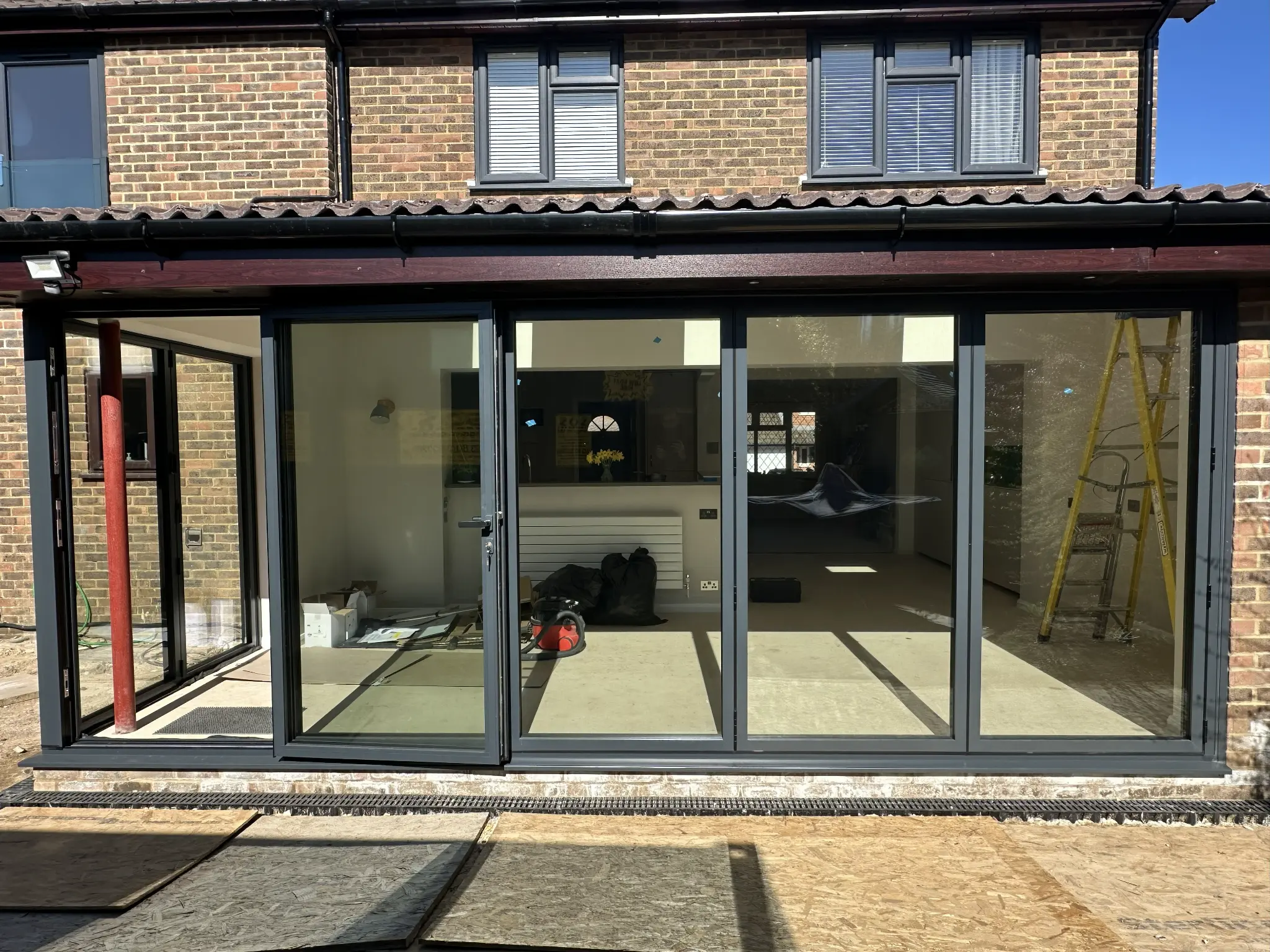




For UK homeowners, improving energy efficiency is not just about reducing utility bills; it's about enhancing comfort, reducing carbon footprint, and ensuring compliance with stringent Building Regulations. Glazing – windows, doors, and rooflights – plays a crucial role, often being the weakest link in a building's thermal envelope. Understanding the technical specifications and regulatory requirements is essential when planning any home improvement or extension project.
Understanding U-Values: The Metric of Efficiency
The primary measurement used to determine how effective a window or door is at insulating is the U-value (or thermal transmittance). Simply put, the U-value measures the rate of heat loss through a structure. The lower the U-value, the better the insulation, and the more energy-efficient the component is.
U-values are measured in Watts per square metre Kelvin (W/m²K). When assessing glazing, the U-value relates to the entire unit (frame, glass, and spacer bar), not just the glass pane itself. Modern double and triple glazing systems achieve significantly lower U-values than older single-pane windows.
Key Components Affecting Glazing U-Values
- Glass Panes: The number of panes (double or triple glazing).
- Cavity Width: The space between the panes, typically 16mm or 20mm, which maximises thermal performance.
- Gas Fill: Filling the cavity with inert gases like Argon or Krypton reduces heat transfer more effectively than air.
- Low-Emissivity (Low-E) Coatings: A microscopically thin, virtually invisible metal coating applied to one of the inner glass surfaces reflects internal heat back into the room while allowing solar gain (light and heat from the sun) to enter.
- Spacer Bars: Traditional aluminium spacer bars conduct heat easily. Modern units use Warm Edge Spacer Bars (often made of composite materials) to significantly reduce thermal bridging around the perimeter of the glass unit.
Pro Tip
When comparing quotes for new windows or doors, always ensure the quoted U-value is the overall system U-value (Uw), not just the centre pane U-value (Ug). The frame and spacer bar performance are critical factors that often increase the overall U-value.

UK Building Regulations Part L and Glazing Standards
In England, compliance with Part L (Conservation of Fuel and Power) of the Building Regulations is mandatory for all new builds, extensions, and replacement installations. The 2022 updates introduced significantly stricter targets for thermal performance.
For homeowners undertaking work, the specific requirement depends on the nature of the project:
| Project Type (England, Part L 2022) | Maximum U-Value Required (W/m²K) | Notes |
|---|---|---|
| New Dwelling (Windows/Doors) | 1.2 | Very stringent requirement, often necessitating high-performance double or triple glazing. |
| Replacement Windows/Doors | 1.4 | Applies when replacing existing windows or doors in an existing dwelling. |
| New Extensions (Glazing) | 1.4 | Applies to windows and standard doors installed within a new extension. |
| Glazed Areas in Extensions (Limitation) | N/A | The total area of openings (glazing) in an extension should ideally not exceed 25% of the new floor area plus the area of any openings replaced. Exceeding this requires complex compensation calculations. |
It is highly recommended that homeowners consult with their local Building Control body or an approved installer to ensure that the proposed glazing specifications meet these minimum standards. Failing to comply could affect the ability to obtain a completion certificate.
Double vs. Triple Glazing: Making the Right Choice
While double glazing has been the standard for decades, triple glazing is becoming increasingly popular, particularly in areas requiring maximum thermal performance or enhanced acoustic insulation.
Double Glazing (Standard High Performance)
Modern double-glazed units typically feature two panes of glass, a Low-E coating, Argon gas fill, and warm edge spacer bars. They comfortably meet the 1.4 W/m²K replacement standard and can often achieve U-values as low as 1.2 W/m²K, making them suitable for new builds and extensions.
Triple Glazing (Maximum Performance)
Triple glazing uses three panes of glass, creating two separate insulating cavities, often both filled with Argon or Krypton gas, and featuring two Low-E coatings. This configuration drastically reduces heat loss, achieving U-values typically ranging from 0.8 W/m²K down to 0.6 W/m²K.
Considerations for Triple Glazing
- Cost: Triple glazing is inherently more expensive due to the extra materials and complexity.
- Weight: The increased weight requires more robust frames and hardware, which can impact installation and long-term durability if not correctly specified.
- Solar Gain: While excellent at retaining heat, triple glazing can sometimes limit beneficial solar heat gain during winter months compared to high-performance double glazing, depending on the specific coating configuration.
- Frame Requirements: Not all existing window frames are deep enough to accommodate a triple-glazed unit; this often necessitates a complete frame replacement.
Understanding Solar Control and G-Values
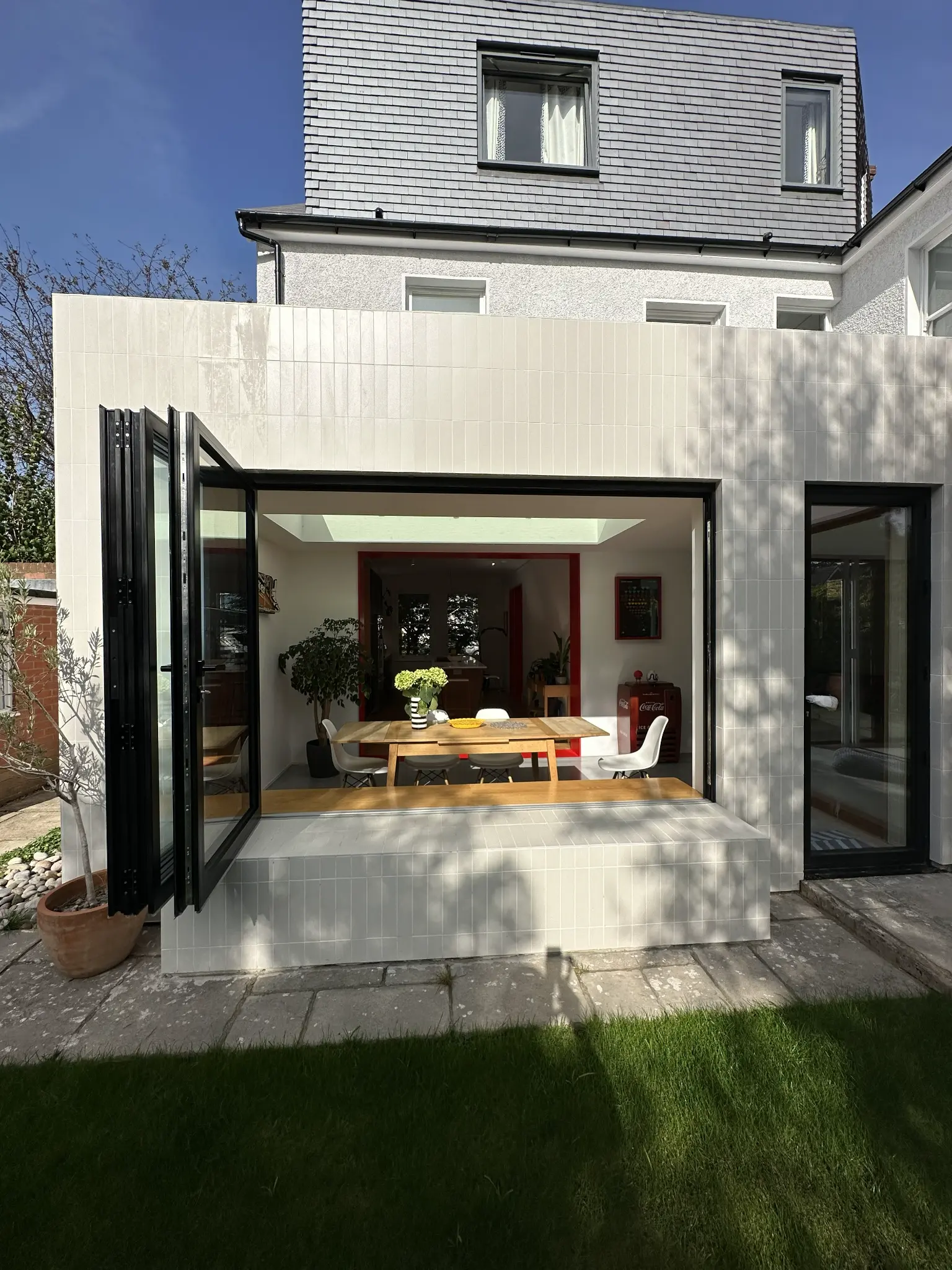
Energy efficiency isn't just about keeping heat in; it's also about managing solar heat gain, especially in large glazed areas like bi-fold doors, sliding doors, or conservatories.
The G-Value (Solar Factor)
The G-value (or Solar Factor) measures the proportion of solar energy (heat) transmitted through the glass. It is expressed as a number between 0 and 1.0.
- A G-value of 1.0 means 100% of solar heat passes through (like clear single glass).
- A G-value of 0.3 means only 30% of solar heat passes through.
In south or west-facing elevations, particularly with large expanses of glass, excessive solar gain can lead to overheating (the 'greenhouse effect') during summer. In these cases, solar control glazing with a low G-value (e.g., 0.3 to 0.4) is vital to maintain comfortable internal temperatures without relying heavily on air conditioning.
Conversely, in north-facing windows or smaller openings where solar gain is minimal, a higher G-value might be acceptable or even desirable, provided the U-value remains compliant.
Frame Materials and Thermal Bridging
The frame material significantly influences the overall U-value (Uw) of the window or door. Even if the glass unit is highly efficient, a poorly insulating frame will create a thermal bridge—a path of least resistance for heat to escape.
Comparison of Common Frame Materials
- uPVC (Unplasticised Polyvinyl Chloride): Highly popular due to its cost-effectiveness and low maintenance. Modern uPVC frames incorporate multi-chambered profiles and internal steel reinforcement (which must be thermally broken) to achieve excellent U-values.
- Timber: Naturally insulating, timber frames offer excellent thermal performance, especially when using engineered wood. They require regular maintenance (painting/staining) but offer a classic aesthetic.
- Aluminium: Aluminium is inherently conductive. To achieve compliant U-values, modern aluminium systems must incorporate sophisticated Polyamide Thermal Breaks. These breaks isolate the inner and outer aluminium profiles, dramatically reducing heat transfer. High-quality thermally broken aluminium is essential for achieving the required 1.2 W/m²K standard for new builds.
- Composite (Alu-Clad or Timber-Alu): These systems combine the low-maintenance, weather-resistant exterior of aluminium with the excellent thermal properties and aesthetic warmth of internal timber, offering a premium, high-performance solution.
Reduced Energy Bills
High-performance glazing minimises heat loss, requiring less energy to heat your home, leading to significant savings on gas and electricity bills over the lifespan of the property.
Enhanced Comfort
Efficient glazing eliminates cold spots and draughts near windows, ensuring a more consistent and comfortable temperature throughout the room, reducing condensation risk.
Acoustic Insulation
The multiple layers of glass and gas-filled cavities in double and triple glazing provide superior sound dampening, crucial for homes near busy roads or urban areas.
Increased Property Value
Modern, compliant, and energy-efficient glazing improves the property's Energy Performance Certificate (EPC) rating, making the home more attractive and valuable to potential buyers.
Practical Considerations for Installation
Even the best glazing unit can underperform if installed incorrectly. Homeowners should ensure their chosen installer adheres to best practices to maintain thermal integrity.
Air Tightness and Sealing
Heat loss through air leakage (draughts) can negate the benefits of low U-values. Proper sealing between the window frame and the wall structure is crucial. This involves using high-quality expanding foam, sealant tapes, and membranes to create an airtight seal, preventing both heat loss and moisture ingress.
Accreditation and Certification
In the UK, when replacing windows and doors, homeowners must obtain certification that the installation complies with Building Regulations Part L. This is typically achieved through:
- FENSA or CERTASS Registration: These competent person schemes allow registered installers to self-certify the work, notifying local Building Control on your behalf.
- Building Control Application: If the installer is not FENSA/CERTASS registered, the homeowner must apply directly to their local Building Control body before work commences for inspection and certification.
Always request the FENSA/CERTASS certificate or the Building Control completion certificate upon completion; this document is vital when selling the property.