
Maximising Home Energy Efficiency with Modern Glazing
Discover how advanced glazing solutions can dramatically improve your home's energy efficiency, comfort, and reduce heating bills in the UK.

Shard Architectural Glazing
15 March 2026
Discover how advanced glazing solutions can dramatically improve your home's energy efficiency, comfort, and reduce heating bills in the UK.
📋In This Article
In the UK, our homes are constantly battling the elements, and a significant portion of heat loss occurs through windows and doors. With rising energy costs and a growing awareness of environmental impact, understanding how glazing contributes to your home's energy efficiency is more crucial than ever. This comprehensive guide will delve into the technical aspects, regulatory requirements, and practical considerations for choosing energy-efficient glazing.
Understanding U-Values and Energy Ratings
When discussing energy efficiency in glazing, two key metrics dominate: the U-value and the Window Energy Rating (WER). Grasping these concepts is fundamental to making informed decisions.
What is a U-Value?
The U-value, or U-factor, measures how effectively a material or component prevents heat from escaping. It quantifies the rate of heat transfer through a structure, such as a window, wall, or roof. The lower the U-value, the better the insulation and the less heat loss. It is expressed in Watts per square metre Kelvin (W/m²K).
- Lower U-value = Better insulation = Less heat loss
- For glazing, the U-value considers the entire window unit, including the glass, frame, and any spacers.
What is a Window Energy Rating (WER)?
The Window Energy Rating (WER) is a more comprehensive system, similar to the energy labels found on appliances. It rates the energy performance of a complete window on a scale from A++ (most efficient) to E (least efficient). The WER takes into account three factors:
- U-value: Heat loss through the window.
- G-value (Solar Factor): How much solar heat gain the window allows into the building. A higher g-value means more free heat from the sun.
- Air Leakage (L-value): How much draught passes through the window seals.
A higher WER grade indicates a window that is better at retaining heat, benefiting from solar gain, and minimising draughts.
Pro Tip
Always ask for the U-value and WER of any windows or doors you are considering. Don't just rely on marketing claims. Reputable suppliers will readily provide this information, often backed by independent certification.
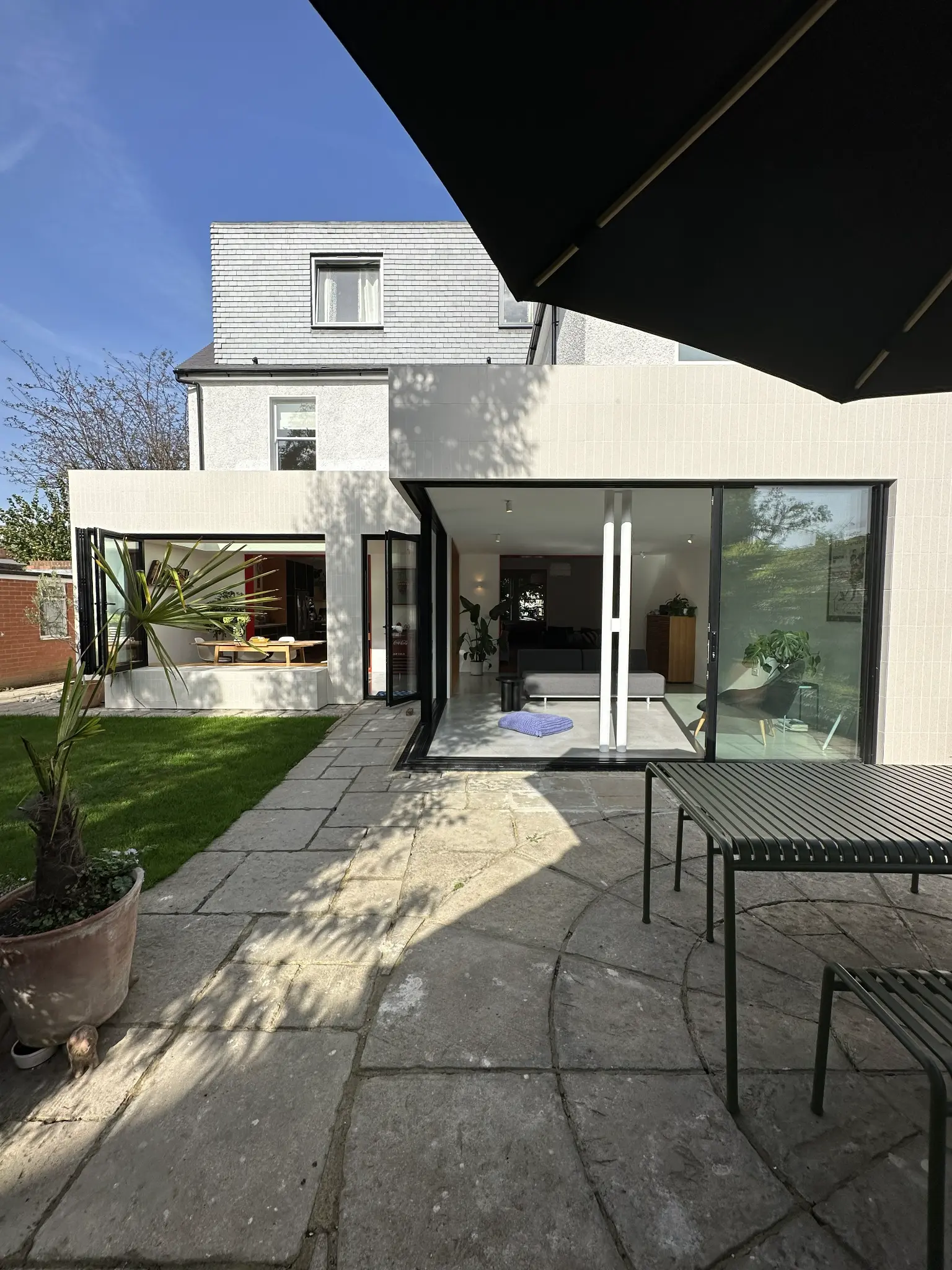
UK Building Regulations for Glazing
In England, Part L of the Building Regulations sets out the requirements for the conservation of fuel and power. These regulations are periodically updated to drive higher standards of energy efficiency. The latest update, Part L 2022, introduced more stringent U-value targets.
Key Requirements for Glazing (Part L 2022, England):
- New Build Homes and Extensions: Windows and doors must achieve a maximum U-value of 1.2 W/m²K.
- Replacement Windows and Doors: Existing homes replacing windows and doors must achieve a maximum U-value of 1.4 W/m²K. Alternatively, they can achieve a Window Energy Rating (WER) of Band B or higher.
It is crucial that any new or replacement glazing installed in your home complies with these current Building Regulations. Failure to comply could affect the legality of your installation and may cause issues when selling your property. Always ensure your installer is FENSA or CERTASS registered, as they can self-certify compliance, saving you the need to involve local Building Control directly.
Other Building Fabric U-Values (for context):
To put glazing U-values into perspective, here are the current Part L 2022 requirements for other building elements in new builds and extensions:
- Walls: 0.18 W/m²K
- Floors: 0.18 W/m²K
- Roofs: 0.15 W/m²K
- Party Walls: 0.0 W/m²K
While glazing U-values are generally higher than those for opaque elements due to the inherent properties of glass, continuous advancements are narrowing this gap.
Types of Energy-Efficient Glazing
Modern glazing technology offers several options to enhance energy performance:
1. Double Glazing
The standard for most UK homes, double glazing consists of two panes of glass separated by a sealed gap, typically 6mm to 20mm wide. This gap is usually filled with air or, for better performance, an inert gas like Argon.
- Advantages: Significant improvement over single glazing, good balance of cost and performance, widely available.
- Considerations: Performance varies greatly depending on gas fill, spacer type, and coatings.
2. Triple Glazing
Featuring three panes of glass with two sealed gaps, triple glazing offers superior thermal insulation. Both gaps are typically filled with inert gas.
- Advantages: Excellent thermal performance (lower U-values), enhanced sound insulation, increased security. Often exceeds current Building Regulations.
- Considerations: Higher initial cost, heavier units requiring stronger frames and possibly different hardware, can reduce solar gain slightly.
3. Low-Emissivity (Low-E) Coatings
A microscopic, metallic coating applied to one of the glass surfaces (usually within the sealed unit). This coating reflects heat back into the room while allowing natural light to pass through.
- Advantages: Dramatically improves U-values without significantly impacting light transmission, a standard feature in most modern energy-efficient glazing.
- Considerations: The quality and placement of the coating are crucial for optimal performance.
4. Warm Edge Spacers
The spacer bar separates the panes of glass in a sealed unit. Traditional aluminium spacers conduct heat, creating a 'cold bridge' at the edge of the glass. Warm edge spacers are made from low-conductivity materials (e.g., composite plastic or foam) to reduce heat transfer at the edges.
- Advantages: Improves the overall U-value of the window, reduces condensation build-up at the edge of the glass.
- Considerations: A small but important detail that contributes to overall performance.
5. Inert Gas Fills (Argon, Krypton, Xenon)
Filling the gap between glass panes with an inert gas like Argon, Krypton, or Xenon (rather than air) further reduces heat transfer. These gases are denser and less conductive than air.
- Argon: Most common and cost-effective, offers significant U-value improvement.
- Krypton: Denser than Argon, offers even better performance in narrower gaps, but more expensive.
- Xenon: Rarest and most expensive, used for extremely high-performance applications or very thin units.
.jpg)
Choosing the Right Frames and Installation
The glass is only one part of the window's energy performance equation; the frame and the quality of installation are equally critical.
Frame Materials and Their Thermal Properties:
Different frame materials offer varying levels of insulation:
- uPVC (Unplasticised Polyvinyl Chloride): Highly popular due to its excellent thermal properties, low maintenance, and cost-effectiveness. Modern uPVC frames often feature multiple chambers and steel reinforcement for strength and insulation.
- Timber: Naturally insulating and aesthetically pleasing, especially for traditional or conservation properties. Requires more maintenance than uPVC and can be more expensive.
- Aluminium: Historically a poor insulator, but modern aluminium frames incorporate 'thermal breaks' – non-conductive barriers that prevent heat transfer through the metal. Offers slim sightlines and durability, often used in contemporary designs.
- Composite (e.g., Timber-Aluminium): Combines the best of both worlds – the warmth of timber internally with the durability and low maintenance of aluminium externally. Typically a premium option.
The Importance of Professional Installation:
Even the most energy-efficient window will underperform if poorly installed. Gaps around the frame, inadequate sealing, or incorrect fitting can lead to significant draughts and heat loss, negating the benefits of advanced glazing. A professional, certified installer will ensure:
- Accurate measurements and a snug fit.
- Proper sealing and insulation around the frame.
- Compliance with Building Regulations.
- A guarantee for both the product and the installation.
Benefits of Upgrading to Energy-Efficient Glazing
Reduced Energy Bills
By minimising heat loss, energy-efficient glazing significantly lowers your heating demand, leading to noticeable savings on your utility bills.
Enhanced Home Comfort
Eliminates cold spots and draughts, creating a more consistent and comfortable indoor temperature throughout your home, even near windows.
Reduced Condensation
Warmer inner pane temperatures reduce the likelihood of condensation forming on the inside of your windows, helping to prevent mould and damp issues.
Lower Carbon Footprint
Burning less fuel for heating means your home contributes less to carbon emissions, supporting environmental sustainability efforts.
Comparison of Glazing Options
Here's a simplified comparison of common glazing types and their typical U-values:
| Glazing Type | Typical U-value (W/m²K) | Key Features | Considerations |
|---|---|---|---|
| Single Glazing | ~5.0 | One pane of glass | Very poor insulation, high heat loss, high condensation |
| Standard Double Glazing (Air-filled) | ~2.8 - 3.2 | Two panes, air gap | Basic improvement, often below current regulations |
| Modern Double Glazing (Argon, Low-E, Warm Edge) | ~1.2 - 1.4 | Two panes, Argon, Low-E coating, warm edge spacer | Meets or exceeds current UK Building Regulations |
| Triple Glazing (Argon, Low-E, Warm Edge) | ~0.8 - 1.0 | Three panes, two Argon gaps, Low-E, warm edge spacers | Excellent insulation, superior soundproofing, higher cost |
Note: These U-values are indicative and can vary based on specific glass types, coatings, frame materials, and manufacturing processes. Always check the specific U-value for the product you are considering.
Maintenance and Longevity
To ensure your energy-efficient glazing continues to perform optimally for years to come, some basic maintenance is advisable:
- Regular Cleaning: Keep glass and frames clean to maintain aesthetics and prevent build-up that could affect seals.
- Check Seals: Periodically inspect the seals around the glass and between the frame and the wall. Deteriorated seals can lead to draughts and moisture ingress.
- Hardware Maintenance: Lubricate hinges and locks as recommended by the manufacturer to ensure smooth operation and a tight seal when closed.
- Ventilation: While modern windows are designed to be airtight, ensuring adequate ventilation in your home is still important to manage humidity and prevent condensation, especially in kitchens and bathrooms.
The lifespan of modern, high-quality double and triple glazing units can be 20-30 years or more, provided they are well-maintained and correctly installed. Frame materials also have varying lifespans, with uPVC and aluminium generally offering excellent durability.
Conclusion
Investing in energy-efficient glazing is one of the most impactful home improvements you can make in the UK. It's not just about reducing your energy bills; it's about creating a more comfortable, quieter, and healthier living environment while contributing to a greener future. By understanding U-values, WERs, and the various technologies available, you can make an informed decision that will benefit your home for decades.
For expert advice and a range of high-performance glazing solutions that meet and exceed current UK Building Regulations, consider consulting with specialists like Shard AG. Our team can guide you through the options, ensuring you select the perfect glazing to enhance your home's energy efficiency and aesthetic appeal.
Explore Our Products
Discover how Shard Architectural Glazing can transform your home with our premium glazing solutions:
Ready to Transform Your Home?
Get in touch with our expert team for a free consultation and personalised quote. We'll help you choose the perfect glazing solution for your property.