

Maximising Space: The UK Homeowner's Guide to Glass Doors
Discover how glass doors can transform your UK home, creating an illusion of space, enhancing natural light, and offering practical design solutions for modern living.

Shard Architectural Glazing
12 January 2026
Discover how glass doors can transform your UK home, creating an illusion of space, enhancing natural light, and offering practical design solutions for modern living.
📋In This Article
In the often-compact world of UK homes, every square metre counts. Homeowners are constantly seeking innovative ways to make their living spaces feel larger, brighter, and more functional. One highly effective, yet sometimes overlooked, solution is the strategic use of glass doors. Far beyond their aesthetic appeal, glass doors offer a multitude of practical benefits, from enhancing natural light to creating a seamless flow between rooms, ultimately helping to maximise the perceived and actual space within your property.
This comprehensive guide will delve into the various types of glass doors suitable for UK homes, their benefits, technical considerations, and how they interact with crucial Building Regulations. We'll provide expert insights to help you make informed decisions, ensuring your investment not only looks stunning but also performs exceptionally.
The Power of Transparency: Why Glass Doors Maximise Space
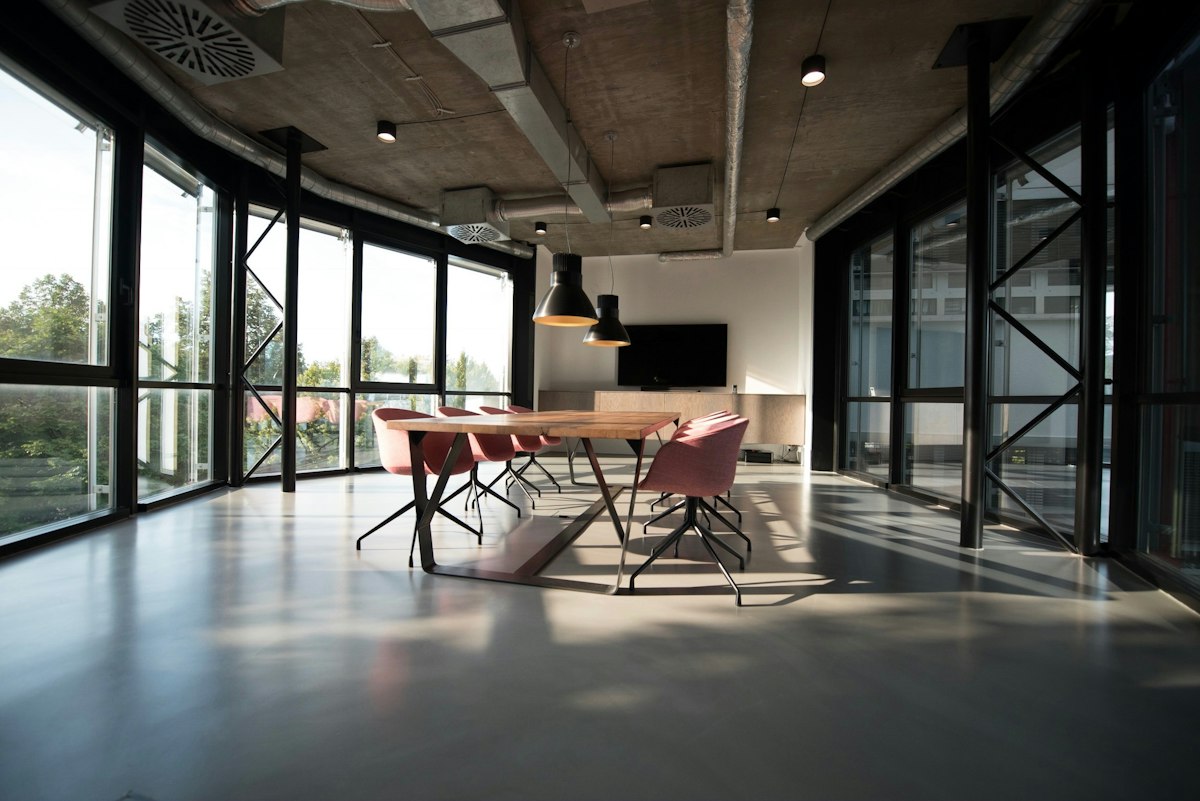
The primary advantage of glass doors in space maximisation lies in their inherent transparency. Unlike solid doors, which create visual barriers and can make rooms feel enclosed, glass doors allow light to pass through, blurring the lines between spaces. This visual continuity is key to making an area feel larger and more open.
Enhancing Natural Light
Natural light is a powerful tool for interior design. Rooms flooded with daylight appear more expansive, inviting, and vibrant. Glass doors facilitate the movement of light from one area to another, reducing the need for artificial lighting during the day and creating a brighter, more uplifting environment. This is particularly beneficial in properties with limited external windows or in north-facing rooms.
Creating Visual Flow and Connectivity
By allowing sightlines to extend beyond the immediate room, glass doors foster a sense of connection between different areas of your home. A kitchen can feel more integrated with a dining area, or a living room can seamlessly transition into a conservatory or garden. This visual flow prevents rooms from feeling isolated and contributes to an overall impression of spaciousness.
Versatility in Design and Function
Modern glass door systems are incredibly versatile, offering solutions for almost any architectural style or functional requirement. From internal room dividers to external patio doors, the options are extensive, each designed to address specific space-saving or aesthetic goals.
Increased Natural Light
Brightens interiors, reduces reliance on artificial lighting, and creates a more inviting atmosphere.
Enhanced Visual Space
Removes visual barriers, making rooms appear larger and more open by allowing sightlines to extend.
Improved Home Flow
Connects different living areas seamlessly, promoting a sense of unity and accessibility throughout the property.
Modern Aesthetic Appeal
Offers a sleek, contemporary look that complements various interior designs and adds property value.
Types of Glass Doors for UK Homes
The choice of glass door will depend heavily on its intended location (internal or external), the available space, and the desired aesthetic. Here are some popular options:
Internal Glass Doors
- Hinged Glass Doors: Standard doors, but with a full or partial glass panel. They offer good sound insulation and privacy when closed, while still allowing light transfer.
- Sliding Glass Doors (Pocket Doors): These are excellent space-savers as they slide into a cavity within the wall, disappearing completely when open. Ideal for en-suites, utility rooms, or connecting two living areas without encroaching on floor space.
- Folding Glass Doors (Bi-fold Internal): Less common internally than externally, but can be used to divide larger open-plan spaces, offering flexibility to open up or close off areas as needed.
- French Doors (Internal): Two hinged doors that open in the middle, often used to connect a living room to a dining room, providing an elegant and expansive opening.
External Glass Doors
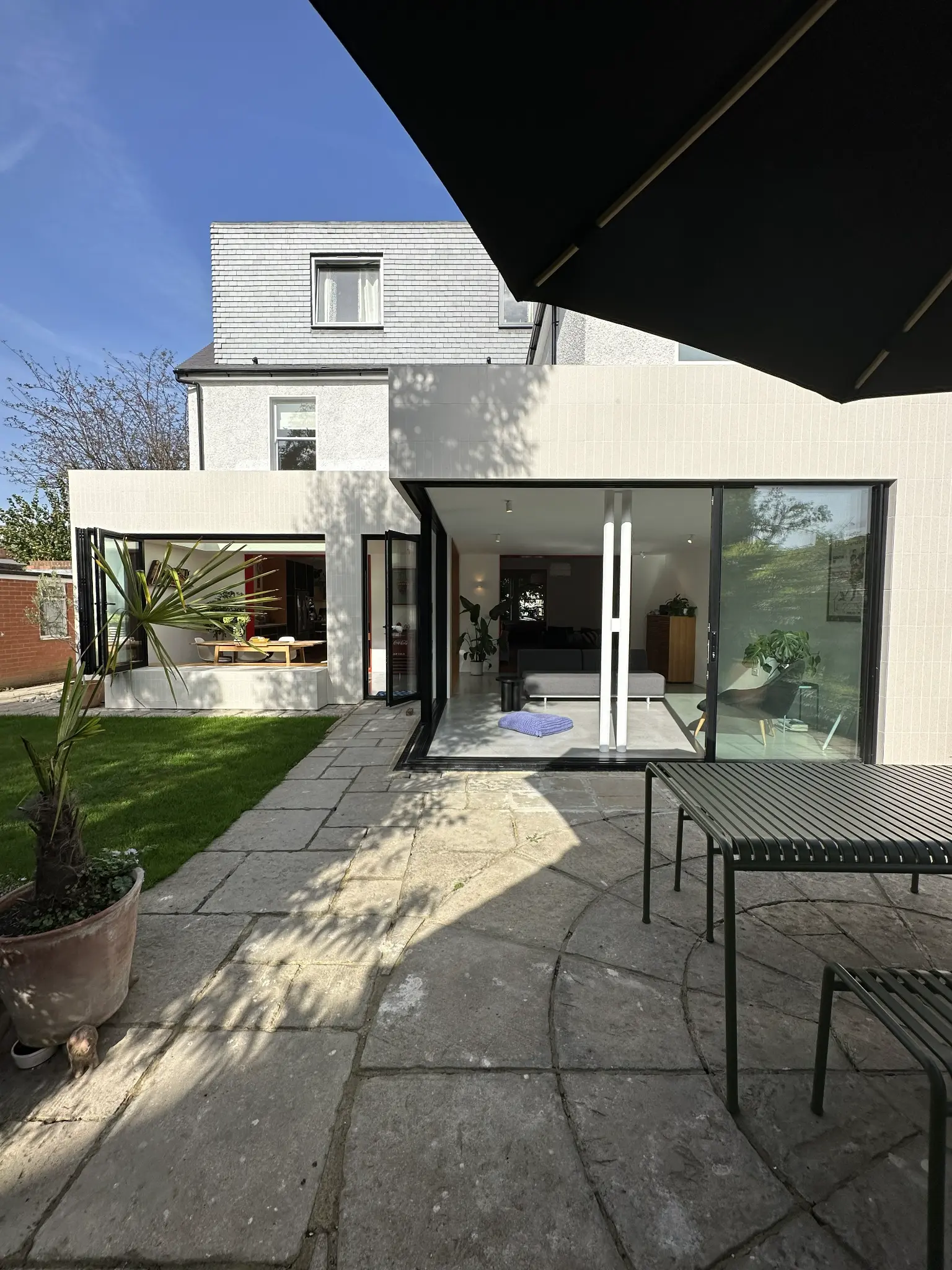
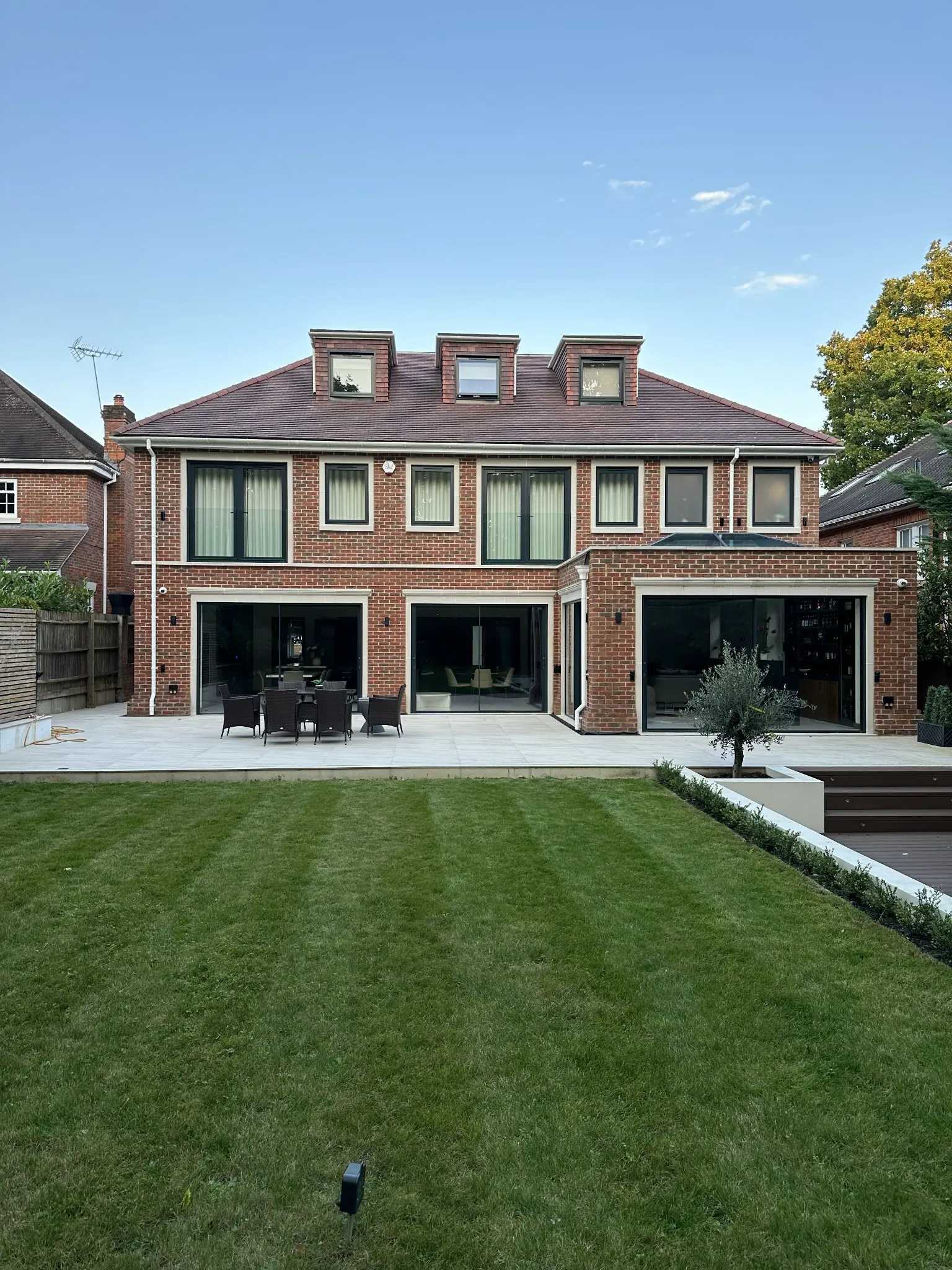
- Sliding Patio Doors: Consisting of two or more panels, one or more of which slide horizontally. They offer large glazed areas and don't require space to swing open, making them ideal for smaller patios or balconies.
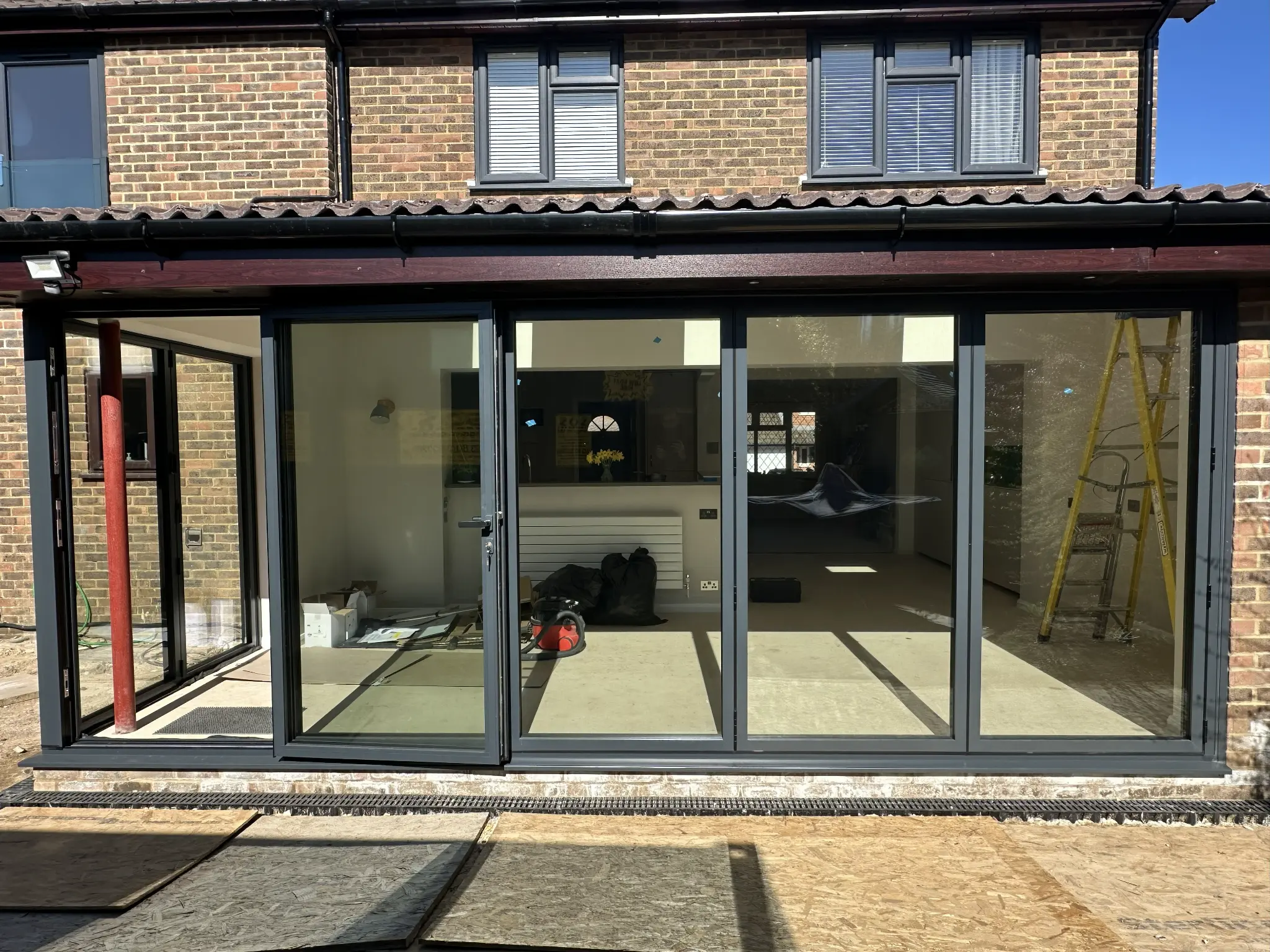
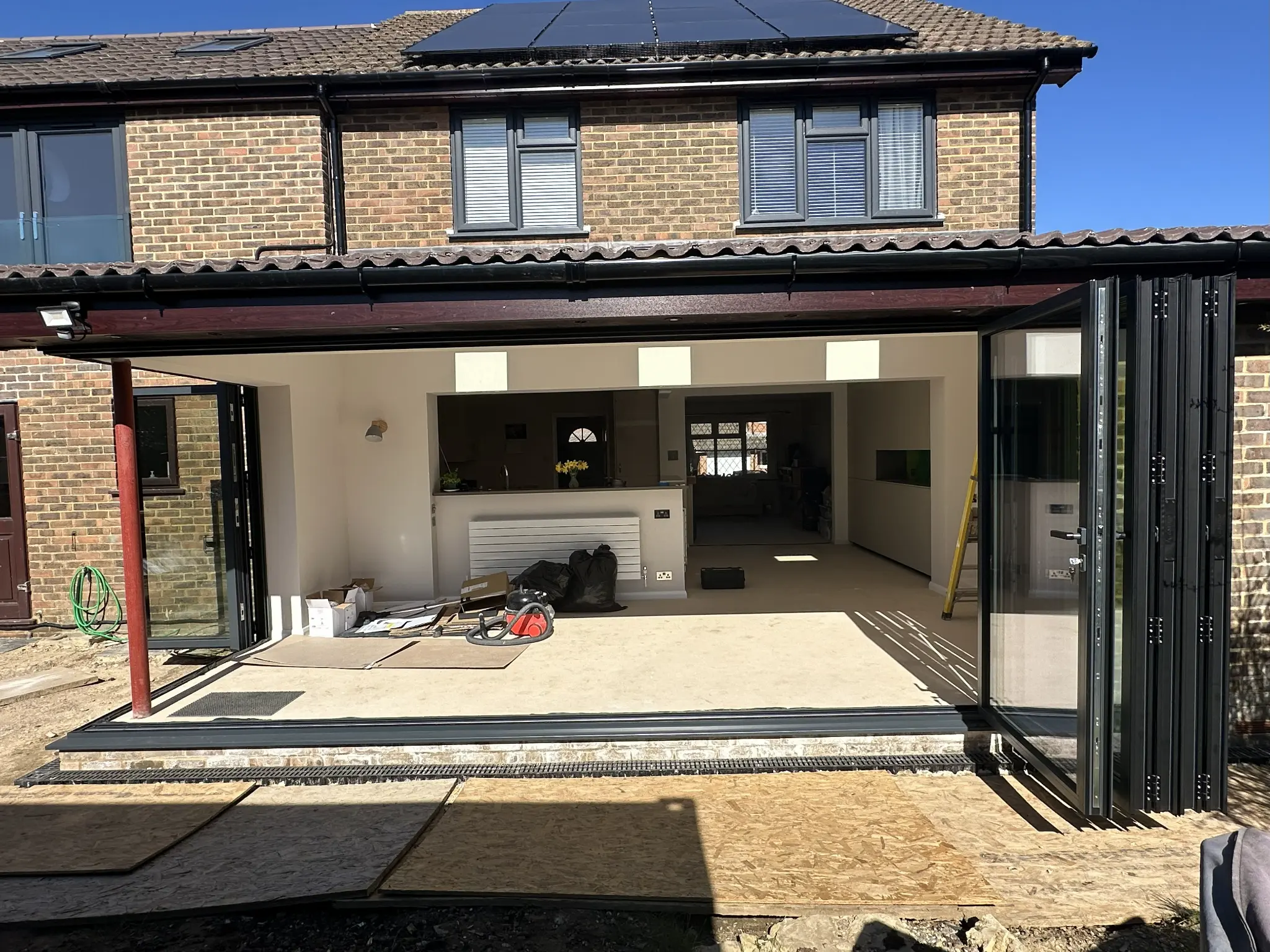
- Bi-fold Doors: These doors fold back in a concertina style, creating a wide, unobstructed opening that truly merges indoor and outdoor spaces. They are incredibly popular for extensions and garden rooms.
- French Doors (External): Similar to their internal counterparts, these provide a classic, elegant opening to a garden or patio. They typically open outwards to maximise internal space.
- Lift and Slide Doors: A premium version of sliding doors, where the panels lift slightly before sliding, allowing for larger, heavier panes of glass and superior thermal performance and security.
Pro Tip
When selecting external glass doors, always prioritise security and thermal performance. Look for multi-point locking systems, laminated or toughened safety glass, and low U-values to ensure your home remains safe, warm, and compliant with UK Building Regulations.
Technical Considerations and UK Building Regulations
Installing glass doors, especially external ones or those affecting structural elements, requires careful consideration of technical specifications and adherence to UK Building Regulations.
Safety Glazing
Part K of the Building Regulations (Protection from falling, collision and impact) mandates that all glazing in critical locations must be safety glass. This includes:
- Any glazing in a door.
- Glazing adjacent to a door where the pane is wider than 300mm and the bottom edge is within 1500mm of the floor.
- Low-level glazing where the bottom edge is within 800mm of the floor.
Safety glass is typically toughened glass (which shatters into small, relatively harmless pieces) or laminated glass (which holds together when broken). The thickness of the glass will depend on the size of the pane and exposure to wind loads, usually 4mm, 6mm, or 8mm for single panes, or a combination for double/triple glazing.
Thermal Performance (Part L)
For external glass doors, thermal performance is paramount. Part L of the Building Regulations (Conservation of fuel and power) sets strict requirements for the U-value of new and replacement windows and doors.
- For new build properties, the maximum U-value for windows and doors is 1.2 W/m²K.
- For replacement windows and doors in existing dwellings, the maximum U-value is 1.4 W/m²K.
Achieving these values typically requires double or triple glazing with low-emissivity (low-e) coatings, warm edge spacer bars, and inert gas (like argon) filling the cavity. The frame material (uPVC, aluminium, timber, composite) also plays a significant role in overall thermal performance.
Ventilation (Part F)
When replacing windows or doors, Part F of the Building Regulations (Ventilation) often requires that the replacement provides at least the same level of ventilation as the original, or meets current standards for trickle ventilation. This usually means incorporating trickle vents into the door frame or adjacent windows, even if the original didn't have them.
Acoustic Performance
While not explicitly covered by a specific Building Regulation part for domestic noise, acoustic performance is a crucial consideration, especially for external doors or internal doors separating noisy and quiet areas. Laminated glass, thicker glass, and wider air gaps in double glazing can significantly improve sound insulation.
Structural Considerations
For larger external door systems like bi-folds or sliding doors, particularly those replacing a significant portion of a wall, structural calculations may be required. This is to ensure the remaining structure can safely support the loads above the new opening. Always consult with a structural engineer and your local Building Control for such projects.
Frame Materials and Their Impact
The choice of frame material affects aesthetics, thermal performance, durability, and maintenance requirements.
| Material | Pros | Cons | Typical U-value (Frame only) |
|---|---|---|---|
| uPVC | Cost-effective, low maintenance, good thermal performance, various colours. | Less rigid for very large spans, aesthetics can be less premium than other options. | Around 1.2 - 1.4 W/m²K |
| Aluminium | Strong, slim sightlines, contemporary look, durable, low maintenance, ideal for large openings. | Can be more expensive, historically poorer thermal performance (modern systems use thermal breaks). | Around 1.4 - 1.6 W/m²K (with thermal break) |
| Timber | Natural aesthetic, excellent thermal performance, sustainable, can be painted/stained. | Higher maintenance (repainting/varnishing), can be more expensive, prone to swelling/shrinking if not well maintained. | Around 1.0 - 1.3 W/m²K |
| Composite | Combines timber (internal) and aluminium/uPVC (external), best of both worlds, excellent thermal performance, low maintenance exterior. | Highest cost, can be heavier. | Around 0.8 - 1.2 W/m²K |
Design Considerations for Optimal Space
Beyond the technical aspects, thoughtful design is crucial to truly maximise space with glass doors.
Internal Layout and Flow
- Pocket Doors: Consider these for areas where a swinging door would obstruct furniture placement or narrow corridors.
- French Doors: Use them to create a grand entrance between two main living areas, allowing for an open feel when desired, but also the option for separation.
- Frameless Glass Doors: For a truly minimalist and uninterrupted look, internal frameless glass doors can be used, often with patch fittings, to maximise light and visual flow.
External Integration
- Flush Thresholds: For bi-fold and sliding doors, a flush threshold creates a seamless transition between indoor and outdoor spaces, eliminating trip hazards and enhancing the feeling of continuity. Ensure proper drainage is incorporated to prevent water ingress.
- Glazing Bars: While traditional glazing bars can add character, minimising them or opting for slimline frames will maximise the glass area and enhance the feeling of openness.
- Orientation: Consider the sun's path. Large south-facing glass doors can lead to overheating in summer, so consider solar control glazing or external shading solutions.
Privacy and Shading
While transparency is key for space, privacy is also essential. Integrated blinds within the double-glazed unit offer a sleek solution, or consider external shading like awnings or internal options like sheer curtains or roller blinds. For internal glass doors, frosted, reeded, or smart glass (switchable privacy glass) can provide privacy on demand without sacrificing light.
Maintenance and Longevity
To ensure your glass doors continue to perform and look their best, regular maintenance is essential:
- Cleaning: Regular cleaning of glass with a non-abrasive cleaner will keep them sparkling. Frames should be cleaned according to the manufacturer's recommendations.
- Hardware Check: Periodically check hinges, rollers, and locking mechanisms for smooth operation. Lubricate moving parts as advised by the manufacturer.
- Seals and Gaskets: Inspect seals and gaskets for signs of wear or damage, especially on external doors, to maintain thermal performance and weatherproofing.
By carefully considering the type of door, material, and design, alongside adherence to UK Building Regulations, homeowners can successfully leverage glass doors to create more spacious, brighter, and aesthetically pleasing environments. The investment in quality glass doors is an investment in the comfort, functionality, and value of your home.
At Shard AG, we specialise in designing, manufacturing, and installing high-performance architectural glazing solutions for UK homeowners. Our extensive range of bespoke glass doors, including sliding, bi-fold, and French doors, are crafted to the highest standards, ensuring compliance with all relevant UK Building Regulations and offering exceptional thermal efficiency, security, and stunning aesthetics. Contact us today to discuss how we can help transform your home with innovative glass door solutions.
Explore Our Products
Discover how Shard Architectural Glazing can transform your home with our premium glazing solutions:
Ready to Transform Your Home?
Get in touch with our expert team for a free consultation and personalised quote. We'll help you choose the perfect glazing solution for your property.