

Maximising Space with Glass Doors: A UK Homeowner's Guide
Discover how glass doors can transform your UK home by enhancing light, creating an illusion of space, and offering practical design solutions for modern living.

Shard Architectural Glazing
15 March 2026
Discover how glass doors can transform your UK home by enhancing light, creating an illusion of space, and offering practical design solutions for modern living.
📋In This Article
In contemporary UK homes, where space can often be at a premium, innovative design solutions are crucial for creating interiors that feel both expansive and functional. One of the most effective and aesthetically pleasing ways to achieve this is through the strategic use of glass doors. Far more than just an entry point, glass doors can revolutionise how you perceive and utilise your living areas, bringing in light, enhancing views, and offering versatile spatial configurations.
This comprehensive guide will delve into the various types of glass doors suitable for UK homes, exploring their benefits, technical considerations, and how they interact with vital aspects like thermal performance and Building Regulations. Whether you're planning a new extension, a renovation, or simply looking to refresh an existing room, understanding the potential of glass doors is key to unlocking your home's full potential.
The Power of Transparency: Why Glass Doors?
The primary appeal of glass doors lies in their ability to foster an open, airy atmosphere. Unlike traditional solid doors that create visual barriers, glass allows light to flow freely, making rooms appear larger and brighter. This is particularly beneficial in smaller properties or areas that lack natural light, such as internal hallways or north-facing rooms.
Illusion of Space and Light Enhancement
- Visual Continuity: Glass doors maintain visual lines, connecting adjacent spaces rather than dividing them. This creates an illusion of a larger, more cohesive area.
- Natural Light Maximisation: They allow natural daylight to penetrate deeper into your home, reducing the need for artificial lighting during the day and potentially lowering energy bills.
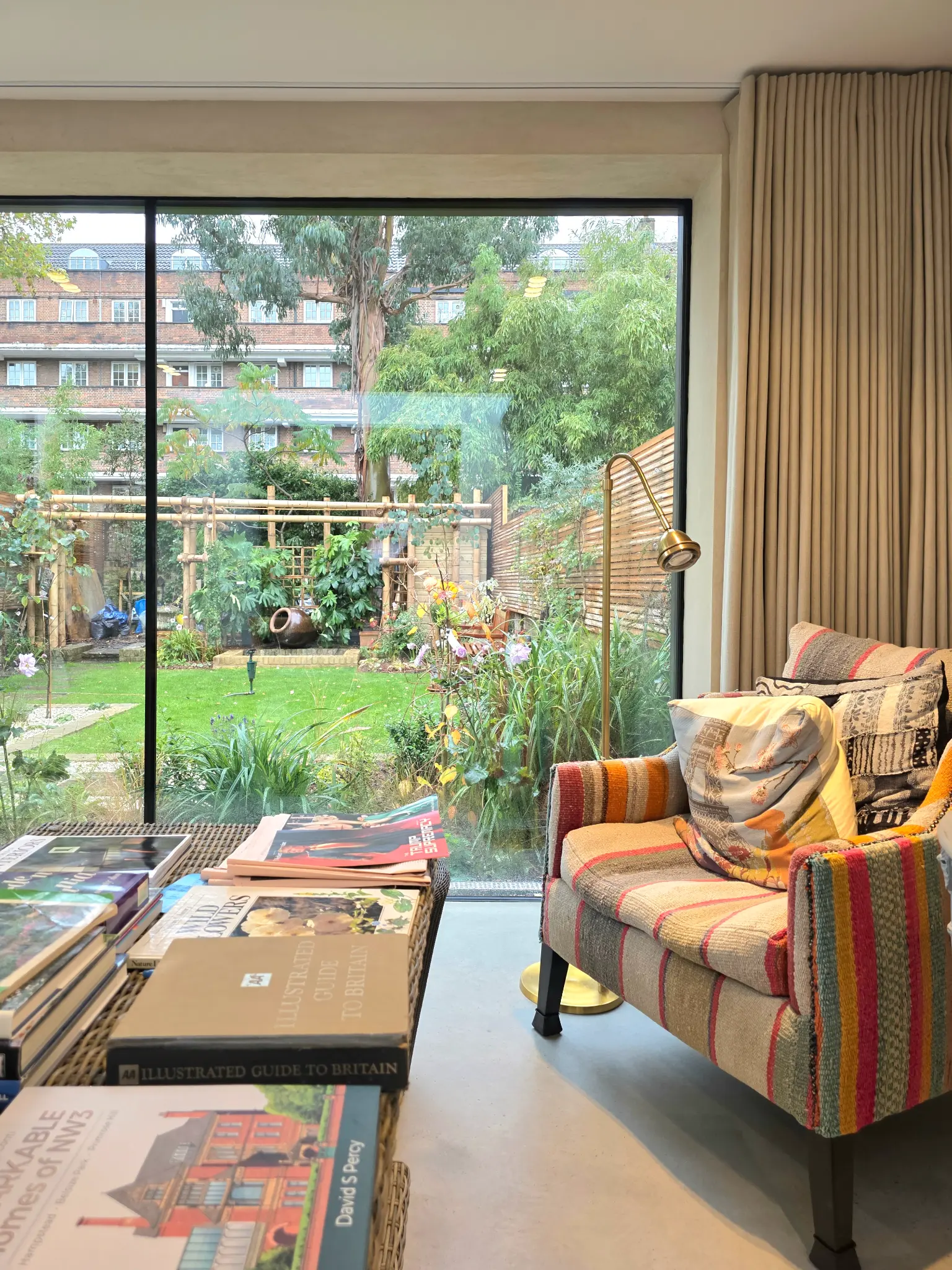
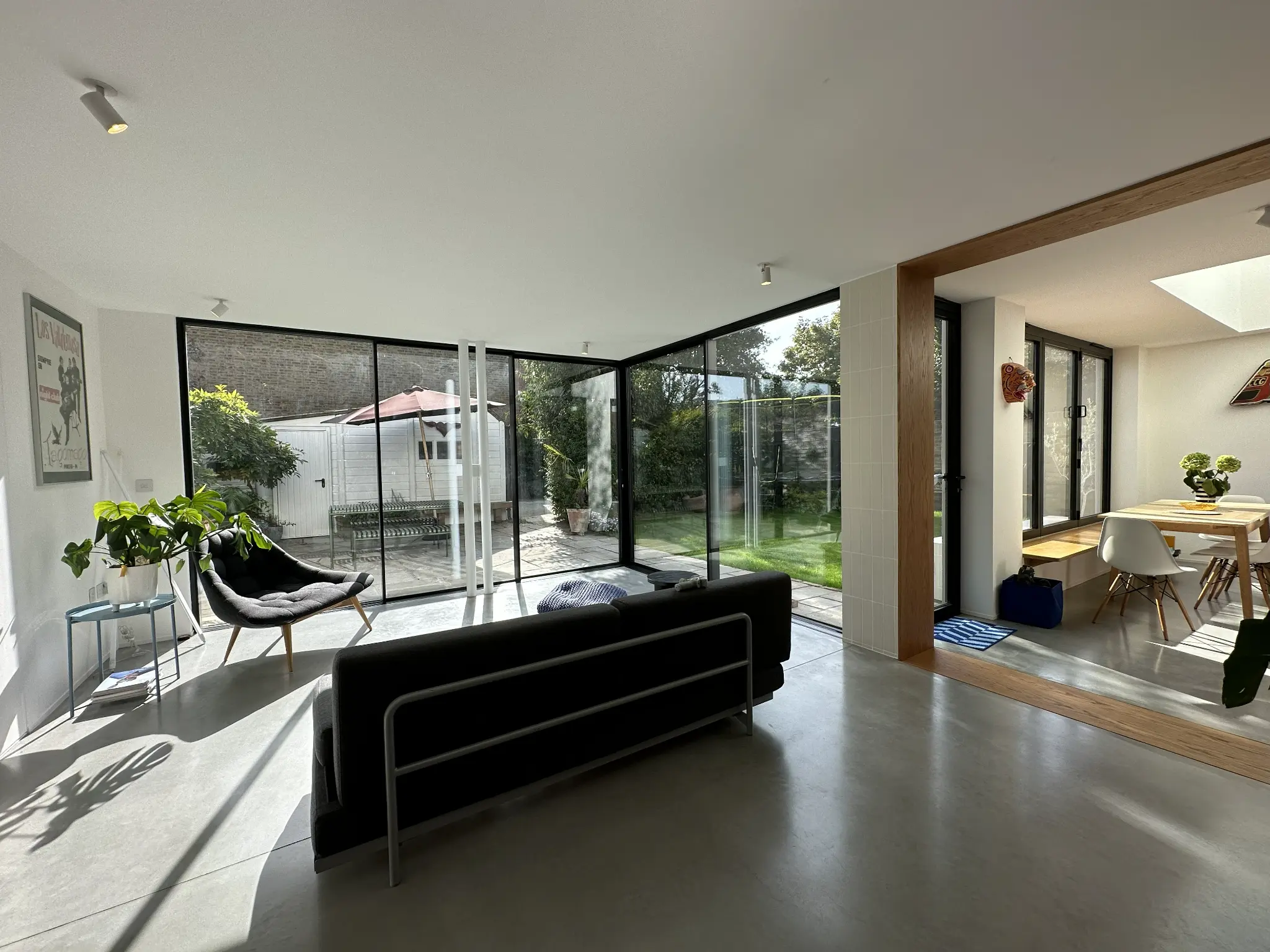
- Connection to Outdoors: For external applications, large glass doors like bi-folds or sliding doors seamlessly merge indoor and outdoor living spaces, offering uninterrupted views of gardens or patios.
Practical Benefits Beyond Aesthetics
- Versatility: Available in numerous styles and configurations, glass doors can suit almost any architectural design, from period properties to ultra-modern homes.
- Noise Reduction: With the right glazing specification (e.g., laminated or acoustic glass), glass doors can offer excellent sound insulation, ideal for busy households or homes near noisy areas.
- Thermal Performance: Modern double or triple glazing, combined with thermally broken frames, ensures that glass doors contribute positively to your home's energy efficiency.
Pro Tip
When selecting glass doors, always consider the orientation of the room. South-facing rooms might benefit from solar control glass to prevent overheating, while north-facing rooms will appreciate high light transmission glass to maximise brightness.
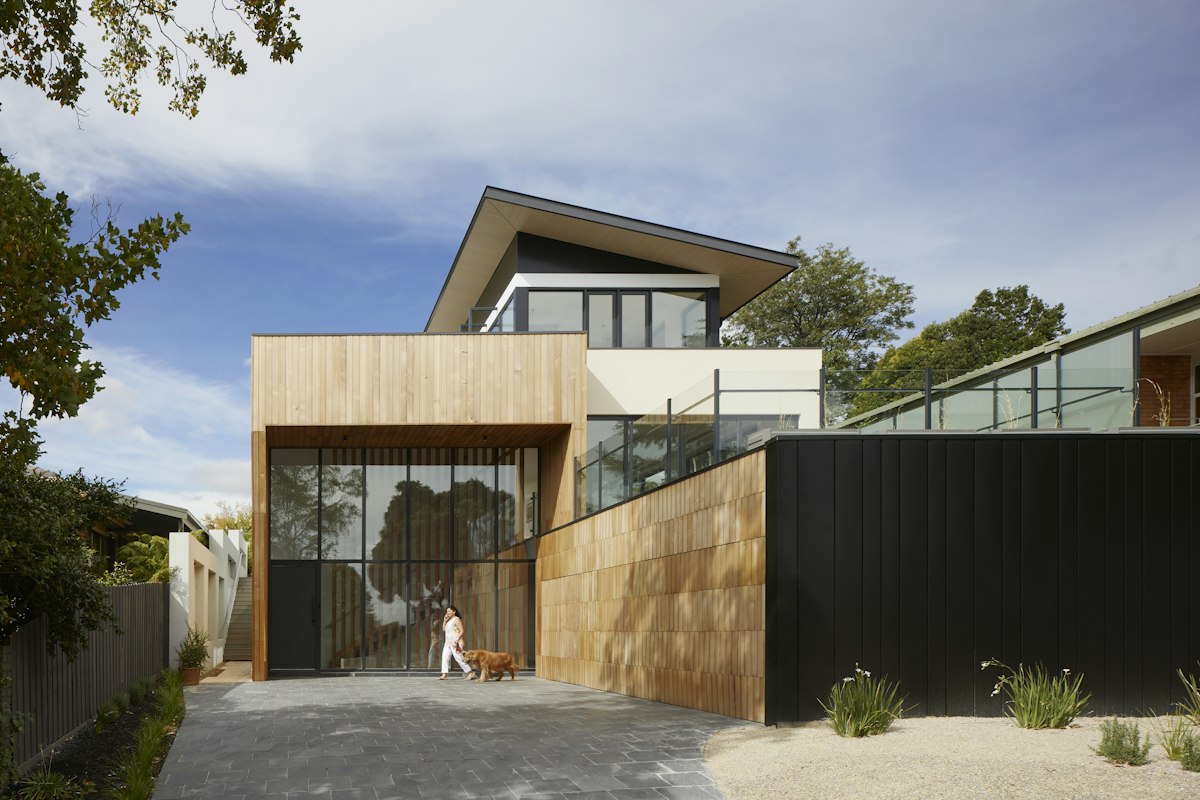
Types of Glass Doors for Space-Saving
The market offers a diverse range of glass door types, each with unique characteristics that can help optimise space and light in different scenarios.
Sliding Glass Doors
Mechanism: These doors operate by sliding horizontally along a track, either parallel to a wall or into a pocket within the wall itself (pocket doors). They do not require a swing arc, making them ideal for areas where floor space is limited.
- Advantages: Excellent for maximising floor space, provide wide openings, and offer sleek, modern aesthetics. Pocket doors are particularly discreet.
- Considerations: Require sufficient wall space for the door to slide open. Pocket doors involve more complex installation.
- Applications: Internal room dividers, external patio doors, wardrobe doors, en-suite bathrooms.
Bi-Fold Glass Doors
Mechanism: Bi-fold doors consist of multiple panels that fold back on themselves in a concertina style, stacking neatly to one or both sides of the opening.
- Advantages: Can open up almost the entire width of an aperture, creating a truly expansive connection between indoor and outdoor spaces.
- Considerations: Require space for the folded panels to stack. The track system needs to be robust and well-maintained.
- Applications: External patio doors, large internal room dividers between living areas and conservatories.
French Doors
Mechanism: A pair of hinged doors, typically with large glass panes, that open outwards or inwards from a central point.
- Advantages: Classic aesthetic, provide a wider opening than a single hinged door, good for ventilation.
- Considerations: Require a significant swing arc, which can impact furniture placement or external patio space.
- Applications: External doors to gardens, internal doors between reception rooms.
Hinged Glass Doors (Single or Double)
Mechanism: Traditional doors that pivot on hinges attached to the door frame.
- Advantages: Simple mechanism, good security, wide range of styles.
- Considerations: Require clear space for the door to open.
- Applications: Internal room doors, external entrance doors (when combined with appropriate security features).
Pivot Doors
Mechanism: Instead of hinges on the side frame, pivot doors rotate on a vertical axis, typically offset from the frame, creating a dramatic opening effect.
- Advantages: Striking contemporary aesthetic, can accommodate very large and heavy door panels, unique opening motion.
- Considerations: Require significant clear space on both sides for the pivot arc. More complex installation.
- Applications: Grand entrance doors, statement internal dividers.
Technical Considerations and UK Building Regulations
When incorporating glass doors into your UK home, particularly for external applications or structural alterations, it's vital to consider technical specifications and adherence to Building Regulations.
Thermal Performance and U-Values
The U-value measures how effectively a component (like a door) prevents heat from escaping. A lower U-value indicates better insulation. For external glass doors in England, the current Building Regulations Part L (2022) specify:
- New Build Homes: Windows and doors must achieve a U-value of 1.2 W/m²K or better.
- Replacement Doors: Doors must achieve a U-value of 1.4 W/m²K or better.
To meet these standards, modern glass doors typically employ:
- Double or Triple Glazing: Multiple panes of glass with inert gas (like argon) filled cavities.
- Low-Emissivity (Low-E) Coatings: Microscopic metallic coatings that reflect heat back into the room.
- Thermally Broken Frames: Frames (often aluminium or composite) that incorporate a non-conductive barrier to prevent heat transfer.
Safety Glazing
All glass in doors, and in critical locations (e.g., within 800mm of floor level in a door or side panel), must be safety glass to comply with Building Regulations Part K (Protection from Falling, Collision and Impact). This typically means using:
- Toughened Glass: Shatters into small, relatively harmless pieces upon impact.
- Laminated Glass: Consists of two or more panes bonded together with a plastic interlayer, which holds the glass together if it breaks.
Security
For external glass doors, security is paramount. Look for doors that meet or exceed the requirements of PAS 24:2016, a UK standard for enhanced security performance. Key features include:
- Multi-point locking systems
- Anti-snap, anti-drill, anti-pick cylinders
- Internal glazing beads (to prevent glass removal from outside)
- Reinforced frames
Building Control Approval
Any structural alteration, new opening, or change to the thermal envelope of your home (e.g., installing new external doors) typically requires Building Control approval. It is advisable to consult with your local authority's Building Control department or a qualified professional before commencing work to ensure compliance.
Materials and Finishes
The choice of frame material significantly impacts the door's appearance, performance, and maintenance requirements.
| Material | Pros | Cons | Typical U-Value (Frame Only) |
|---|---|---|---|
| Aluminium | Strong, slim sightlines, low maintenance, durable, wide colour range, excellent for large spans. | Can be more expensive than uPVC, requires thermal breaks for good insulation. | 1.0 - 1.6 W/m²K (with thermal break) |
| uPVC | Cost-effective, good thermal performance, low maintenance, good sound insulation. | Thicker frames, limited colour options (though improving), can be less rigid for very large openings. | 1.0 - 1.4 W/m²K |
| Timber | Natural aesthetic, good insulator, can be stained or painted, renewable resource. | Requires regular maintenance (painting/staining), can be prone to warping if not properly treated. | 0.8 - 1.2 W/m²K |
| Composite | Combines materials (e.g., timber core with GRP skin), excellent thermal and security performance, low maintenance. | Higher cost, can be heavier. | 0.9 - 1.4 W/m²K |
Designing for Maximum Impact
Beyond the technical aspects, thoughtful design is crucial to leverage glass doors for space maximisation effectively.
Consider the Flow and Function
- Traffic Patterns: How will people move through the space? Sliding or pocket doors are excellent for high-traffic areas where a swinging door would be an obstruction.
- Furniture Placement: Plan your furniture layout in conjunction with door openings to ensure they don't clash or block access.
- Privacy Needs: While glass offers openness, consider privacy. Frosted, reeded, or switchable smart glass can provide privacy when needed without sacrificing light entirely. Blinds or integrated Venetian blinds are also options.
Frame Colour and Sightlines
- Slim Sightlines: Opt for frames with minimal visible profiles (common with aluminium) to maximise the glass area and maintain an uninterrupted view.
- Colour Choice: Darker frames (e.g., anthracite grey, black) can create a contemporary, defined look, while lighter frames (e.g., white, light grey) can blend seamlessly with walls for a softer aesthetic.
Integration with Interior Design
Glass doors should complement your home's overall design scheme. For a minimalist look, frameless glass doors or those with very slender frames are ideal. For a more industrial feel, consider black steel-look frames. In period properties, timber-framed French doors or sliding sash windows adapted into doors can maintain character.
Benefits of Maximising Space with Glass Doors
Enhanced Property Value
Homes that feel spacious, bright, and well-connected to outdoor areas are highly desirable, potentially increasing market value.
Improved Wellbeing
Increased natural light and a connection to the outdoors have proven benefits for mood, productivity, and overall mental health.
Greater Design Flexibility
The versatility of glass doors allows for dynamic spaces that can be open and communal or private and secluded, adapting to your lifestyle needs.
Energy Efficiency
Modern, thermally efficient glass doors reduce heat loss, contributing to lower heating bills and a more comfortable internal environment.
Maximising space with glass doors is a sophisticated and highly effective strategy for UK homeowners. By carefully considering the type of door, its technical specifications, and how it integrates with your home's design and Building Regulations, you can create a living environment that is not only beautiful and bright but also highly functional and energy-efficient. The investment in quality glass doors pays dividends in comfort, aesthetics, and potentially, property value.
For expert advice on selecting and installing the perfect glass doors for your home, consider consulting with specialists in architectural glazing. They can guide you through the options, ensure compliance with all relevant UK standards, and help bring your vision of a more spacious and luminous home to life.
Explore Our Products
Discover how Shard Architectural Glazing can transform your home with our premium glazing solutions:
Ready to Transform Your Home?
Get in touch with our expert team for a free consultation and personalised quote. We'll help you choose the perfect glazing solution for your property.