

Minimal Frame Glazing: Maximising Views & Performance
Discover minimal frame glazing for UK homes. Learn about design, benefits, technical aspects, Building Regulations compliance, and installation considerations.

Shard Architectural Glazing
9 February 2026
Discover minimal frame glazing for UK homes. Learn about design, benefits, technical aspects, Building Regulations compliance, and installation considerations.
📋In This Article
In the evolving landscape of architectural design, minimal frame glazing has emerged as a highly sought-after solution for homeowners seeking to maximise natural light, enhance views, and create a seamless connection between indoor and outdoor spaces. This advanced glazing technology prioritises glass over visible frame, offering a sleek, contemporary aesthetic that can transform any property. But what exactly is minimal frame glazing, and what should UK homeowners consider before investing?
What is Minimal Frame Glazing?
Minimal frame glazing, often referred to as slimline, frameless, or ultra-slim glazing, is an architectural system designed to reduce the visible profile of window and door frames to an absolute minimum. Unlike traditional windows where the frame is a prominent feature, minimal frame systems conceal most of the structural elements within the building's fabric or reduce them to just a few millimetres. The primary objective is to create an uninterrupted expanse of glass, allowing for maximum light penetration and expansive, panoramic views.
Key Characteristics:
- Ultra-Slim Sightlines: Frame profiles can be as narrow as 18-25mm for sliding doors, and even less for fixed panels, creating an almost 'frameless' appearance.
- Large Glass Panels: These systems are engineered to accommodate significantly larger glass panels than conventional windows and doors, often reaching heights of 3-4 metres or more.
- Concealed Mechanisms: Tracks and operating mechanisms for sliding or pivot doors are typically recessed into the floor, ceiling, and walls, further contributing to the minimalist aesthetic.
- High-Performance Glazing: To compensate for the reduced frame, the glass itself is often highly engineered, incorporating multiple panes, low-emissivity coatings, and argon or krypton gas fills to achieve excellent thermal performance.
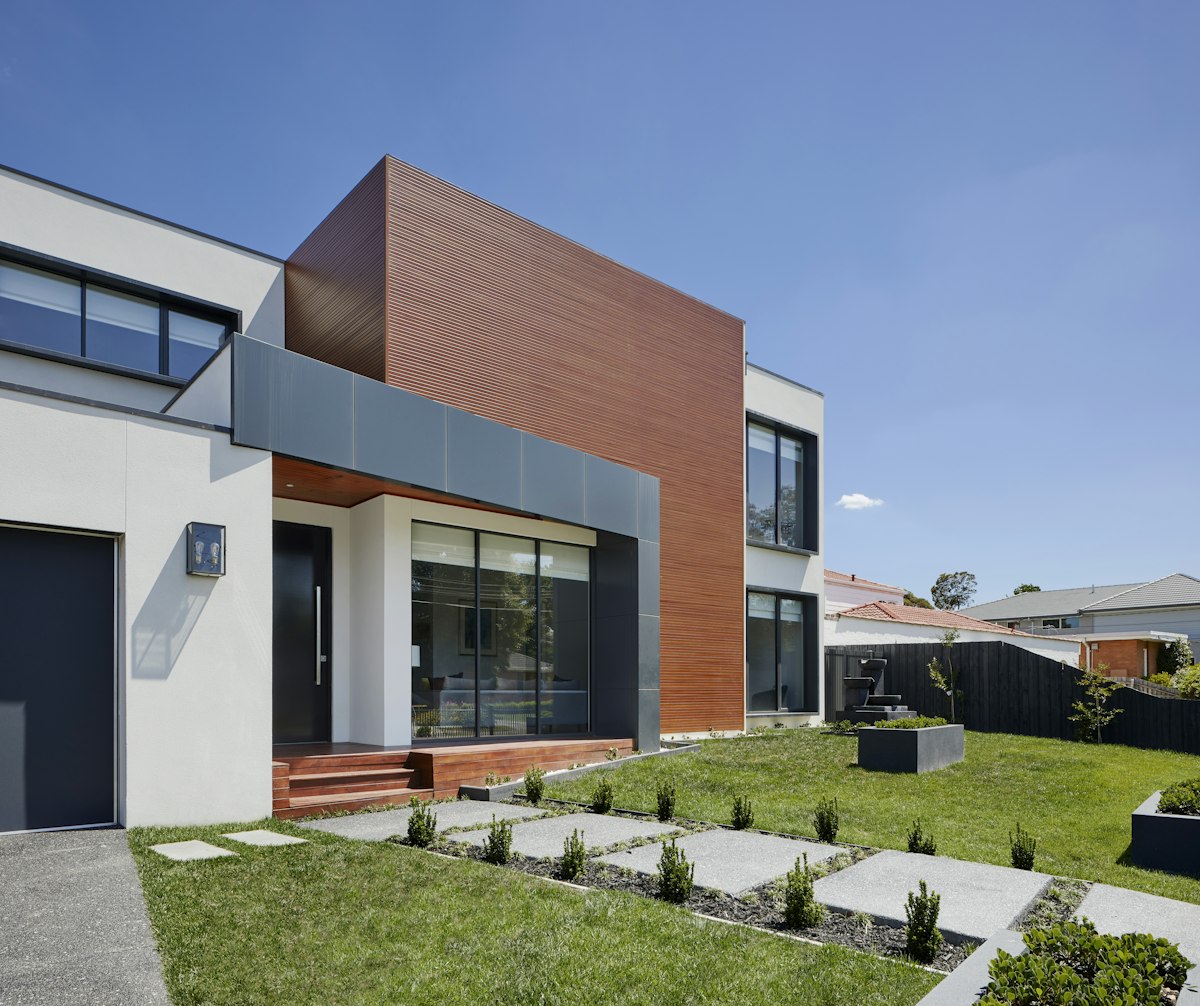
Benefits of Minimal Frame Systems for UK Homes
The appeal of minimal frame glazing extends beyond its aesthetic advantages, offering a range of practical and environmental benefits for contemporary UK homes.
Enhanced Natural Light
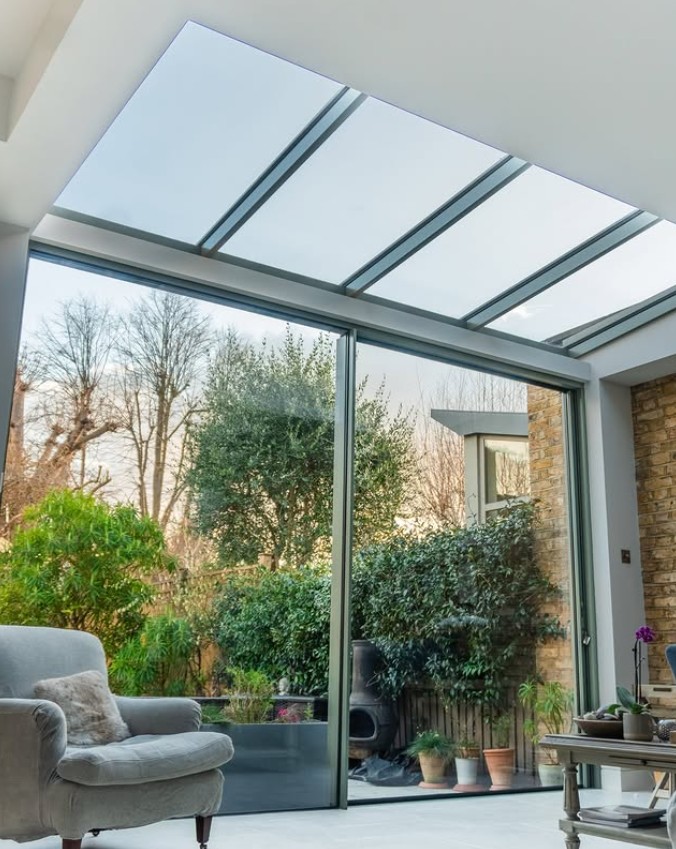
By minimising the frame, more glass area is exposed, allowing a greater volume of natural light to flood interior spaces. This can reduce reliance on artificial lighting, improve mood, and create a brighter, more inviting atmosphere, particularly beneficial during the darker UK winter months.
Uninterrupted Views
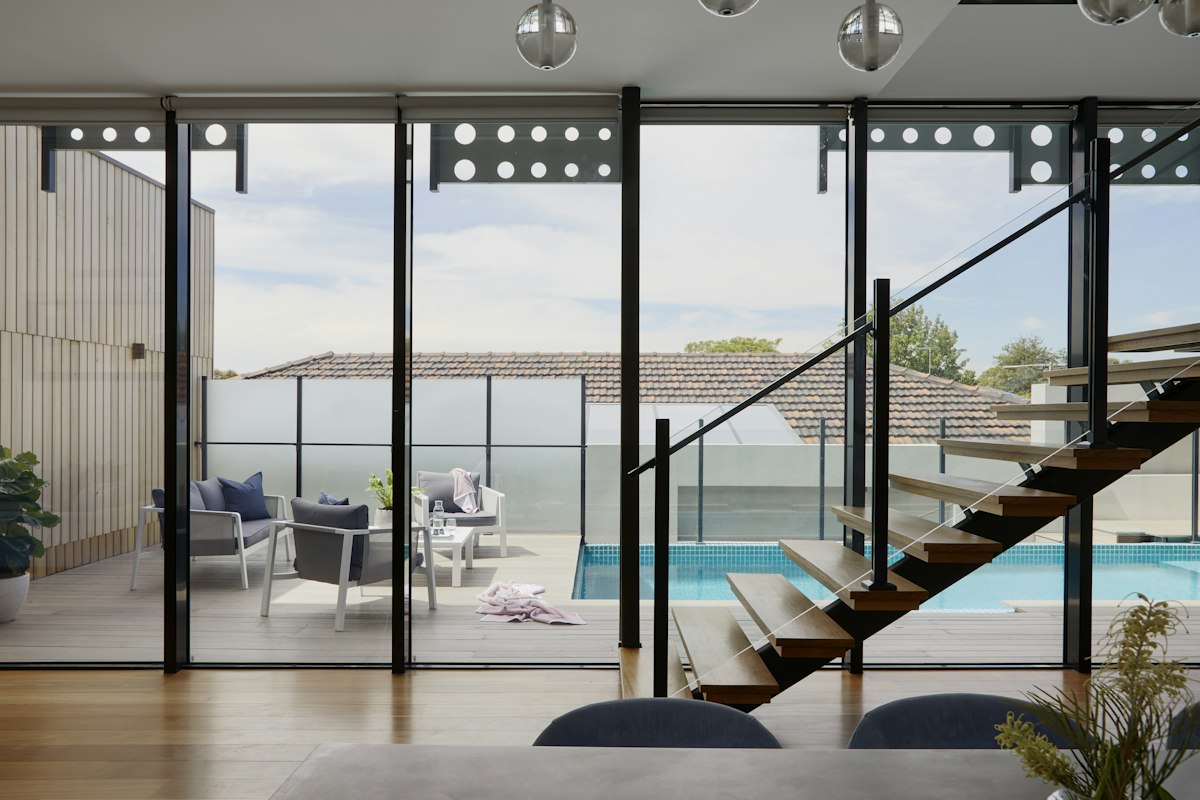
Whether overlooking a garden, cityscape, or natural landscape, minimal frames offer panoramic, unobstructed views, blurring the lines between inside and out. This creates a sense of spaciousness and connection with the surroundings.
Modern Aesthetic
The clean lines and sleek design of minimal frame glazing complement modern architectural styles perfectly. It provides a sophisticated, high-end finish that can significantly increase a property's visual appeal and perceived value.
Improved Thermal Performance
Despite their expansive glass areas, modern minimal frame systems are designed with advanced glazing technology to offer excellent thermal insulation, contributing to energy efficiency and comfortable indoor temperatures year-round.
Technical Considerations and UK Building Regulations
While minimal frame glazing offers significant advantages, it's crucial for UK homeowners to understand the technical requirements and how these systems interact with Building Regulations.
Thermal Performance (Part L)
One of the most critical aspects is thermal performance, governed by Part L (Conservation of Fuel and Power) of the UK Building Regulations. All new and replacement windows and doors must meet specific U-value requirements. A U-value measures how effectively a component prevents heat from escaping; a lower U-value indicates better insulation.
- New Builds: Windows and doors typically require a maximum U-value of 1.2 W/m²K.
- Replacement Windows/Doors: Existing properties undergoing replacement work typically require a maximum U-value of 1.4 W/m²K.
Minimal frame systems achieve these stringent U-values through high-specification glazing units, often comprising triple glazing, warm edge spacers, and inert gas fills (like argon or krypton) between panes. The frame material itself (typically aluminium) is thermally broken to prevent cold bridging.
Structural Integrity and Installation
Due to the large size and weight of the glass panels, structural considerations are paramount. The surrounding building structure must be capable of supporting the load. This often requires:
- Reinforced Lintels and Headers: To support the weight above the opening.
- Strong Foundations: Especially for very large sliding door systems where tracks are recessed into the floor.
- Professional Installation: Installation is a specialised task requiring expert knowledge, precision, and often heavy lifting equipment. Incorrect installation can compromise both performance and safety.
Security (Part Q)
Part Q (Security – Dwellings) of the Building Regulations applies to new dwellings and those undergoing material change of use. It requires that all easily accessible doors and windows meet specific security standards, typically PAS 24:2016. Reputable minimal frame systems will incorporate multi-point locking mechanisms, laminated or toughened glass, and robust frame construction to comply with these standards.
Ventilation (Part F)
Part F (Ventilation) requires adequate ventilation in habitable rooms. While large glazed areas are great for light, they don't inherently provide ventilation. Trickle vents are often required, even on minimal frame systems, unless an alternative whole-house ventilation strategy is in place. Integrating discreet trickle vents into minimal frames can be challenging but is achievable with careful design.
Pro Tip
Always ensure your chosen minimal frame system supplier and installer can provide documentation proving compliance with all relevant UK Building Regulations, including U-values, security (PAS 24), and ventilation. A reputable installer will be able to advise on specific project requirements and liaise with Building Control.
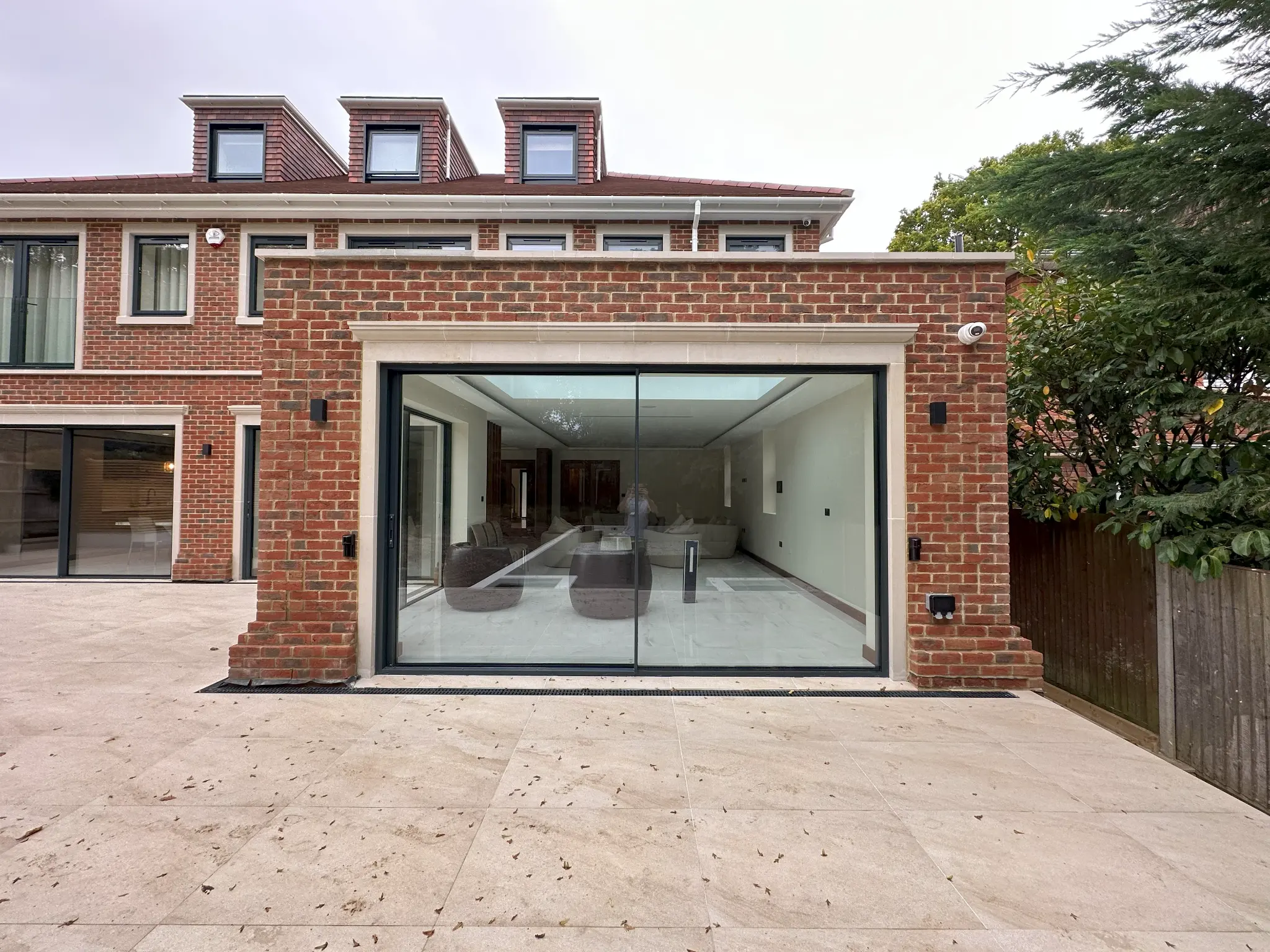
Types and Applications of Minimal Frame Glazing
Minimal frame technology is versatile and can be applied in various forms:
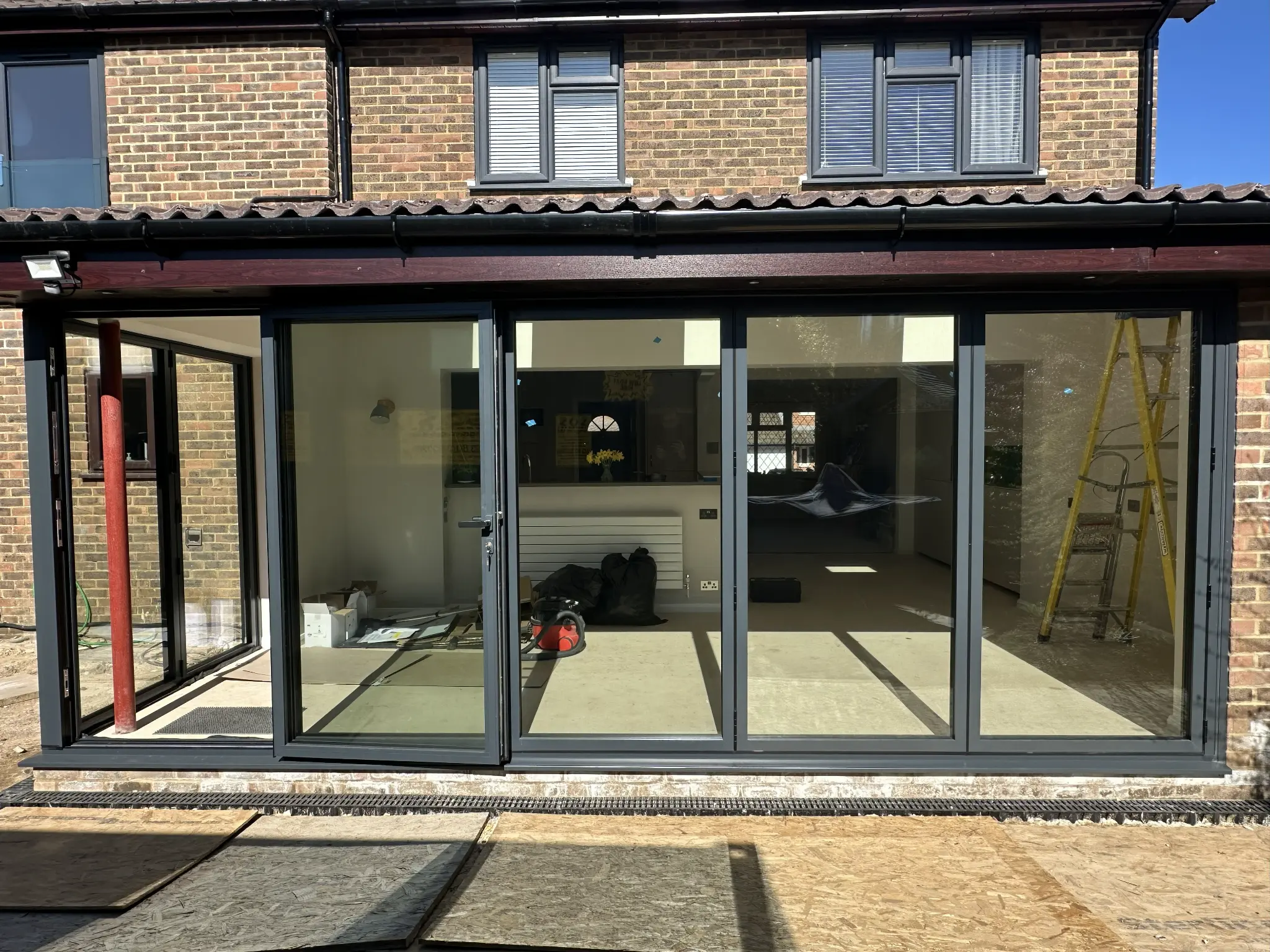
- Sliding Doors: The most common application, allowing for vast openings and seamless transitions. Options include two-panel, three-panel, or multi-panel configurations, often pocketing into walls when fully open.
- Fixed Panels: Large, static glass panels that offer maximum light and views without any opening mechanism. Ideal for creating 'glass walls'.
- Pivot Doors: Less common but highly impactful, these doors rotate on a vertical axis, creating a dramatic entrance.
- Corner Glazing: Systems that meet at a corner without a visible post, creating an uninterrupted glass corner.
Comparison: Minimal Frame vs. Standard Glazing
| Feature | Minimal Frame Glazing | Standard Glazing (e.g., uPVC, Aluminium) |
|---|---|---|
| Frame Sightlines | Ultra-slim (18-25mm for sliding, near zero for fixed) | Significantly wider (50-100mm+) |
| Glass Area | Maximum, often very large panels | Smaller, constrained by frame strength |
| Aesthetic | Sleek, contemporary, 'frameless' look | Traditional, more visible frame |
| Thermal Performance | Excellent (U-values 1.2 W/m²K or better) | Good (U-values 1.4 W/m²K or better) |
| Cost | Higher due to specialised engineering & installation | Lower, more widely available |
| Installation | Highly specialised, requires structural consideration | Standard, less complex |
| Maintenance | Generally low, but large glass areas may require more cleaning | Low |
Cost and Investment
It's important to acknowledge that minimal frame glazing represents a significant investment compared to conventional window and door systems. The higher cost is attributable to several factors:
- Advanced Engineering: The design and manufacturing of ultra-slim profiles capable of supporting large, heavy glass panels require sophisticated engineering.
- High-Performance Materials: Specialist glass (e.g., low-iron for clarity, laminated for security, triple-glazed for thermal performance) and thermally broken aluminium frames contribute to the cost.
- Specialised Installation: The precision and expertise required for installation, often involving cranes or specialist lifting equipment, adds to the overall project cost.
- Customisation: Many minimal frame systems are bespoke, tailored to specific project dimensions and requirements.
While the initial outlay is higher, the long-term benefits in terms of enhanced property value, improved energy efficiency, and superior living environment often justify the investment for homeowners seeking a premium architectural solution.
Choosing the Right Supplier and Installer
Given the technical complexity and investment involved, selecting a reputable supplier and installer is paramount. Consider the following:
- Experience: Look for companies with a proven track record specifically in minimal frame glazing installations.
- Accreditations: Check for industry accreditations (e.g., FENSA, CERTASS) and memberships in relevant trade bodies.
- Technical Expertise: Ensure they can provide detailed U-value calculations, structural advice, and demonstrate compliance with all UK Building Regulations.
- Warranty: A comprehensive warranty covering both the product and installation is essential.
- Aftercare: Enquire about maintenance recommendations and aftercare services.
Minimal frame glazing offers a transformative solution for UK homeowners looking to embrace contemporary design, maximise natural light, and create stunning, uninterrupted views. By understanding the technical considerations, Building Regulations, and working with experienced professionals, you can successfully integrate this sophisticated technology into your home, enhancing both its aesthetic appeal and energy performance for years to come.
At Shard AG, we specialise in high-performance architectural glazing solutions, including bespoke minimal frame systems tailored to the unique requirements of UK homes. Our expert team combines cutting-edge design with meticulous installation, ensuring compliance with all relevant Building Regulations and delivering exceptional results that enhance your living spaces.
Explore Our Products
Discover how Shard Architectural Glazing can transform your home with our premium glazing solutions:
Ready to Transform Your Home?
Get in touch with our expert team for a free consultation and personalised quote. We'll help you choose the perfect glazing solution for your property.