

Modern Architectural Trends: Design, Efficiency & UK Homes
Explore contemporary architectural trends shaping UK homes, focusing on sustainability, glazing, open-plan living, and smart technology. Understand design principles and UK Building Regulations.

Shard Architectural Glazing
16 March 2026
Explore contemporary architectural trends shaping UK homes, focusing on sustainability, glazing, open-plan living, and smart technology. Understand design principles and UK Building Regulations.
📋In This Article
Modern architectural trends are continually evolving, driven by advancements in technology, a growing emphasis on sustainability, and changing lifestyles. For UK homeowners contemplating a new build, extension, or significant renovation, understanding these trends is crucial. It allows for informed decisions that not only enhance aesthetics but also improve energy efficiency, functionality, and long-term value. This guide delves into the key contemporary architectural movements and their practical implications for residential properties across the UK.
Sustainability and Eco-Conscious Design
At the forefront of modern architecture is a profound commitment to environmental responsibility. Eco-conscious design is no longer a niche concept but a fundamental principle, driven by both ethical considerations and stringent UK Building Regulations.
Key Principles of Sustainable Architecture:
- Energy Efficiency: Minimising energy consumption for heating, cooling, and lighting. This involves superior insulation, high-performance glazing, and efficient heating/ventilation systems.
- Renewable Energy Integration: Incorporating solar panels (PV and thermal), ground-source heat pumps, and air-source heat pumps to generate clean energy.
- Sustainable Materials: Prioritising materials with low embodied energy, recycled content, and local sourcing. Examples include timber, recycled steel, and natural insulation like sheep's wool.
- Water Conservation: Implementing rainwater harvesting systems, greywater recycling, and low-flow fixtures to reduce water usage.
- Bioclimatic Design: Orienting buildings to maximise natural light and ventilation, using passive solar gain in winter and shading strategies in summer.
Pro Tip
When planning a sustainable project, always consult with an architect or energy consultant early in the design process. They can help navigate complex considerations like solar orientation, thermal bridging, and the optimal integration of renewable technologies to meet or exceed UK Building Regulations Part L (Conservation of Fuel and Power).
UK Building Regulations Part L (2022) for Energy Efficiency:
Compliance with Part L is mandatory for new builds, extensions, and significant renovations. It sets demanding standards for thermal performance. Here are key U-value requirements:
- Walls (new build & extensions): 0.18 W/m²K
- Floors: 0.18 W/m²K
- Roofs: 0.15 W/m²K
- Windows/Doors (new build): 1.2 W/m²K
- Windows/Doors (replacement): 1.4 W/m²K
Achieving these values often requires advanced insulation materials and high-performance glazing, such as triple glazing or double glazing with warm edge spacers and inert gas fills.
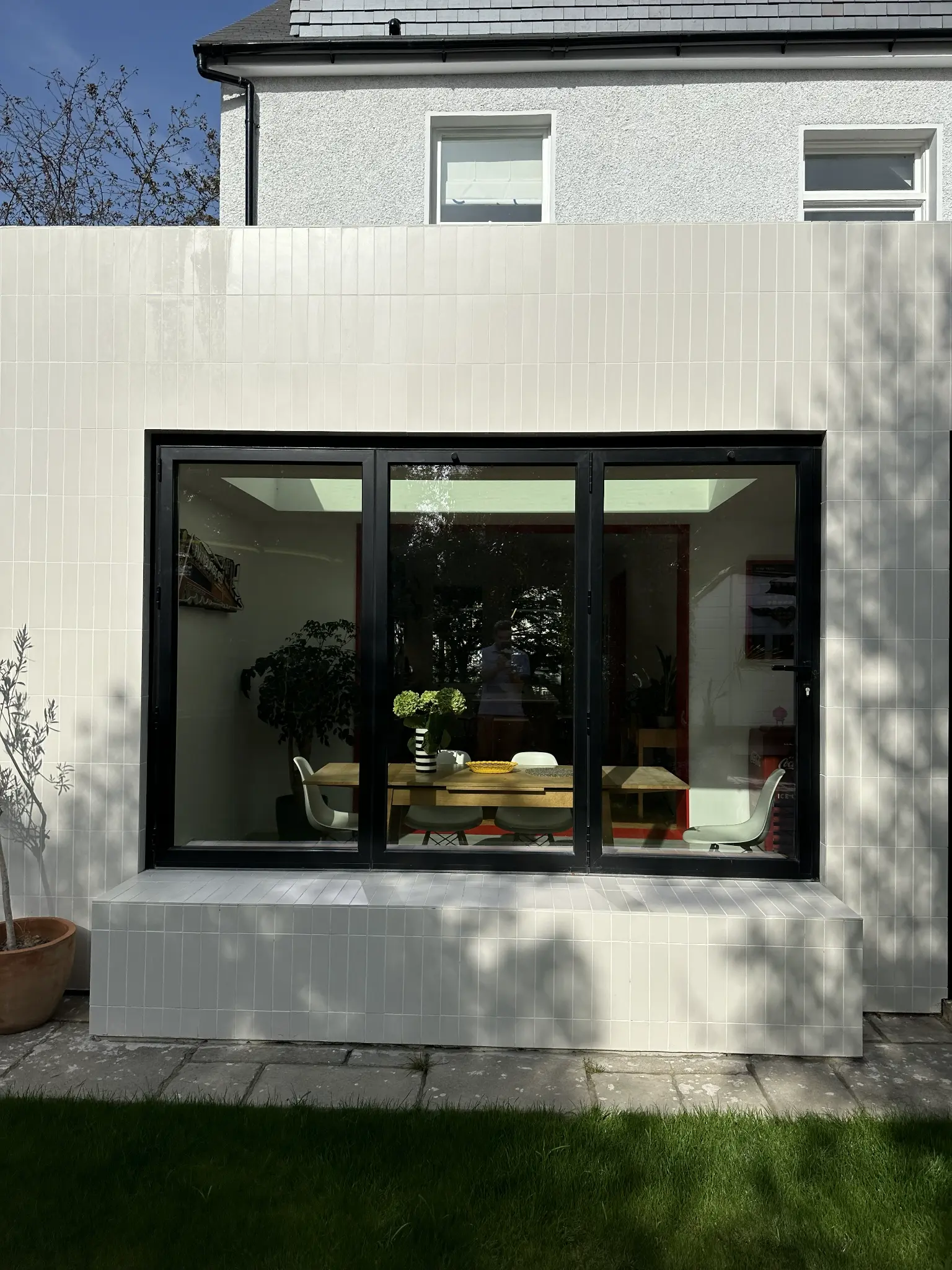
The Rise of Expansive Glazing and Natural Light
Modern architecture frequently blurs the lines between indoor and outdoor spaces, largely through the strategic use of large-format glazing. This trend is driven by a desire for increased natural light, improved views, and a sense of openness.
Popular Glazing Solutions:
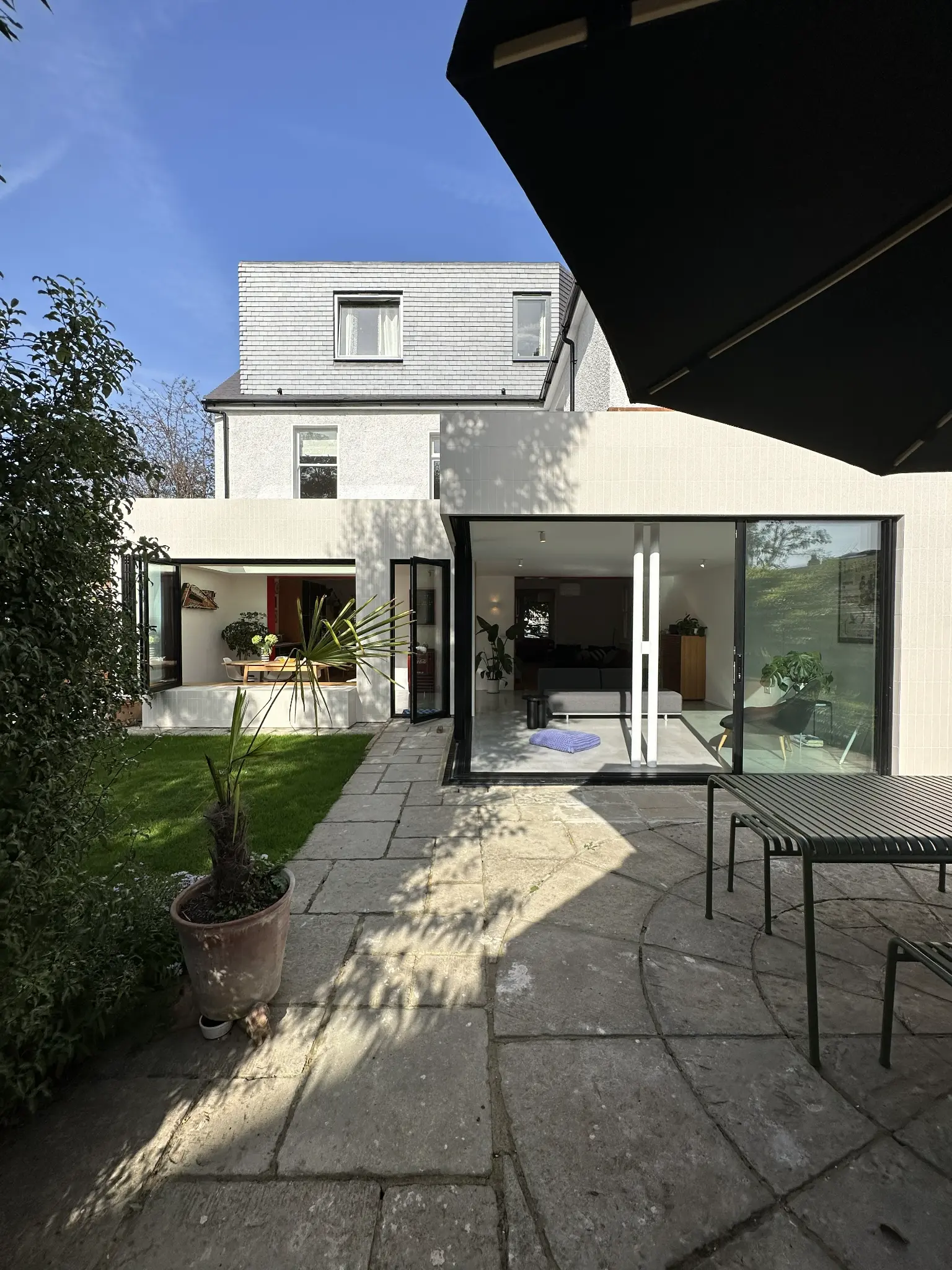
- Large Sliding and Bifold Doors: These create wide, uninterrupted openings, connecting living areas to gardens or patios. They are particularly popular for extensions and open-plan designs.
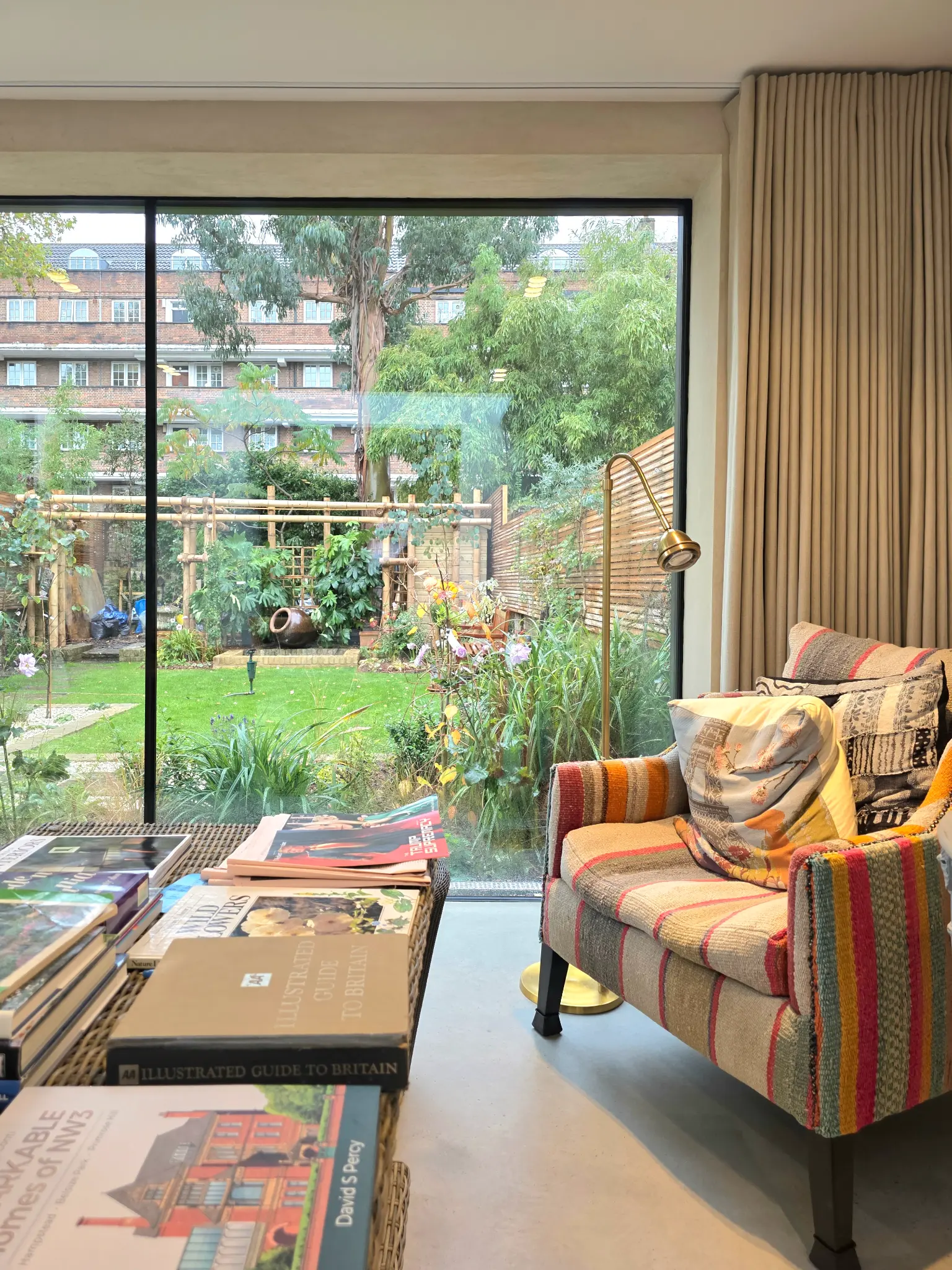
- Picture Windows: Fixed panes of glass, often floor-to-ceiling or wall-to-wall, designed to frame a view like a piece of art.
- Rooflights and Skylights: Essential for bringing natural light into deeper plan spaces, especially in extensions or loft conversions where side windows may be limited.
- Glass Walls and Corners: Structural glazing systems that allow for entire walls or even corners of a building to be made of glass, offering panoramic views.
- Minimal Frame Systems: Glazing with ultra-slim frames maximises the glass area and enhances the seamless aesthetic.
Considerations for Large Glazing:
- Thermal Performance: While aesthetically pleasing, large glass areas can be a weak point for thermal efficiency. It's crucial to specify glazing with excellent U-values (e.g., 1.2 W/m²K for new builds as per Part L 2022) to prevent heat loss in winter and excessive solar gain in summer. Solar control coatings can mitigate overheating.
- Privacy: Large windows can compromise privacy. Solutions include strategic landscaping, smart glass, or integrated blinds.
- Structural Requirements: Large spans of glass often require robust structural support, which must be carefully designed and engineered.
- Cleaning and Maintenance: Consider access for cleaning, especially for high or fixed panes.
Open-Plan Living and Flexible Spaces
The traditional cellular layout of UK homes is increasingly being replaced by open-plan designs that promote social interaction and adaptability. This trend reflects a shift towards more informal living and a desire for spaces that can serve multiple functions.
Advantages of Open-Plan Layouts:
- Enhanced Social Interaction: Family members can be together even when engaged in different activities (e.g., cooking, dining, relaxing).
- Increased Natural Light: Fewer internal walls allow light to penetrate deeper into the home.
- Perceived Spaciousness: Open areas feel larger and less cluttered.
- Flexibility: Spaces can be reconfigured or zoned for different uses with furniture or movable partitions.
Challenges and Solutions:
- Noise Transfer: Sound can travel easily in open spaces. Solutions include acoustic panels, soft furnishings, and specifying quieter appliances.
- Odour Control: Cooking odours can spread throughout the open area. High-performance extraction systems are essential.
- Heating Efficiency: Large open spaces can be harder to heat evenly. Underfloor heating and zoned heating systems are effective solutions.
- Structural Implications: Removing load-bearing walls requires professional assessment and the installation of steel beams (RSJs) or other structural supports, always subject to Building Control approval.
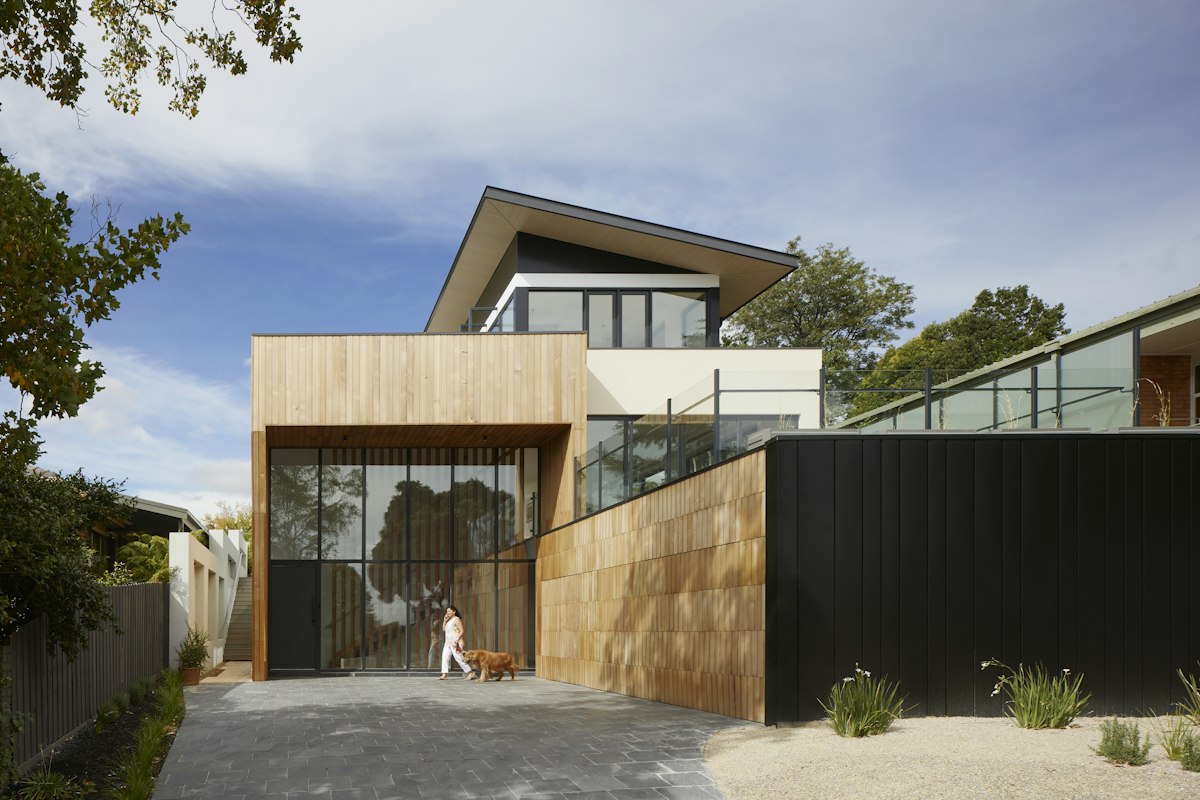
Materiality and Texture
Modern architecture often celebrates the inherent beauty of materials, using them in their raw or minimally processed forms. There's a move towards authentic textures and a restrained palette that allows the materials themselves to be the focal point.
Popular Modern Materials:
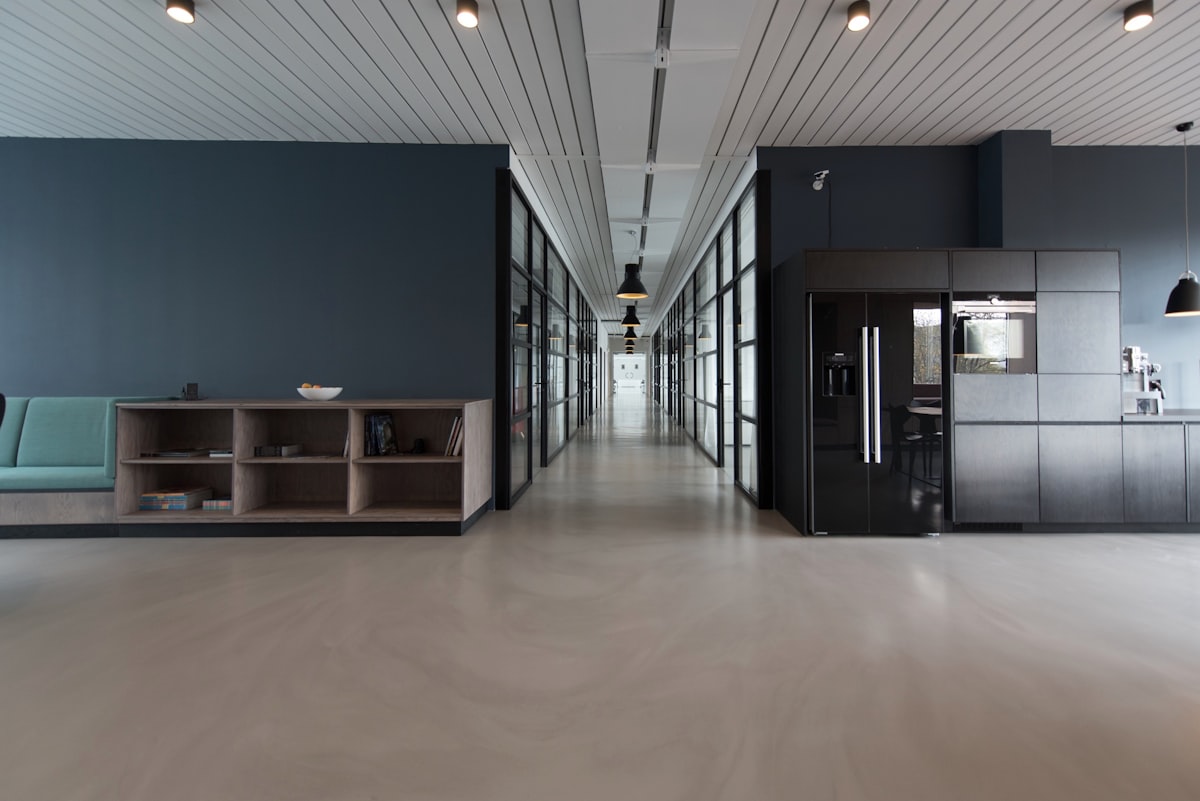
- Exposed Concrete: Used for floors, walls, or even ceilings, offering an industrial yet sophisticated aesthetic.
- Timber: From cladding to internal panelling and flooring, timber provides warmth and a connection to nature. Often seen in lighter tones or charred (Shou Sugi Ban) finishes.
- Brickwork: While traditional, modern applications often feature sleek, long-format bricks, or a monochromatic palette (e.g., grey or white bricks) for a contemporary edge.
- Steel: Used structurally and aesthetically, often left exposed for an industrial look or used in slender window frames.
- Natural Stone: For flooring, countertops, or feature walls, adding a touch of luxury and durability.
Material Comparison Table:
| Material | Common Use | Pros | Cons |
|---|---|---|---|
| Exposed Concrete | Flooring, Walls, Worktops | Durable, thermal mass, modern aesthetic | Can feel cold, requires specialist installation, high embodied energy if not locally sourced |
| Timber (e.g., Oak, Larch) | Cladding, Flooring, Joinery | Warm, renewable, good insulation, versatile | Requires maintenance, can be susceptible to moisture/pests if not treated |
| Steel | Structural frames, Window frames | High strength-to-weight, slim profiles possible, recyclable | High embodied energy, can be prone to thermal bridging if not insulated |
| Glass | Windows, Doors, Walls, Rooflights | Maximises light, views, modern aesthetic | Potential for heat loss/gain, privacy issues, cleaning |
Smart Home Technology and Integration
Modern homes are increasingly incorporating intelligent systems that enhance comfort, security, and efficiency. The integration of technology is becoming seamless, often hidden within the fabric of the building.
Key Smart Home Features:
- Automated Lighting: Systems that adjust lighting levels based on natural light, time of day, or occupancy, often controllable via apps or voice.
- Climate Control: Smart thermostats and zoned heating/cooling systems that learn preferences and optimise energy use.
- Integrated Security: Smart doorbells, CCTV, alarm systems, and automated locks, all controllable remotely.
- Automated Blinds and Curtains: For privacy, light control, and thermal regulation.
- Energy Monitoring: Systems that track energy consumption, helping homeowners identify areas for improvement.
Benefits of Smart Home Integration:
Enhanced Comfort
Automated systems adjust environmental conditions to suit your preferences, creating a more comfortable living space.
Improved Efficiency
Intelligent control of heating, lighting, and appliances can significantly reduce energy consumption and lower utility bills.
Increased Security
Remote monitoring, smart locks, and integrated alarms provide peace of mind and enhanced protection for your property.
Future-Proofing
Investing in smart home technology can increase your home's appeal and value, aligning it with future living standards.
When considering smart home technology, it's advisable to plan for it early in the design phase to ensure proper wiring infrastructure and seamless integration. Retrofitting can be more complex and costly.
Conclusion: Designing for the Future
Modern architectural trends offer exciting possibilities for creating homes that are not only beautiful but also highly functional, energy-efficient, and adaptable to future needs. From embracing sustainable practices and maximising natural light to creating flexible open-plan spaces and integrating smart technology, the focus is on creating environments that enhance well-being and minimise environmental impact.
For UK homeowners, navigating these trends requires careful planning and an understanding of how they align with local planning policies and Building Regulations. Engaging with experienced architects and specialists is paramount to translating these contemporary visions into compliant, high-performing, and enduring homes.
If you're looking to incorporate cutting-edge glazing solutions into your modern architectural project, Shard AG specialises in high-performance, bespoke glazing systems designed to meet the aesthetic and thermal demands of contemporary UK homes. Our expertise ensures your project benefits from optimal light, energy efficiency, and structural integrity, all while adhering to the latest Building Regulations.
Explore Our Products
Discover how Shard Architectural Glazing can transform your home with our premium glazing solutions:
Ready to Transform Your Home?
Get in touch with our expert team for a free consultation and personalised quote. We'll help you choose the perfect glazing solution for your property.