

Rooflights & Skylights: The Ultimate UK Homeowner's Guide
Explore the benefits, types, regulations, and installation considerations for rooflights and skylights in UK homes. Maximise natural light and energy efficiency.

Shard Architectural Glazing
19 March 2026
Explore the benefits, types, regulations, and installation considerations for rooflights and skylights in UK homes. Maximise natural light and energy efficiency.
📋In This Article
Bringing natural light into your home can transform its ambiance, making spaces feel larger, brighter, and more inviting. Rooflights and skylights are excellent solutions for achieving this, particularly in areas where traditional vertical windows are impractical or insufficient, such as loft conversions, flat roofs, or deep plan rooms. However, choosing and installing the right rooflight involves more than just picking a size; it requires understanding various types, performance characteristics, and crucial UK Building Regulations.
What are Rooflights and Skylights? Understanding the Terminology
While often used interchangeably, there's a subtle distinction between rooflights and skylights, particularly in a technical context, though in common parlance, they refer to the same thing: glazed units installed into a roof structure to admit natural light.
- Skylight: Traditionally, this term might refer to a window designed to be installed in the same plane as the roof, often a pitched roof, and typically opens for ventilation. They are often proprietary units from manufacturers like Velux.
- Rooflight: This is a broader term encompassing any glazed unit in a roof. It can include flat rooflights, pitched rooflights, walk-on rooflights, and often refers to bespoke or larger glazed areas.
For the purpose of this guide, we will use 'rooflight' as the overarching term for any glazed unit designed for installation in a roof structure, whether pitched or flat, opening or fixed.

Types of Rooflights for UK Homes
The market offers a diverse range of rooflight options, each suited to different architectural styles, roof types, and functional requirements.
1. Fixed Rooflights
- Description: These are non-opening units, designed purely to admit light. They are ideal for areas where ventilation is not required, or where other ventilation methods are in place.
- Applications: Loft conversions, extensions, flat roofs over living spaces, or areas where maximum light and minimal visual intrusion are desired.
- Pros: Excellent thermal performance (as there are no opening mechanisms to compromise seals), sleek aesthetics, lower cost than opening versions.
- Cons: No ventilation capabilities.
2. Opening Rooflights (Ventilated)
- Description: These units can be opened to allow for natural ventilation. They can be manually operated (via a pole or crank) or electrically operated, often with rain sensors and remote controls.
- Applications: Kitchens, bathrooms, bedrooms, or any area where fresh air circulation is beneficial.
- Pros: Provides ventilation, helps regulate indoor temperature, can aid in smoke ventilation in certain scenarios.
- Cons: Generally more expensive, slightly lower thermal performance than fixed equivalents due to opening mechanisms, requires power for electric versions.
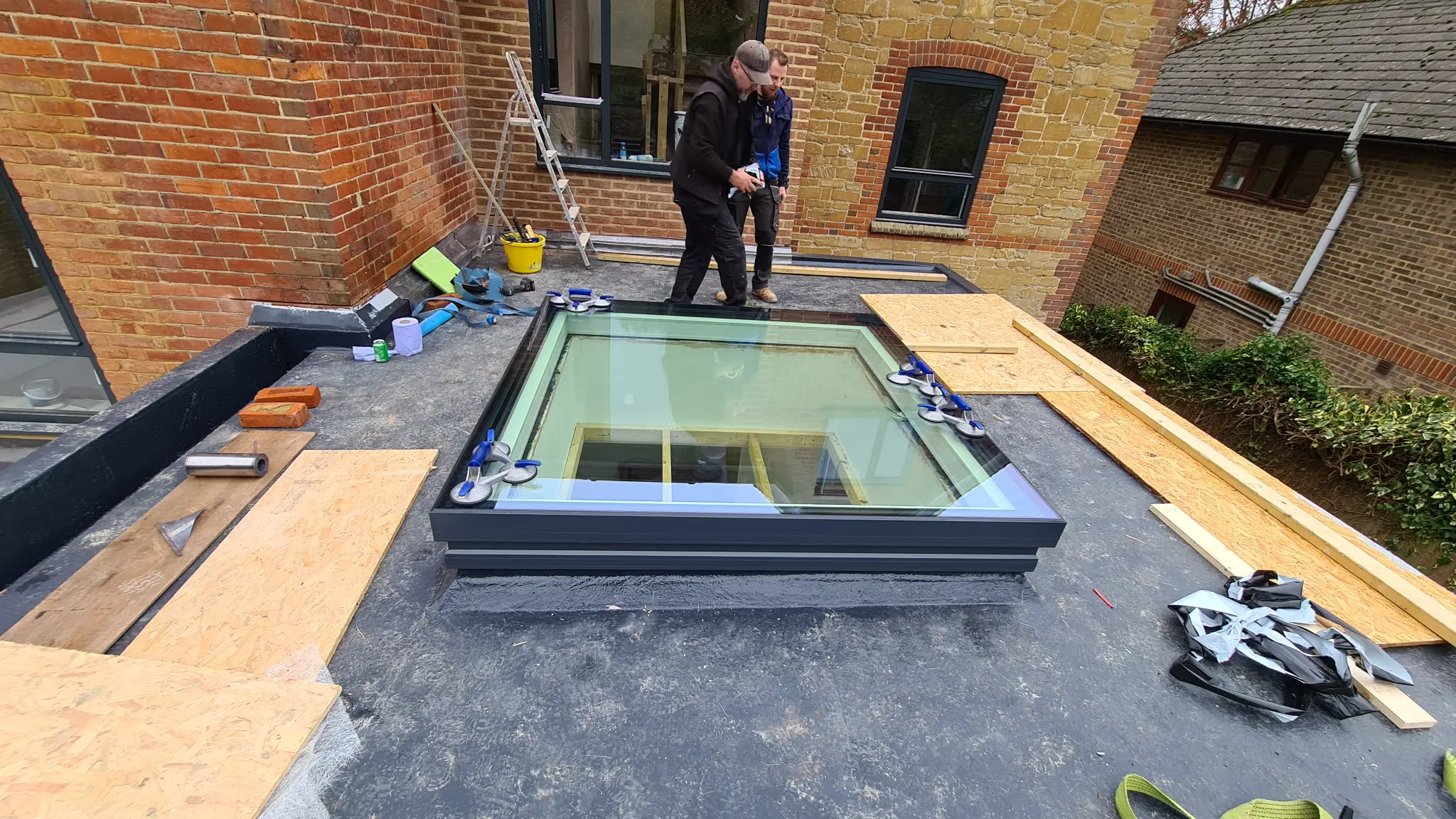
3. Flat Rooflights
- Description: Specifically designed for flat roof applications, these often feature a sleek, minimalist design, sitting flush or slightly raised from the roof surface. They can be fixed or opening.
- Applications: Single-storey extensions, garages, commercial buildings, or any flat roof area.
- Pros: Maximises light entry on flat roofs, contemporary aesthetic, often available in larger sizes.
- Cons: Requires careful installation to prevent pooling water and leaks.
4. Pitched Rooflights (Skylights)
- Description: Designed to integrate seamlessly with pitched roofs, these are available in various styles including centre-pivot, top-hung, and conservation styles.
- Applications: Loft conversions, attic rooms, extensions with pitched roofs.
- Pros: Excellent light and ventilation for pitched spaces, wide range of sizes and finishes.
- Cons: Can be challenging to clean externally on very high pitches.
5. Walk-on Rooflights
- Description: Engineered with extra-strong glazing and frames to withstand foot traffic, these are designed to be walked upon, often integrating into patios or terraces above living spaces.
- Applications: Basements, lightwells, roof terraces, or areas where a glazed floor is desired.
- Pros: Unique aesthetic, creates light in otherwise dark subterranean spaces, maximises usable outdoor space.
- Cons: Significantly more expensive, requires specialist installation, specific safety glass requirements.
6. Lantern Rooflights
- Description: A more architectural feature, lantern rooflights are typically pyramid or hip-ended structures that sit proud of the roofline, offering a grander statement and often more vertical light.
- Applications: Orangeries, large extensions, kitchens, or dining areas where a focal point is desired.
- Pros: Stunning visual impact, excellent light distribution, creates a sense of height.
- Cons: More complex installation, higher cost, can be prone to heat gain if not specified correctly.
Key Considerations for Specification and Installation
U-Values and Thermal Performance
The U-value is a crucial measure of a rooflight's thermal performance. It indicates how effectively a material insulates, with a lower U-value signifying better insulation and less heat loss. For rooflights, the U-value is measured in Watts per square metre Kelvin (W/m²K).
UK Building Regulations Part L (Conservation of Fuel and Power) sets minimum standards for thermal performance. For new builds and extensions in England (2022 standards):
- Windows/Doors (including rooflights): The maximum permissible U-value is 1.2 W/m²K for new build, and 1.4 W/m²K for replacement.
It's important to note that the U-value for a rooflight typically refers to the 'centre pane U-value' (Ug) or the 'overall U-value' (Uw) which includes the frame. Always check the overall Uw value when comparing products to ensure compliance.
Pro Tip
When comparing rooflight specifications, always ask for the 'overall U-value' (Uw) which accounts for both the glass and the frame. Some manufacturers might quote only the centre pane U-value (Ug) which will be lower (better) but doesn't reflect the true thermal performance of the entire unit.
Glazing Specifications
- Double vs. Triple Glazing: While double glazing is standard, triple glazing offers superior thermal performance, achieving U-values as low as 0.6 W/m²K. This is particularly beneficial for large rooflights or in highly insulated homes.
- Low-E Coatings: Low-emissivity (Low-E) coatings are microscopic metallic layers applied to the glass surface that reflect heat, keeping interiors warmer in winter and cooler in summer.
- Argon/Krypton Gas Fills: Inert gases like argon or krypton are used between glass panes to further reduce heat transfer compared to air.
- Solar Control Glass: For south-facing rooflights or large glazed areas, solar control glass can reduce solar gain, preventing overheating in summer.
- Self-Cleaning Glass: A coating that uses sunlight to break down organic dirt, which is then washed away by rain, reducing maintenance.
- Safety Glass: All overhead glazing must be safety glass. This typically means laminated glass on the inner pane (to prevent shards falling if broken) and toughened glass on the outer pane (for impact resistance). Walk-on rooflights require specific, much thicker laminated and toughened glass compositions.
UK Building Regulations and Planning Permission
Installing rooflights is generally considered 'permitted development' and may not require full planning permission, especially on the rear of a property. However, there are crucial caveats:
- Volume: The rooflight must not protrude more than 150mm from the existing roof plane.
- Height: It must not be higher than the highest part of the existing roof.
- Side-facing: Side-facing rooflights must be obscure-glazed and non-opening below 1.7m from the floor level to prevent overlooking.
- Conservation Areas/Listed Buildings: In these areas, planning permission is almost always required, and there may be strict guidelines on appearance, materials, and placement (e.g., 'conservation' style rooflights that sit flush with the roofline).
- Building Regulations: Regardless of planning permission, all rooflight installations must comply with UK Building Regulations, particularly Part L (thermal performance), Part K (protection from falling, collision and impact), and Part F (ventilation, if opening). You will need to notify your local Building Control body or use an approved inspector.
It is always advisable to consult your local planning authority and Building Control department before commencing any work.
Installation and Weatherproofing
Correct installation is paramount to prevent leaks and ensure long-term performance. Key aspects include:
- Flashing: The system used to seal the rooflight to the roof covering (tiles, slates, felt) is critical for weatherproofing. Ensure it is compatible with your specific roof material.
- Upstands: For flat rooflights, an adequate upstand (typically 150mm minimum) is required to lift the rooflight above the finished roof level, preventing water ingress.
- Condensation Control: Proper ventilation and insulation around the rooflight reveal are essential to prevent condensation forming on the inner pane.
- Structural Integrity: The roof structure must be able to support the weight of the rooflight. Larger or multiple rooflights may require additional structural support.
Benefits of Installing Rooflights
Enhanced Natural Light
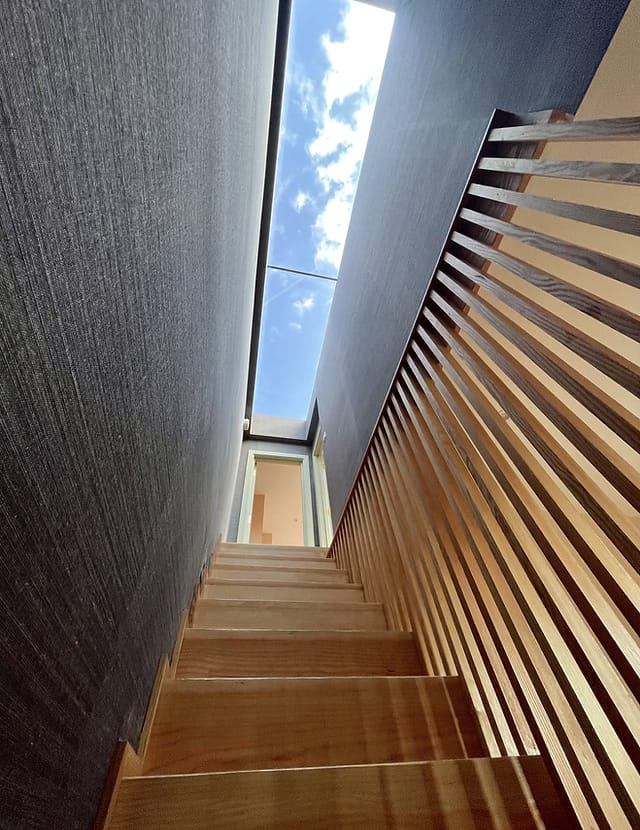
Rooflights dramatically increase the amount of natural daylight entering a room, reducing reliance on artificial lighting and making spaces feel more open and airy.
Improved Ventilation
Opening rooflights provide effective natural ventilation, helping to remove stale air, control humidity, and regulate indoor temperatures, especially useful in kitchens and bathrooms.
Energy Efficiency
Modern rooflights with good U-values and advanced glazing can significantly improve a home's energy efficiency by reducing heat loss in winter and, with solar control, preventing overheating in summer. This can lead to lower energy bills.
Aesthetic Appeal & Value
Rooflights add a contemporary and stylish architectural feature to any home, enhancing its visual appeal and potentially increasing its market value by creating desirable, bright living spaces.
Comparison of Common Rooflight Types
| Feature | Fixed Flat Rooflight | Opening Pitched Rooflight | Lantern Rooflight | Walk-on Rooflight |
|---|---|---|---|---|
| Primary Use | Maximising light on flat roofs | Light & ventilation on pitched roofs | Architectural feature, ambient light | Light to basements/below ground |
| Roof Type | Flat | Pitched | Flat (typically) | Flat (integrated into floor/patio) |
| Ventilation | None | Yes (manual/electric) | Optional (vents) | None |
| Typical U-value (Uw) | 0.8 – 1.4 W/m²K | 1.0 – 1.4 W/m²K | 1.0 – 1.6 W/m²K | 1.0 – 1.6 W/m²K |
| Cost (Relative) | ££ | ££ - £££ | ££££ | £££££ |
| Aesthetic | Sleek, minimalist | Traditional to contemporary | Grand, statement piece | Invisible, integrated |
| Maintenance | Low (self-cleaning options) | Moderate (external cleaning) | Moderate (external cleaning) | Low (can be cleaned with patio) |
Choosing the Right Rooflight for Your Home
When making your decision, consider these factors:
- Roof Type: Is your roof flat or pitched? This will immediately narrow down your options.
- Functionality: Do you need ventilation, or is light the sole purpose?
- Location: What room is it for? Kitchens and bathrooms often benefit from opening rooflights for moisture control. South-facing rooflights may require solar control glazing.
- Aesthetics: What style suits your home and personal taste? Do you want a subtle flush design or a dramatic architectural statement?
- Budget: Costs vary significantly between types, sizes, and specifications.
- Thermal Performance: Always prioritise a good U-value to ensure compliance with Building Regulations and long-term energy savings.
- Access for Cleaning: Consider how you will clean the exterior of the rooflight, especially for high or steeply pitched installations.
Conclusion and Expert Advice
Rooflights and skylights offer an unparalleled way to enhance natural light, improve ventilation, and add architectural flair to your home. By understanding the different types, their technical specifications, and the relevant UK Building Regulations, homeowners can make informed decisions that lead to beautiful, energy-efficient, and compliant installations.
For any significant glazing project, it is always recommended to consult with experienced professionals. They can provide tailored advice, ensure compliance with all regulations, and manage the installation process to guarantee a high-quality, leak-free, and thermally efficient result.
At Shard AG, we specialise in high-performance architectural glazing solutions for UK homeowners. Our expertise in bespoke rooflights, skylights, and glazed structures ensures that your project not only meets but exceeds your expectations for design, performance, and compliance. Contact us today to discuss your vision and discover how we can illuminate your home.
Explore Our Products
Discover how Shard Architectural Glazing can transform your home with our premium glazing solutions:
Ready to Transform Your Home?
Get in touch with our expert team for a free consultation and personalised quote. We'll help you choose the perfect glazing solution for your property.