Structural Glass Walls: A Comprehensive UK Homeowner's Guide
Explore the world of structural glass walls for UK homes. Understand design, regulations, benefits, and considerations for these stunning architectural features.

Shard Architectural Glazing
21 February 2026
Explore the world of structural glass walls for UK homes. Understand design, regulations, benefits, and considerations for these stunning architectural features.
📋In This Article
Structural glass walls, often referred to as frameless glass or point-fixed glazing, represent the pinnacle of modern architectural design, offering unparalleled transparency and an abundance of natural light. For UK homeowners looking to create a truly open and contemporary living space, these systems can transform an ordinary room into an extraordinary feature. However, understanding the intricacies of their design, installation, and compliance with UK Building Regulations is crucial before embarking on such a project.
What Are Structural Glass Walls?
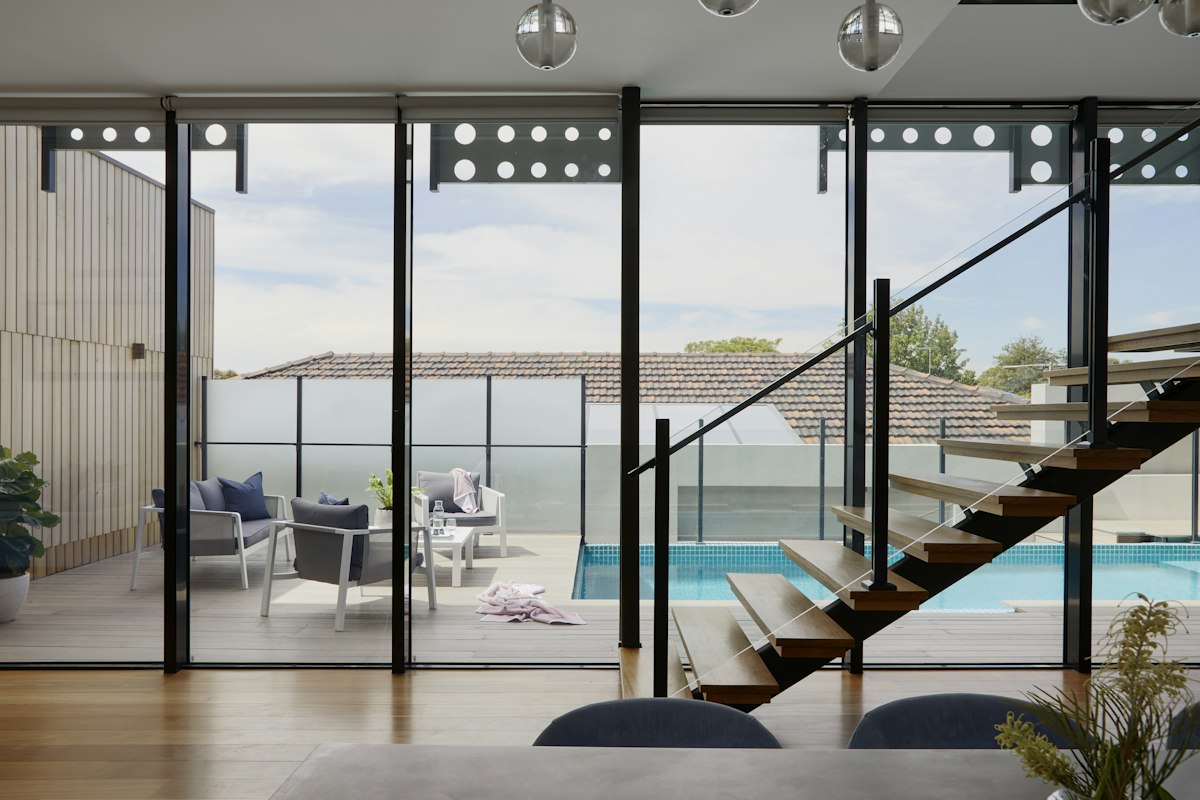
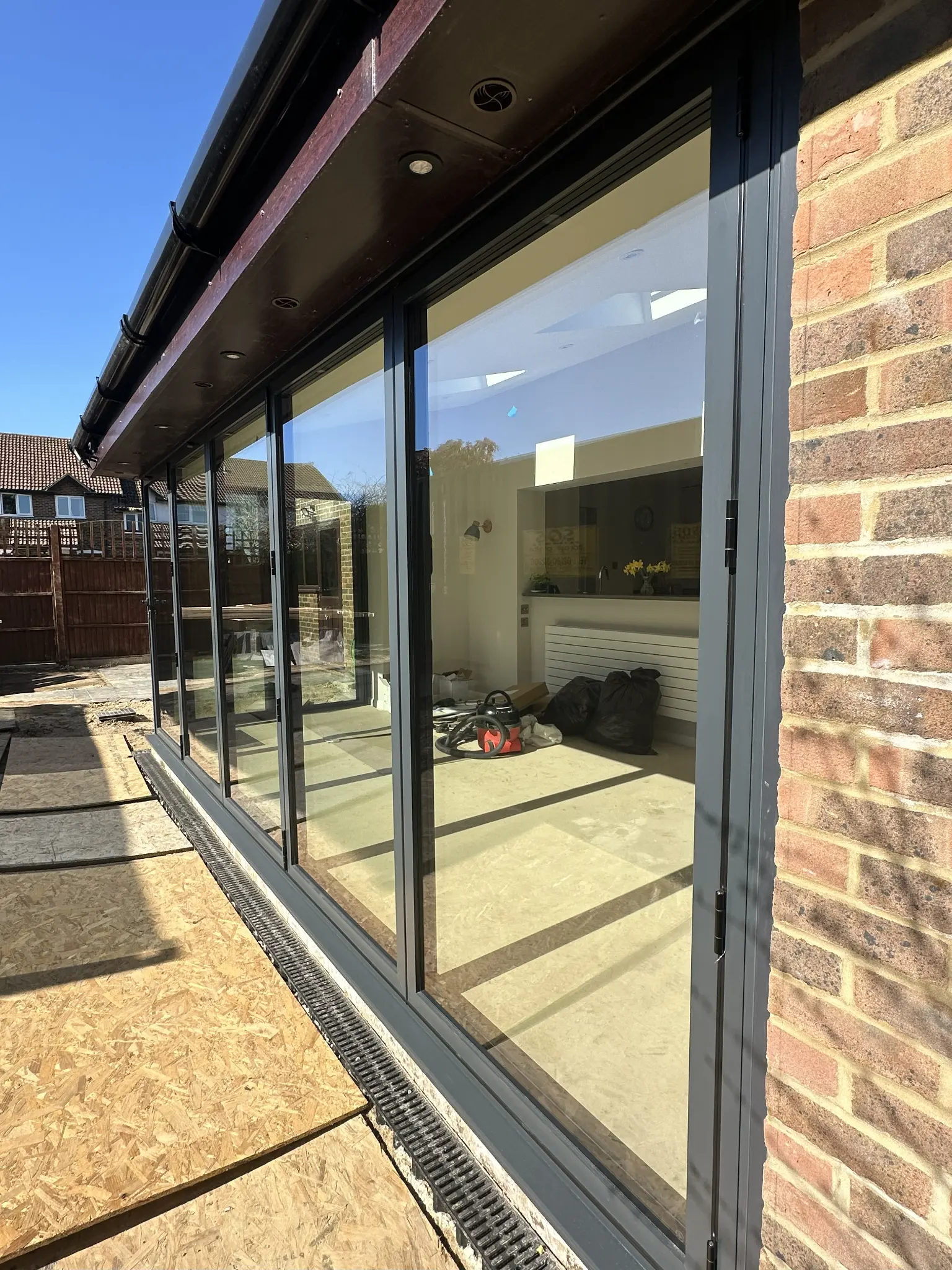
Unlike traditional window and door systems that rely on visible frames to support the glass, structural glass walls are designed so that the glass itself forms part of the building's structural integrity. This means the glass panels are either bonded together with a high-strength silicone sealant, supported by discreet fixings (such as 'spider' fittings), or integrated into minimal, recessed channels. The result is a seamless expanse of glass that maximises views and natural light, blurring the lines between indoor and outdoor environments.
Key Characteristics:
- Minimal Framing: The defining feature is the absence or extreme minimisation of visible frames.
- High Transparency: Offers unobstructed views and maximises natural light penetration.
- Engineered Solution: Each structural glass installation is a bespoke engineered solution, considering wind loads, thermal performance, and structural support.
- Specialised Glass: Typically uses toughened (tempered) or laminated glass, often in thicker specifications than standard glazing.

Design Considerations and Types
The design of a structural glass wall is a highly bespoke process, integrating architectural vision with engineering precision. Several factors influence the final aesthetic and performance.
Common Types of Structural Glass Systems:
- Point-Fixed Glazing (Spider Glazing): Glass panels are held in place by discrete stainless steel 'spider' fittings that bolt through the glass and attach to a secondary support structure (e.g., steel fins, cables, or a main building frame). This offers a highly transparent look with minimal visual interruption.
- Fin-Supported Glazing: Large glass panels are supported by vertical or horizontal glass fins, which act as structural beams, transferring loads back to the main building structure. The fins themselves are made of toughened or laminated glass, maintaining the all-glass aesthetic.
- Structural Silicone Glazing (SSG): Glass panels are adhesively bonded to a hidden frame or directly to each other using high-performance structural silicone. This creates a completely flush, frameless external appearance.
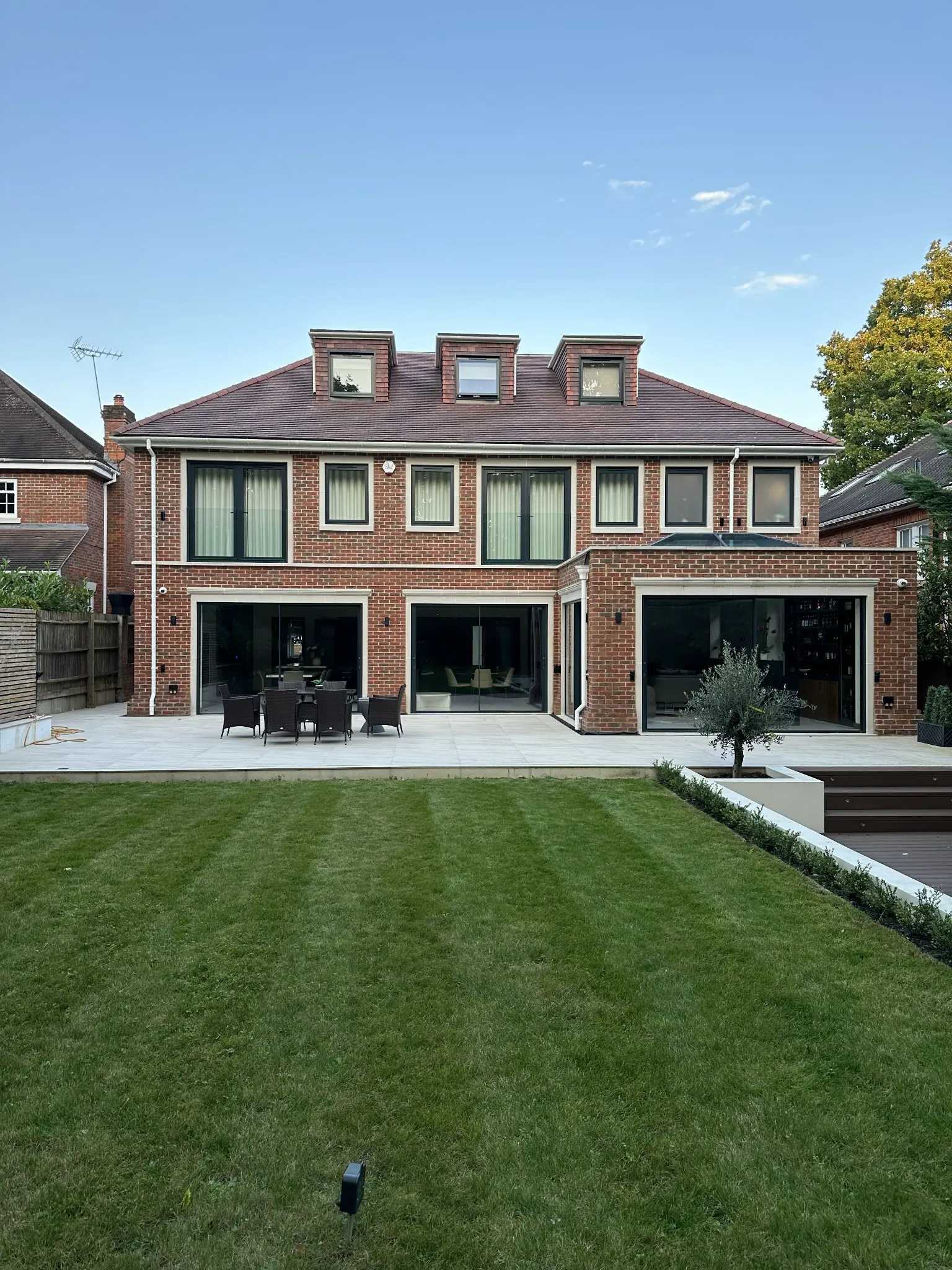
- Glass Box Extensions: Entire extensions or conservatories built predominantly from structural glass, often incorporating glass roofs and bi-folding or sliding glass doors within the overall design.
Aesthetic and Functional Choices:
- Glass Specification: Thickness (e.g., 10mm, 12mm, 15mm, 19mm, or even thicker for large panels), type (toughened, laminated, heat-strengthened), and coatings (low-e, solar control, self-cleaning) are all critical.
- Fixings and Fittings: The choice of 'spider' fittings, bolts, and channels can influence the overall look and structural integrity. Finishes can vary from polished stainless steel to matte black.
- Integration: How the structural glass wall integrates with existing building materials (brick, stone, timber) and other glazing elements (doors, windows) is vital for a cohesive design.
Pro Tip
Always consider the orientation of your structural glass wall. South-facing installations may benefit from solar control coatings to prevent overheating, while north-facing walls will maximise natural light without excessive solar gain. Discuss these options with your glazing specialist.
UK Building Regulations and Standards
Installing structural glass walls in a UK home is not merely an aesthetic choice; it requires strict adherence to various Building Regulations to ensure safety, energy efficiency, and structural integrity. It is highly advisable to engage with your local Building Control authority early in the planning process.
Key Regulations and Standards:
- Part A (Structure): This is paramount for structural glass. The design must demonstrate that the glass can safely withstand all anticipated loads, including wind loads, snow loads (for roofs), and potential impact. Engineering calculations and structural surveys are essential.
- Part B (Fire Safety): Depending on the location and proximity to boundaries, fire resistance might be a consideration. Certain types of fire-rated glass may be required.
- Part C (Site Preparation and Resistance to Contaminants and Moisture): Ensuring the wall is weather-tight and prevents water ingress.
- Part K (Protection from Falling, Collision and Impact): Glass used in critical locations (e.g., low-level glazing, near doors) must be safety glass (toughened or laminated) to prevent serious injury in case of breakage. Balustrades or guarding may also be required for glass walls in elevated positions.
- Part L (Conservation of Fuel and Power): This is crucial for thermal performance. Structural glass walls must meet specific U-value requirements to ensure energy efficiency. For new builds, extensions, and replacement glazing, the U-value requirements are stringent.
Current UK Building Regulations Part L (2022 England) U-values:
- Walls (new build & extensions): 0.18 W/m²K
- Floors: 0.18 W/m²K
- Roofs: 0.15 W/m²K
- Windows/Doors (new build): 1.2 W/m²K
- Windows/Doors (replacement): 1.4 W/m²K
Structural glass systems, especially large unsupported panels, can pose challenges in meeting these U-values. Double glazing is almost always required, and triple glazing or advanced low-e coatings may be necessary to achieve compliance, particularly for larger installations or in colder climates.
Compliance: It is recommended to consult with a structural engineer and your local Building Control officer to ensure your design complies with all relevant regulations. A detailed structural design report and calculations will typically be required.
Benefits and Drawbacks
While structural glass walls offer undeniable aesthetic appeal, it's important for homeowners to consider both the advantages and potential disadvantages.
Enhanced Natural Light
Maximises daylight penetration, reducing the need for artificial lighting and creating brighter, more inviting spaces.
Uninterrupted Views
Provides panoramic, frameless views, seamlessly connecting indoor living areas with the garden or surrounding landscape.
Modern Aesthetic
Delivers a sleek, contemporary, and minimalist look that can significantly enhance the architectural appeal and value of a property.
Sense of Space
Creates an illusion of greater space and openness, making smaller rooms feel larger and more expansive.
Potential Drawbacks:
- Cost: Structural glass systems are typically more expensive than traditional framed glazing due to the bespoke design, engineering, specialised glass, and complex installation.
- Thermal Performance Challenges: While modern systems can achieve good U-values, large expanses of glass can still lead to higher heat loss compared to insulated walls, and potential for solar gain in summer if not properly specified.
- Privacy: The transparency that is a benefit can also be a drawback for privacy. Solutions like switchable glass, blinds, or strategically placed landscaping may be needed.
- Cleaning and Maintenance: Large glass surfaces require regular cleaning to maintain their pristine appearance, especially in areas prone to dirt or rain.
- Condensation: In certain conditions, condensation can occur on glass surfaces, particularly on single-glazed or poorly performing double-glazed units.
- Acoustics: Glass can transmit sound more readily than solid walls, which might be a consideration in noisy environments.
Installation and Maintenance
The installation of structural glass walls is a highly specialised process that requires expert knowledge and precision. It is not a DIY project.
Installation Process:
- Design and Engineering: Detailed architectural drawings and structural calculations are produced.
- Site Preparation: Foundations and supporting structures are prepared to precise tolerances.
- Glass Fabrication: Custom-sized and specified glass panels are manufactured.
- Delivery and Handling: Large, heavy glass panels require specialist transport and lifting equipment (e.g., cranes, vacuum lifters).
- Installation: Panels are carefully positioned, fixed, and sealed by experienced technicians. This often involves working at height and in confined spaces.
- Finishing: Structural silicone joints are applied, and any trim or detailing is completed.
- Testing: Post-installation checks ensure weather-tightness and structural integrity.
Maintenance Tips:
- Regular Cleaning: Use a mild glass cleaner and a soft cloth or squeegee to prevent streaks. Avoid abrasive materials.
- Check Seals: Periodically inspect silicone seals for any signs of degradation, cracking, or shrinkage. Damaged seals can lead to water ingress and compromise thermal performance.
- Inspect Fixings: For point-fixed systems, occasionally check the 'spider' fittings for any signs of loosening or corrosion, though these are designed for long-term durability.
- Professional Inspection: Consider an annual professional inspection, especially for very large or complex installations, to identify and address any potential issues early.
Cost Considerations
The cost of a structural glass wall can vary significantly based on several factors, making it difficult to provide a one-size-fits-all estimate. However, understanding the elements that influence pricing can help homeowners budget effectively.
| Factor | Impact on Cost | Notes |
|---|---|---|
| Glass Type & Thickness | High | Toughened vs. Laminated, double vs. triple glazing, low-e coatings, solar control, self-cleaning. Thicker glass for larger panels. |
| Panel Size & Quantity | High | Larger, bespoke panels require more material, specialised handling, and often thicker glass. More panels mean more fixings and labour. |
| Fixing System | Medium | Point-fixed (spider) systems can be more expensive than structural silicone glazing due to the cost of fittings and precision required. |
| Structural Engineering | High | Essential for safety and compliance. Includes calculations, design, and potentially site visits. This is a non-negotiable cost. |
| Installation Complexity | High | Access challenges, working at height, need for cranes or specialist lifting equipment, and intricate detailing all add to labour costs. |
| Site Preparation | Medium | Any necessary groundwork, foundations, or modifications to the existing structure to support the glass. |
| Additional Features | Variable | Integrated doors (sliding/bi-fold), ventilation systems, automated blinds, or switchable privacy glass. |
As a rough guide, a structural glass wall project can range from several thousand pounds for a smaller, simpler installation to tens of thousands or even hundreds of thousands for large, complex glass box extensions. Always obtain detailed, itemised quotes from reputable specialists.
Choosing the Right Specialist
Given the bespoke nature and critical structural and regulatory aspects of structural glass walls, selecting an experienced and reputable specialist is paramount.
What to Look For:
- Experience: Choose a company with a proven track record in designing, engineering, and installing structural glass systems in the UK.
- Engineering Expertise: Ensure they have in-house structural engineers or work closely with accredited external consultants.
- Portfolio: Ask to see examples of their previous work, ideally similar to your proposed project.
- Accreditations: Check for relevant industry accreditations (e.g., GGF – Glass and Glazing Federation, FENSA/CERTASS for replacement glazing, or other construction industry bodies).
- Insurance: Verify they hold comprehensive public liability and professional indemnity insurance.
- Building Regulations Knowledge: They should be fully conversant with current UK Building Regulations and able to guide you through the approval process.
- Warranty: Understand the warranty provided on both the glass and the installation.
Structural glass walls offer a truly breathtaking architectural statement for UK homes, blending sophisticated design with functional performance. By understanding the technical requirements, regulatory framework, and working with experienced professionals, homeowners can achieve a stunning, light-filled space that enhances their property for years to come.
At Shard AG, we specialise in the design, engineering, and installation of bespoke structural glass walls and extensions for discerning UK homeowners. Our team of experts combines architectural vision with rigorous engineering principles to deliver exceptional, compliant, and beautiful glazing solutions tailored to your unique project. Contact us today to discuss how we can bring your vision to life.
Explore Our Products
Discover how Shard Architectural Glazing can transform your home with our premium glazing solutions:
Ready to Transform Your Home?
Get in touch with our expert team for a free consultation and personalised quote. We'll help you choose the perfect glazing solution for your property.