

Unlocking Wellbeing: The Benefits of Natural Light in UK Homes
Discover how natural light transforms UK homes, enhancing health, mood, energy efficiency, and property value. Learn about design, regulations, and practical tips.

Shard Architectural Glazing
14 February 2026
Discover how natural light transforms UK homes, enhancing health, mood, energy efficiency, and property value. Learn about design, regulations, and practical tips.
📋In This Article
Natural light is more than just illumination; it's a fundamental element of good architectural design that profoundly impacts our health, mood, and the overall liveability of our homes. In the UK, where daylight hours can vary dramatically throughout the year, maximising natural light is not just a luxury but a crucial consideration for creating comfortable, energy-efficient, and uplifting living spaces. This comprehensive guide explores the multifaceted benefits of natural light, practical ways to enhance it, and important considerations for homeowners.
Health and Wellbeing Benefits
The human body is intrinsically linked to natural light cycles, a phenomenon known as our circadian rhythm. Exposure to natural light, particularly blue light wavelengths present in daylight, helps regulate this internal clock, which in turn influences sleep patterns, hormone production, and overall mood.
Improved Mood and Cognitive Function
- Reduced Seasonal Affective Disorder (SAD): Especially pertinent in the UK, ample natural light can significantly alleviate symptoms of SAD, a type of depression linked to reduced daylight exposure during autumn and winter.
- Enhanced Productivity and Focus: Studies have shown that environments with good natural light can improve concentration and cognitive performance, making home offices or study areas more effective.
- Stress Reduction: Connecting with the outdoors through natural light can create a sense of calm and reduce stress levels, fostering a more peaceful home environment.
Better Sleep Quality
Exposure to bright natural light during the day helps suppress melatonin production, keeping us alert. As daylight fades, melatonin production increases, signalling to our bodies that it's time to sleep. Disruptions to this cycle, often caused by excessive artificial light at night and insufficient natural light during the day, can lead to sleep disorders. Maximising natural light in your home supports a healthy circadian rhythm, leading to more restorative sleep.
Vitamin D Synthesis
While direct sun exposure is needed for significant Vitamin D production, even indirect natural light contributes to our overall wellbeing. Vitamin D is vital for bone health, immune function, and mood regulation. Homes flooded with natural light encourage occupants to spend more time in well-lit areas, potentially increasing incidental exposure.
Enhanced Mood
Natural light boosts serotonin, improving overall happiness and reducing symptoms of depression.
Better Sleep
Regulates circadian rhythm, leading to more consistent and restorative sleep patterns.
Increased Productivity
Improves concentration and cognitive function, ideal for home offices and study areas.
Energy Savings
Reduces reliance on artificial lighting and can contribute to passive heating, lowering utility bills.
Energy Efficiency and Cost Savings
Beyond personal wellbeing, natural light offers tangible economic and environmental benefits for homeowners.
Reduced Reliance on Artificial Lighting
This is perhaps the most obvious benefit. By strategically designing or renovating your home to maximise natural light, you can significantly reduce the need for electric lights during daylight hours. This directly translates to lower electricity bills and a smaller carbon footprint. Modern glazing solutions, such as high-performance double or triple glazing, are crucial here, allowing ample light in while maintaining thermal efficiency.
Passive Solar Gain
During colder months, natural light entering through windows can contribute to passive solar gain, effectively warming your home. This reduces the demand on your heating system, leading to further energy savings. However, careful design is needed to prevent overheating in summer, often achieved through shading solutions like overhangs, external blinds, or high-performance solar control glass.
Pro Tip
Consider the orientation of your home. South-facing windows in the UK receive the most consistent daylight throughout the day and year, offering excellent opportunities for passive solar gain. East-facing windows provide pleasant morning light, while west-facing windows offer warm afternoon light. North-facing windows provide consistent, diffused light, ideal for studios or offices where direct glare is undesirable.
Aesthetic and Property Value
Natural light dramatically enhances the aesthetic appeal of a home, making spaces feel larger, more inviting, and vibrant. This has a direct impact on property value.
Enhanced Spatial Perception
Rooms bathed in natural light appear more spacious and open. Light reflects off surfaces, making colours appear truer and textures more pronounced. This creates a more pleasant and dynamic living environment compared to artificially lit spaces.
Connection to the Outdoors
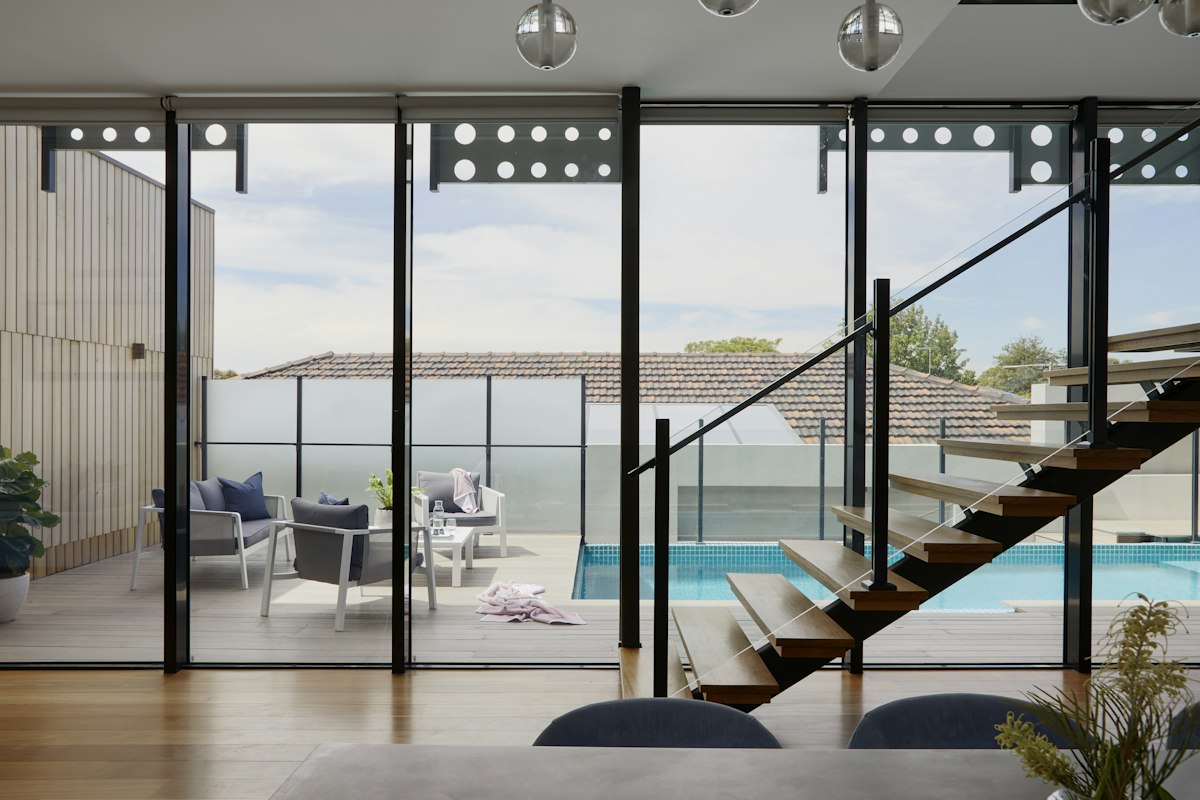
Large windows, bi-fold doors, sliding doors, and rooflights not only let light in but also provide views of the garden or surrounding landscape, fostering a stronger connection to nature. This 'bringing the outside in' effect is highly sought after and contributes significantly to the perceived quality of a home.
Increased Market Appeal
When it comes to selling a property, natural light is consistently cited as one of the most desirable features for prospective buyers. Homes that are bright and airy often command higher prices and sell more quickly. Investing in solutions that maximise natural light is therefore a sound investment in your property's long-term value.
Design and Technical Considerations
While the benefits are clear, achieving optimal natural light requires careful planning and an understanding of architectural principles and UK Building Regulations.
Glazing Performance and Building Regulations
Maximising glazing area must be balanced with thermal efficiency requirements. UK Building Regulations Part L (Conservation of Fuel and Power) sets stringent standards for the thermal performance of building elements. For new builds and extensions, the overall dwelling emission rate (DER) must not exceed the target emission rate (TER). For individual elements, there are specific U-value requirements:
| Building Element | New Build & Extensions (W/m²K) | Replacement (W/m²K) |
|---|---|---|
| Walls | 0.18 | N/A (subject to specific upgrade rules) |
| Floors | 0.18 | N/A |
| Roofs | 0.15 | N/A |
| Windows/Doors/Rooflights | 1.2 | 1.4 |
When installing new windows, doors, or rooflights, they must meet the U-value of 1.2 W/m²K for new builds/extensions or 1.4 W/m²K for replacements. Using high-performance glazing, such as double or triple glazing with low-emissivity (low-e) coatings and argon gas fills, is essential to meet these standards while maximising light transmission.
Types of Glazing Solutions
- Large Windows: Floor-to-ceiling windows or expansive picture windows are excellent for maximising views and light.
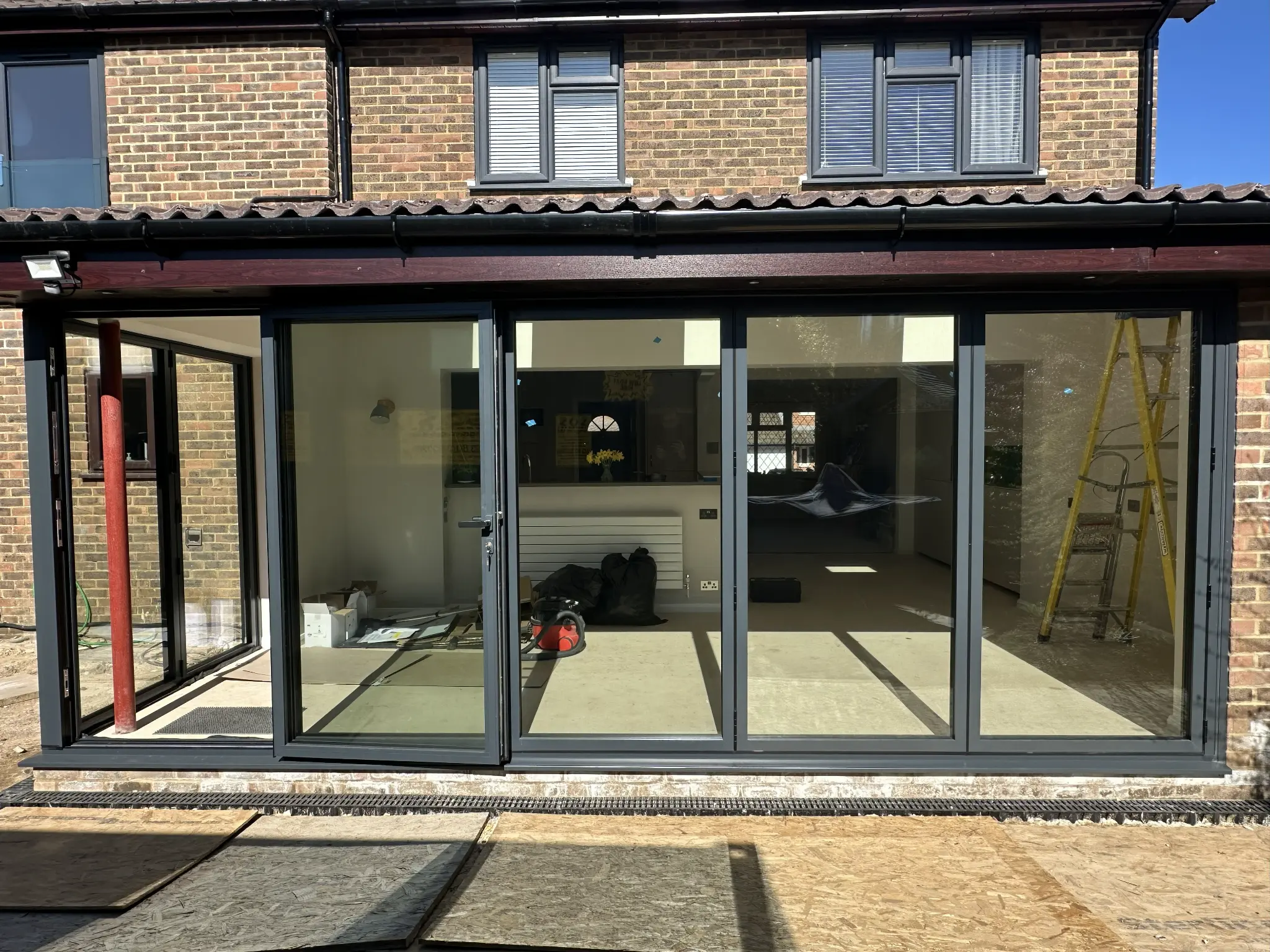
- Bi-fold and Sliding Doors: These solutions connect indoor and outdoor spaces seamlessly, flooding rooms with light when open or closed.
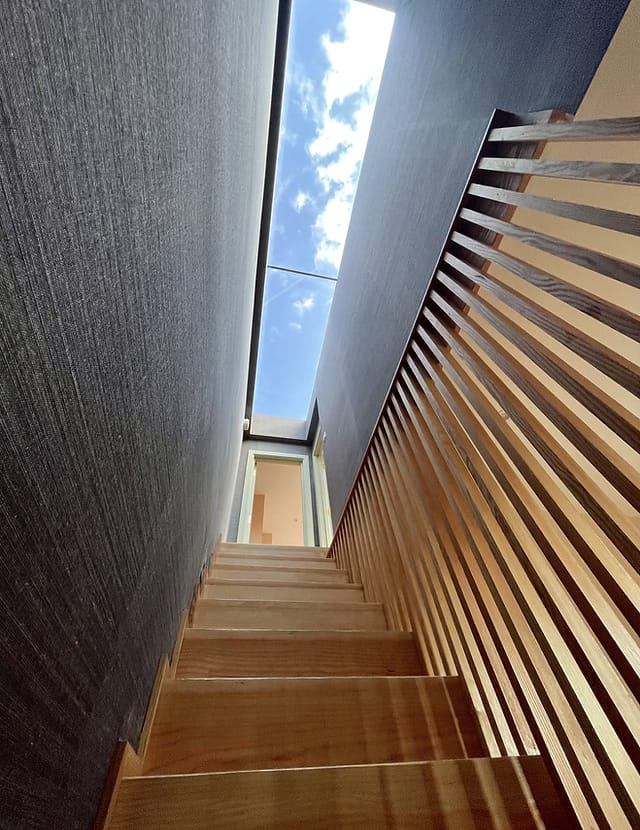
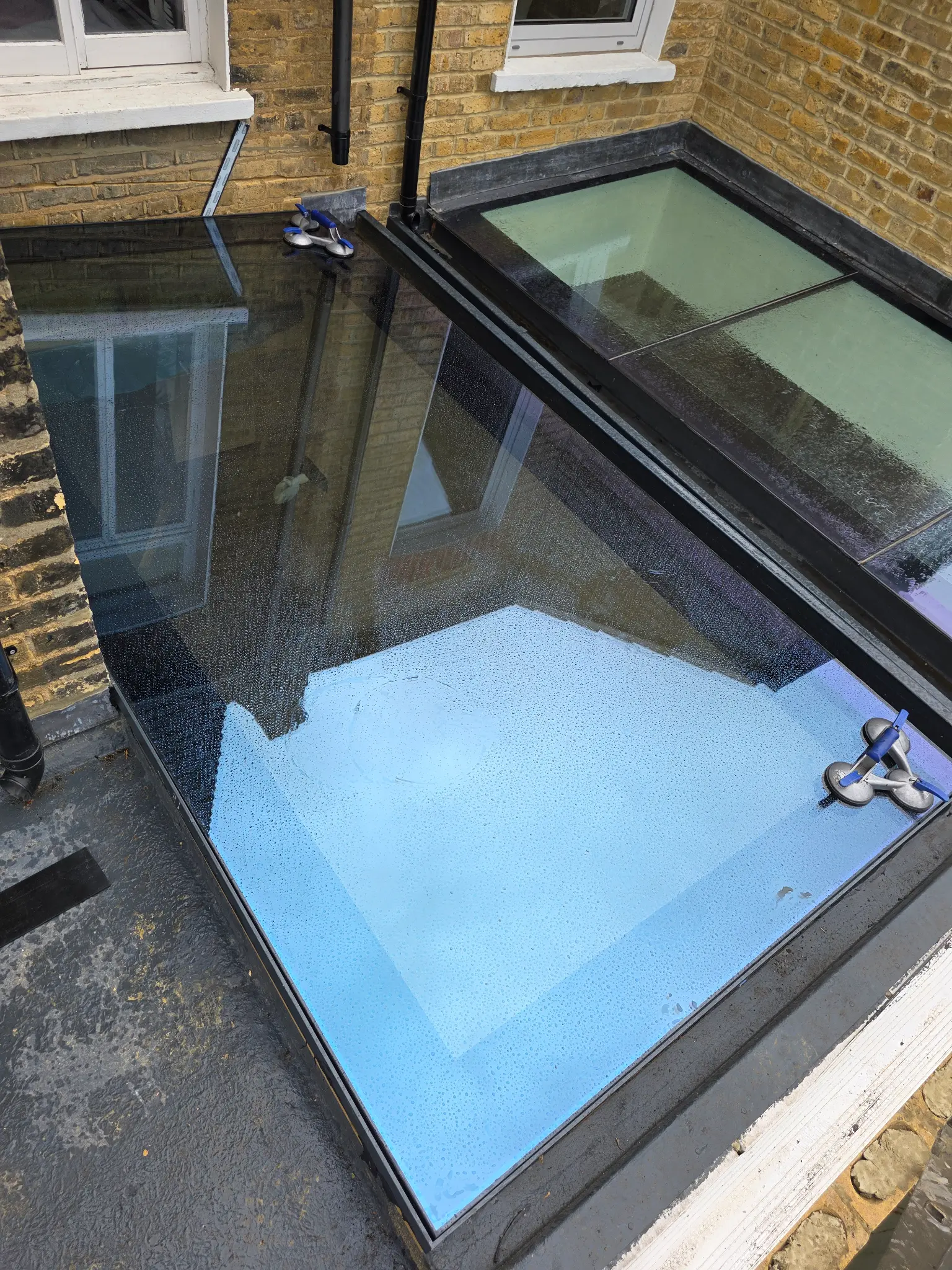
- Rooflights and Skylights: Ideal for bringing light into deeper plan homes, internal rooms, or upper floors. They are particularly effective as they are less susceptible to external obstructions.
- Glass Extensions/Orangeries: A popular way to add light and space, but careful consideration of solar gain and thermal performance is paramount.
- Internal Glazing: Glass partitions or internal doors can allow light to penetrate deeper into a home, even between rooms.
Overcoming Challenges
- Overheating: Large areas of south or west-facing glazing can lead to overheating in summer. Solutions include solar control glass, external shading (e.g., brise soleil, awnings), or internal blinds/curtains.
- Privacy: Maximising light can sometimes compromise privacy. Consider smart glass, obscured glass, or strategically placed planting/fencing.
- Glare: Direct sunlight can cause glare. Adjustable blinds, sheer curtains, or careful positioning of workspaces can mitigate this.
- Structural Considerations: Installing large glazing elements often requires structural alterations, which must be designed and approved by a qualified structural engineer and comply with Building Regulations.
Practical Tips for Enhancing Natural Light
Even without major renovations, there are many ways to improve natural light in your home:
- Keep Windows Clean: A simple but effective tip. Dirt and grime can significantly reduce light transmission.
- Choose Light Colours: Paint walls, ceilings, and floors in light, reflective colours. White, off-white, and pale pastels will bounce light around the room.
- Use Reflective Surfaces: Incorporate mirrors strategically to reflect light from windows deeper into the room. Glossy finishes on furniture or tiles can also help.
- Minimise Obstructions: Keep window sills clear. Opt for lightweight, sheer curtains or blinds that can be fully drawn back during the day. Trim back overgrown trees or bushes outside windows.
- Open Plan Living: Removing internal walls (where structurally feasible) can allow light to flow freely through larger spaces.
- Consider Internal Glazing: If full open-plan isn't an option, internal glass partitions or doors can borrow light from adjacent rooms.
Conclusion
The benefits of natural light in our homes are extensive, touching upon our health, mood, energy consumption, and property value. By understanding the principles of good design, leveraging modern glazing technology, and adhering to UK Building Regulations, homeowners can create brighter, more comfortable, and more sustainable living environments. Investing in natural light is an investment in your wellbeing and the future of your home.
If you're considering enhancing the natural light in your home through new windows, doors, or a glass extension, consulting with glazing specialists is highly recommended. They can provide expert advice on design, material choices, and ensure compliance with all relevant regulations, helping you achieve a beautifully lit and thermally efficient home.
Explore Our Products
Discover how Shard Architectural Glazing can transform your home with our premium glazing solutions:
Ready to Transform Your Home?
Get in touch with our expert team for a free consultation and personalised quote. We'll help you choose the perfect glazing solution for your property.