
UV Protection in Glass: Safeguarding Your UK Home & Health
Discover how modern glazing protects against harmful UV rays, preserving interiors, enhancing comfort, and meeting UK building standards. Essential for homeowners.

Shard Architectural Glazing
18 February 2026
Discover how modern glazing protects against harmful UV rays, preserving interiors, enhancing comfort, and meeting UK building standards. Essential for homeowners.
📋In This Article
Ultraviolet (UV) radiation is an invisible component of sunlight that, while essential for some biological processes, can cause significant damage to both human health and interior furnishings over time. As homeowners in the UK increasingly seek to maximise natural light with large glazed areas, understanding the role of modern glass in providing effective UV protection has become paramount. This comprehensive guide delves into the science behind UV radiation, how different types of glass mitigate its effects, and what you need to consider for your home.
Understanding UV Radiation and Its Impact
UV radiation is classified into three main types based on wavelength: UVA, UVB, and UVC. While UVC is almost entirely absorbed by the Earth's atmosphere, UVA and UVB rays reach the surface and pose risks.
- UVA Rays (320-400 nm): These rays penetrate deeply into the skin, contributing to premature ageing, wrinkles, and playing a significant role in skin cancer development. They can also penetrate ordinary window glass.
- UVB Rays (280-320 nm): These are the primary cause of sunburn and also contribute to skin cancer. Most UVB rays are blocked by standard window glass, though some can still pass through.
Beyond human health, UV radiation has a detrimental effect on household items. Prolonged exposure can lead to:
- Fading: Dyes in fabrics, carpets, and artwork can break down, causing irreversible fading and discolouration.
- Degradation: Materials like wood, plastics, and certain finishes can become brittle, crack, or discolour.
- Heat Build-up: While not directly UV-related, the solar heat gain accompanying sunlight can also contribute to material degradation and discomfort.
How Glass Provides UV Protection: Technologies & Types
Not all glass is created equal when it comes to UV protection. Standard clear float glass offers some inherent protection, primarily against UVB, but modern glazing technologies significantly enhance this capability.
Standard Clear Float Glass
Typical 3mm or 4mm clear float glass, commonly used in older windows, blocks approximately 25-50% of UVA rays and around 90-95% of UVB rays. While this is better than nothing, the significant transmission of UVA can still cause damage over time.
Laminated Glass
Laminated glass consists of two or more panes of glass bonded together with an interlayer, typically Polyvinyl Butyral (PVB). This interlayer is exceptionally effective at absorbing UV radiation. A standard PVB interlayer can block over 99% of both UVA and UVB rays, making laminated glass an excellent choice for UV protection. Beyond UV, laminated glass also offers enhanced security and acoustic insulation.
Low-Emissivity (Low-E) Coatings
Low-E coatings are microscopically thin, transparent metallic layers applied to one or more surfaces of a double-glazed or triple-glazed unit. While their primary function is to improve thermal performance by reflecting long-wave infrared radiation (heat), many modern low-E coatings also incorporate properties that significantly reduce UV transmission. They can block a substantial percentage of UV rays, often in the range of 70-90% or more, depending on the specific coating. It's important to note that while excellent for thermal efficiency and good for UV, laminated glass generally offers superior UV blocking.
Tinted Glass
Tinted glass contains additives that absorb solar radiation, including UV. The darker the tint, the more UV and visible light it absorbs. While effective at reducing UV transmission and solar heat gain, tinted glass also reduces the amount of natural light entering a room, which may not be desirable for all applications.
Specialised UV-Filtering Films
These are aftermarket films that can be applied to existing glass. They are designed to block a very high percentage of UV radiation (often 99%+) while maintaining high visible light transmission. They can be a cost-effective solution for upgrading existing windows without full replacement.
Pro Tip
When specifying glass for areas with valuable artwork, delicate fabrics, or extensive sun exposure, always inquire about the UV transmission percentage (Tuv) of the glass unit. Aim for a Tuv value below 1% for maximum protection.
UK Building Regulations and Thermal Performance
While specific UV blocking percentages aren't directly mandated by UK Building Regulations, the regulations heavily influence the type of glazing installed, which in turn impacts UV performance. Part L (Conservation of Fuel and Power) of the Building Regulations for England (2022 edition) sets stringent requirements for thermal performance, measured by U-values.
For new builds and extensions, and even replacement windows, the U-value requirements effectively necessitate the use of high-performance double or triple glazing, often incorporating low-E coatings and argon gas fills. These modern units inherently offer better UV protection than older single glazing.
- Replacement Windows/Doors: Maximum U-value of 1.4 W/m²K
- New Build Windows/Doors: Maximum U-value of 1.2 W/m²K
Meeting these U-value requirements typically involves glazing units that, as a beneficial side effect, provide a good level of UV protection. However, if maximum UV protection is a priority, specifying laminated glass or glass with dedicated UV-filtering interlayers is crucial, as standard low-E double glazing may still allow a noticeable amount of UVA through.
Comparing UV Protection in Different Glass Types
Here's a comparison of common glazing types and their typical UV blocking capabilities:
| Glass Type | Typical UVA Blockage | Typical UVB Blockage | Primary Benefit (beyond UV) | Common Application |
|---|---|---|---|---|
| Standard Clear Float (Single Glazing) | 25-50% | 90-95% | Basic light transmission | Older windows, internal doors |
| Standard Double Glazing (Clear) | 30-60% | 95-98% | Basic thermal insulation | Older double glazing |
| Double Glazing with Low-E Coating | 70-90% | 98-99% | Excellent thermal insulation | Modern windows, meeting Part L |
| Laminated Glass (with PVB interlayer) | >99% | >99% | Security, acoustic insulation | Doors, large panes, conservatories, safety glass |
| Tinted Glass | 70-99% (varies with tint) | 95-99% (varies with tint) | Solar heat reduction, privacy | South-facing windows, commercial |
| Applied UV-Filtering Film | >99% | >99% | Cost-effective upgrade for existing glass | Existing windows, conservatories |
Practical Considerations for Homeowners
When planning glazing for your home, especially if you're concerned about UV damage, consider these points:
Identify High-Risk Areas
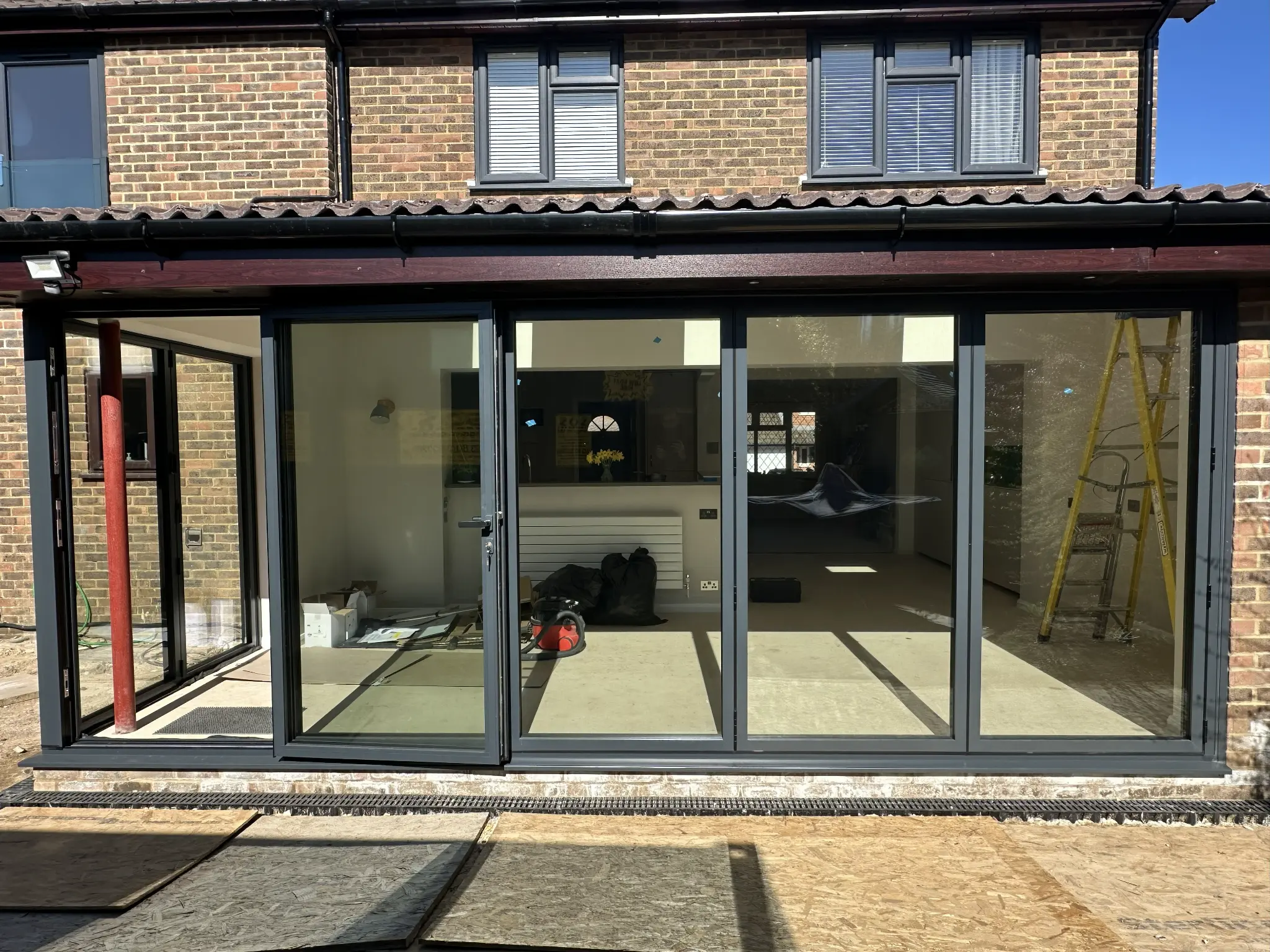
Rooms with extensive glazing, particularly those facing south or west, will receive the most direct sunlight and thus the highest UV exposure. Conservatories, orangeries, and large bifold or sliding doors are prime candidates for enhanced UV protection.
Balance UV Protection with Light & Heat
While maximising UV protection is good, ensure it doesn't unduly compromise natural light levels or lead to excessive solar heat gain (or loss). Low-E coatings are excellent for balancing thermal performance and light transmission, while laminated glass offers superior UV blocking with minimal impact on visible light.
Consult with Professionals
An experienced glazing specialist can advise on the best glass specification for your specific needs, considering factors like orientation, room usage, and budget. They can provide detailed specifications including U-values, G-values (solar factor), and UV transmission percentages.
Check Warranties
Ensure that any glazing you choose comes with a comprehensive warranty covering both the unit's thermal performance and the integrity of any special coatings or interlayers.
Future-Proofing
Investing in high-quality, UV-protective glazing now can save significant costs in the long run by preserving your home's interior and potentially reducing skin damage risk for occupants.
Benefits of Advanced UV-Protective Glazing
Upgrading your home's glazing to include advanced UV protection offers a multitude of advantages:
Preservation of Interiors
Significantly slows down or prevents the fading and degradation of furniture, carpets, artwork, and wooden floors, extending their lifespan and maintaining their aesthetic appeal.
Enhanced Health & Comfort
Reduces exposure to harmful UVA and UVB rays, contributing to better skin health for occupants and minimising the risk of sun-related skin damage indoors.
Improved Thermal Efficiency
Many UV-protective glass types, particularly those with low-E coatings, also offer excellent thermal insulation, helping to keep your home warmer in winter and cooler in summer, potentially reducing energy bills.
Increased Property Value
Modern, high-performance glazing is a desirable feature for potential buyers, contributing to the overall value and appeal of your property, especially in the UK market.
In conclusion, modern glass technology offers sophisticated solutions for mitigating the harmful effects of UV radiation. By understanding the options available and considering your specific needs, you can choose glazing that not only enhances the aesthetic appeal and thermal performance of your UK home but also provides crucial protection for your health and valuable possessions.
At Shard AG, we specialise in providing high-performance architectural glazing solutions tailored for the discerning UK homeowner. Our range includes advanced double and triple glazing options, incorporating the latest low-E coatings and laminated glass with superior UV-blocking interlayers. We work closely with you to specify glazing that meets stringent UK Building Regulations, optimises thermal efficiency, and provides the level of UV protection your home requires. Contact us today to discuss how our expert team can help you achieve a brighter, safer, and more energy-efficient living space.
Explore Our Products
Discover how Shard Architectural Glazing can transform your home with our premium glazing solutions:
Ready to Transform Your Home?
Get in touch with our expert team for a free consultation and personalised quote. We'll help you choose the perfect glazing solution for your property.