UV Protection in Modern Glass: A UK Homeowner's Guide
Discover how modern glazing protects your home from harmful UV rays. Learn about glass types, Building Regulations, and practical benefits for UK homeowners.

Shard Architectural Glazing
14 February 2026
Discover how modern glazing protects your home from harmful UV rays. Learn about glass types, Building Regulations, and practical benefits for UK homeowners.
📋In This Article
As UK homeowners, we often focus on factors like insulation, security, and aesthetics when choosing new windows and doors. However, one crucial aspect that frequently goes overlooked is Ultraviolet (UV) protection. While sunlight brightens our homes, the UV radiation it contains can have detrimental effects on our interiors and even our health. Modern glazing technology has made significant strides in mitigating these risks, offering advanced solutions that provide both clarity and protection.
This comprehensive guide will delve into the world of UV protection in modern glass, explaining what UV radiation is, why it's a concern, and how contemporary glazing solutions can safeguard your home and family. We'll explore the different types of UV-protective glass available, discuss relevant UK Building Regulations, and provide practical advice for making informed decisions about your home's glazing.
Understanding UV Radiation and Its Impact
Ultraviolet (UV) radiation is a form of electromagnetic radiation emitted by the sun. It's invisible to the human eye and is categorised into three main types based on wavelength:
- UVA (320-400 nm): Penetrates deepest into the skin and is a primary cause of skin ageing, wrinkles, and contributes to skin cancer. It can also penetrate standard window glass.
- UVB (290-320 nm): Primarily responsible for sunburn and a significant contributor to skin cancer. Most UVB is blocked by standard window glass.
- UVC (100-290 nm): The most dangerous type, but fortunately, it is almost entirely absorbed by the Earth's ozone layer and does not reach the ground.
Why UV Protection in Glass Matters
While we often associate UV damage with outdoor exposure, the reality is that UVA rays can easily pass through unprotected windows, silently causing damage inside your home. The impacts are wide-ranging:
- Fading of Furnishings: Prolonged exposure to UV radiation causes dyes and pigments in carpets, curtains, upholstery, artwork, and wooden furniture to break down, leading to irreversible fading and discolouration.
- Material Degradation: UV rays can weaken and degrade various materials over time, including plastics, fabrics, and finishes, shortening their lifespan.
- Health Concerns: Although glass blocks most UVB, UVA rays can still contribute to skin ageing, eye damage, and an increased risk of skin cancer for individuals spending extended periods near unprotected windows.
- Heat Gain: While not directly UV-related, some UV-protective coatings also help to reduce solar heat gain, contributing to a more comfortable indoor temperature and lower cooling costs.
How Modern Glass Provides UV Protection
Standard clear float glass, typically 3mm or 4mm thick, offers some inherent UV protection, blocking most UVB rays. However, it is largely ineffective against UVA rays, allowing up to 75% of them to pass through. Modern glazing technology employs several strategies to significantly enhance UV blockage:
1. Laminated Glass
Laminated glass consists of two or more panes of glass bonded together with an interlayer, typically made of Polyvinyl Butyral (PVB). This PVB interlayer is highly effective at absorbing UV radiation. In fact, laminated glass can block over 99% of harmful UV rays (both UVA and UVB) up to 380 nm, making it one of the most effective solutions for UV protection.
- Mechanism: The PVB interlayer acts as a UV filter.
- Additional Benefits: Enhanced security (it holds together when shattered), sound insulation, and safety (reduces risk of injury from broken glass).
- Applications: Ideal for conservatories, large picture windows, rooflights, and areas where security and UV protection are paramount.
2. Low-Emissivity (Low-E) Coatings
Low-E coatings are microscopic, transparent metal oxide layers applied to one surface of a glass pane, usually within a double or triple-glazed unit. While their primary function is to improve thermal insulation by reflecting long-wave infrared radiation (heat), many modern Low-E coatings also offer incidental UV protection.
- Mechanism: The metallic particles in the coating can reflect or absorb a portion of the UV spectrum.
- UV Blocking Efficacy: Varies depending on the specific coating, but can block a significant percentage of UV rays, often around 80-90%.
- Additional Benefits: Excellent thermal insulation, reduced glare, and improved energy efficiency.
- Applications: Standard in most modern double and triple glazing for energy efficiency, offering good all-round performance.
3. Tinted Glass
Tinted glass, produced by adding colourants during the manufacturing process, absorbs a portion of the solar spectrum, including some UV radiation. The level of UV protection depends on the tint's density and colour.
- Mechanism: Colourants in the glass absorb UV rays.
- UV Blocking Efficacy: Can block 50-70% of UV rays, but less effective than laminated glass or specialised Low-E coatings.
- Drawbacks: Reduces visible light transmission, potentially making rooms darker.
- Applications: Often used in commercial buildings or specific architectural designs where reduced glare and privacy are also desired.
4. Specialised UV-Filtering Films
While not a type of glass itself, UV-filtering films can be applied to existing glass panes to enhance UV protection. These films are typically clear and designed to block a very high percentage of UV rays without significantly altering visible light transmission.
- Mechanism: Polymer layers with UV absorbers.
- UV Blocking Efficacy: Can block over 99% of UV rays.
- Benefits: Cost-effective upgrade for existing windows, also offers shatter resistance.
- Considerations: Professional installation is recommended for best results; lifespan can be shorter than integrated solutions.
Interior Preservation
Significantly reduces fading and degradation of furniture, flooring, artwork, and fabrics, extending their lifespan and maintaining their aesthetic appeal.
Health Protection
Minimises exposure to harmful UVA rays indoors, contributing to better skin health and reducing the risk of sun-related damage for occupants.
Energy Efficiency
Many UV-protective glazing options, especially Low-E glass, also improve thermal insulation, leading to reduced heating and cooling costs.
Enhanced Comfort
By reducing solar heat gain and glare, these glazing solutions create a more comfortable and stable indoor environment, particularly in sunny rooms.
UK Building Regulations and Standards
While there isn't a specific UK Building Regulation solely dedicated to UV protection in glass, the broader requirements for energy efficiency and safety indirectly influence the types of glass used, which often include UV-protective properties.
Part L: Conservation of Fuel and Power
Part L of the Building Regulations (2022 edition for England) sets stringent requirements for the thermal performance of buildings. This is highly relevant because the most effective UV-protective glazing options, such as Low-E double or triple glazing, are also excellent thermal insulators.
- New Build Windows/Doors: Maximum U-value of 1.2 W/m²K.
- Replacement Windows/Doors: Maximum U-value of 1.4 W/m²K.
To achieve these low U-values, modern windows almost invariably incorporate Low-E glass within an insulated glazed unit (IGU). As discussed, these Low-E coatings inherently offer a good level of UV protection.
Part K: Protection from Falling, Collision and Impact
Part K addresses safety glazing in critical locations (e.g., doors, side panels, low-level glazing). Where safety glass is required, laminated glass is often specified. As laminated glass provides superior UV protection, this regulation indirectly promotes its use in certain areas of the home.
Pro Tip
When discussing glazing options with your installer, always ask for the Solar Factor (g-value) and UV Transmittance (Tuv). The g-value indicates how much solar energy (including heat and light) passes through the glass (lower is better for reducing heat gain). Tuv indicates the percentage of UV radiation transmitted (lower is better for UV protection). Aim for a Tuv of less than 1% for maximum protection.
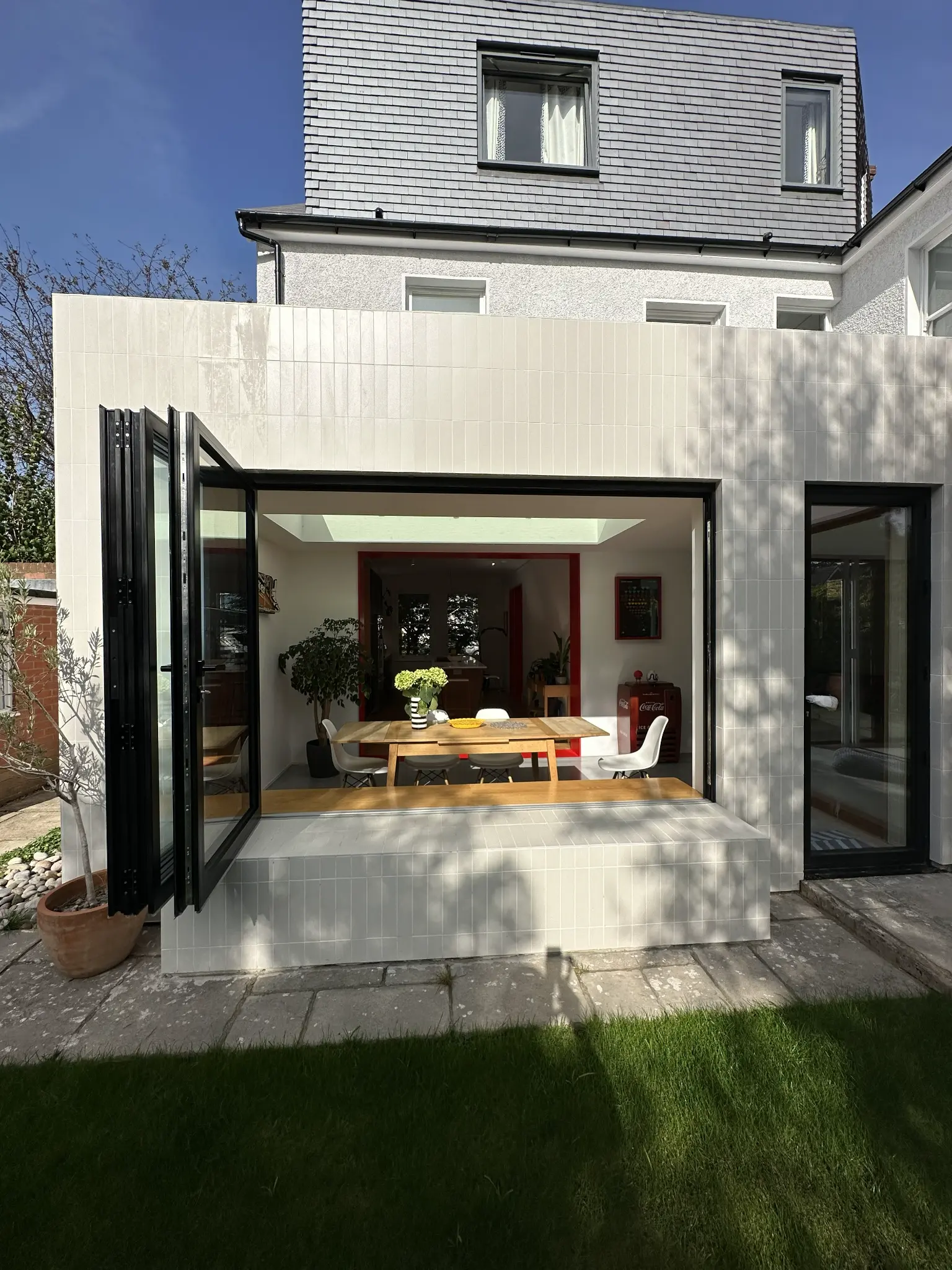
Choosing the Right UV-Protective Glass for Your Home
Selecting the best UV-protective glass involves balancing various factors, including cost, performance, and specific needs for different areas of your home. Here's a comparison of common options:
| Glass Type | Primary UV Blocking Mechanism | Typical UV Blockage (UVA & UVB) | Key Benefits | Considerations |
|---|---|---|---|---|
| Standard Clear Float Glass | Inherent absorption (mostly UVB) | ~25-30% (UVA), ~90% (UVB) | Lowest cost | Poor UVA protection, no thermal benefits |
| Low-E Coated Glass (in IGU) | Metallic coating reflection/absorption | ~80-90% | Excellent thermal insulation, energy efficiency | UV protection is secondary to thermal performance |
| Laminated Glass (with PVB) | PVB interlayer absorption | >99% | Superior UV protection, enhanced security, sound insulation | Higher cost, slightly thicker |
| Tinted Glass | Colourant absorption | ~50-70% | Reduced glare, some privacy | Reduces visible light, less effective UV blocking |
| UV-Filtering Film (Applied) | Polymer layers with UV absorbers | >99% | Cost-effective upgrade for existing windows | Requires professional application, shorter lifespan than integrated solutions |
Practical Considerations for UK Homeowners
- Conservatories & Sunrooms: These areas receive maximum sun exposure. Laminated glass for roofs and vertical glazing, combined with high-performance Low-E coatings, is highly recommended to protect furnishings and maintain comfort.
- South-Facing Rooms: Rooms that get direct sunlight for much of the day will benefit most from high UV-blocking glass to prevent fading and reduce heat gain.
- Artwork & Valuables: For rooms housing valuable artwork, antiques, or sensitive materials, investing in laminated glass with maximum UV blockage is a wise decision.
- Energy Efficiency vs. UV Protection: Modern Low-E double or triple glazing offers a good balance of both. For ultimate UV protection, look for Low-E units that also incorporate a laminated pane.
- Consult a Professional: Always discuss your specific needs and concerns with a reputable glazing specialist. They can advise on the best glass specifications to meet your requirements, ensuring compliance with UK Building Regulations.
Conclusion: Investing in Your Home and Well-being
UV protection in modern glass is no longer a luxury but a sensible investment for any UK homeowner. By understanding the types of UV radiation and the advanced glazing solutions available, you can make informed choices that safeguard your interior furnishings, enhance your family's well-being, and contribute to a more comfortable and energy-efficient home environment.
From the superior blocking power of laminated glass to the balanced performance of Low-E coatings, modern glazing offers effective ways to enjoy natural light without the hidden costs of UV damage. Always ensure your chosen glazing complies with current UK Building Regulations, particularly Part L for thermal performance, and seek expert advice to tailor solutions to your specific property.
At Shard AG, we specialise in providing high-performance glazing solutions tailored for UK homes. Our extensive range includes advanced Low-E double and triple glazing, as well as laminated glass options, all designed to offer excellent UV protection, thermal efficiency, and security. We work closely with homeowners to specify and install glazing that meets the highest standards of performance and aesthetics, ensuring your home is protected and comfortable for years to come. Contact us today to discuss your glazing project and discover how our expertise can benefit you.
Explore Our Products
Discover how Shard Architectural Glazing can transform your home with our premium glazing solutions:
Ready to Transform Your Home?
Get in touch with our expert team for a free consultation and personalised quote. We'll help you choose the perfect glazing solution for your property.