

Weather Sealing Technology: Protecting Your UK Home
Discover the vital role of weather sealing in UK homes. Learn about materials, techniques, Building Regulations, and how to safeguard your property from the elements.

Shard Architectural Glazing
28 February 2026
Discover the vital role of weather sealing in UK homes. Learn about materials, techniques, Building Regulations, and how to safeguard your property from the elements.
📋In This Article
In the unpredictable climate of the United Kingdom, protecting your home from the elements is not just a matter of comfort; it's essential for its longevity, energy efficiency, and structural integrity. At the heart of this protection lies effective weather sealing technology. From driving rain and biting winds to fluctuating temperatures, proper sealing acts as your home's first line of defence, preventing moisture ingress, draughts, and heat loss.
This comprehensive guide will delve into the world of weather sealing, exploring the materials, techniques, and critical considerations for UK homeowners. We'll examine how modern sealing solutions contribute to energy efficiency, comply with Building Regulations, and ultimately enhance the comfort and value of your property.
What is Weather Sealing and Why is it Crucial?
Weather sealing refers to the application of materials and techniques designed to prevent the passage of air, water, dust, and noise through gaps and joints in a building's envelope. This includes areas around windows, doors, roofs, foundations, and any other penetrations in the structure.
The UK Climate Challenge
The UK experiences a temperate maritime climate, characterised by frequent rainfall, strong winds, and often mild but damp winters. These conditions make robust weather sealing particularly critical:
- Moisture Ingress: Water penetration can lead to damp, mould growth, rot in timber frames, and damage to internal finishes, compromising structural integrity over time.
- Draughts and Heat Loss: Unsealed gaps allow cold air to enter and warm air to escape, leading to uncomfortable living spaces and significantly increased heating bills.
- Noise Pollution: Effective sealing also contributes to acoustic insulation, reducing external noise from traffic or neighbours.
- Pest Control: Small gaps can be entry points for insects and rodents, which proper sealing can deter.
Pro Tip
Regularly inspect your home's exterior for signs of deteriorating seals, such as cracked mastic around windows or worn-out door seals. Addressing these issues proactively can prevent more significant, costly problems down the line.

Common Weather Sealing Materials and Their Applications
A variety of materials are employed in weather sealing, each with specific properties suited to different applications. Understanding their characteristics is key to choosing the right solution for your home.
1. Sealants (Mastics and Caulks)
- Silicone Sealants: Highly flexible, durable, and resistant to UV radiation and extreme temperatures. Ideal for external joints around windows, doors, and expansion joints in masonry. Available in various colours and formulations (e.g., low modulus for high movement, high modulus for rigid joints).
- Acrylic Sealants (Caulks): Paintable and easy to apply, but generally less flexible and durable than silicone. Best suited for internal applications or areas with minimal movement, such as skirting boards or architraves.
- Polyurethane Sealants: Offer excellent adhesion, flexibility, and durability, often used in construction for sealing concrete, masonry, and metal joints. Can be painted over.
- Butyl Sealants: Known for their excellent water resistance and adhesion, often used in roofing and guttering applications.
2. Gaskets and Weatherstripping
- EPDM Rubber: Extremely durable, weather-resistant, and flexible. Commonly used for window and door gaskets, providing excellent compression sealing.
- Silicone Rubber: Offers superior temperature resistance and flexibility compared to EPDM, often used in high-performance glazing systems.
- Brush Seals: Typically found on the bottom of doors, especially garage doors, to seal against uneven surfaces while allowing movement.
- Foam Strips: Self-adhesive, compressible foam used for sealing gaps around doors and windows. Less durable than rubber or silicone but easy to install for minor draughts.
3. Expanding Foams
- Polyurethane Expanding Foam: Used to fill larger gaps and voids, providing both thermal and acoustic insulation. Common around window and door frames before finishing. It's crucial to use appropriate low-expansion foams for frames to avoid distortion.
4. Tapes and Membranes
- Flashing Tapes: Self-adhesive, waterproof tapes used around window and door openings to create a continuous weather barrier, particularly critical in timber frame construction.
- Vapour Control Layers (VCLs) and Breather Membranes: Integral to wall and roof construction, VCLs prevent moisture from inside the building from entering the structure, while breather membranes allow moisture vapour to escape from the structure but prevent liquid water from entering.
Weather Sealing and UK Building Regulations
Compliance with UK Building Regulations is paramount for any construction or renovation project. Effective weather sealing plays a significant role in meeting several key parts, particularly those related to energy efficiency and structural integrity.
Part L: Conservation of Fuel and Power
Part L of the Building Regulations (2022 edition for England) sets stringent requirements for the thermal performance of buildings. Proper weather sealing is fundamental to achieving the required U-values (a measure of heat loss) and reducing air leakage.
- Air Permeability: Buildings must meet specific air tightness targets. Gaps and cracks contribute significantly to air leakage, which can account for a substantial portion of heat loss. Robust sealing around all openings and junctions is essential for achieving a good air permeability score (measured in m³/(h.m²) @ 50 Pa).
- U-Values: While U-values primarily relate to the insulation properties of materials, effective sealing prevents thermal bridging and ensures the insulation performs as intended. For instance, replacement windows and doors must achieve a U-value of 1.4 W/m²K or better, and new build elements have even stricter requirements: walls (0.18 W/m²K), floors (0.18 W/m²K), roofs (0.15 W/m²K), and windows/doors (1.2 W/m²K). Poor sealing can undermine these targets.
Part C: Site Preparation and Resistance to Contaminants and Moisture
This part addresses the need to protect buildings from moisture ingress, including rain, ground water, and condensation. Proper detailing of weather seals around openings, at the junction of walls and roofs, and at ground level is critical to prevent damp and water penetration.
Part F: Ventilation
While weather sealing aims for air tightness, Part F ensures adequate ventilation to maintain good indoor air quality and prevent condensation. It's a balance: seal the building envelope effectively, but ensure controlled ventilation (e.g., trickle vents in windows, mechanical ventilation systems) is in place.
It is always advisable to consult with your local Building Control body or a qualified professional to ensure your project complies with all relevant regulations.
Best Practices for Effective Weather Sealing
Achieving a truly weather-tight home requires careful planning, attention to detail, and the use of appropriate techniques.
1. Surface Preparation
- Cleanliness: Surfaces must be clean, dry, and free from dust, grease, and loose debris for optimal sealant adhesion.
- Priming: Some sealants require a primer on porous or difficult substrates to ensure proper bonding.
2. Application Techniques
- Consistent Bead: Apply sealants in a continuous, even bead, ensuring full contact with both surfaces of the joint.
- Tooling: Tooling the sealant immediately after application ensures good adhesion, creates a smooth finish, and forces the sealant into the joint.
- Joint Design: For optimal performance, sealants should adhere to the two sides of a joint, not the back. This allows for movement without tearing the sealant. Backer rods are often used to control sealant depth.
- Multi-Layer Approach: Modern construction often employs a 'belt and braces' approach, using multiple layers of defence (e.g., flashing tapes, membranes, and external sealants) to create robust weather barriers.
3. Material Compatibility
Ensure that all sealing materials are compatible with the substrates they are applied to and with each other. Incompatible materials can lead to adhesion failure, discolouration, or degradation.
4. Professional Installation
While some weather sealing tasks are suitable for DIY, critical areas like window and door installations, or complex roof junctions, benefit significantly from professional installation. Experienced installers understand the nuances of material application, joint design, and Building Regulation compliance.
Benefits of Superior Weather Sealing
Investing in high-quality weather sealing technology offers a multitude of advantages for UK homeowners:
Enhanced Energy Efficiency
Significantly reduces heat loss and draughts, leading to lower energy consumption and reduced heating bills. A well-sealed home requires less energy to maintain a comfortable temperature.
Improved Comfort & Health
Eliminates cold spots and draughts, creating a more comfortable living environment. Prevents moisture ingress, reducing the risk of damp, mould, and associated health issues.
Increased Property Longevity
Protects the building fabric from water damage, rot, and decay, extending the lifespan of structural elements and finishes. Reduces maintenance needs and costs over time.
Better Acoustic Performance
Contributes to sound insulation by sealing gaps that would otherwise allow external noise to penetrate, creating a quieter and more peaceful indoor environment.
Choosing the Right Weather Sealing for Your Home
The choice of weather sealing will depend on the specific application, the materials involved, and the desired performance. Here's a comparative overview of common options for windows and doors:
| Sealing Type | Primary Material | Key Features | Typical Application | Pros | Cons |
|---|---|---|---|---|---|
| External Frame Sealant | Silicone (low modulus) | Highly flexible, UV stable, waterproof | Around exterior of window/door frames | Excellent weather resistance, long-lasting | Requires clean surface, can be tricky to apply neatly |
| Internal Frame Sealant | Acrylic (paintable caulk) | Paintable, easy to clean, less flexible | Around interior of window/door frames, skirting | Aesthetically pleasing, easy to DIY | Less durable externally, not for high movement |
| Window/Door Gaskets | EPDM, Silicone rubber | Compressible, durable, excellent draught/water seal | Integrated into window/door sashes and frames | High performance, long lifespan, factory fitted | Difficult to replace DIY, specific to frame design |
| Door Bottom Seal | Rubber, Brush, Aluminium/PVC with rubber fin | Prevents draughts, rain, and debris under door | Bottom edge of external doors | Effective draught exclusion, easy to install some types | Can wear out, may impede door swing if too thick |
| Expanding Foam (Low Expansion) | Polyurethane foam | Fills large gaps, insulates, sound dampening | Between window/door frame and structural opening | Excellent insulation, fills irregular gaps | Can distort frames if high expansion, not a primary water seal |
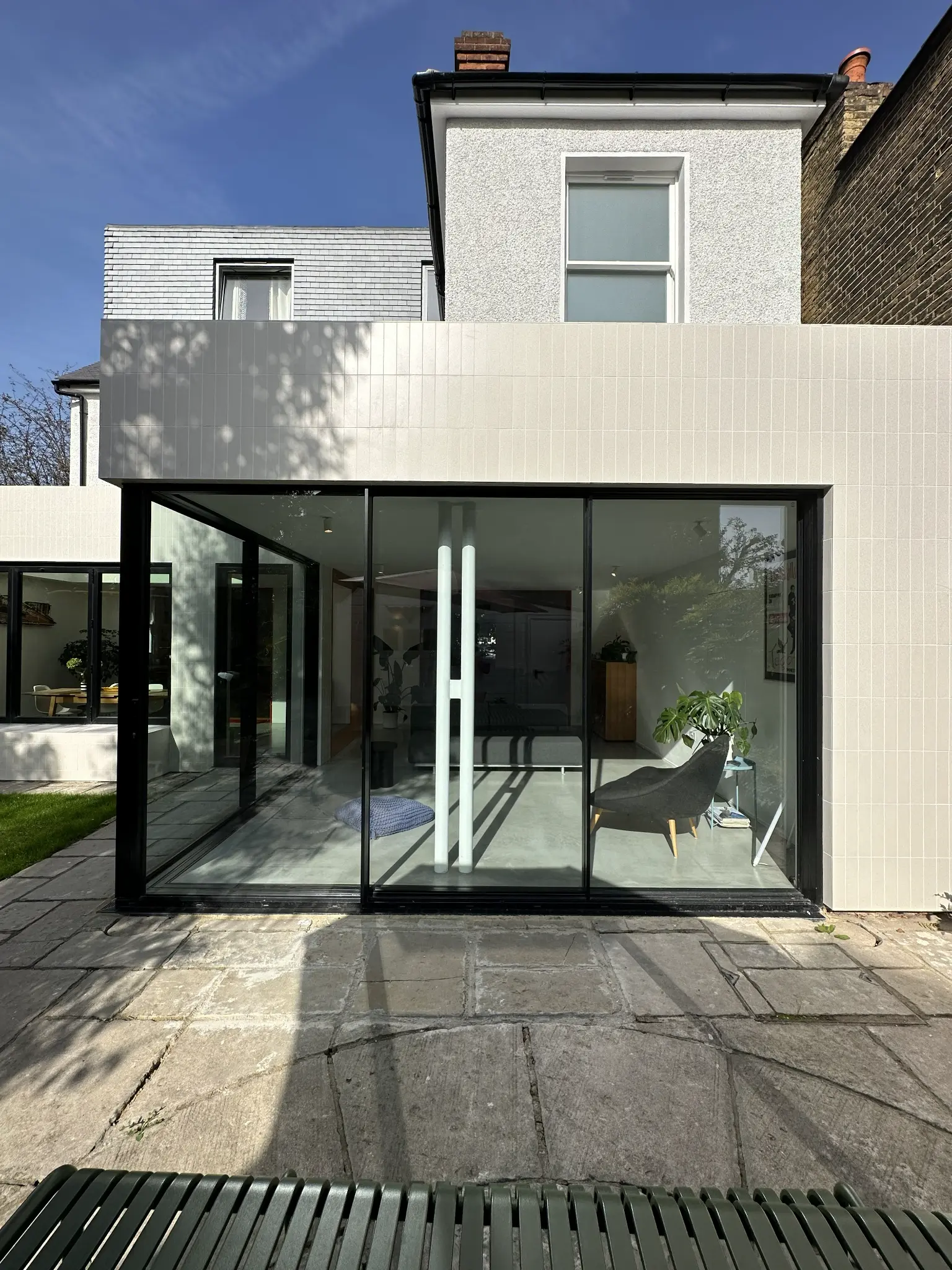
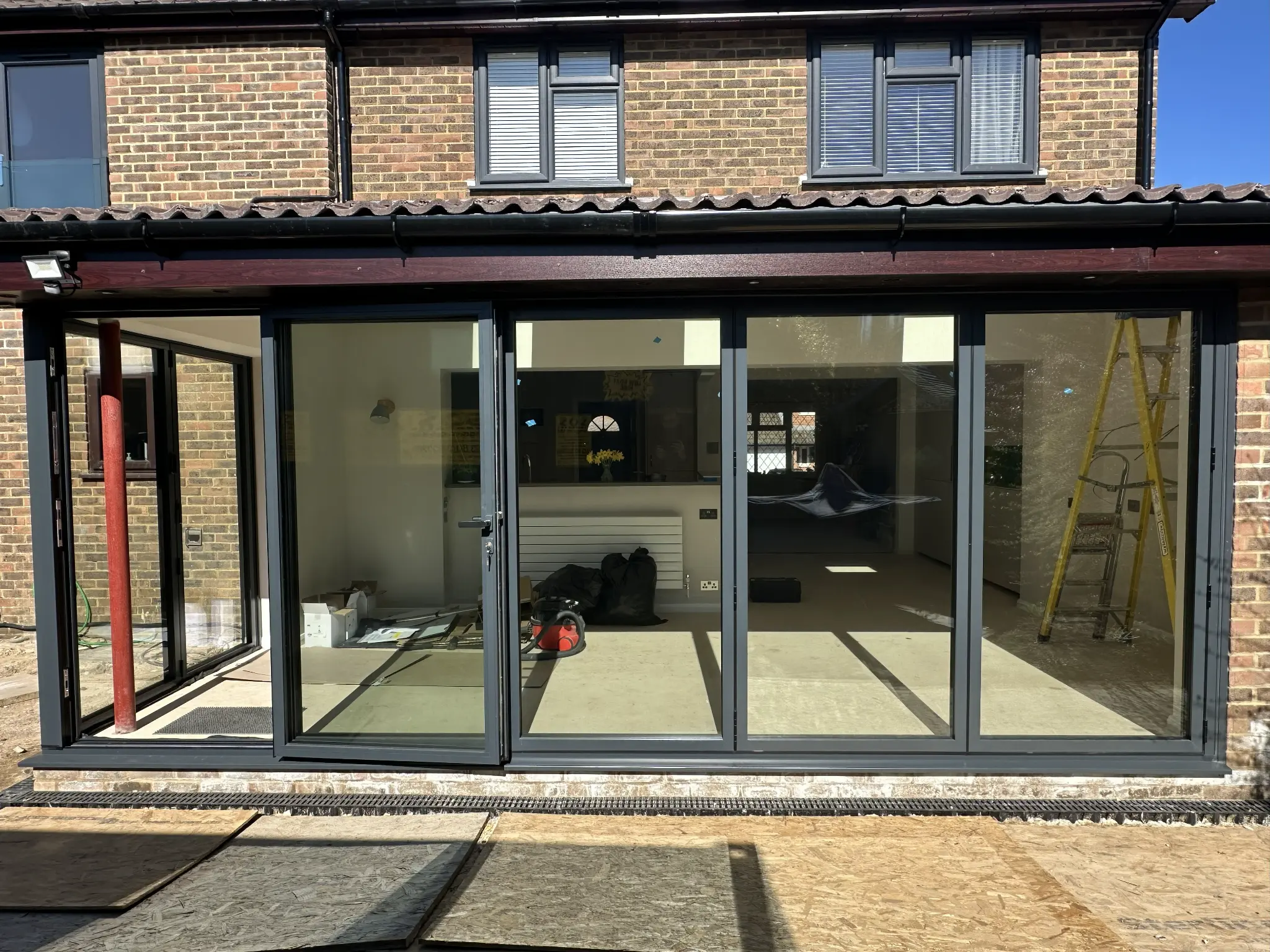
When considering new glazing, such as bifold doors or sliding doors, pay close attention to the manufacturer's specified weather sealing. High-quality systems will incorporate multiple layers of seals, often with EPDM or silicone gaskets, and robust drainage systems to ensure superior weather performance.
Conclusion
Weather sealing technology is an unsung hero of modern home construction and renovation. It's not merely about preventing leaks; it's about creating a comfortable, energy-efficient, and durable living space that stands up to the rigours of the UK climate. By understanding the different materials, adhering to best practices, and ensuring compliance with Building Regulations, homeowners can make informed decisions that protect their investment and enhance their quality of life.
For expert advice and high-performance glazing solutions that incorporate cutting-edge weather sealing technology, consider consulting with specialists. At Shard AG, we pride ourselves on specifying and installing products designed to exceed UK weather performance standards, ensuring your home remains warm, dry, and secure for years to come. Our team can guide you through the options, ensuring your project benefits from the best possible protection against the elements.
Explore Our Products
Discover how Shard Architectural Glazing can transform your home with our premium glazing solutions:
Ready to Transform Your Home?
Get in touch with our expert team for a free consultation and personalised quote. We'll help you choose the perfect glazing solution for your property.