


When embarking on a home improvement project involving new or replacement windows, one of the most significant decisions you'll face is the choice of frame material. In the UK, the two dominant contenders are aluminium and unplasticised polyvinyl chloride (uPVC). Both offer distinct advantages and potential drawbacks, and understanding these differences is crucial for making an informed decision that aligns with your budget, aesthetic preferences, and performance requirements.
This comprehensive guide will delve into the technical specifications, practical considerations, and compliance with UK Building Regulations for both aluminium and uPVC window frames, helping you navigate this important choice for your home.
Thermal Performance and UK Building Regulations
Thermal efficiency is paramount for any new window installation, directly impacting your home's energy consumption and comfort. In the UK, this is governed by Part L of the Building Regulations (Conservation of Fuel and Power). For new windows, the key metric is the U-value, which measures how effectively a window prevents heat from escaping. A lower U-value indicates better insulation.
As per the latest 2022 amendments to Part L in England, the maximum U-values for windows are:
- New Build Properties: 1.2 W/m²K
- Replacement Windows in Existing Dwellings: 1.4 W/m²K
Both aluminium and uPVC frames, when properly designed and manufactured, can comfortably meet these requirements. However, their inherent properties differ.
Aluminium Frame Thermal Performance
Historically, aluminium was considered less thermally efficient due to its high conductivity. However, modern aluminium frames incorporate advanced thermal breaks. These are non-metallic barriers (often made from polyamide) inserted into the frame profile, separating the inner and outer aluminium sections. This significantly reduces heat transfer, allowing high-performance aluminium windows to achieve U-values well below the regulatory limits, often reaching 1.2 W/m²K or even lower with triple glazing.
uPVC Frame Thermal Performance
uPVC is an inherently good insulator. Its multi-chambered profile design traps air within the frame, creating an effective thermal barrier. This natural insulating property makes it relatively straightforward for uPVC windows to achieve excellent U-values, typically ranging from 1.4 W/m²K down to 1.2 W/m²K or even 0.8 W/m²K with advanced glazing and frame designs. For replacement windows, uPVC is a very popular choice due to its ease of meeting the 1.4 W/m²K standard.
Pro Tip
Always request the specific U-value for the complete window unit (frame and glass) from your supplier, not just the frame or glass in isolation. The overall U-value is what matters for Building Regulations compliance.
Durability, Longevity, and Maintenance
The lifespan and upkeep requirements of your windows are important practical considerations that can influence long-term costs and convenience.
Aluminium Frames
- Durability: Aluminium is an exceptionally strong and rigid material, highly resistant to corrosion, warping, and rotting. It does not rust or degrade when exposed to the elements.
- Longevity: With proper installation and minimal maintenance, aluminium frames can last 40 years or more.
- Maintenance: Very low maintenance. They typically only require periodic cleaning with soapy water to remove dirt and grime. The powder-coated finish is highly durable and resistant to fading, chipping, or peeling.
- Structural Integrity: Its strength allows for larger glass panes and slimmer sightlines, making it ideal for contemporary designs and expansive glazing.
uPVC Frames
- Durability: uPVC is a durable plastic that is resistant to rot, rust, and pests. It does not require painting or sealing. However, it can become brittle over a very long period, especially if exposed to extreme UV radiation without proper UV stabilisers.
- Longevity: Typically, uPVC windows have a lifespan of 20-35 years.
- Maintenance: Also very low maintenance, requiring only occasional cleaning with soapy water. Unlike aluminium, uPVC can sometimes discolour or become chalky over many years, particularly with lower quality products or darker colours, though modern uPVC is much more resistant to this.
- Structural Integrity: While strong, uPVC is not as rigid as aluminium, which can sometimes limit the size of individual panes or necessitate thicker frame profiles for larger openings.
Aesthetics and Design Flexibility
The visual impact of your windows plays a significant role in your home's overall appearance and kerb appeal.
Aluminium Frames
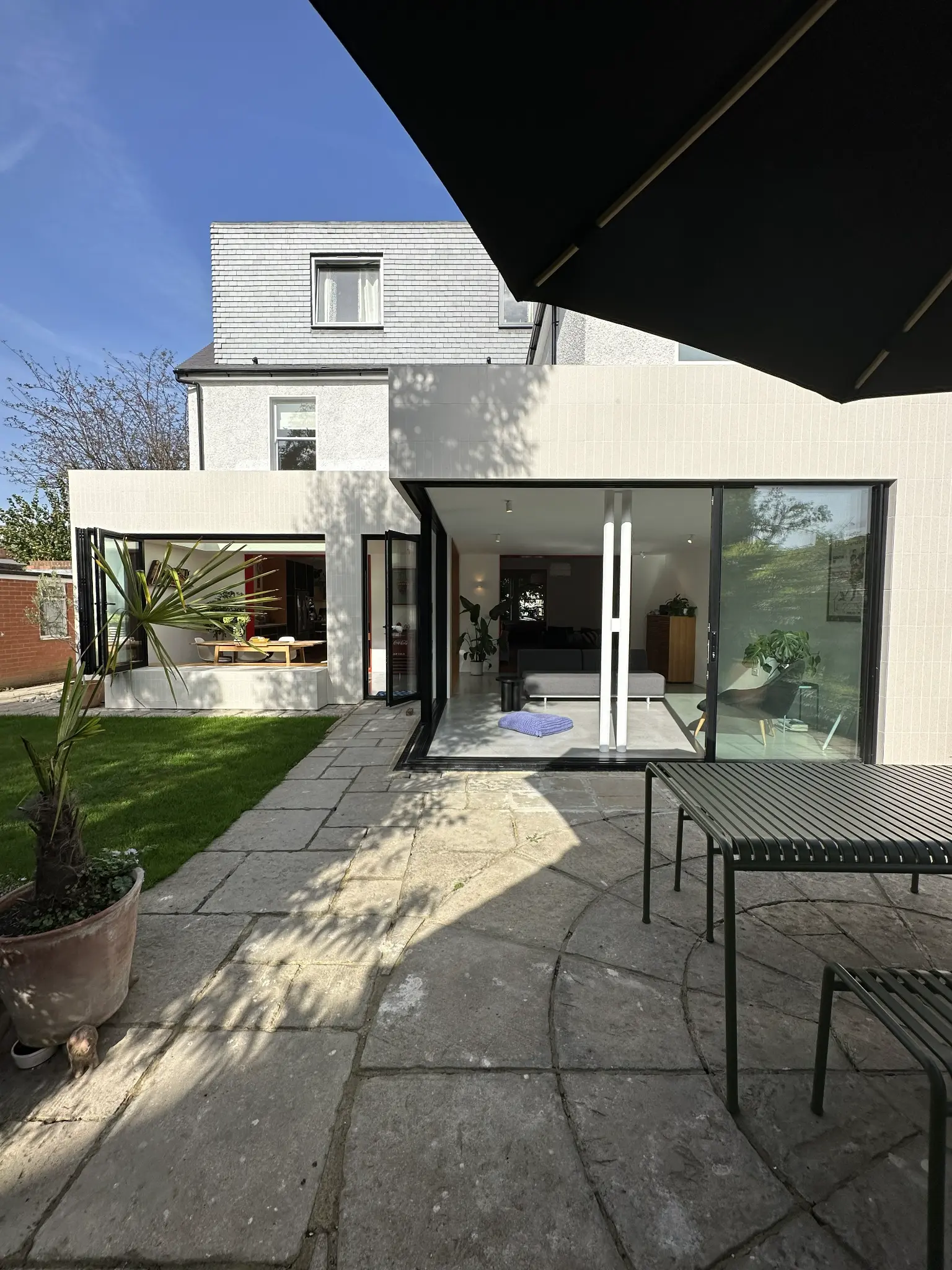
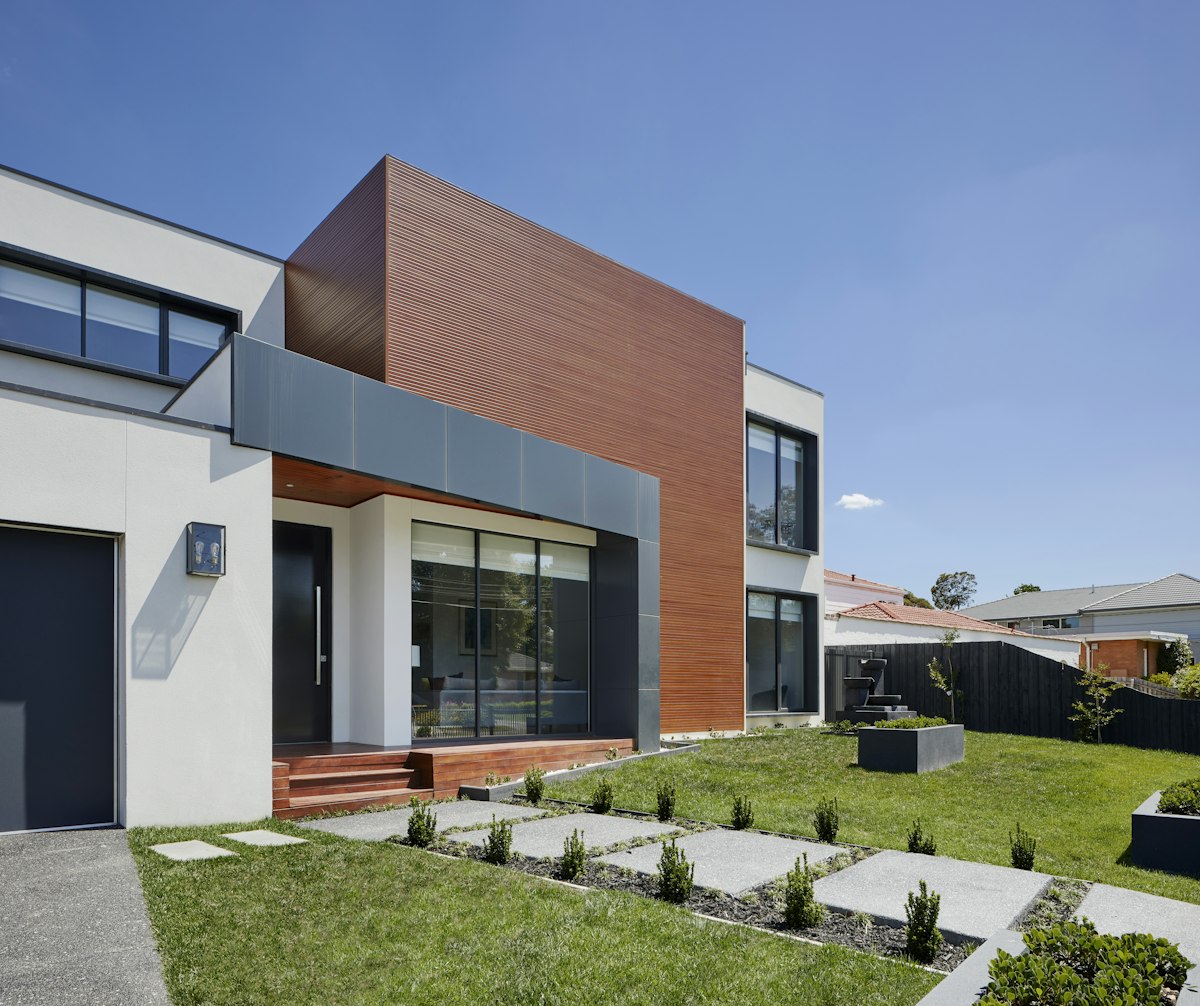
- Slim Sightlines: Aluminium's inherent strength allows for much slimmer frame profiles and larger glass areas compared to uPVC. This maximises natural light and offers a sleek, minimalist aesthetic, popular in modern and contemporary architecture.
- Colour Options: Available in virtually any RAL colour, typically applied via a durable powder-coating process. This offers extensive design flexibility, including dual-colour options (different colours inside and out). The finish is smooth and consistent.
- Finish: Matt, gloss, or even textured finishes are available, providing a premium look and feel.
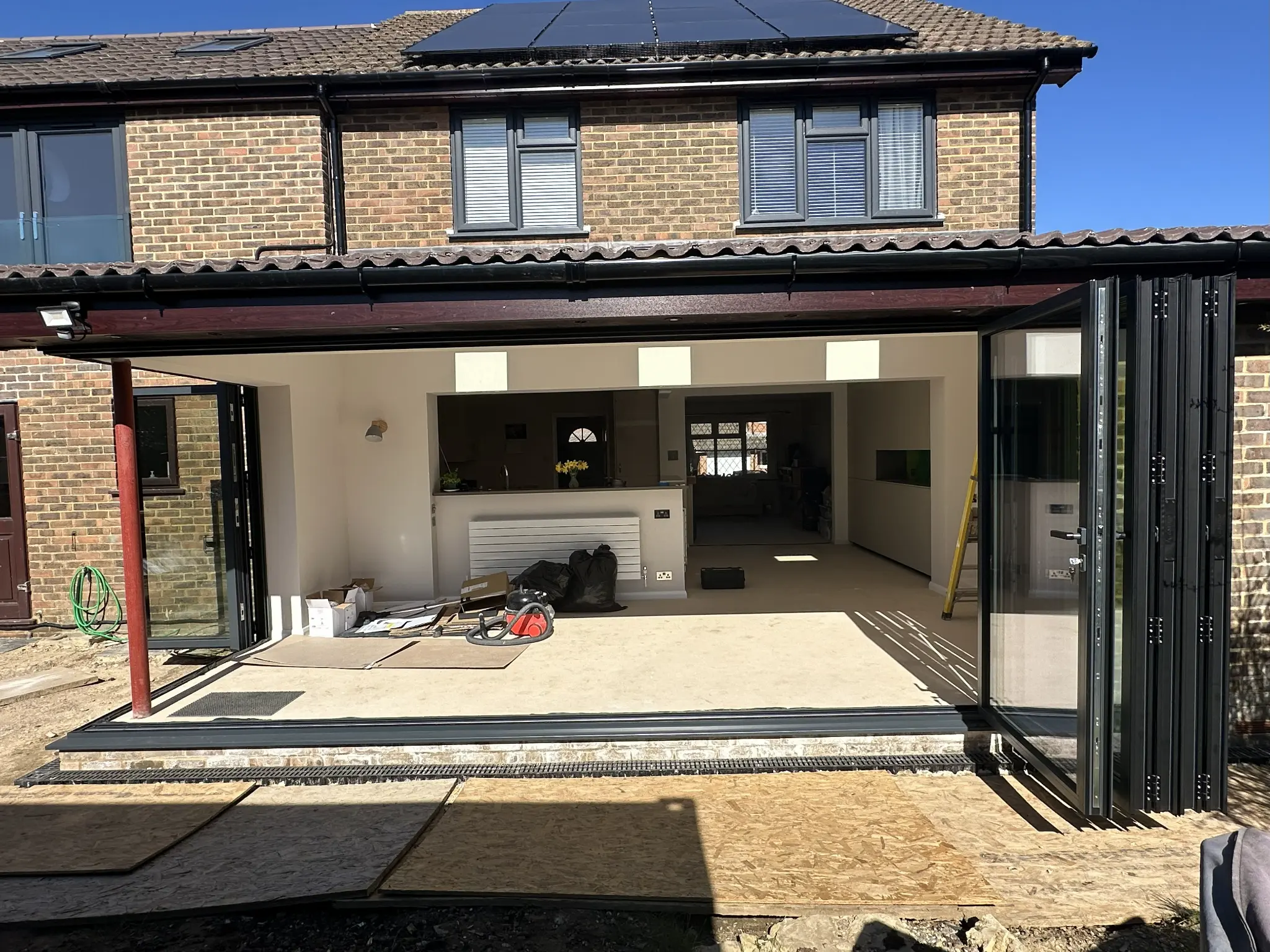
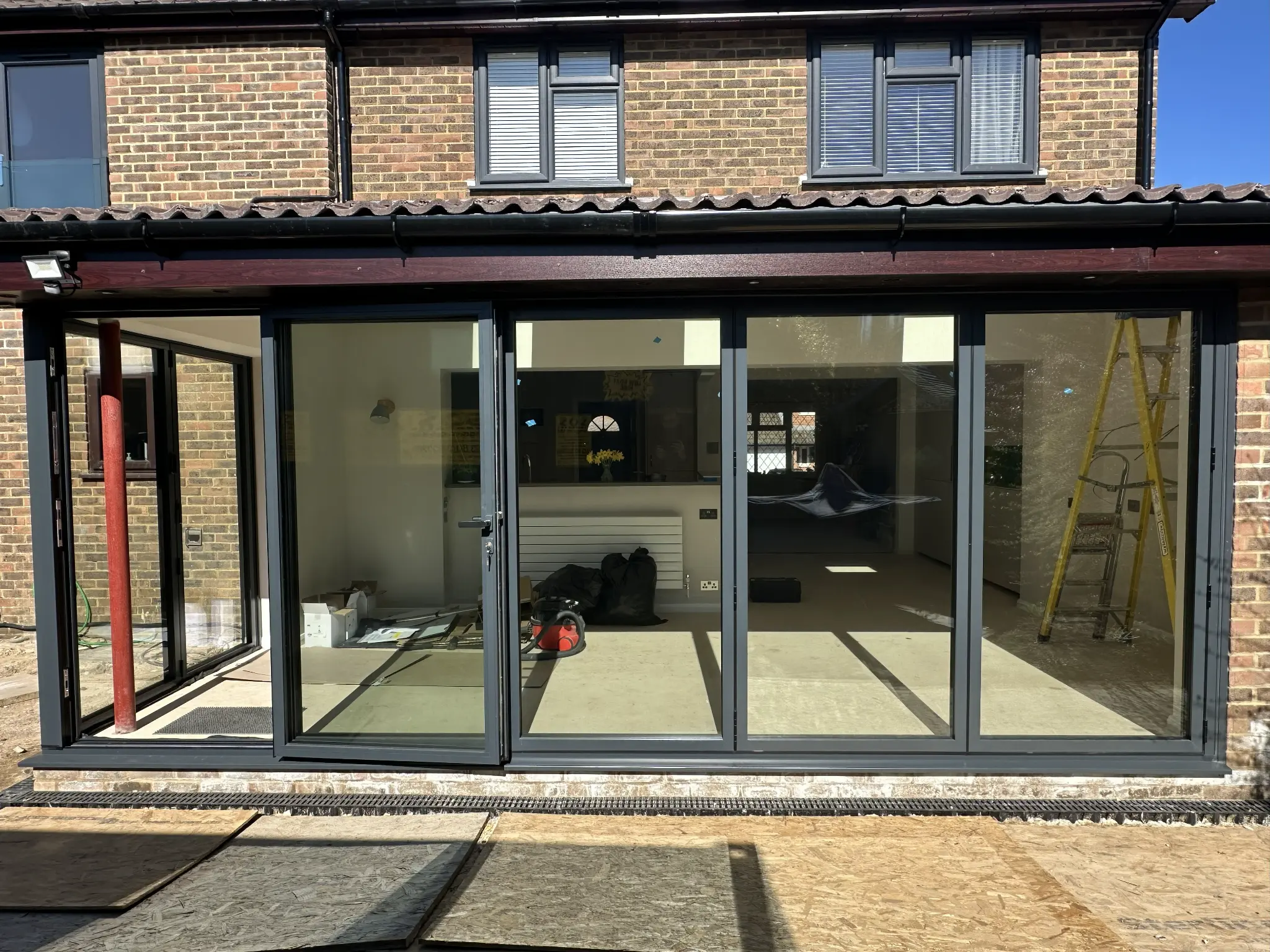
- Suitability: Often chosen for architectural glazing, bifold doors, sliding doors, and large picture windows where maximising views and light is key.
uPVC Frames
- Profile Thickness: uPVC frames tend to be thicker than aluminium due to the material's structural requirements, which can result in slightly reduced glass area and a more traditional appearance.
- Colour Options: Traditionally available in white, but now offered in a wide range of colours, often achieved through foils or spray painting. Woodgrain effects are also popular for replicating timber aesthetics.
- Finish: The finish can vary, with foiled options offering a textured appearance. While colours are extensive, the range might not be as vast or as consistently applied as powder-coated aluminium.
- Suitability: A versatile choice that can suit many property types, from new builds to period homes, especially with foiled finishes designed to mimic timber.
Cost Considerations
Budget is often a primary factor in any home improvement decision. It's important to consider both the initial outlay and long-term value.
Initial Cost
- Aluminium: Generally, aluminium windows have a higher initial purchase and installation cost than uPVC. This is due to the material cost, the more complex manufacturing process (especially for thermal breaks), and the premium finishes.
- uPVC: uPVC windows are typically the most cost-effective option, making them a popular choice for homeowners on a tighter budget.
Long-Term Value
- Aluminium: While more expensive upfront, their exceptional durability, longevity, and low maintenance can offer excellent long-term value. Their ability to achieve very slim sightlines and modern aesthetics can also add significant market appeal to a property.
- uPVC: Their lower initial cost and good thermal performance provide excellent value for money over their lifespan. However, their shorter lifespan compared to aluminium means they may need replacing sooner.
Environmental Impact
Sustainability is an increasingly important factor for many homeowners.
Aluminium
Aluminium is 100% recyclable and can be recycled repeatedly without loss of quality. The recycling process uses significantly less energy (around 5% of the energy required for primary production) than producing new aluminium. This makes it a very sustainable choice in the long run, provided the frames are recycled at the end of their life.
uPVC
While uPVC is a plastic, modern uPVC window frames are increasingly recyclable. Many manufacturers now have schemes to collect and recycle old uPVC frames into new products. However, the recycling process for uPVC is more complex than for aluminium, and it cannot be recycled indefinitely without some degradation of material properties.
Comparison Table: Aluminium vs. uPVC Windows
| Feature | Aluminium Frames | uPVC Frames |
|---|---|---|
| Initial Cost | Higher | Lower |
| Thermal Performance (U-value) | Excellent (1.2 W/m²K or lower with thermal breaks) | Excellent (1.4 W/m²K to 0.8 W/m²K) |
| Durability | Exceptional (40+ years) | Very Good (20-35 years) |
| Maintenance | Very Low | Very Low |
| Aesthetics | Slim, modern, wide colour range, premium finishes | Thicker profiles, good colour range (including woodgrain) |
| Strength/Rigidity | Very High (allows large panes, slim frames) | Good (thicker frames for large openings) |
| Recyclability | 100% recyclable, infinite cycles | Recyclable, but more complex process |
| Building Regs (Part L) | Easily meets 1.2 W/m²K (new build) / 1.4 W/m²K (replacement) | Easily meets 1.2 W/m²K (new build) / 1.4 W/m²K (replacement) |
Modern Aesthetics
Aluminium's slim sightlines and vast colour palette offer unparalleled design flexibility for contemporary homes.
Exceptional Durability
Both materials are robust, but aluminium offers superior strength and longevity, resisting warping and corrosion for decades.
Energy Efficiency
Advanced designs in both aluminium and uPVC ensure excellent thermal performance, helping to reduce energy bills and meet UK Building Regulations.
Low Maintenance
Enjoy minimal upkeep with either choice; both require only occasional cleaning to maintain their appearance and performance.
Making the Right Choice for Your Home
The decision between aluminium and uPVC ultimately depends on your specific priorities:
- If budget is your primary concern and you're looking for a reliable, thermally efficient, and low-maintenance option that meets all regulatory standards, uPVC is an excellent choice. It offers fantastic value for money and suits a wide range of property styles.
- If design aesthetics, maximum light, slim sightlines, and long-term durability are at the top of your list, and you have a more flexible budget, aluminium frames are likely to be your preferred option. They offer a premium finish and are particularly suited for large-scale glazing projects and contemporary architectural designs.
Regardless of your choice, always ensure that your chosen windows comply with the latest UK Building Regulations Part L. It is highly advisable to consult with your local Building Control department or a qualified professional for specific requirements pertaining to your project.
At Shard AG, we specialise in providing high-quality glazing solutions for UK homeowners. Our expert team can guide you through the options, offering detailed advice on both aluminium and uPVC frames to help you select the perfect windows that meet your home's unique needs, aesthetic vision, and budget. We ensure all our installations meet or exceed current UK Building Regulations, providing you with peace of mind and lasting performance.