Designing a Glass Kitchen Extension: UK Homeowner's Guide
Explore the world of glass kitchen extensions in the UK. Understand design options, building regulations, energy efficiency, and practical considerations for your home.

Shard Architectural Glazing
20 May 2026
Explore the world of glass kitchen extensions in the UK. Understand design options, building regulations, energy efficiency, and practical considerations for your home.
📋In This Article
Kitchen extensions are a popular way to enhance living space and add value to a property. When considering an extension, incorporating glass elements can transform the space, bringing in an abundance of natural light and creating a seamless connection with the outdoors. This comprehensive guide will delve into the various aspects of designing and building a glass kitchen extension in the UK, covering everything from design considerations and material choices to crucial Building Regulations and practical advice.
The Appeal of Glass Kitchen Extensions
Glass kitchen extensions offer a unique blend of aesthetics and functionality. They can dramatically alter the feel of your home, making spaces appear larger, brighter, and more inviting. The primary draw is the maximisation of natural light, which can reduce reliance on artificial lighting during the day and create a vibrant, uplifting atmosphere.
Benefits of Incorporating Glass
Enhanced Natural Light
Glass allows daylight to flood your kitchen, reducing the need for artificial lighting and creating a brighter, more open feel. This can positively impact mood and well-being.
Seamless Indoor-Outdoor Flow
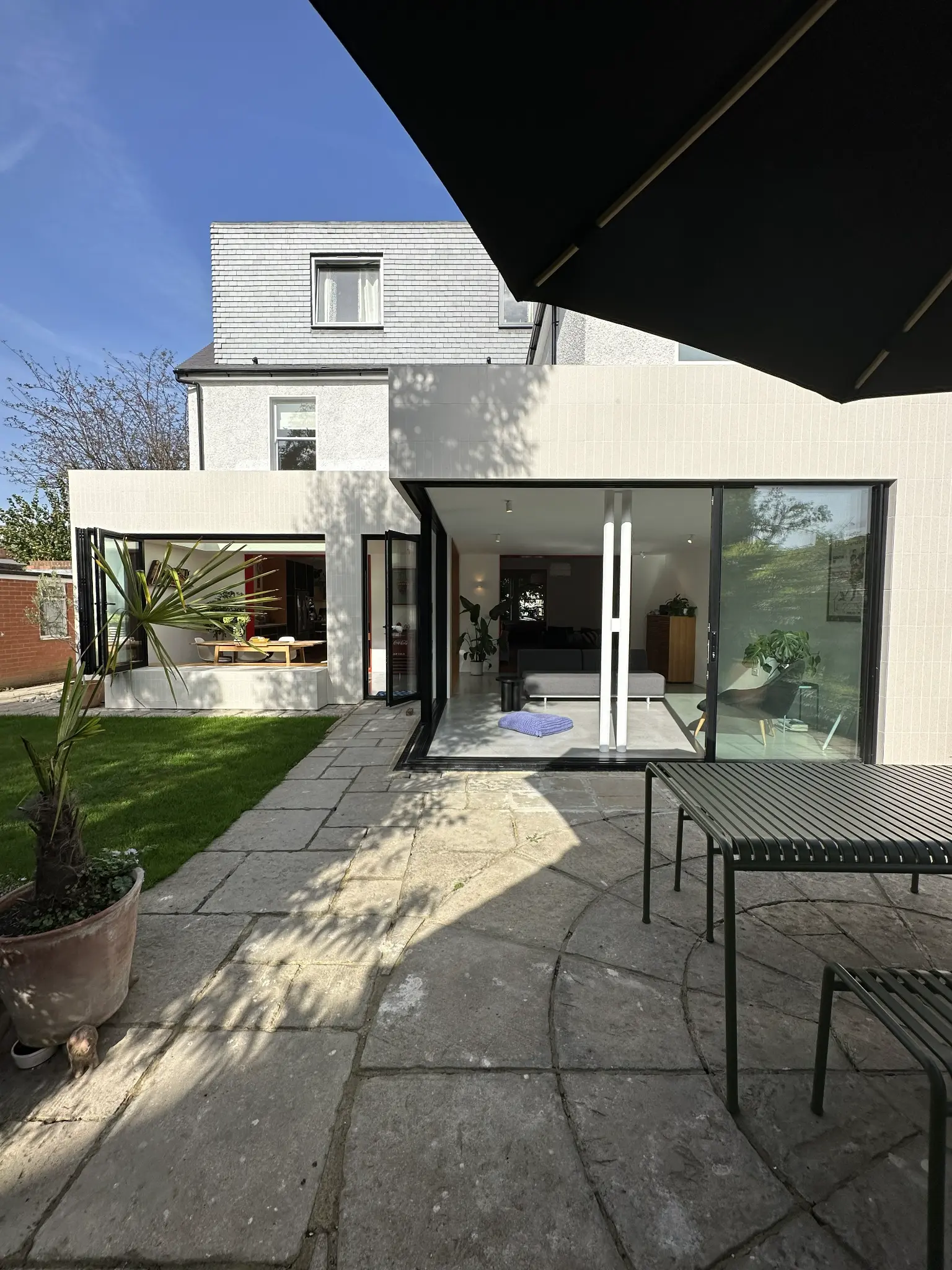
Large glass panels, bi-fold doors, or sliding doors can blur the lines between your kitchen and garden, perfect for entertaining and enjoying your outdoor space.
Modern Aesthetic Appeal
Glass extensions offer a contemporary, sophisticated look that can significantly update your home's appearance and increase its market value.
Perceived Spaciousness
The transparency of glass makes rooms feel larger and less enclosed, even if the physical footprint is modest.
Design Options for Glass Kitchen Extensions
The beauty of glass extensions lies in their versatility. There are numerous ways to integrate glass, from subtle touches to fully glazed structures.
Types of Glazing Elements
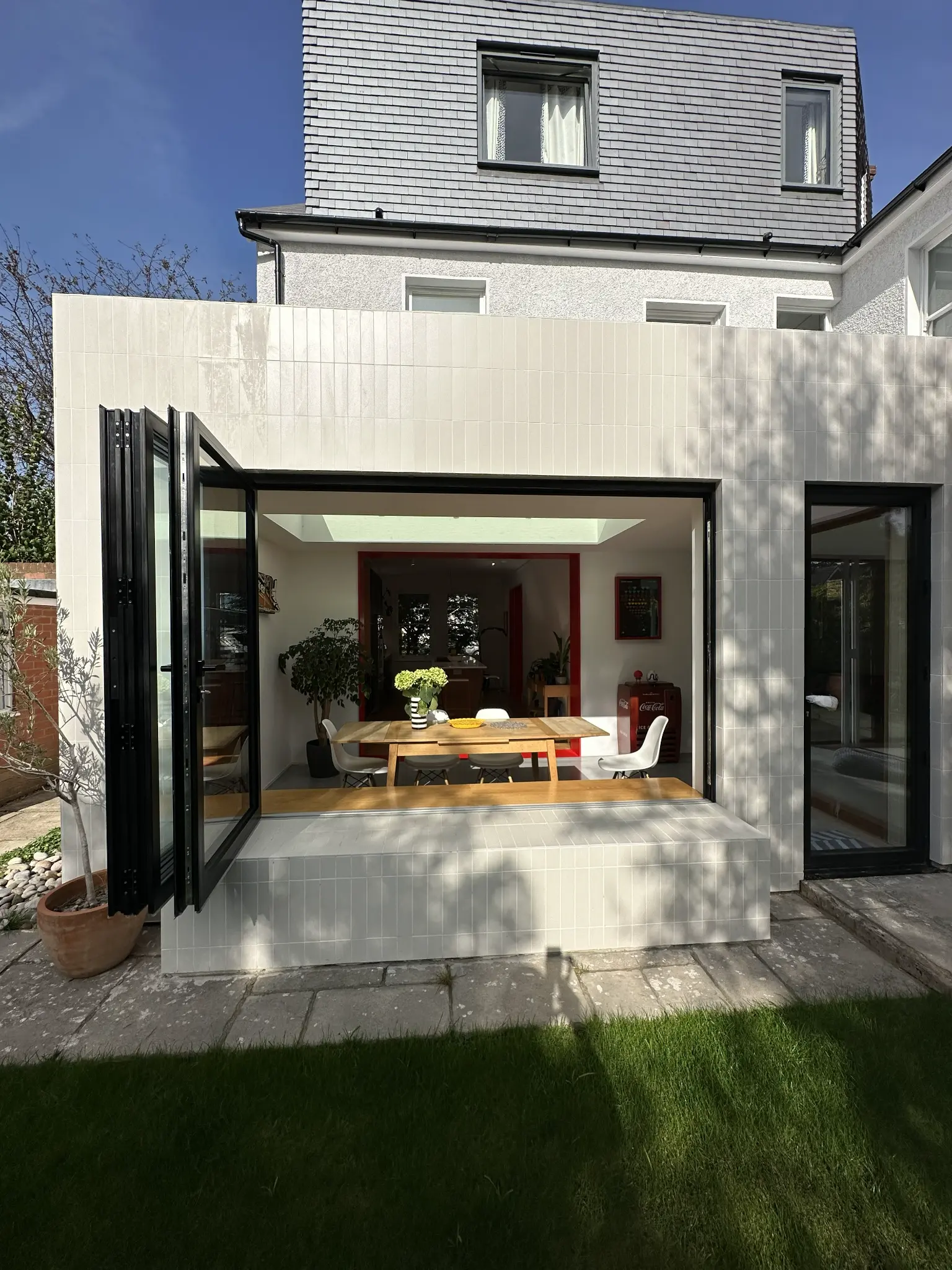
- Bi-Fold Doors: These doors fold back concertina-style, creating a wide opening that fully connects your kitchen to the garden. They are excellent for creating a large, unobstructed opening.
- Sliding Doors: Offering large panes of glass, sliding doors provide expansive views and can be configured to open up a significant portion of a wall. Lift-and-slide mechanisms allow for easy operation of even very heavy panels.
- Fixed Glazing Panels: Ideal for maximising light and views where an opening isn't required. These can be floor-to-ceiling or strategically placed to frame a particular vista.
- Rooflights and Lanterns: Essential for bringing light deep into the extension, especially if it's north-facing or overshadowed. Flat rooflights, pyramid lanterns, and bespoke glazed roof structures can all be considered.
- Glass Walls: For a truly contemporary look, entire walls can be constructed from structural glass, often supported by minimal frames or glass fins.
Framing Materials
The choice of framing material significantly impacts both the aesthetic and thermal performance of your glass extension.
- Aluminium: A popular choice due to its strength, durability, and ability to create slim sightlines. Aluminium frames are low maintenance and can be powder-coated in a vast array of colours. They also offer excellent thermal break technology to improve insulation.
- Timber: Offers a natural, warm aesthetic. Timber frames can be painted or stained and provide good natural insulation, though they require more maintenance than aluminium.
- Composite (Alu-Clad/Timber-Alu): Combines the best of both worlds – timber internally for warmth and aesthetics, and aluminium externally for durability and low maintenance.
- Steel: Used for its strength and ability to create very slender frames, often seen in industrial or 'Crittall-style' designs. Steel requires careful treatment to prevent corrosion and ensure thermal performance.
Energy Efficiency and Building Regulations (UK)
One of the most critical aspects of any extension, particularly those with significant glazing, is compliance with UK Building Regulations, specifically Part L (Conservation of Fuel and Power). This ensures your extension is energy-efficient and comfortable year-round.
Understanding U-Values
The U-value measures how effectively a material prevents heat from passing through it. A lower U-value indicates better insulation. For glass extensions, this is paramount.
- Glazing: Modern double glazing typically achieves U-values around 1.2 W/m²K. Triple glazing can reduce this further, often to 0.8 W/m²K or less, offering superior thermal performance, especially for large expanses of glass.
- Frames: The frame material and design also contribute to the overall U-value of the window or door unit. Thermally broken aluminium frames are essential.
UK Building Regulations Part L (2022 England)
For new extensions, specific U-value targets must be met for different elements of the building fabric:
| Building Element | Maximum U-value (W/m²K) |
|---|---|
| Walls (new build & extensions) | 0.18 |
| Floors | 0.18 |
| Roofs | 0.15 |
| Windows/Doors (new build) | 1.2 |
| Windows/Doors (replacement) | 1.4 |
| Party Walls | 0.0 |
It's crucial to note that while individual components have target U-values, Building Control will assess the overall thermal performance of the extension. If you have a very large proportion of glazing (which naturally has a higher U-value than a solid wall), you may need to compensate by exceeding the minimum insulation requirements for other elements, such as the solid roof or walls, or by using exceptionally high-performance glazing (e.g., triple glazing with low-emissivity coatings and argon gas fills).
Pro Tip
Always engage with a qualified architect and structural engineer early in the design process. They can advise on how to achieve compliance with Building Regulations, particularly concerning thermal performance and structural integrity for large glazed areas. Consulting your local Building Control body is also highly advisable before commencing work.
Solar Gain and Overheating
While natural light is desirable, excessive solar gain can lead to overheating, especially in south-facing extensions. Strategies to mitigate this include:
- Solar Control Glazing: Glass with special coatings that reflect a portion of the sun's heat while still allowing light through.
- External Shading: Overhangs, brise soleil, or external blinds can effectively block direct sunlight during the hottest parts of the day.
- Ventilation: Incorporating opening windows, doors, and rooflights for cross-ventilation is vital to allow hot air to escape.

Practical Considerations and Challenges
While glass extensions offer many advantages, there are practical aspects and potential challenges to consider.
Privacy
Large expanses of glass can reduce privacy, especially if your garden is overlooked. Solutions include:
- Strategic Planting: Hedges, trees, or screens can provide natural privacy.
- Blinds and Curtains: Internal or external blinds offer flexible privacy and light control.
- Switchable Glass: Electrically switchable glass can turn from transparent to opaque at the flick of a switch, though this is a more premium option.
Cleaning and Maintenance
More glass means more cleaning. Consider accessibility for cleaning, especially for rooflights or high-level glazing. Self-cleaning glass, while not entirely maintenance-free, can reduce the frequency of cleaning.
Structural Design
Large glass panels and minimal frames often require specialist structural engineering. The foundations must be robust, and the connection between the new extension and the existing property needs careful planning to prevent movement or cracking.
Cost Implications
Glass extensions, particularly those with high-performance glazing, bespoke framing, and complex structural elements, can be more expensive per square metre than traditional brick extensions. Factor in the cost of specialist installation, high-performance glass, and potentially more complex foundation work.
Planning Permission and Permitted Development
Before embarking on any extension project, it's crucial to understand the planning requirements.
- Permitted Development: Many smaller extensions can be built under 'Permitted Development' rights, meaning you don't need full planning permission. However, there are strict limits on size, height, and proximity to boundaries.
- Planning Permission: If your extension falls outside Permitted Development rights (e.g., it's too large, too high, or significantly alters the appearance of a listed building), you will need to apply for full planning permission from your local council.
- Conservation Areas/Listed Buildings: If your property is in a conservation area or is a listed building, the rules are much stricter, and you will almost certainly require planning permission and potentially Listed Building Consent.
It is always recommended to check with your local planning authority or a planning consultant to confirm what permissions are required for your specific project.
The Installation Process and Choosing a Supplier
The success of your glass kitchen extension heavily relies on the quality of the products and the expertise of the installation team.
Key Steps in Installation
- Design and Planning: Working with architects and structural engineers to finalise designs and obtain necessary permissions.
- Groundwork and Foundations: Laying robust foundations suitable for the structure.
- Structural Frame (if applicable): Erecting any steel or timber framework.
- Glazing Installation: Precision installation of the glass panels, doors, and rooflights. This is a specialist job requiring experienced fitters.
- Finishing and Sealing: Ensuring all joints are weather-tight and internal finishes are completed.
Choosing a Glazing Specialist
When selecting a supplier for your glass kitchen extension, consider the following:
- Experience: Look for companies with a proven track record in designing and installing complex glazed structures.
- Product Quality: Enquire about the U-values of their glazing and frames, the types of glass available (e.g., solar control, self-cleaning, laminated for security), and the durability of their materials.
- Accreditations: Check for certifications like FENSA or CERTASS for window and door installations, which ensure compliance with Building Regulations. Also, look for memberships in industry bodies.
- Warranty: A comprehensive warranty on both products and installation provides peace of mind.
- Customer Service: Good communication and project management are essential for a smooth process.
A glass kitchen extension can be a truly transformative addition to your home, offering unparalleled light, space, and a connection to your garden. By carefully considering design, energy efficiency, Building Regulations, and practical implications, you can create a stunning and comfortable space that you'll enjoy for years to come. Engaging with experienced professionals from the outset will ensure your project is a success.
At Shard Architectural Glazing, we specialise in high-performance glazing solutions for modern homes. Our expert team works closely with architects, builders, and homeowners across the UK to design, supply, and install bespoke glass elements that meet the highest standards of aesthetics, energy efficiency, and durability. Whether you're planning a minimalist glass box extension or integrating large bi-fold doors and rooflights into a traditional build, we offer a range of premium aluminium and timber-aluminium systems tailored to your project's unique requirements.
Explore Our Products
Discover how Shard Architectural Glazing can transform your home with our premium glazing solutions:
Ready to Transform Your Home?
Get in touch with our expert team for a free consultation and personalised quote. We'll help you choose the perfect glazing solution for your property.