
Creating Seamless Indoor-Outdoor Living Spaces in Your UK Home
Discover how to design and build stunning indoor-outdoor living spaces in the UK, covering design principles, glazing options, building regulations, and practical considerations.

Shard Architectural Glazing
20 May 2026
Discover how to design and build stunning indoor-outdoor living spaces in the UK, covering design principles, glazing options, building regulations, and practical considerations.
📋In This Article
The desire to seamlessly connect our homes with the natural world has never been stronger. Indoor-outdoor living spaces, once considered a luxury reserved for warmer climates, are now a highly sought-after feature in UK homes. These designs blur the lines between inside and out, extending living areas, enhancing natural light, and fostering a deeper connection with your garden or outdoor environment. But what exactly goes into creating such a space, especially within the unique context of the British climate and building regulations?
This comprehensive guide will delve into the principles, practicalities, and technical considerations of designing and implementing indoor-outdoor living spaces for UK homeowners. We'll explore everything from design philosophy and glazing choices to crucial building regulations and ongoing maintenance, ensuring you have the knowledge to create a truly transformative addition to your home.
Design Philosophy and Planning for UK Homes
At its core, indoor-outdoor living is about creating a fluid transition between your internal and external environments. This isn't just about adding a large door; it's about thoughtful design that considers flow, functionality, and how the spaces will be used throughout the year, especially given the UK's varied weather.
Key Design Principles:
- Seamless Transition: Aim for minimal barriers. This includes level thresholds, consistent flooring materials, and large, unobstructed openings.
- Material Continuity: Using similar or complementary materials for flooring, wall finishes, and even furniture both inside and out helps to visually extend the space.
- Natural Light and Views: Maximise natural light penetration and frame compelling views of your garden. This is crucial for making the outdoor space feel like an extension of the interior.
- Shelter and Comfort: In the UK, protection from rain, wind, and even strong sun is vital. Consider pergolas, canopies, or retractable awnings for year-round usability. Outdoor heating and lighting will also extend the use of the space into cooler evenings.
- Zoning: Even in an open-plan space, define distinct zones for dining, lounging, and cooking, both indoors and outdoors, to enhance functionality.
Pro Tip
When planning, think about how your indoor-outdoor space will function across all four seasons. A well-designed space should offer comfort and usability whether it's a sunny summer afternoon or a crisp autumn evening. Consider integrating outdoor heating, lighting, and weather protection from the outset.
Critical Glazing Options for Seamless Connections
The choice of glazing is perhaps the most defining element of an indoor-outdoor living space. It dictates the size of the opening, the level of thermal efficiency, and the aesthetic appeal. For UK homes, balancing large expanses of glass with excellent thermal performance is paramount.
Popular Glazing Systems:
-
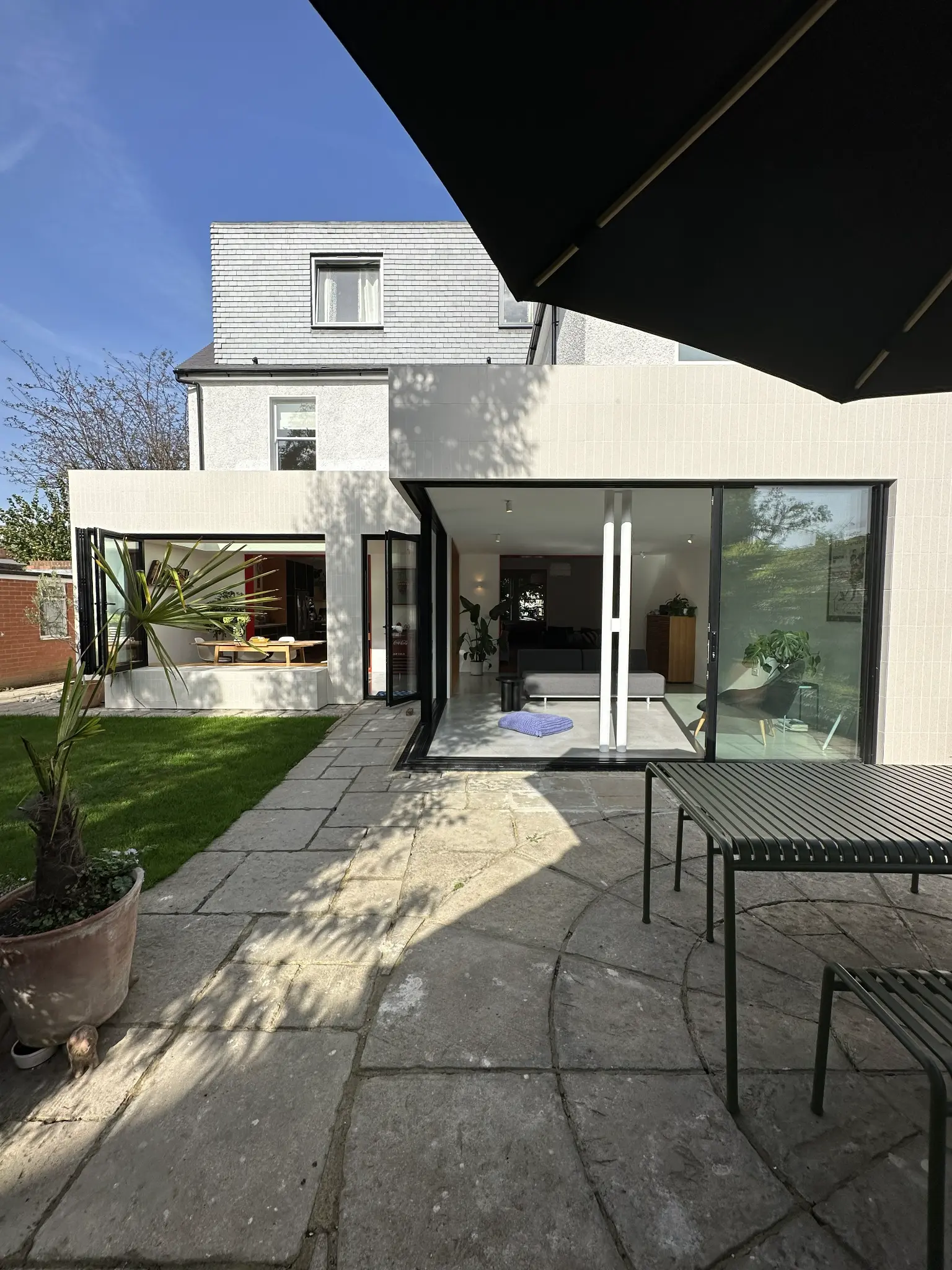
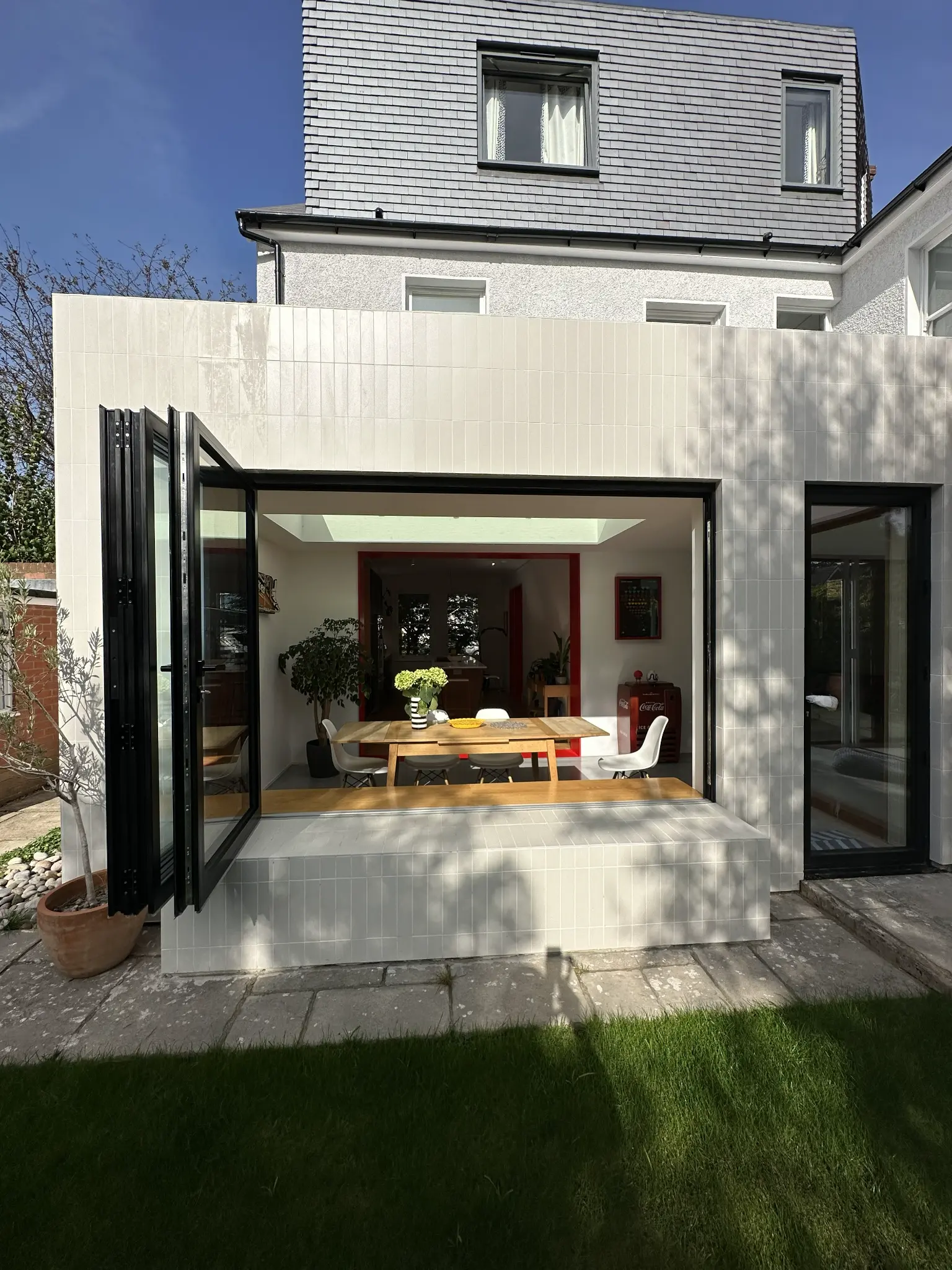
Bifold Doors: These are a classic choice, folding back concertina-style to create a wide, unobstructed opening. They are highly versatile and can be configured with multiple panels.
- Pros: Large opening, excellent views, modern aesthetic.
- Cons: Panels stack at one or both ends, requiring space. Can be heavier to operate than sliding doors if not well-engineered.
-
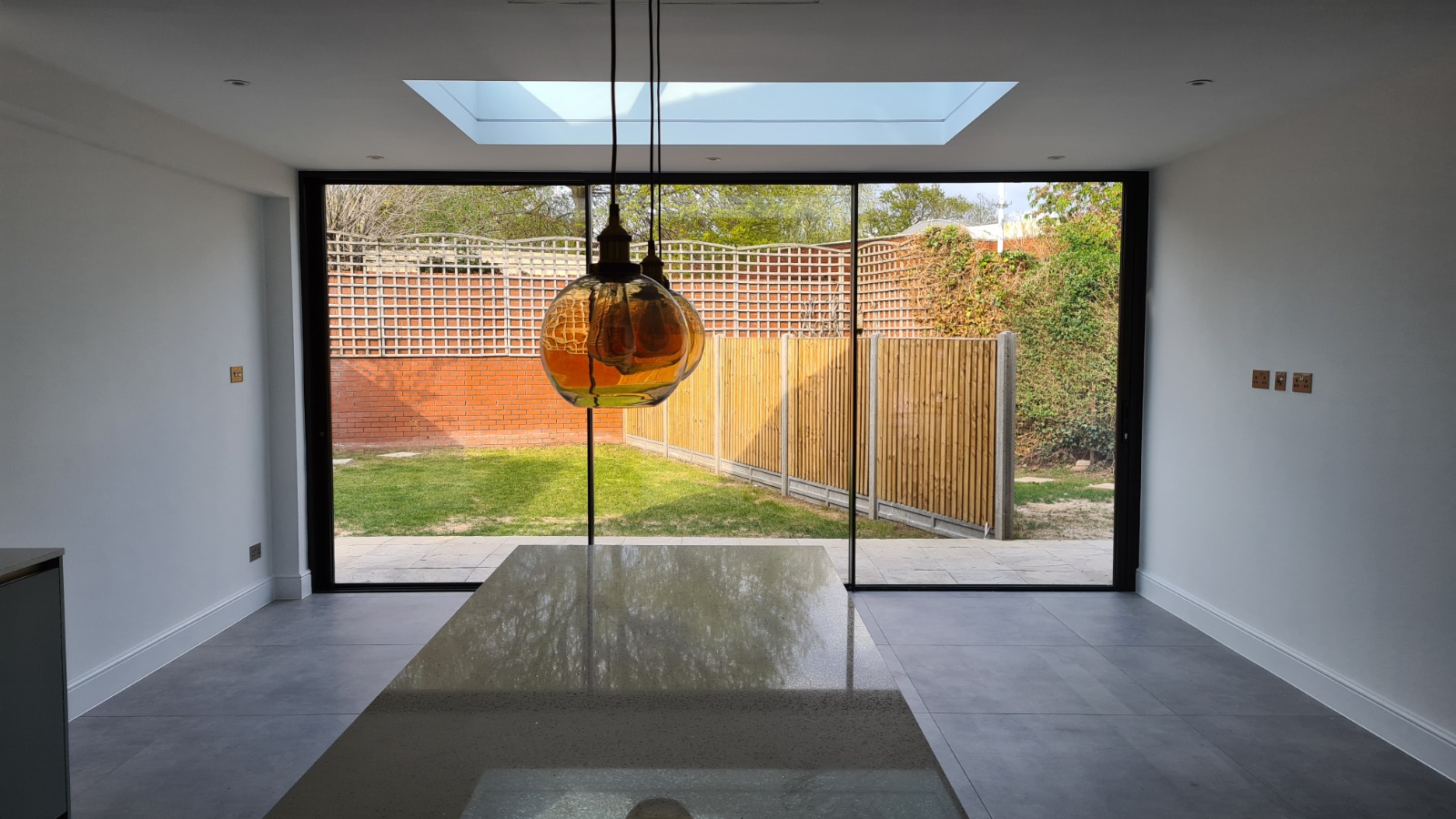
Sliding Doors (Lift & Slide or Inline): Modern sliding doors, particularly 'lift and slide' systems, can accommodate very large individual panes of glass, offering expansive, uninterrupted views. They slide smoothly along a track, stacking neatly behind one another.
- Pros: Minimal visual obstruction, very large glass panels possible, space-saving as panels don't protrude.
- Cons: Typically don't offer a 100% clear opening like bifolds (one panel always remains fixed or partially covers another).
-
French Doors: While offering less of an 'open wall' effect, high-quality French doors can still provide a good connection to the outdoors, especially in smaller openings or where a more traditional aesthetic is desired.
- Pros: Traditional look, good for smaller openings.
- Cons: Limited opening width compared to bifolds or sliders.
-
Corner Glazing: For truly dramatic effects, consider 'open corner' bifold or sliding doors where the corner post disappears when the doors are open, creating an immersive indoor-outdoor experience.
-
Fixed Glazing & Picture Windows: Complementing opening doors with large fixed panes of glass can maximise light and views without compromising thermal efficiency. Often used in conjunction with opening elements.
Thermal Performance and U-Values:
For any large glazing installation in the UK, thermal performance is critical. This is measured by the U-value (W/m²K), which indicates how effectively a material insulates. A lower U-value means better insulation. For new builds and extensions, UK Building Regulations Part L (2022 England) require windows and doors to achieve a maximum U-value of 1.2 W/m²K. For replacement windows and doors, the requirement is 1.4 W/m²K. Always ensure your chosen glazing system meets or exceeds these standards.
Key factors influencing U-value include the type of glass (double or triple glazing, low-emissivity coatings, argon/krypton gas fills) and the frame material (aluminium, timber, composite).
UK Building Regulations and Planning Permission
Creating an indoor-outdoor living space, particularly if it involves structural alterations or an extension, will almost certainly require adherence to UK Building Regulations and potentially Planning Permission.
Building Regulations (England & Wales - Part L 2022):
These regulations ensure that building work meets minimum standards for health, safety, welfare, convenience, and energy efficiency. Key considerations for indoor-outdoor spaces include:
-
Structural Integrity: Any removal of walls, especially load-bearing ones, requires structural calculations by a qualified engineer and Building Control approval. New openings must be properly supported with lintels or steel beams.
-
Thermal Performance (Part L): As mentioned, glazing must meet specific U-value requirements. For new extensions, the entire thermal envelope (walls, floor, roof, and glazing) must comply. The specific U-values are:
- Walls (new build & extensions): 0.18 W/m²K
- Floors: 0.18 W/m²K
- Roofs: 0.15 W/m²K
- Windows/Doors (new build): 1.2 W/m²K
- Windows/Doors (replacement): 1.4 W/m²K
Building Control will assess the overall energy performance, often using a 'SAP' (Standard Assessment Procedure) calculation for new extensions.
-
Ventilation (Part F): Adequate ventilation must be maintained. Large openings can help, but trickle vents or mechanical ventilation might still be required.
-
Safety Glazing (Part K): Glazing in critical locations (e.g., within 800mm of floor level, or in and around doors) must be safety glass (toughened or laminated) to prevent injury from breakage.
-
Accessibility (Part M): For new dwellings or extensions, providing level access (a flush threshold) is often a requirement to ensure accessibility for all, including wheelchair users. This is a key feature of indoor-outdoor design but needs careful detailing to prevent water ingress.
It is highly advisable to engage with your local Building Control body early in the design process or work with an architect/designer who is familiar with the regulations. They can provide specific guidance for your project.
Planning Permission:
Many internal alterations or the installation of new doors do not require planning permission, falling under 'Permitted Development' rights. However, if your project involves:
- A new extension or conservatory.
- Altering the external appearance of a listed building.
- Working in a conservation area.
- Your property already has had its Permitted Development rights removed.
...then planning permission may be required. Always check with your local planning authority before starting any work.
Practical Considerations and Maintenance
Beyond the initial design and construction, several practical aspects need careful thought to ensure your indoor-outdoor space remains enjoyable and functional for years to come.
Key Practicalities:
-
Drainage and Weatherproofing: A critical challenge with flush thresholds is preventing water ingress. Proper external drainage (e.g., linear drainage channels) and careful detailing of the threshold are essential. The external ground level should always be slightly lower than the internal floor level, even with a flush threshold, to direct water away.
-
Flooring Choices: Opt for durable, slip-resistant flooring materials that can withstand both indoor wear and outdoor elements. Porcelain tiles, natural stone, or composite decking are popular choices that can be used seamlessly across the threshold.
-
Heating and Cooling: Large expanses of glass can lead to heat loss in winter and overheating in summer. High-performance glazing mitigates this, but consider underfloor heating for warmth and shading solutions (blinds, external awnings) for sun control.
-
Pest Control: With open doors, insects can become an issue. Integrated fly screens can be a valuable addition, especially during warmer months.
-
Security: Ensure your chosen glazing systems come with robust multi-point locking mechanisms and meet industry security standards (e.g., PAS 24) to protect your home when the doors are closed.
Maintenance:
Large glazed areas will require regular cleaning to maintain their pristine appearance and maximise light. Frame materials like aluminium are low maintenance, while timber frames will require periodic treatment. Ensure all moving parts (hinges, rollers, tracks) are kept clean and lubricated according to the manufacturer's recommendations to ensure smooth operation.
Benefits of Indoor-Outdoor Living
The investment in creating a well-designed indoor-outdoor space yields numerous advantages for UK homeowners:
Enhanced Lifestyle
Enjoy a greater connection to nature, improved well-being, and a more versatile living environment for entertaining and relaxation, regardless of the weather.
Increased Space & Light
Visually and functionally extend your living area, making rooms feel larger and brighter by maximising natural light penetration throughout the day.
Improved Property Value
A thoughtfully designed and well-executed indoor-outdoor space is a highly desirable feature that can significantly boost your home's market appeal and value.
Better Air Quality
The ability to open up large sections of your home allows for excellent natural ventilation, improving indoor air quality and creating a fresher living environment.
Comparison Table: Glazing Options
To help you decide, here's a quick comparison of the most popular large-opening glazing systems:
| Feature | Bifold Doors | Sliding Doors (Lift & Slide) | French Doors |
|---|---|---|---|
| Opening Type | Panels fold and stack to one or both sides | Panels slide horizontally, stacking behind each other | Hinged, opening outwards or inwards |
| Max. Clear Opening | Up to 90-95% (depending on configuration) | Typically 50-75% (one panel always fixed or partially covering) | Limited by door width (approx. 1.8m-2.4m for double) |
| Views | Excellent when open, some frame lines when closed | Expansive, often fewer, larger panes for uninterrupted views | Good, but more frame divisions |
| Space Requirement | Requires stacking space at the sides | Minimal, panels slide within the opening footprint | Requires clear swing space (in or out) |
| Thermal Performance | Very good with modern thermally broken frames & glazing | Excellent, often achieving very low U-values due to fewer frames | Good with modern frames & glazing |
| Aesthetics | Modern, dynamic, creates a 'wall of glass' when open | Sleek, minimalist, ideal for panoramic views | Classic, traditional, charming |
| Typical Cost | Mid to High | Mid to High (can be higher for very large panels) | Low to Mid |
Conclusion and Expert Guidance
Creating an indoor-outdoor living space is a significant home improvement project that can profoundly enhance your enjoyment of your UK property. By carefully considering design principles, selecting appropriate glazing, understanding Building Regulations, and planning for practicalities, you can achieve a truly transformative result.
The key to success lies in meticulous planning and working with experienced professionals. An architect or designer can help you envision the space and navigate planning requirements, while a reputable glazing specialist will ensure your chosen doors are correctly specified, manufactured, and installed to meet both your aesthetic desires and the stringent UK performance standards.
At Shard AG, we specialise in high-performance architectural glazing solutions tailored for the UK market. Our expertise in bifold doors, sliding doors, and bespoke glazing systems ensures that your indoor-outdoor vision is brought to life with precision, quality, and full compliance with all relevant Building Regulations. We work closely with homeowners, architects, and builders to deliver stunning, thermally efficient, and durable glazing that truly connects your home with its environment.
Explore Our Products
Discover how Shard Architectural Glazing can transform your home with our premium glazing solutions:
Ready to Transform Your Home?
Get in touch with our expert team for a free consultation and personalised quote. We'll help you choose the perfect glazing solution for your property.