

Aluminium vs uPVC Windows: The Ultimate UK Homeowner's Guide
Choosing between aluminium and uPVC window frames for your UK home? This in-depth guide covers performance, aesthetics, cost, and regulations.

Shard Architectural Glazing
7 May 2026
Choosing between aluminium and uPVC window frames for your UK home? This in-depth guide covers performance, aesthetics, cost, and regulations.
📋In This Article
When embarking on a home improvement project, particularly one involving new or replacement windows and doors, one of the most significant decisions you'll face is the choice of frame material. For UK homeowners, the primary contenders often come down to aluminium and unplasticised polyvinyl chloride (uPVC). Both offer distinct advantages and considerations, and understanding these differences is crucial for making an informed decision that aligns with your home's aesthetics, performance requirements, and budget.
This comprehensive guide will delve into the technical specifications, practical implications, and aesthetic qualities of both aluminium and uPVC frames, helping you navigate the options and choose the best solution for your property.
Understanding the Materials: Aluminium & uPVC
Before we compare their performance, it's helpful to understand what each material brings to the table.
Aluminium Frames
Aluminium has long been a popular choice in commercial architecture due to its strength and versatility. Modern advancements in thermal break technology have made it an increasingly viable and popular option for residential properties, particularly in the UK. Aluminium frames are typically constructed from extruded profiles, which are then powder-coated for durability and colour. The key to their thermal performance lies in these 'thermal breaks' – non-conductive materials inserted into the frame profile to prevent heat transfer.
uPVC Frames
uPVC has been the dominant window frame material in the UK for decades, largely due to its cost-effectiveness and excellent thermal insulation properties. It's a rigid plastic material, and window frames are manufactured by extruding uPVC profiles, which are then cut, welded, and reinforced (often with steel) for structural integrity. The multi-chambered design within uPVC profiles further enhances their insulating capabilities.
Performance Comparison: Thermal Efficiency & Durability
When investing in new windows, two critical performance metrics are thermal efficiency and long-term durability.
Thermal Efficiency (U-values)
Thermal efficiency is measured by the U-value, which indicates how well a window prevents heat from escaping. A lower U-value signifies better insulation. For replacement windows in England, current Building Regulations (Part L 2022) typically require a U-value of 1.4 W/m²K or better. For new builds, the requirement is even stricter at 1.2 W/m²K.
- uPVC: Traditionally, uPVC has excelled in thermal performance due to its inherently low thermal conductivity and multi-chambered design. High-quality uPVC frames can easily achieve U-values well below the regulatory requirements, often reaching 1.2 W/m²K or even lower with advanced glazing.
- Aluminium: Older aluminium frames had a reputation for being poor insulators, but modern aluminium frames with advanced thermal breaks have dramatically improved. These breaks create a barrier within the frame, significantly reducing heat transfer. High-performance aluminium windows can now comfortably meet and often exceed current Building Regulations, achieving U-values comparable to or even better than uPVC, especially when combined with high-performance glazing.
Durability and Lifespan
- uPVC: uPVC is a robust material, resistant to rot, rust, and corrosion. It doesn't require painting and is generally low maintenance. However, over time (typically 20-35 years), uPVC can become brittle, discolour, or warp, particularly if exposed to extreme UV radiation. Its structural integrity can also be compromised if the internal steel reinforcement corrodes.
- Aluminium: Aluminium is exceptionally strong and highly durable. It's naturally resistant to corrosion (thanks to a protective oxide layer), rust, and rot. Aluminium frames are less prone to warping or cracking due to temperature fluctuations. A well-maintained aluminium frame can last 40-50 years or even longer, making it a very long-term investment. The powder-coated finish is highly resilient and typically maintains its appearance for decades.
Pro Tip
Always ask your window supplier for the specific U-values of the complete window unit (frame + glass), not just the glass or frame in isolation. This 'whole window U-value' is what Building Control will assess for compliance.
Aesthetics and Design Flexibility
The visual impact of your windows is paramount, influencing your home's character and curb appeal.
Frame Profiles and Sightlines
- uPVC: uPVC frames tend to have thicker, bulkier profiles due to the material's inherent properties and the need for internal reinforcement. This can result in wider sightlines (the visible frame area), which might reduce the amount of glass and natural light, particularly in smaller window openings. While designs have become more streamlined, they generally can't match the slimness of aluminium.
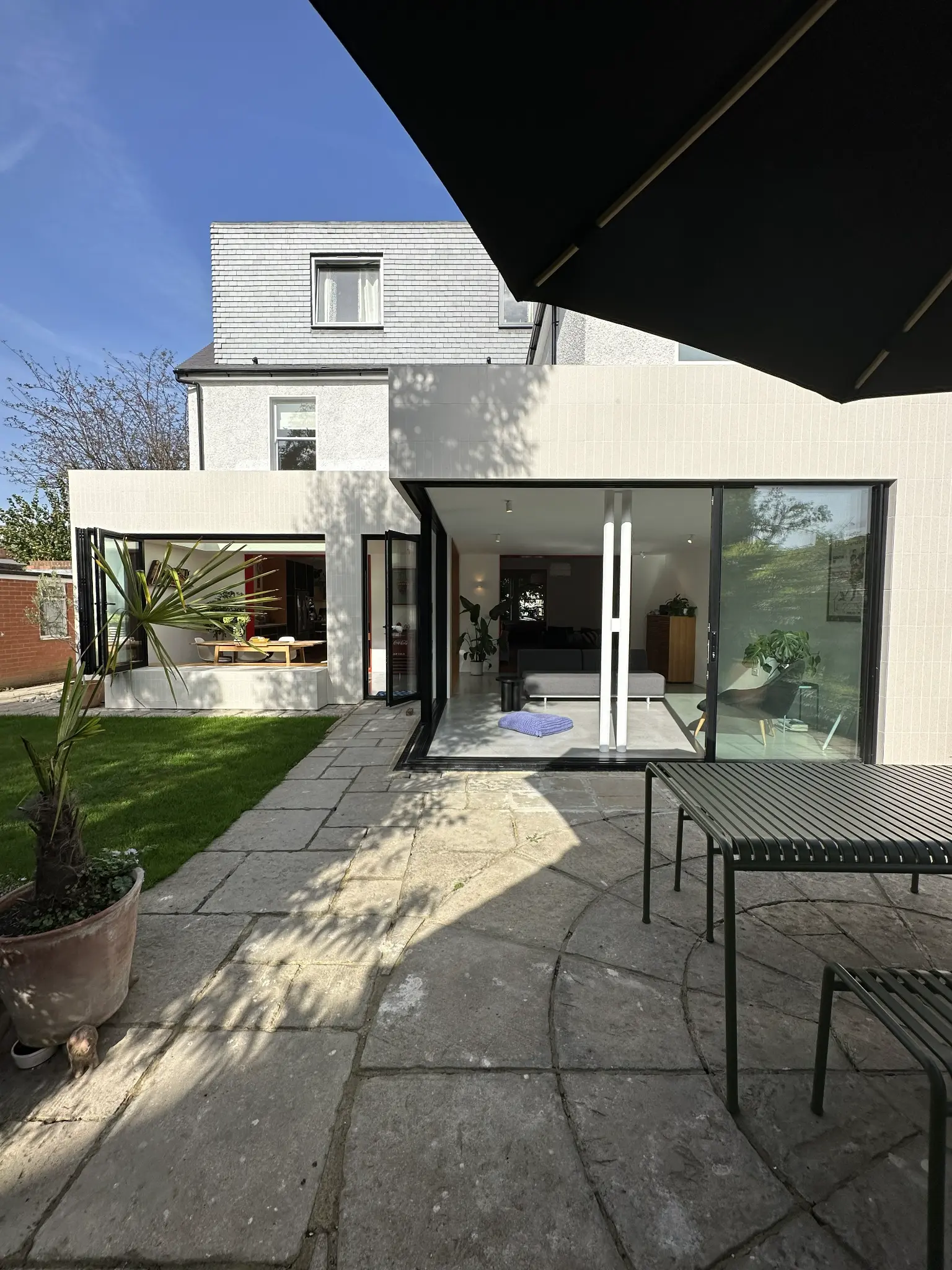
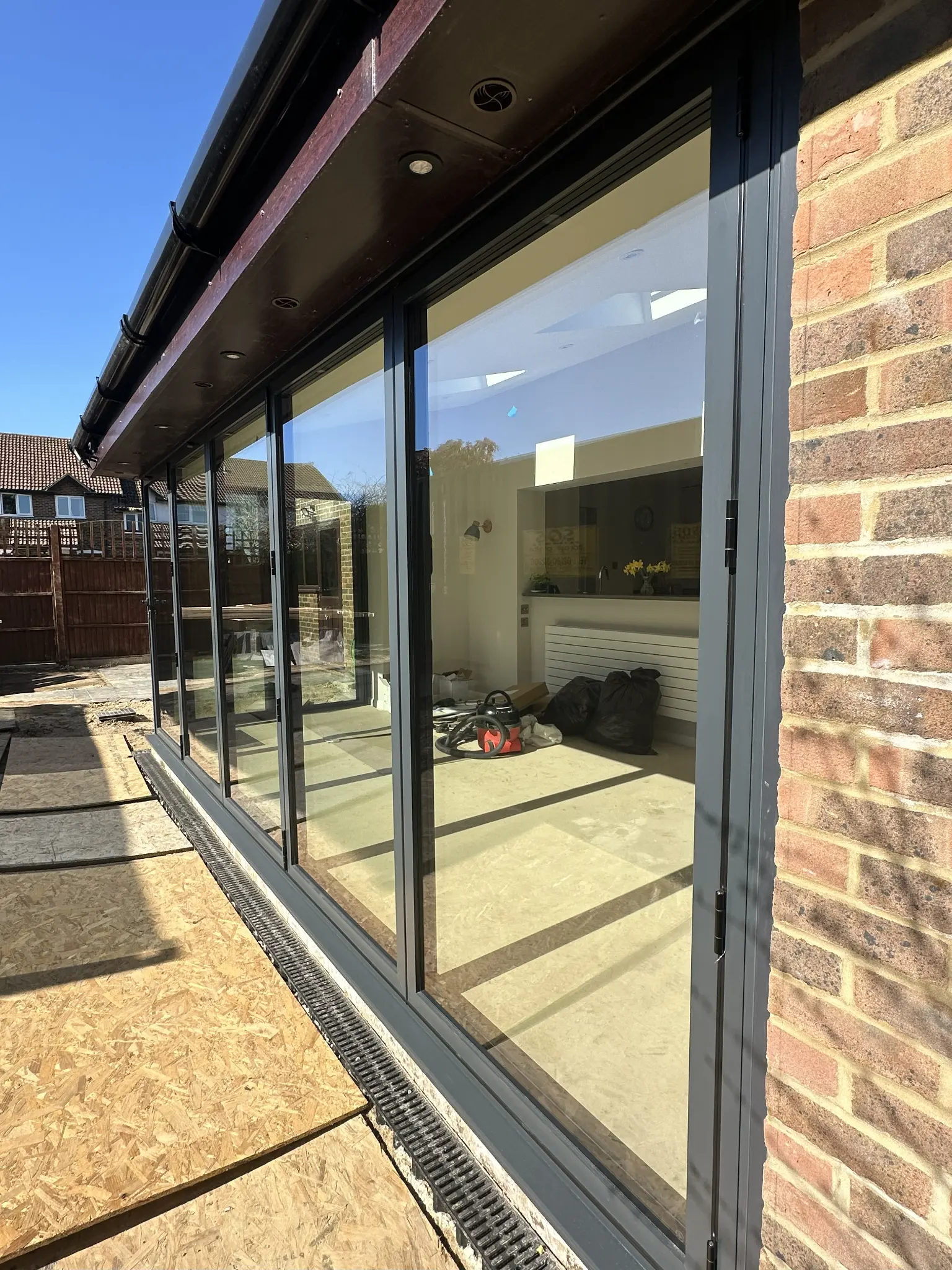
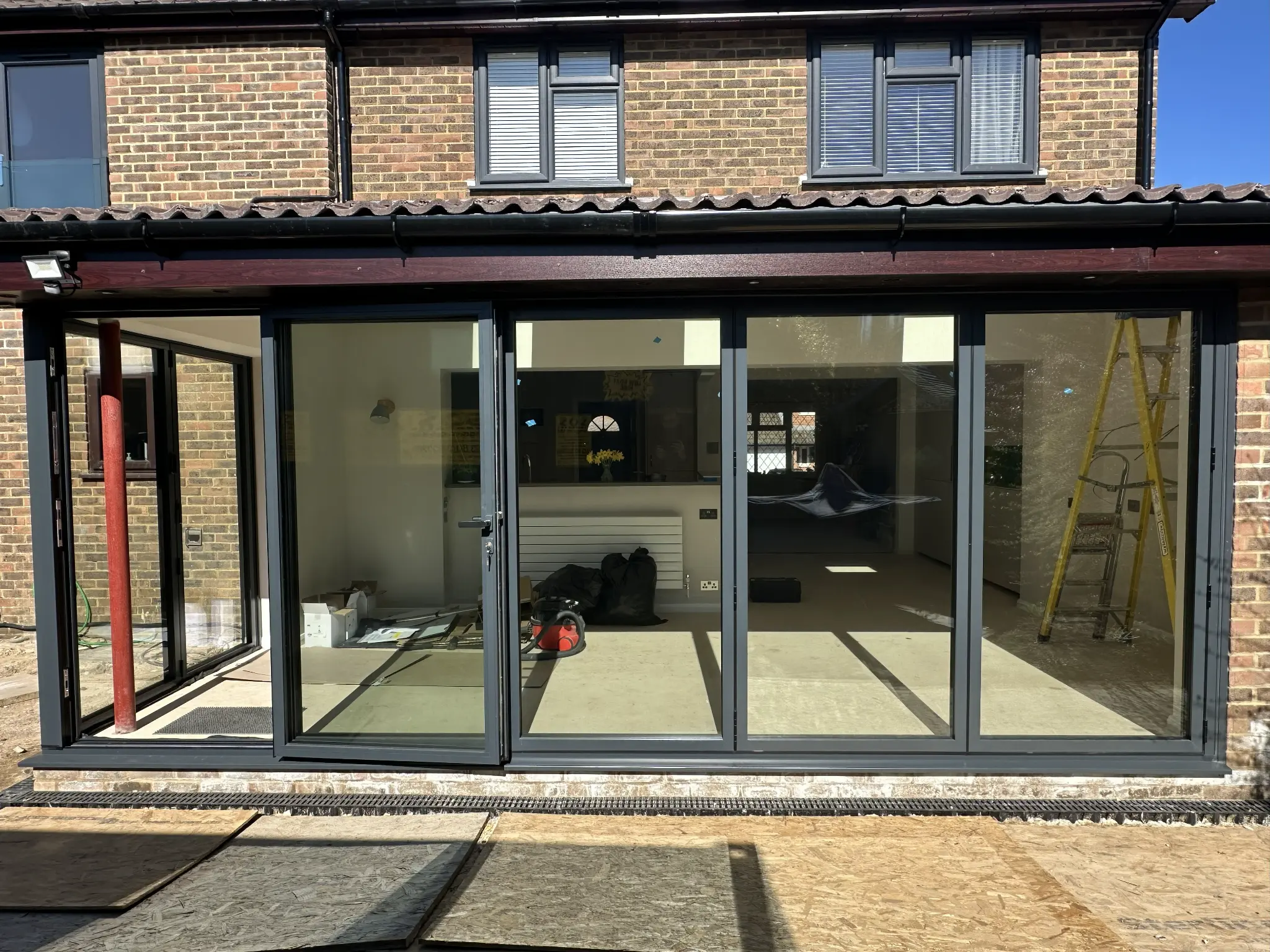
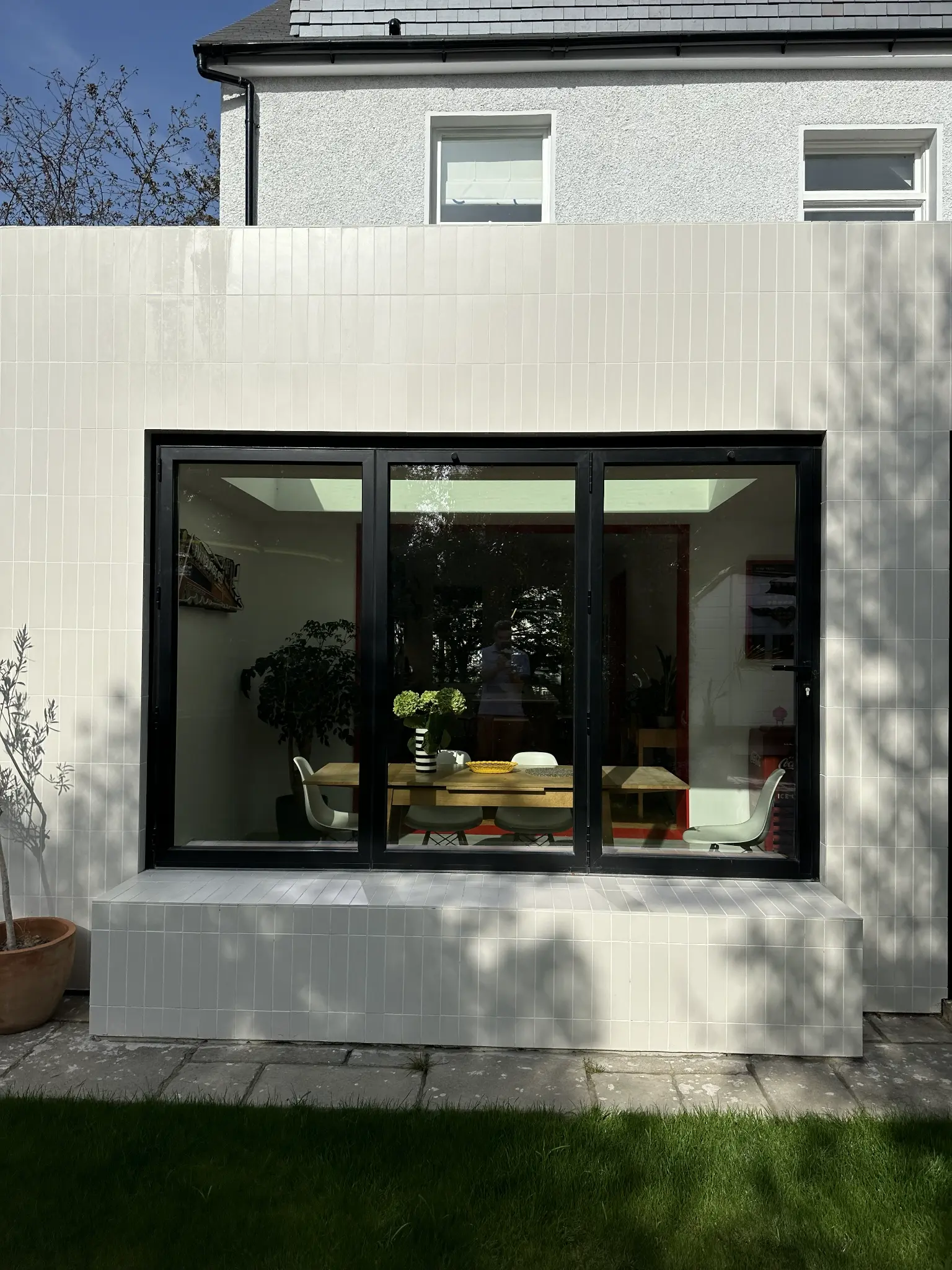
- Aluminium: One of aluminium's greatest strengths is its inherent structural rigidity, which allows for much slimmer frame profiles and larger expanses of glass. This translates to increased natural light, unobstructed views, and a sleek, contemporary aesthetic. Aluminium is ideal for large glazed areas, bifold doors, and sliding doors where minimal framing is desired.
Colour and Finish Options
- uPVC: Traditionally, uPVC was limited to white. However, advancements mean a wide range of colours is now available, often achieved through foils or spray painting. Popular options include anthracite grey, black, and various woodgrain effects. While durable, these finishes can sometimes show wear or discolouration over many years.
- Aluminium: Aluminium frames are typically finished with a high-quality powder coating, which is extremely durable, chip-resistant, and available in virtually any RAL colour. This allows for immense design flexibility, from classic black and grey to vibrant bespoke colours. The finish is highly stable and resistant to fading, offering a consistent look for decades. Dual colour options (different colours inside and out) are also readily available.
Cost, Maintenance, and Environmental Impact
Beyond performance and aesthetics, practical considerations like cost and upkeep play a significant role.
Initial Cost
- uPVC: Generally, uPVC windows are the more budget-friendly option upfront. Their manufacturing process is less energy-intensive, and the raw material cost is lower, making them accessible for a wide range of projects.
- Aluminium: Aluminium windows typically have a higher initial purchase price. This is due to the material cost, the more complex manufacturing process (including thermal breaks), and the high-quality powder-coated finishes. However, their longer lifespan and lower long-term maintenance can offset this initial investment.
Maintenance
Both materials are considered low maintenance:
- uPVC: Requires only occasional cleaning with soapy water to keep them looking good. No painting or treating is necessary.
- Aluminium: Similar to uPVC, aluminium frames require minimal maintenance – just a wipe down with mild soapy water to remove dirt and grime. The powder-coated finish is extremely robust and does not require repainting.
Environmental Impact
- uPVC: While uPVC is a durable plastic, its production involves fossil fuels. Recycling uPVC has improved significantly, but it's not infinitely recyclable to the same quality.
- Aluminium: Aluminium is often called the 'green metal' because it is 100% recyclable and can be recycled repeatedly without loss of quality. The recycling process uses only about 5% of the energy required to produce primary aluminium. This makes it a highly sustainable choice over its long lifespan.
UK Building Regulations and Compliance
Any new window installation or replacement in the UK must comply with Building Regulations, specifically Part L (Conservation of Fuel and Power) and Part F (Ventilation).
- Part L (Thermal Performance): As mentioned, replacement windows must achieve a U-value of 1.4 W/m²K or better, and new build windows 1.2 W/m²K or better (England, 2022 standards). Both uPVC and modern aluminium frames can comfortably meet these requirements when specified correctly with appropriate glazing. It is crucial to ensure your chosen supplier provides products that are fully compliant.
- Part F (Ventilation): Replacement windows often require trickle vents to ensure adequate ventilation, especially if the original windows had them or if the room relies on background ventilation. This is to prevent issues with condensation and maintain indoor air quality.
- Building Control Approval: For replacement windows, you can either use an installer registered with a competent person scheme (e.g., FENSA or CERTASS), who can self-certify the work, or apply directly to your local Building Control for approval. For new builds or extensions, Building Control approval is always required.
Always ensure your chosen installer is reputable and can provide evidence of compliance for their products and installations.
uPVC: Cost-Effective
Lower initial outlay makes uPVC an attractive option for budget-conscious homeowners.
Aluminium: Slim & Strong
Allows for larger glass areas and minimalist aesthetics, ideal for modern designs and large openings.
uPVC: Excellent Insulation
Inherently good thermal properties, easily meeting and exceeding current Building Regulations.
Aluminium: Longevity & Recyclability
Exceptional durability, very long lifespan, and 100% recyclable, offering a sustainable choice.
Comparison Table: Aluminium vs. uPVC
Here's a quick overview of the key differences:
| Feature | Aluminium Frames | uPVC Frames |
|---|---|---|
| Aesthetics & Sightlines | Very slim, contemporary, large glass areas | Thicker, bulkier profiles, more traditional |
| Thermal Performance (U-value) | Excellent with thermal breaks (e.g., 1.2 W/m²K) | Excellent (e.g., 1.2 W/m²K) |
| Durability & Lifespan | High (40-50+ years), no warping/cracking | Good (20-35 years), can discolour/warp over time |
| Colour Options | Extensive RAL colour range, durable powder coat | Good range, foils/sprays, can fade over time |
| Maintenance | Very low (clean with soapy water) | Very low (clean with soapy water) |
| Initial Cost | Higher | Lower |
| Environmental Impact | 100% recyclable, sustainable | Recyclable but less so than aluminium |
| Structural Strength | Very high, ideal for large spans | Good, requires steel reinforcement for larger sizes |
Making Your Decision
The choice between aluminium and uPVC ultimately depends on your priorities:
- Choose Aluminium if: You prioritise a sleek, modern aesthetic, slim sightlines, maximum natural light, exceptional durability, and a long-term investment. You're looking for large glazed areas like bifold or sliding doors, or you want a specific, high-end finish. You also value environmental sustainability.
- Choose uPVC if: You're working with a tighter budget, prefer a more traditional look (though modern uPVC is evolving), and still require excellent thermal performance and low maintenance.
It's also worth considering a hybrid approach, using aluminium for large statement glazing (like bifold doors or a feature window) and uPVC for other, less prominent windows where cost-effectiveness is key.
At Shard AG, we understand the nuances of both aluminium and uPVC glazing solutions. Our expertise in architectural glazing allows us to guide UK homeowners through the selection process, ensuring you choose the right material and design for your specific project. We supply and install high-quality, Building Regulation compliant windows and doors, offering a range of options in both aluminium and uPVC to meet diverse aesthetic and performance requirements. Contact us today to discuss your project and discover how we can help bring your vision to life.
Explore Our Products
Discover how Shard Architectural Glazing can transform your home with our premium glazing solutions:
Ready to Transform Your Home?
Get in touch with our expert team for a free consultation and personalised quote. We'll help you choose the perfect glazing solution for your property.