
Bi-Parting Sliding Doors: A Comprehensive UK Homeowner's Guide
Explore the benefits, considerations, and technical aspects of bi-parting sliding doors for UK homes. Understand design, materials, and Building Regs.

Shard Architectural Glazing
5 May 2026
Explore the benefits, considerations, and technical aspects of bi-parting sliding doors for UK homes. Understand design, materials, and Building Regs.
📋In This Article
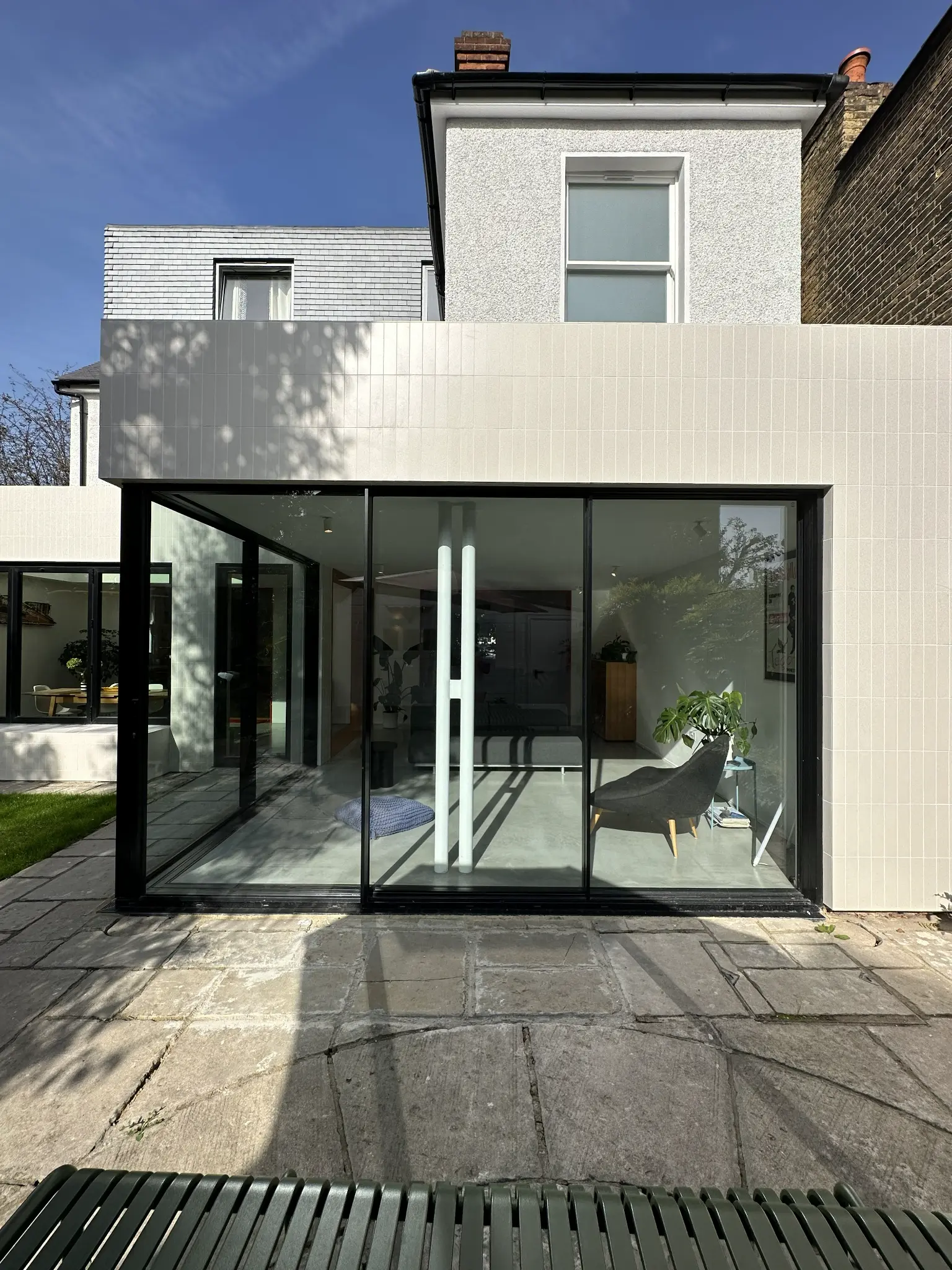
Bi-parting sliding doors offer a sophisticated and highly functional solution for connecting indoor and outdoor living spaces, or for creating flexible divisions within a home. Unlike traditional sliding doors that stack to one side, bi-parting systems feature two sets of doors that meet in the middle and slide open in opposite directions, creating a wide, unobstructed opening. This guide delves into the specifics of bi-parting sliding doors, offering UK homeowners a comprehensive overview of their design, benefits, technical considerations, and compliance with Building Regulations.
What Are Bi-Parting Sliding Doors?
At their core, bi-parting sliding doors consist of multiple panels, typically two or more per side, that operate on a track system. When opened, the panels slide past one another and stack neatly at either end of the opening, effectively creating a central, wide aperture. This design maximises the opening width compared to standard sliding or French doors, offering an expansive connection to the garden, patio, or another room.
They are distinct from bi-fold doors, which fold up like an accordion, and standard sliding doors, where all panels move in one direction to stack on a single side. The bi-parting mechanism provides symmetry and often a more balanced aesthetic when both open and closed.
Key Characteristics:
- Symmetrical Opening: Panels slide away from a central point, creating a balanced aesthetic.
- Wide Apertures: Capable of creating very large openings, ideal for seamless indoor-outdoor flow.
- Track System: Typically run on a bottom track, with a guiding top track, ensuring smooth operation and stability.
- Panel Configuration: Commonly seen with 2+2 (four panels total, two sliding each way), 3+3, or even larger configurations depending on the width of the opening.
Pro Tip
Consider the available wall space at either end of your opening. Bi-parting doors require sufficient clear wall area for the panels to stack when fully open. Measure carefully to ensure the full potential of the wide opening can be realised without obstruction.
Benefits for UK Homeowners
Choosing bi-parting sliding doors can bring numerous advantages to a property, enhancing both its functionality and aesthetic appeal.
Maximised Opening
The primary advantage is the creation of a significantly wider opening than other door types, offering an unparalleled connection to the outdoors and blurring the lines between interior and exterior spaces.
Enhanced Natural Light
With large glass panels, these doors allow an abundance of natural light to flood into your home, reducing the need for artificial lighting and creating a brighter, more inviting atmosphere.
Modern Aesthetic
Their sleek, contemporary design, often characterised by slim sightlines, complements modern architectural styles and adds a touch of luxury to any property.
Space Efficiency
Unlike French doors that swing open and require clear floor space, sliding doors operate within their own footprint, making them ideal for areas where space is at a premium.
Materials and Design Considerations
The choice of material significantly impacts the performance, aesthetics, and cost of bi-parting sliding doors.
Aluminium
- Pros: Extremely strong, allowing for very slim frames and large glass panels. Highly durable, low maintenance, and resistant to corrosion. Excellent thermal performance when combined with a thermal break. Available in a vast range of powder-coated colours.
- Cons: Generally more expensive than uPVC. Can feel colder to the touch than timber.
uPVC (Unplasticised Polyvinyl Chloride)
- Pros: Cost-effective, good thermal insulation properties, low maintenance, and available in various finishes, including woodgrain effects.
- Cons: Frames are typically thicker than aluminium, leading to wider sightlines. Less rigid than aluminium, limiting maximum panel sizes. Can discolour over time if not of high quality.
Timber
- Pros: Natural aesthetic, excellent thermal insulator, and can be stained or painted to match any decor. Offers a traditional, warm feel.
- Cons: Requires more maintenance (repainting/re-staining) than uPVC or aluminium. Can be susceptible to warping or rot if not properly treated and maintained. Generally a higher cost.
Glass Specifications
For UK homes, double glazing is the minimum standard, but triple glazing is increasingly popular for superior thermal and acoustic performance. Key glass specifications include:
- Low-E Coatings: Microscopic metallic layers that reflect heat back into the room, improving thermal efficiency.
- Argon Gas Filling: Inert gas between the panes reduces heat transfer more effectively than air.
- Spacer Bars: Warm edge spacers (e.g., made of composite material) reduce heat loss at the edges of the glass unit compared to traditional aluminium spacers.
- Security Glazing: Laminated or toughened glass offers enhanced security and safety.
UK Building Regulations and Technical Aspects
Any new installation or significant replacement of external doors must comply with current UK Building Regulations, particularly concerning thermal performance, safety, and ventilation.
Part L (Conservation of Fuel and Power) - England 2022
This part of the regulations sets strict requirements for the thermal performance of building elements to reduce energy consumption. For windows and doors, the U-value is the critical metric, measuring how effectively a material insulates. A lower U-value indicates better insulation.
- New Build Properties: External doors must achieve a maximum U-value of 1.2 W/m²K.
- Replacement Doors: External doors must achieve a maximum U-value of 1.4 W/m²K.
Meeting these values typically requires high-performance double or triple glazing, thermally broken frames (for aluminium), and careful installation to prevent thermal bridging.
Part F (Ventilation)
New or replacement doors often need to incorporate trickle vents to ensure adequate background ventilation, preventing condensation and maintaining good indoor air quality. The specific requirements depend on the room and existing ventilation strategy.
Part K (Protection from Falling, Collision and Impact)
This regulation covers safety glazing. All glass in doors and side panels adjacent to doors must be safety glass (toughened or laminated) to prevent serious injury in case of breakage.
Part B (Fire Safety)
While external sliding doors are generally not fire-rated, their proximity to escape routes or boundaries may be a consideration in some specific scenarios, particularly in multi-occupancy buildings or certain extensions. It is always advisable to consult with your local Building Control body.
Installation and Structural Considerations
Given the weight of large glass panels and robust frames, proper structural support is paramount. The lintel above the opening must be adequately sized to bear the load. The floor beneath the track system must also be level and stable to ensure smooth operation and prevent future issues. Professional installation is essential to ensure compliance with regulations and long-term performance.
| Feature | Bi-Parting Sliding Doors | Bi-Fold Doors | French Doors |
|---|---|---|---|
| Opening Style | Panels slide away from centre, stack at ends | Panels fold and stack to one or both sides | Two hinged doors swing open outwards/inwards |
| Max. Opening Width | Very wide, often up to 75% of total width | Wide, up to 90% of total width | Limited to width of two door panels |
| Frame Sightlines | Often very slim (especially aluminium) | Thicker due to folding mechanism | Standard door frame thickness |
| Space Requirement | Requires clear wall space at ends for stacking | Requires clear space for folding panels (in/out) | Requires clear floor space for swinging doors |
| Thermal Performance (Typical) | Excellent (U-values below 1.2 W/m²K achievable) | Good (U-values around 1.4-1.6 W/m²K) | Good (U-values around 1.4-1.6 W/m²K) |
| Cost (Indicative) | Medium to High | Medium to High | Low to Medium |
| Ventilation Options | Integrated trickle vents, partial opening | Integrated trickle vents, partial opening | Integrated trickle vents, full opening |
Maintenance and Longevity
Modern bi-parting sliding doors are designed for durability and low maintenance, but some care is required to ensure their longevity and smooth operation.
- Cleaning: Regular cleaning of glass with a non-abrasive cleaner and frames with warm soapy water will keep them looking their best. Avoid harsh chemicals that can damage finishes.
- Track Maintenance: The tracks should be kept clear of dirt, debris, and leaves. Vacuuming or brushing the tracks regularly will prevent blockages that can hinder smooth sliding. Lubrication of rollers (as per manufacturer's guidelines) can also be beneficial.
- Hardware Checks: Periodically check handles, locks, and hinges for any signs of wear or loosening. Tighten screws if necessary.
- Seals and Gaskets: Inspect rubber seals and gaskets for perishing or damage. These are crucial for weatherproofing and thermal performance.
With proper care, high-quality bi-parting sliding doors can provide many years of reliable service and aesthetic appeal.
Choosing the Right Supplier and Installer
Selecting the right company for your bi-parting sliding doors is as important as choosing the doors themselves. Look for suppliers and installers with a proven track record, who offer comprehensive warranties and have expertise in UK Building Regulations.
- Accreditations: Check for accreditations such as FENSA or CERTASS, which ensure that installations comply with Building Regulations and are registered with the local authority.
- Experience: Choose a company with specific experience in installing large-format glazing systems, as these require specialist knowledge and equipment.
- Warranty: A robust warranty covering both the product and installation provides peace of mind.
- Customer Service: Good communication and after-sales support are vital.
Bi-parting sliding doors represent a significant investment that can dramatically transform your home. By understanding the various options, technical requirements, and regulatory obligations, you can make an informed decision that enhances your living space for years to come.
If you're considering bi-parting sliding doors for your UK property, Shard AG offers a range of high-quality, thermally efficient systems designed to meet the latest Building Regulations. Our expert team can guide you through the selection process, ensuring a bespoke solution that perfectly complements your home and lifestyle.
Explore Our Products
Discover how Shard Architectural Glazing can transform your home with our premium glazing solutions:
Ready to Transform Your Home?
Get in touch with our expert team for a free consultation and personalised quote. We'll help you choose the perfect glazing solution for your property.