
Bi-Parting Sliding Doors: A UK Homeowner's Comprehensive Guide
Explore bi-parting sliding doors for your UK home. Understand their design, benefits, technical specifications, and Building Regulations compliance.

Shard Architectural Glazing
15 April 2026
Explore bi-parting sliding doors for your UK home. Understand their design, benefits, technical specifications, and Building Regulations compliance.
📋In This Article
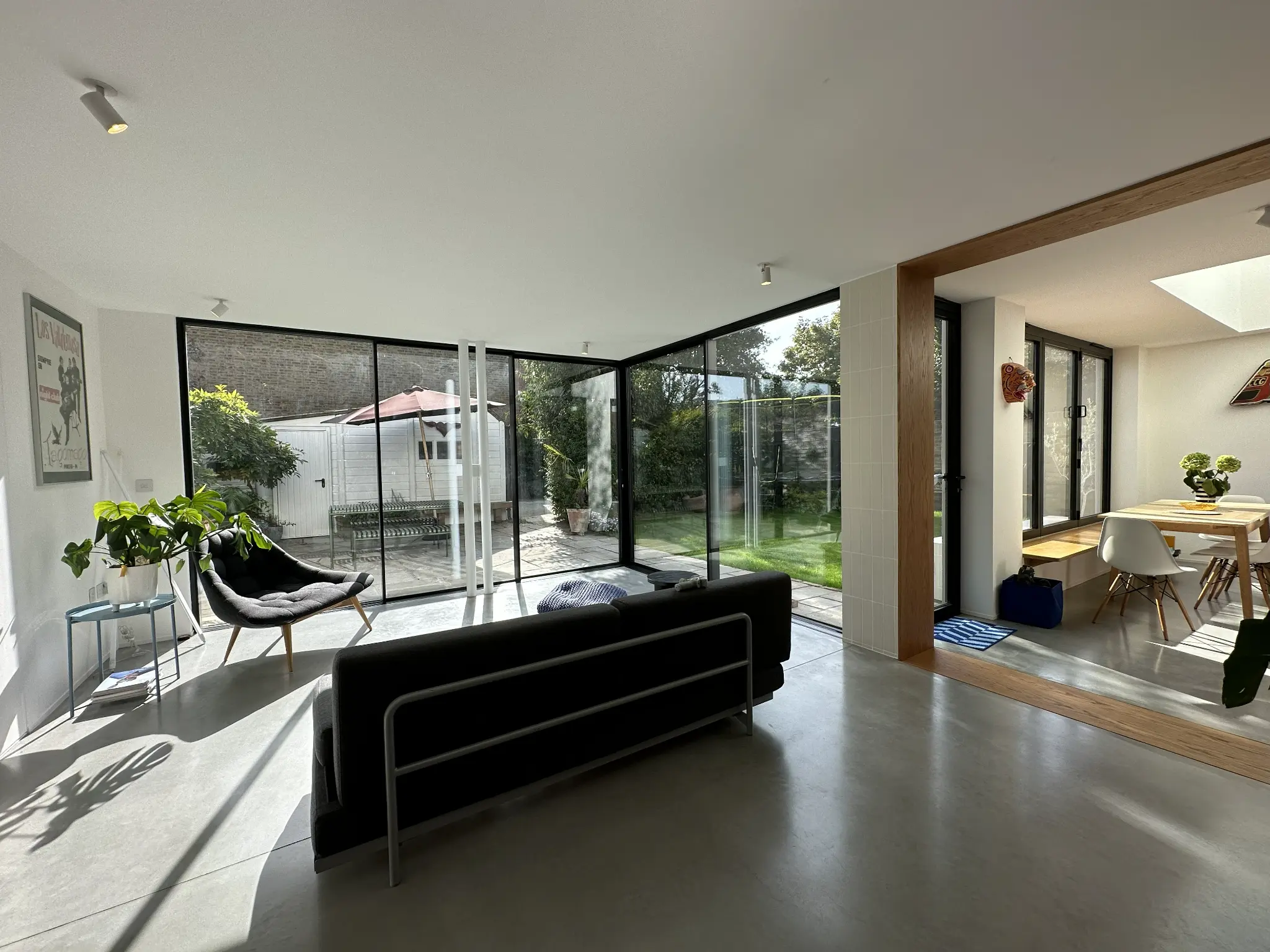
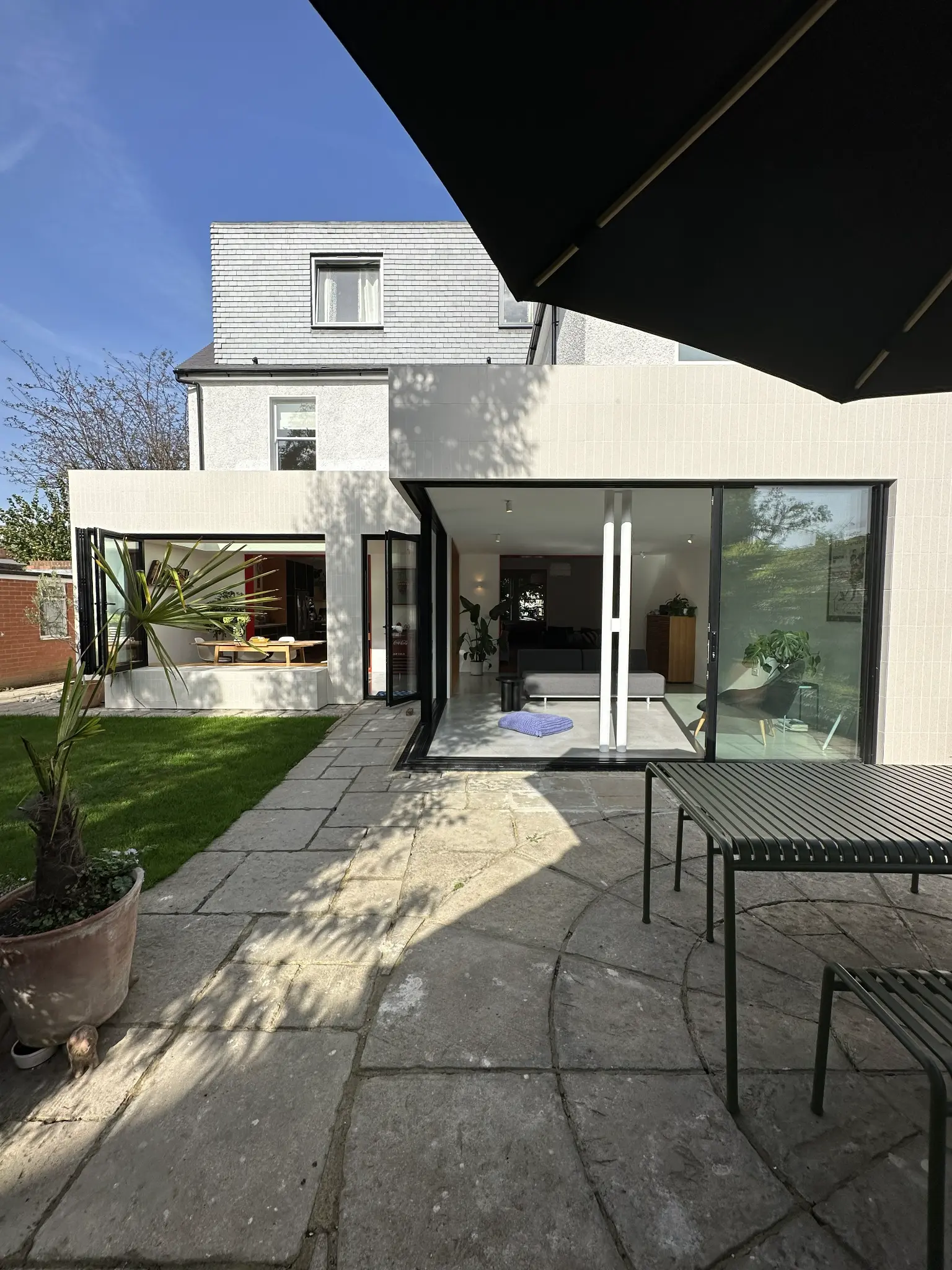
Bi-parting sliding doors offer a sophisticated and practical solution for homeowners looking to enhance their living spaces with expansive glazing. Unlike traditional sliding doors that stack to one side, bi-parting systems feature two panels (or sets of panels) that slide open from the centre, creating a wide, unobstructed opening. This design can dramatically transform a room, blurring the lines between indoor and outdoor environments.
In the UK, where maximising natural light and optimising space are key considerations for home improvement, bi-parting sliding doors are becoming an increasingly popular choice. This comprehensive guide will delve into the technical aspects, design considerations, benefits, and crucial Building Regulations compliance for these elegant architectural features.
Understanding Bi-Parting Sliding Door Mechanisms
At their core, bi-parting sliding doors operate on a simple yet effective principle: two independent door panels, or multiple panels arranged into two sets, slide away from a central meeting point. This creates a symmetrical opening that can be particularly appealing aesthetically.
How They Work:
- Track System: Bi-parting doors utilise a robust track system, typically located at both the head (top) and cill (bottom) of the opening. The bottom track often bears the primary weight, while the top track guides the panels smoothly.
- Rollers and Carriages: Each door panel is fitted with high-quality rollers or carriages that allow it to glide effortlessly along the tracks. Modern systems often incorporate stainless steel or nylon rollers for durability and quiet operation.
- Sealing: When closed, the panels meet precisely in the middle, often with interlocking profiles and advanced weather seals (gaskets) to ensure excellent thermal performance and weather resistance.
- Configuration: While the simplest form involves two panels, one sliding left and one sliding right, larger openings can accommodate multiple panels. For example, a four-panel system might have two panels sliding left and two panels sliding right, all meeting in the centre when closed.
Benefits of Bi-Parting Sliding Doors for UK Homes
Choosing bi-parting sliding doors can bring a multitude of advantages to a UK property, from aesthetic enhancements to practical improvements in living comfort.
Maximised Opening
The primary advantage is the significantly wider opening created compared to single-direction sliding or bifold doors. This allows for seamless integration of indoor and outdoor spaces, perfect for entertaining or enjoying garden views.
Enhanced Natural Light
With their large glass panels and minimal frame profiles, bi-parting doors flood interiors with natural light, reducing the need for artificial lighting and creating a brighter, more inviting atmosphere.
Symmetrical Aesthetics
The balanced, central opening of bi-parting doors offers a clean, contemporary look that complements a wide range of architectural styles, from modern extensions to renovated period properties.
Space Efficiency
Unlike hinged doors that require swing space, sliding doors simply glide along a track. Bi-parting systems maintain this space efficiency, making them ideal for areas where floor space is at a premium.
Technical Specifications and Material Choices
The performance and longevity of your bi-parting sliding doors are heavily influenced by the materials used and their technical specifications. Understanding these details is crucial for making an informed decision.
Material Options:
- Aluminium: Highly popular for its strength, durability, and slim sightlines. Aluminium frames are resistant to corrosion and require minimal maintenance. They can be powder-coated in a vast array of colours to suit any aesthetic.
- Timber: Offers a classic, natural aesthetic and excellent thermal properties. Timber doors require more maintenance (e.g., painting or staining) but can be a beautiful choice for certain property styles.
- uPVC: A cost-effective option known for its good thermal performance and low maintenance. While uPVC frames tend to be thicker than aluminium, advancements in design have led to more aesthetically pleasing options.
- Composite: Combines the best features of different materials, such as a timber core for insulation and an aluminium or uPVC exterior for weather resistance and low maintenance.
Glazing Options:
The glass itself is a critical component, impacting thermal performance, security, and sound insulation.
- Double Glazing: The standard for UK homes, typically comprising two panes of glass separated by a sealed cavity filled with an inert gas like argon.
- Triple Glazing: For superior thermal performance, triple glazing uses three panes of glass and two gas-filled cavities, significantly reducing heat loss.
- Low-E Coatings: Low-emissivity coatings applied to the glass reflect heat back into the room in winter and reflect solar heat away in summer, improving energy efficiency.
- Security Glass: Laminated or toughened glass options provide enhanced security against forced entry.
- Acoustic Glass: Specialised laminated glass can significantly reduce noise transmission, ideal for homes in urban or high-traffic areas.
Pro Tip
When selecting glazing, pay close attention to the U-value. This measures how effectively a window or door insulates. A lower U-value indicates better thermal performance. For new builds and extensions, aim for a U-value of 1.2 W/m²K or lower for windows and doors to meet current UK Building Regulations Part L (2022 England).
UK Building Regulations and Compliance
Any significant alteration to your home, including the installation of new doors, must comply with relevant UK Building Regulations. For bi-parting sliding doors, the primary focus areas are thermal performance, structural integrity, and safety.
Key Regulations to Consider:
- Part L (Conservation of Fuel and Power): This is arguably the most critical section. New or replacement doors must meet specific U-value requirements to ensure energy efficiency. For new builds and extensions in England, doors must achieve a U-value of 1.2 W/m²K or better. For replacement doors in existing dwellings, the requirement is 1.4 W/m²K. Always ensure your chosen doors meet or exceed these values.
- Part K (Protection from Falling, Collision and Impact): Relates to safety glazing. Any glazing in critical locations (e.g., within 800mm of floor level, or within 300mm of a door opening) must be safety glass (toughened or laminated) to prevent injury in case of breakage.
- Part B (Fire Safety): While less directly applicable to external doors, if the doors are part of an escape route or affect fire compartmentation, specific considerations may apply.
- Part F (Ventilation): New doors should not compromise the existing ventilation strategy of the room. Trickle vents, for example, may be required, especially in replacement installations.
- Structural Considerations: The structural integrity of the opening must be assessed, particularly for large spans. A structural engineer may need to specify lintels or other support structures to safely bear the load above the doors.
Building Control Approval:
For new extensions or significant alterations, you will typically need to apply for Building Control approval. If you are simply replacing existing doors of the same size and type, your installer may be able to self-certify the work under a competent person scheme (e.g., FENSA or CERTASS), which then notifies Building Control on your behalf. However, for larger openings or changes to the structure, direct Building Control application is advisable.
It is always recommended to consult with your local Building Control body or a qualified professional early in your project to ensure full compliance.
Design and Installation Considerations
Beyond regulations, several practical aspects influence the success and functionality of your bi-parting sliding doors.
Thresholds:
- Standard Threshold: Features a raised section for optimal weather sealing and drainage, but creates a slight trip hazard.
- Low Threshold: Offers a more flush transition between inside and out, improving accessibility. While still providing good weather resistance, they may not be as watertight as standard thresholds in extreme conditions.
- Flush Threshold: Achieves a near-seamless transition, often requiring careful consideration of drainage and weatherproofing, especially in exposed locations.
Security:
Modern bi-parting sliding doors incorporate multi-point locking systems, anti-lift devices, and secure glazing beads to deter intruders. Look for doors tested to British Standards such as PAS 24, which demonstrates enhanced security performance.
Drainage:
Effective drainage is crucial, especially with low or flush thresholds. Integrated drainage channels within the cill profile are standard, but external drainage solutions (e.g., linear drains) may be necessary to manage rainwater effectively and prevent pooling.
Installation:
Due to their size and complexity, bi-parting sliding doors require precise installation by experienced professionals. Incorrect installation can lead to operational issues, poor thermal performance, and water ingress.
| Feature | Bi-Parting Sliding Doors | Bifold Doors | Standard Sliding Doors |
|---|---|---|---|
| Opening Style | Panels slide from centre to both sides | Panels fold and stack to one or both sides | Panels slide and stack to one side |
| Max. Opening Width | Very wide, often 50-75% of total width | Up to 90% of total width | Up to 50% of total width |
| Frame Sightlines | Typically very slim (minimal vertical frames) | Slim to moderate (more vertical frames when closed) | Slim to moderate |
| Threshold Options | Standard, low, flush | Standard, low, flush | Standard, low, flush |
| Ventilation | Can open partially from centre | Can open partially (traffic door) | Can open partially (one panel slides) |
| Cost Range | Mid to High | Mid to High | Low to Mid |
Maintenance and Longevity
To ensure your bi-parting sliding doors continue to operate smoothly and look their best for years to come, regular maintenance is essential.
- Cleaning: Regularly clean glass with a non-abrasive glass cleaner and frames with warm soapy water. Avoid harsh chemicals that could damage finishes or seals.
- Track Maintenance: Keep tracks free from dirt, debris, and grit. Vacuum or wipe them regularly to prevent obstructions that can hinder smooth operation and damage rollers.
- Hardware Checks: Periodically check locks, handles, and hinges for any signs of wear or looseness. Lubricate moving parts with a silicone-based spray as recommended by the manufacturer.
- Seal Inspection: Inspect weather seals and gaskets for cracks, shrinkage, or damage. Damaged seals can compromise thermal performance and weather resistance.
With proper care, high-quality bi-parting sliding doors can offer decades of reliable performance and aesthetic appeal.
Conclusion
Bi-parting sliding doors represent a sophisticated and highly functional choice for UK homeowners seeking to create expansive, light-filled spaces. Their ability to offer a wide, central opening, combined with excellent thermal performance and modern aesthetics, makes them a compelling alternative to other glazing options.
By carefully considering material choices, glazing specifications, and ensuring strict adherence to UK Building Regulations, you can invest in a door system that not only enhances the beauty and value of your home but also provides lasting comfort and energy efficiency. Always engage with reputable suppliers and experienced installers to guarantee a successful project from conception to completion.
If you are considering bi-parting sliding doors for your property, Shard AG offers a range of high-quality, customisable solutions designed to meet the specific demands of UK homes and comply with all relevant Building Regulations. Our expertise ensures a seamless process from design to installation, providing you with doors that combine exceptional performance with stunning aesthetics.
Explore Our Products
Discover how Shard Architectural Glazing can transform your home with our premium glazing solutions:
Ready to Transform Your Home?
Get in touch with our expert team for a free consultation and personalised quote. We'll help you choose the perfect glazing solution for your property.